


Primary sourceArtifactearly 18th century
Nienburg Bridge Keystone
Anastasiya Lvova · early 18th century
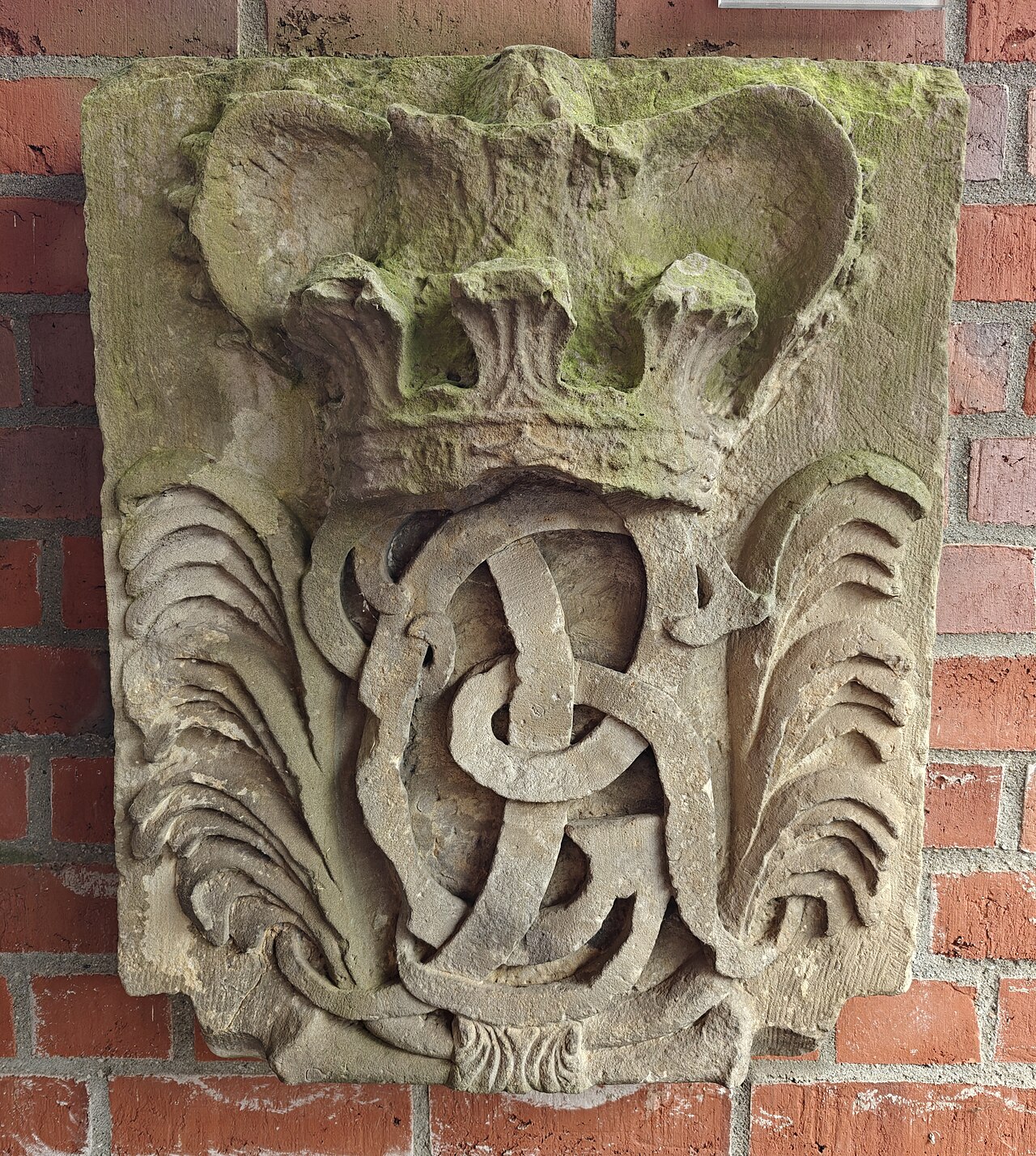
A carved keystone bearing George's monogram, once part of a now-lost bridge over the Weser at Nienburg in Hanover.
This keystone from a lost Weser bridge is physical evidence of George's infrastructure projects in Hanover.
About this source
What it is
This weathered sandstone keystone shows a royal crown above an interlaced monogram, flanked by carved leaf scrolls. It once formed part of a bridge across the Weser river at Nienburg, built in the early 18th century under George, Elector of Hanover and King of Great Britain. The bridge itself no longer survives; the stone is now kept in a lapidarium, a collection of preserved stone fragments.
Why it matters
Like other monogrammed stones from his Hanoverian lands, this keystone is physical evidence of George's role in building and maintaining infrastructure in his German territory, separate from his kingship in Britain. That the bridge itself is lost, while this fragment survives, shows how much of the physical record of a ruler's works can disappear over time.
Look closer
- What does the survival of just this one stone, rather than the whole bridge, tell you about how historical evidence survives?
- Why might a bridge be marked with a ruler's monogram at all?
- What questions can't this stone fragment answer about the bridge it came from?
This artifact is part of the curated material that grounds the AI version of George I on Humy.ai — when students ask about related events, the AI can quote it and cite it.
More George I sources
Meet the AI George I →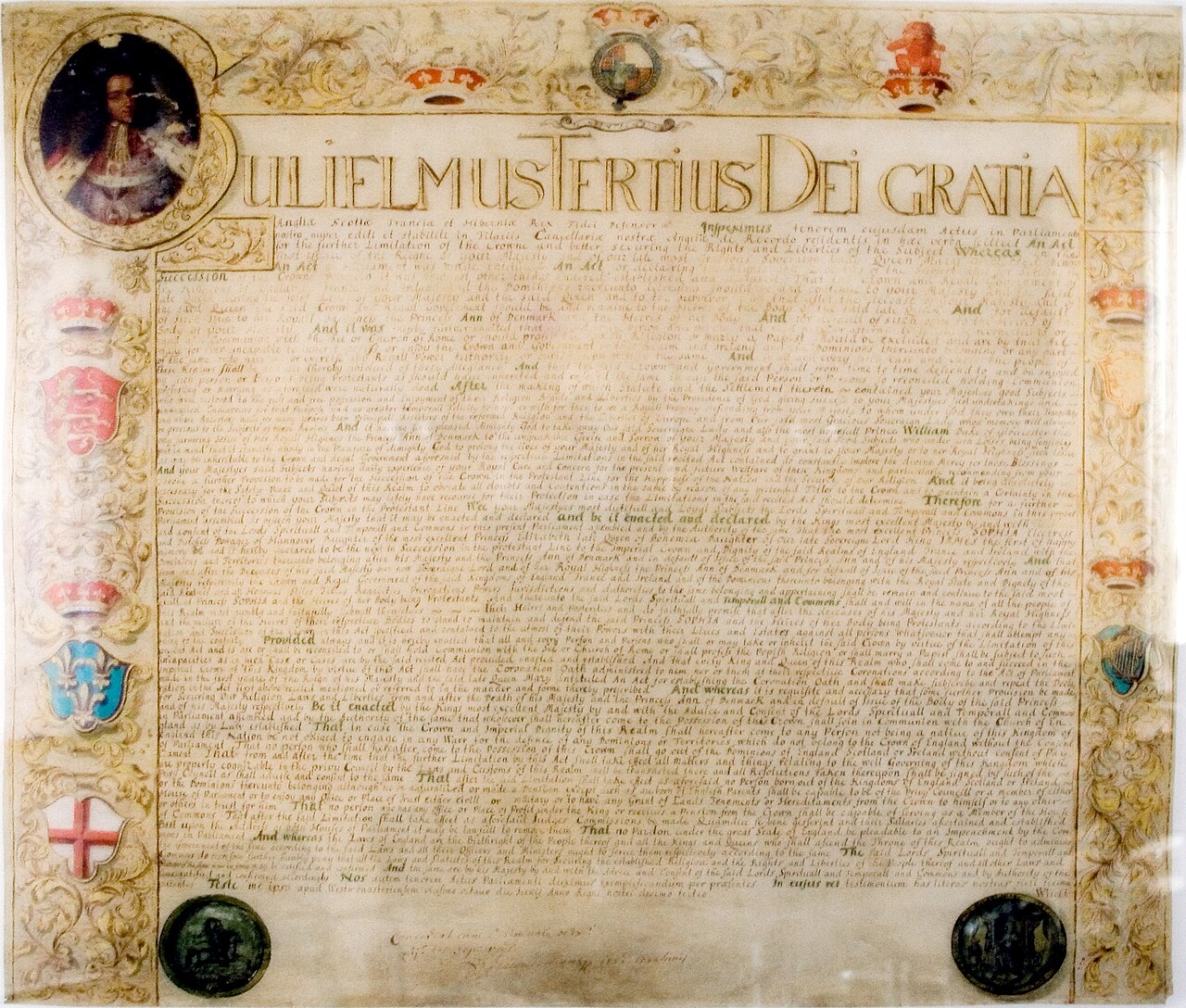 Document
Primary source
Act of Settlement 1701
1701
 Painting
Primary source
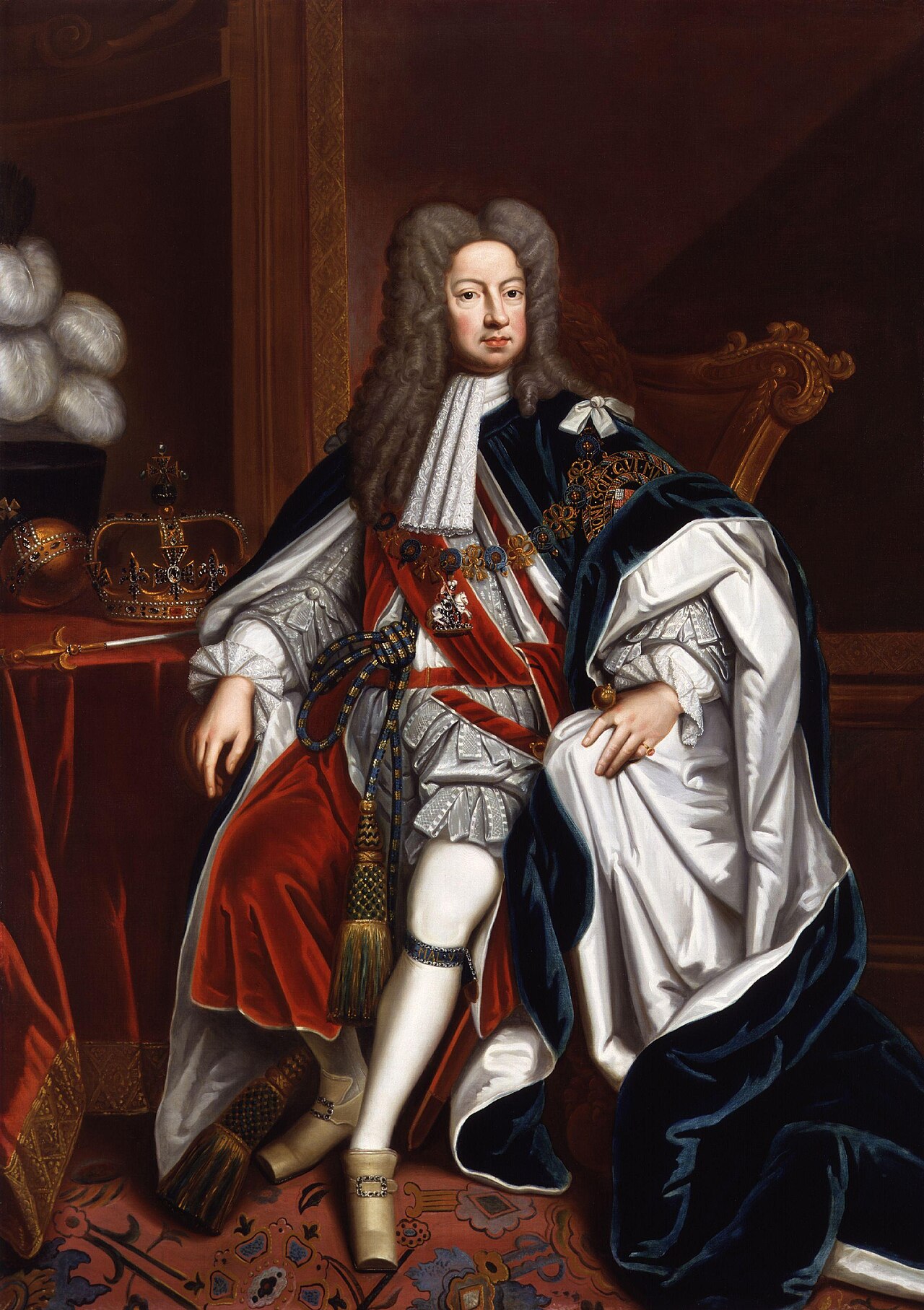
Portrait of George I of Great Britain
Godfrey Kneller
Secondary source
Water Music
George Frideric Handel · 1717
Primary source
Septennial Act 1715
1716
 Document
Primary source
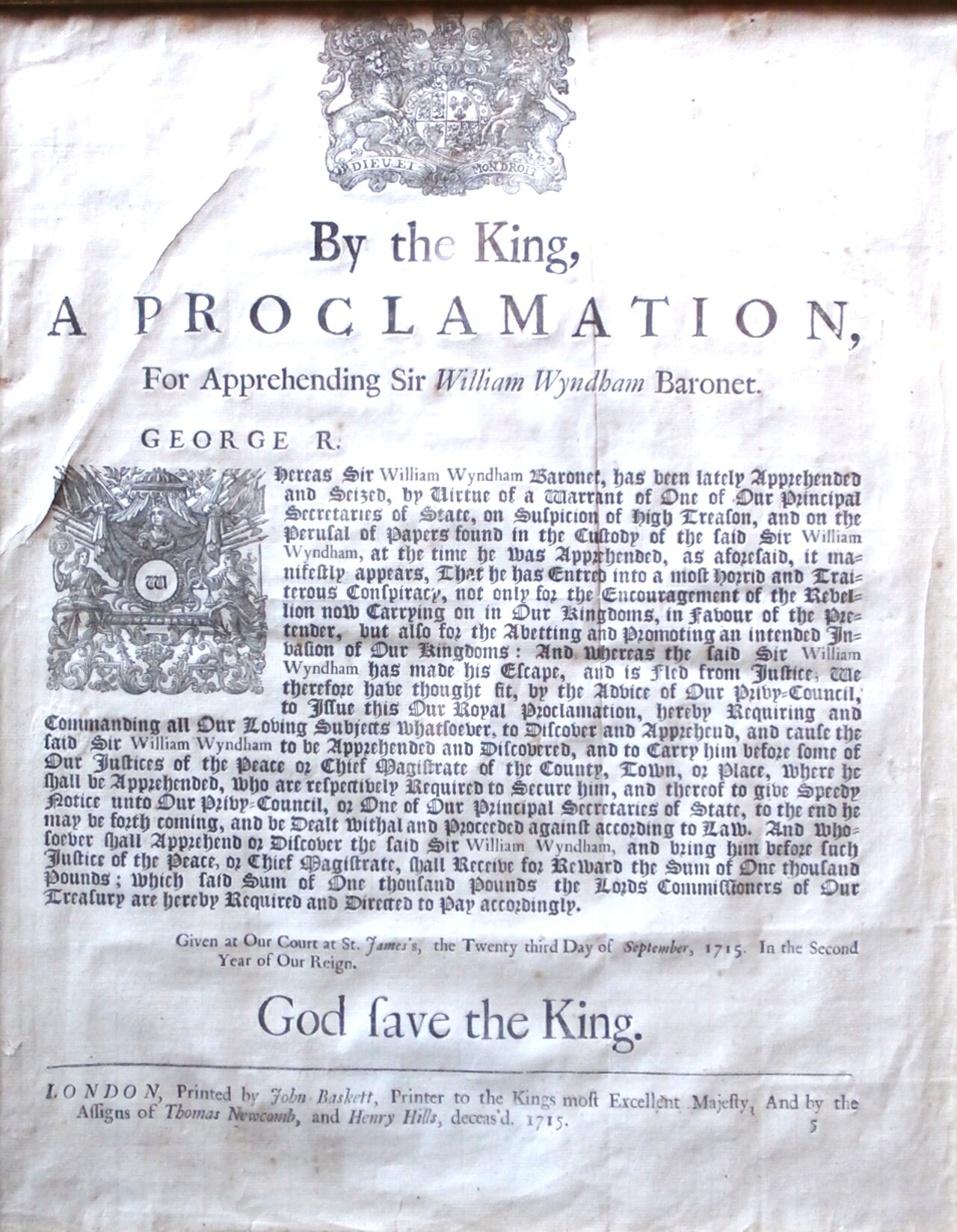
Royal Proclamation for the Arrest of Sir William Wyndham
23 September 1715
Ready when you are
Start chatting with George I now.
20 messages free · No credit card · Available in 50+ languages.