


Primary sourceArtifact1716
St George's, Bloomsbury
Nicholas Hawksmoor · 1716
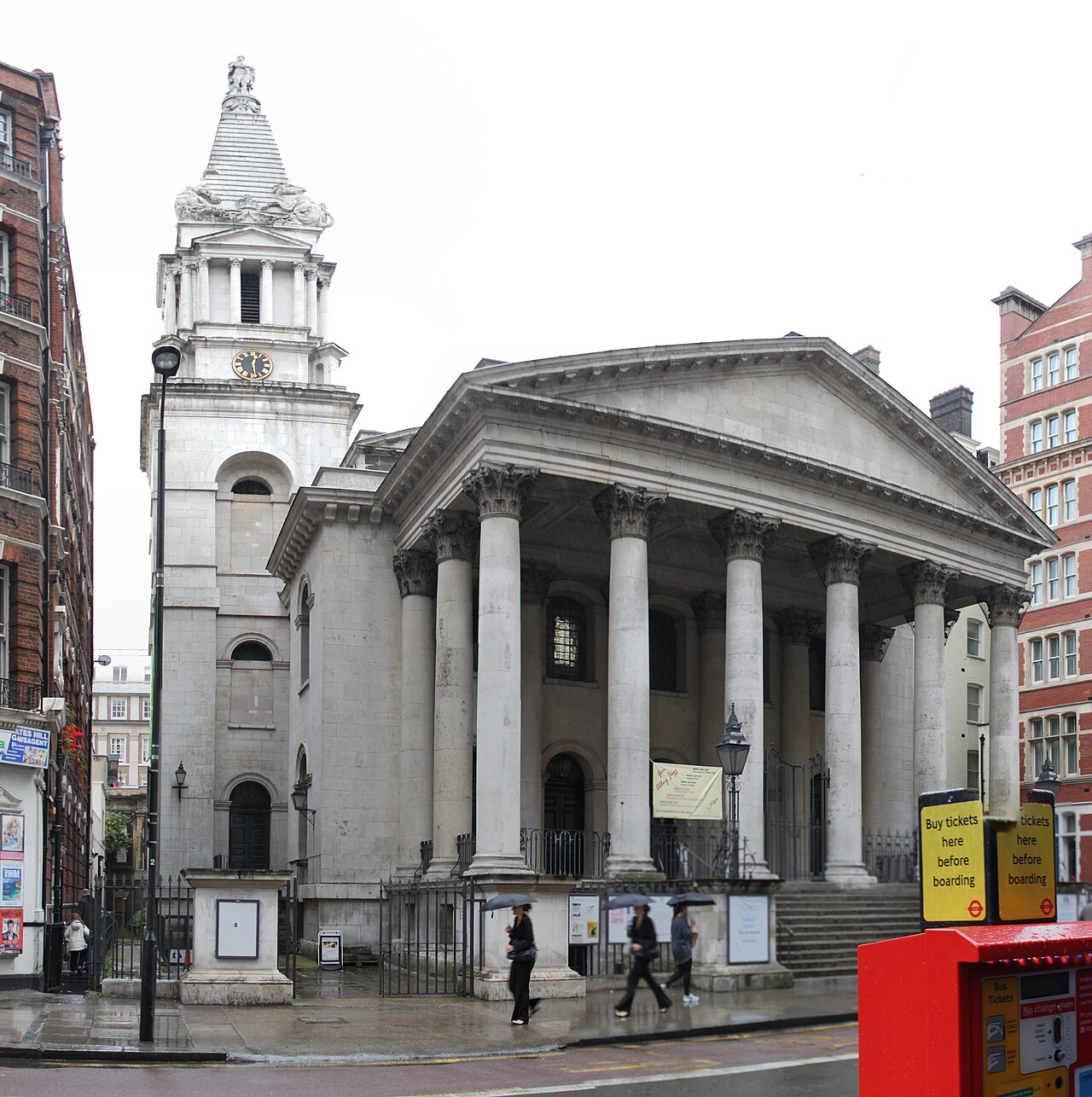
A London church designed by Nicholas Hawksmoor, its steeple topped with a statue of George I dressed as a Roman emperor.
This London church's tower is topped with a statue of George I in Roman dress, a lasting public monument to the king.
About this source
What it is
St George's, Bloomsbury is a parish church designed by Nicholas Hawksmoor, built between 1716 and 1731 and consecrated in 1730. Its stepped tower, inspired by an ancient description of the Mausoleum at Halicarnassus, is crowned by a statue of King George I dressed in Roman clothing. Statues of fighting lions and unicorns on the tower refer to the recent defeat of the Jacobite rising.
Why it matters
The church was one of fifty new churches commissioned to serve London's growing population, and Hawksmoor, a pupil of Christopher Wren, designed it as his last London church. Placing the king's statue in Roman dress atop the tower linked George I to the authority of ancient emperors, while the lions and unicorns celebrated the survival of his new dynasty against rebellion.
Look closer
- Why might the architect have dressed George I as a Roman emperor rather than in contemporary royal clothes?
- What do the lion and unicorn statues tell you about recent political events?
- Why put a statue of the king on a church rather than a palace or government building?
This artifact is part of the curated material that grounds the AI version of George I on Humy.ai — when students ask about related events, the AI can quote it and cite it.
More George I sources
Meet the AI George I →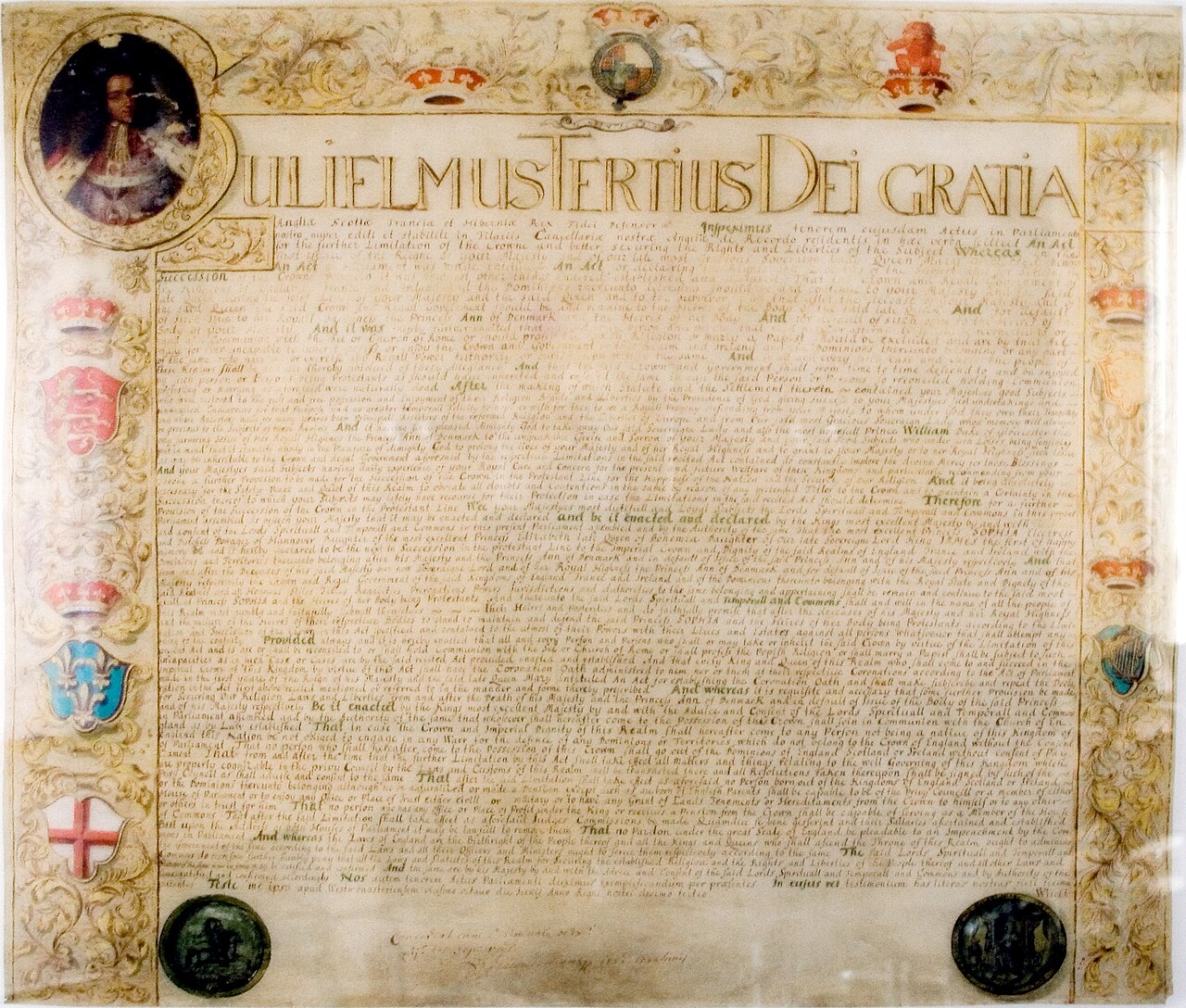 Document
Primary source
Act of Settlement 1701
1701
 Painting
Primary source
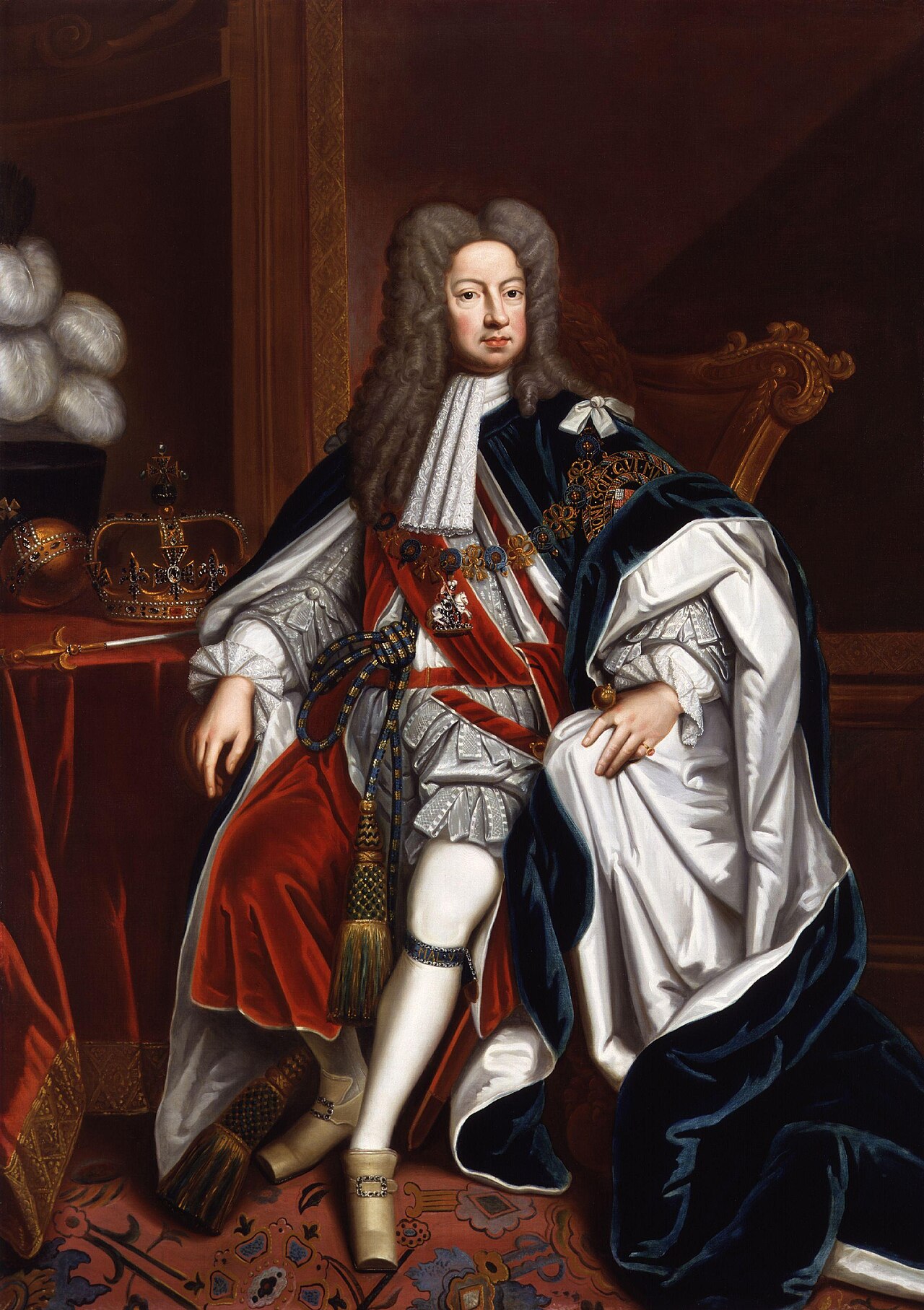
Portrait of George I of Great Britain
Godfrey Kneller
Secondary source
Water Music
George Frideric Handel · 1717
Primary source
Septennial Act 1715
1716
 Document
Primary source
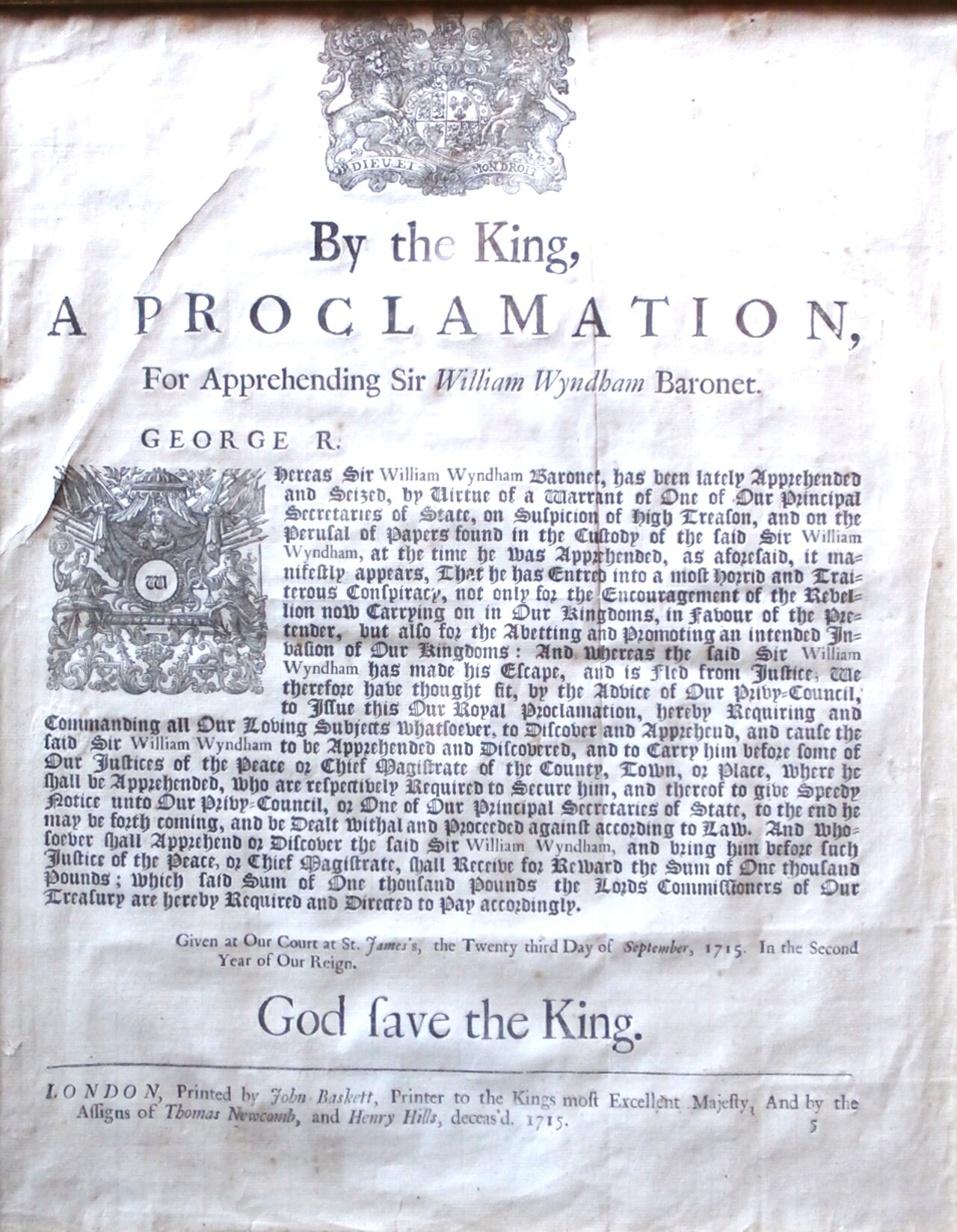
Royal Proclamation for the Arrest of Sir William Wyndham
23 September 1715
Ready when you are
Start chatting with George I now.
20 messages free · No credit card · Available in 50+ languages.