


Primary sourceArtifact
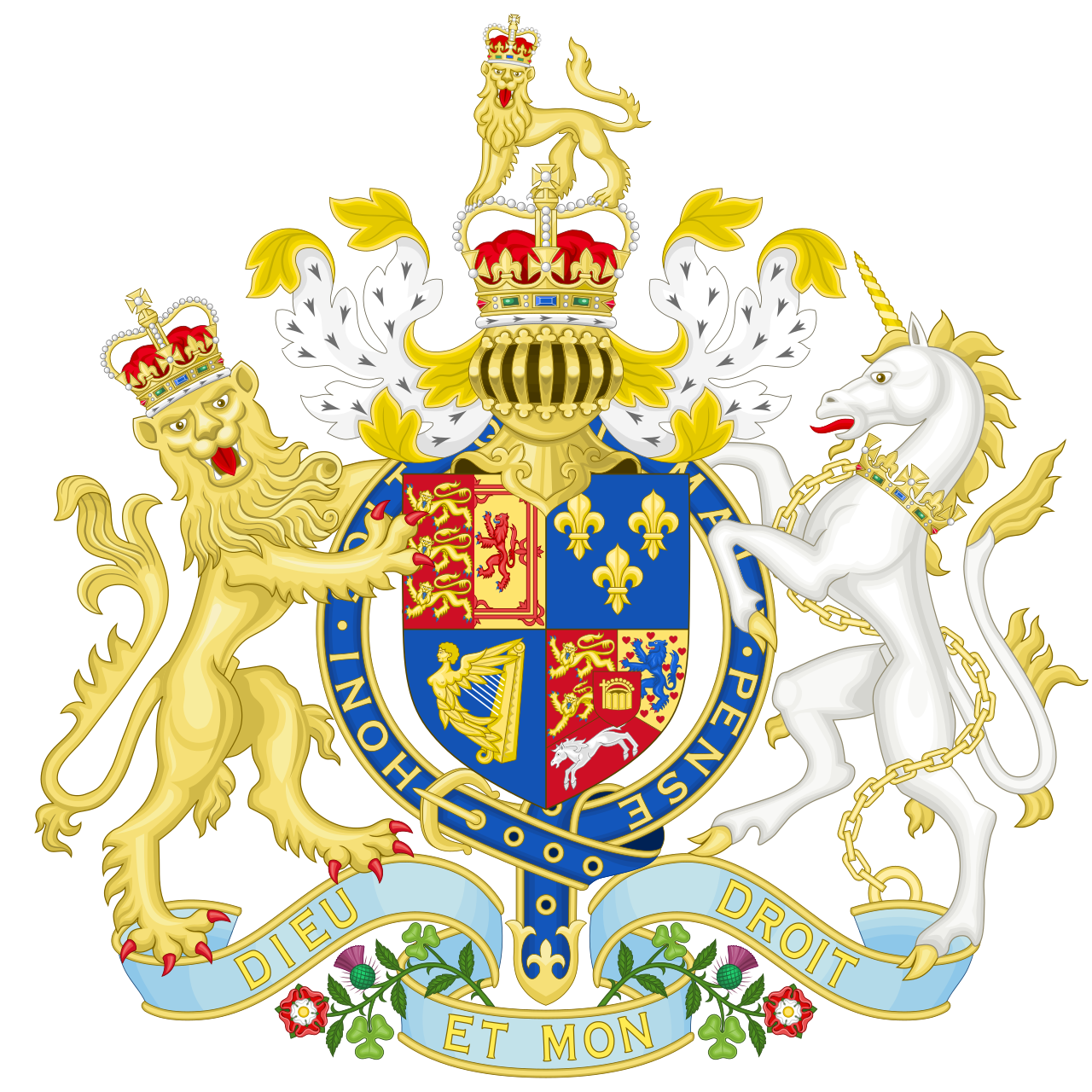
Coat of Arms of George I of Great Britain
The royal coat of arms adopted at George I's accession, combining English, Scottish, French, Irish and Hanoverian symbols.
These are the royal arms adopted when George I became king, joining Hanover's symbols with those of Britain.
About this source
What it is
This heraldic drawing shows the coat of arms used by George I (and later by George II and George III) from 1714. It features a gold lion and white unicorn as supporters, a crowned lion crest, a quartered shield representing England, Scotland, France and Ireland, and a fourth section added for Brunswick, Lüneburg and Hanover, with the motto 'Dieu et mon droit'.
Why it matters
This design visibly joined George's new British kingdom with his family's German territories, making clear that the crown now belonged to a Hanoverian ruler. It shows how heraldry was used to announce a change of dynasty and to assert the king's claims and titles across different lands.
Look closer
- Why do you think a new quarter was added for Hanover rather than removing an old one?
- What might the choice of a lion and a unicorn as supporters mean?
- What does this coat of arms tell you about how rulers used symbols to claim authority over multiple territories?
This artifact is part of the curated material that grounds the AI version of George I on Humy.ai — when students ask about related events, the AI can quote it and cite it.
More George I sources
Meet the AI George I →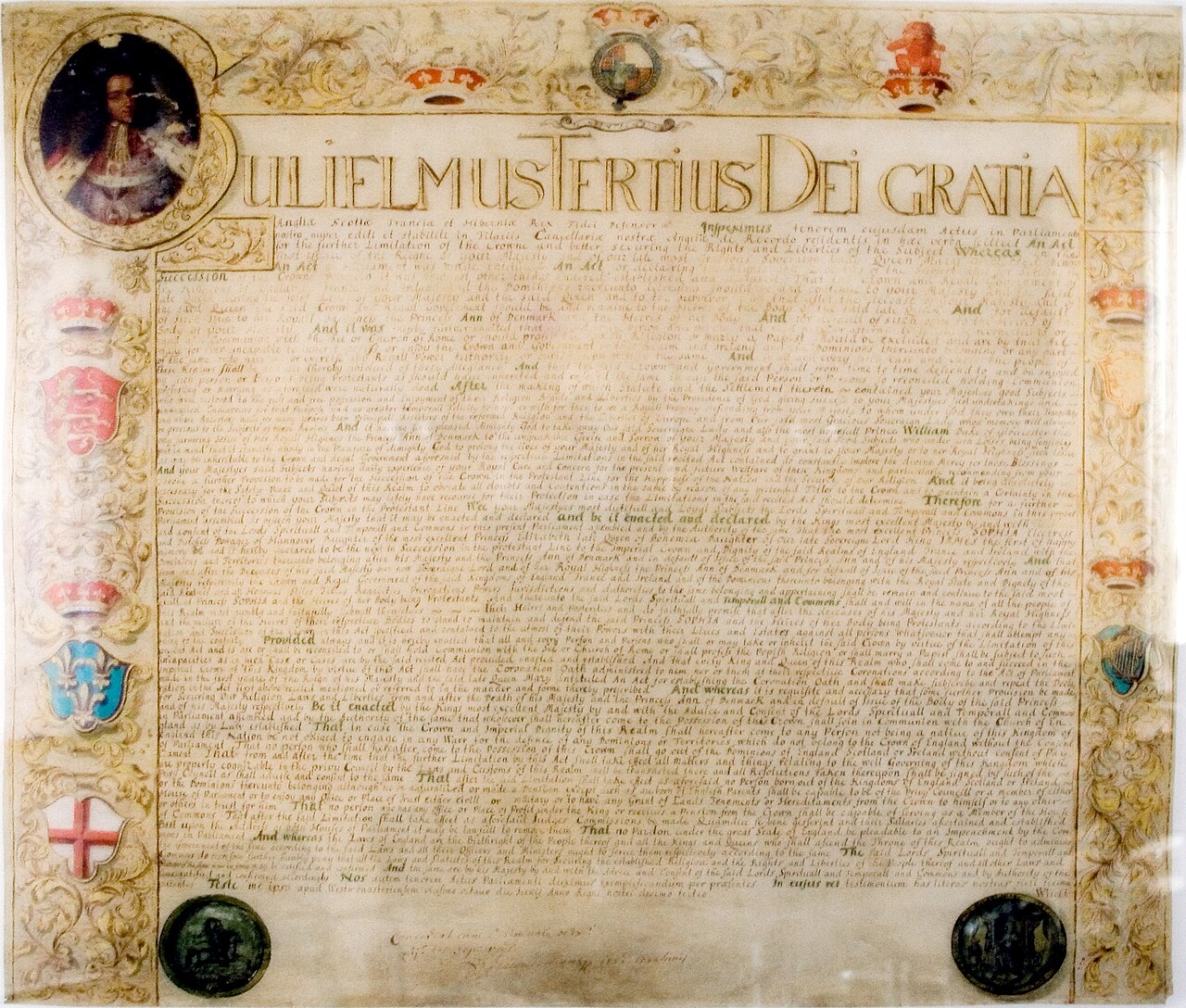 Document
Primary source
Act of Settlement 1701
1701
 Painting
Primary source
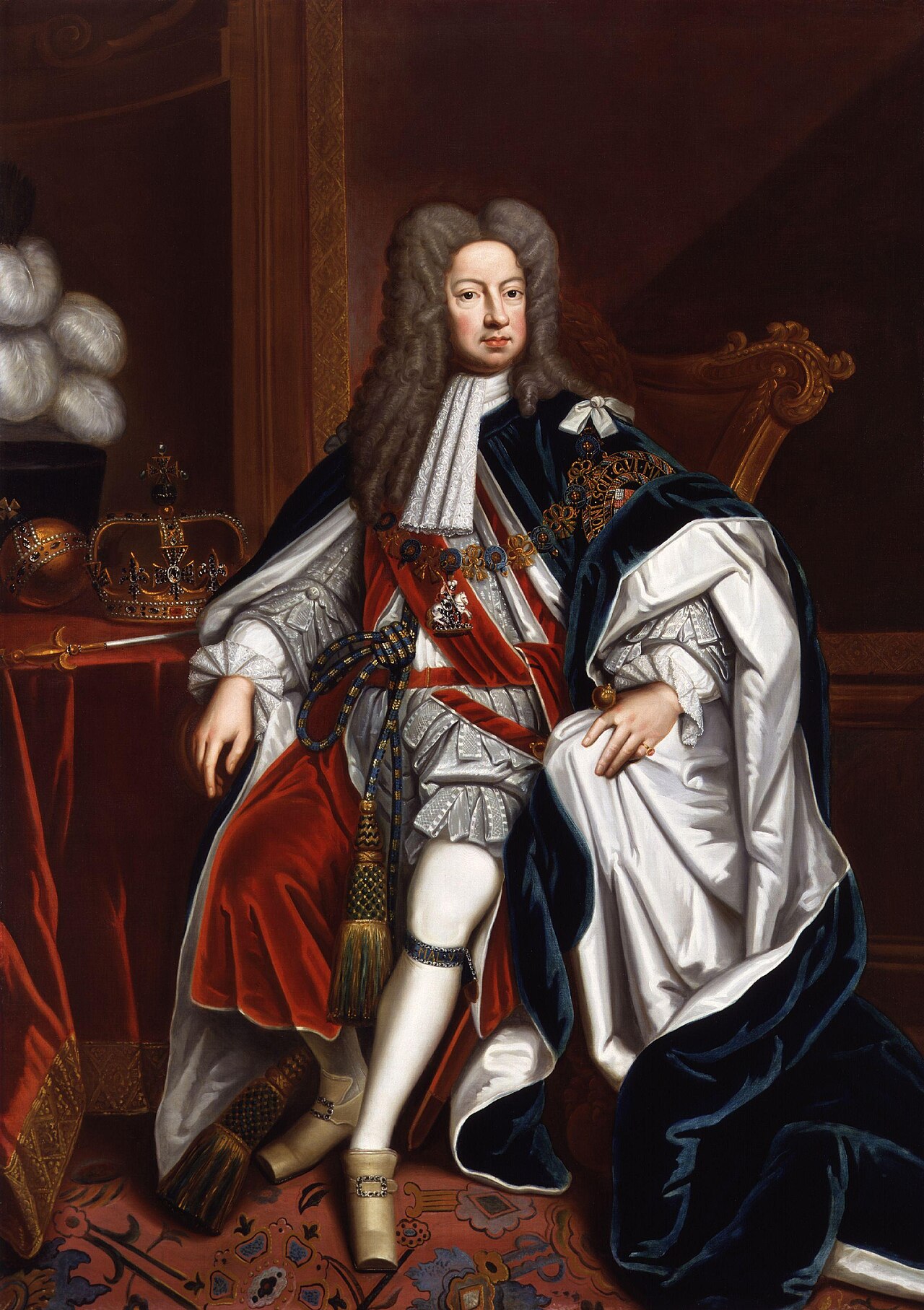
Portrait of George I of Great Britain
Godfrey Kneller
Secondary source
Water Music
George Frideric Handel · 1717
Primary source
Septennial Act 1715
1716
 Document
Primary source
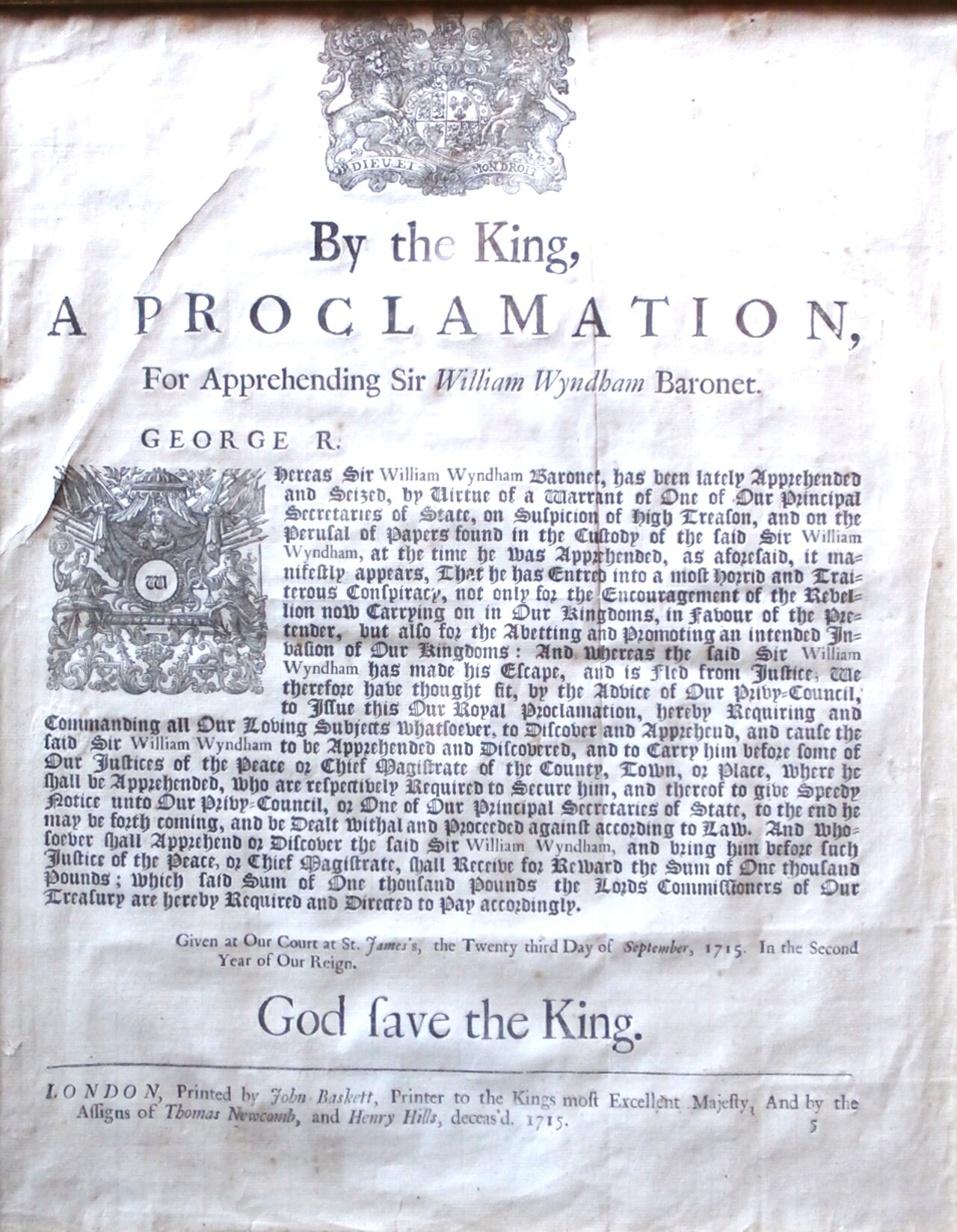
Royal Proclamation for the Arrest of Sir William Wyndham
23 September 1715
Ready when you are
Start chatting with George I now.
20 messages free · No credit card · Available in 50+ languages.