


Primary sourceDocument1723
Black Act 1723
Parliament of Great Britain · 1723
A harsh criminal law passed during George I's reign that added about fifty new capital offences in response to poaching raids.
This law, part of the 'Bloody Code', was enacted during George I's reign and shows the harsh justice system of his era.
About this source
What it is
The Black Act was passed by the Parliament of Great Britain in 1723, during the reign of George I. It responded to armed raids by groups of poachers known as 'Blacks', who disguised themselves by blackening their faces. The act created many new capital crimes, including offences like burning haystacks.
Why it matters
This law is a key example of Britain's 'Bloody Code', the growing list of crimes punishable by death in the 18th century. Passed under George I's rule, it shows how the state responded to social unrest and property crime with harsh punishment rather than other remedies.
Look closer
- Why might disguising one's face have been treated as especially threatening by lawmakers?
- What does the long list of new capital crimes suggest about who the law was meant to protect?
- Who would have been most affected by this act, and who passed it?
This document is part of the curated material that grounds the AI version of George I on Humy.ai — when students ask about related events, the AI can quote it and cite it.
More George I sources
Meet the AI George I →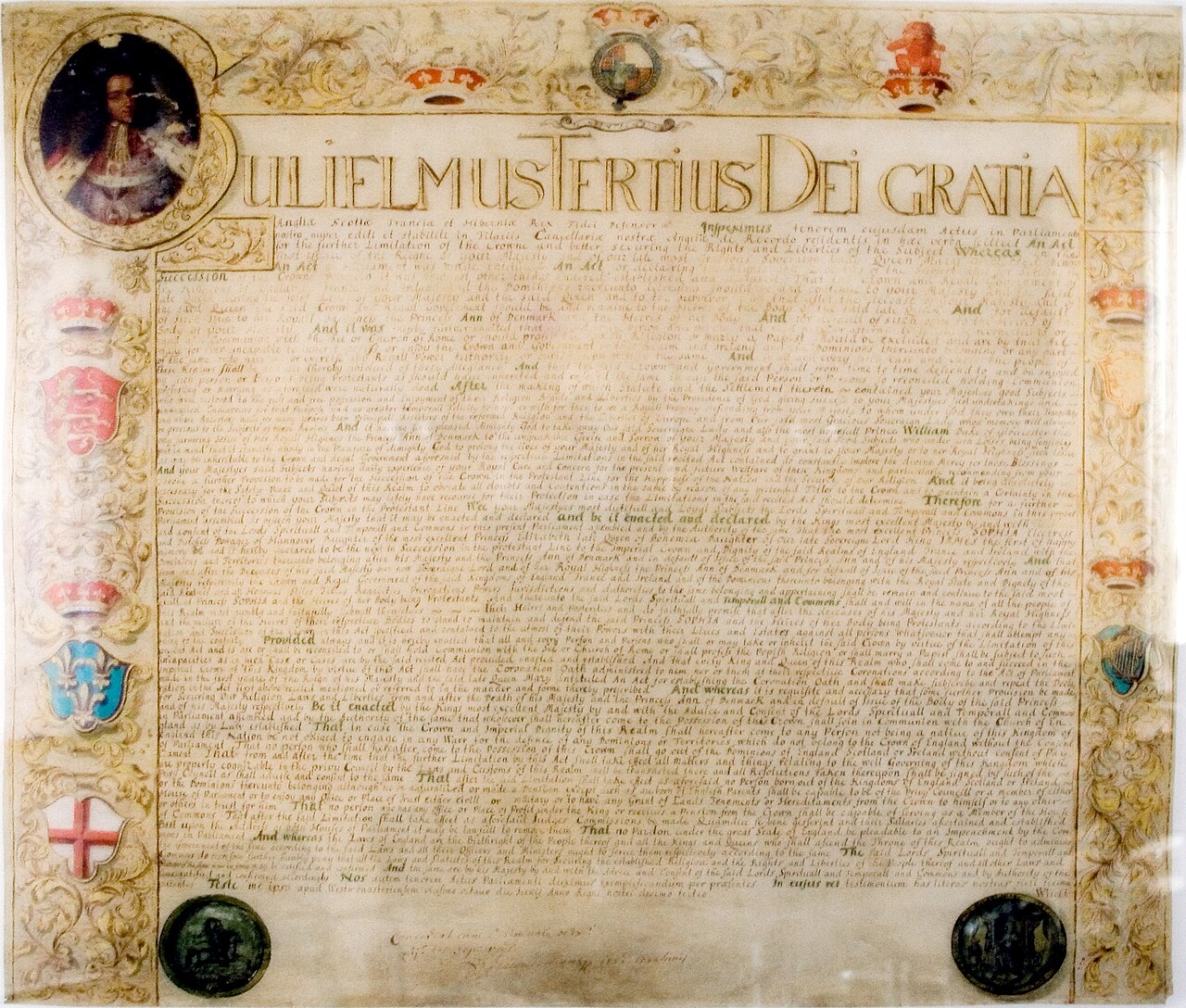 Document
Primary source
Act of Settlement 1701
1701
 Painting
Primary source
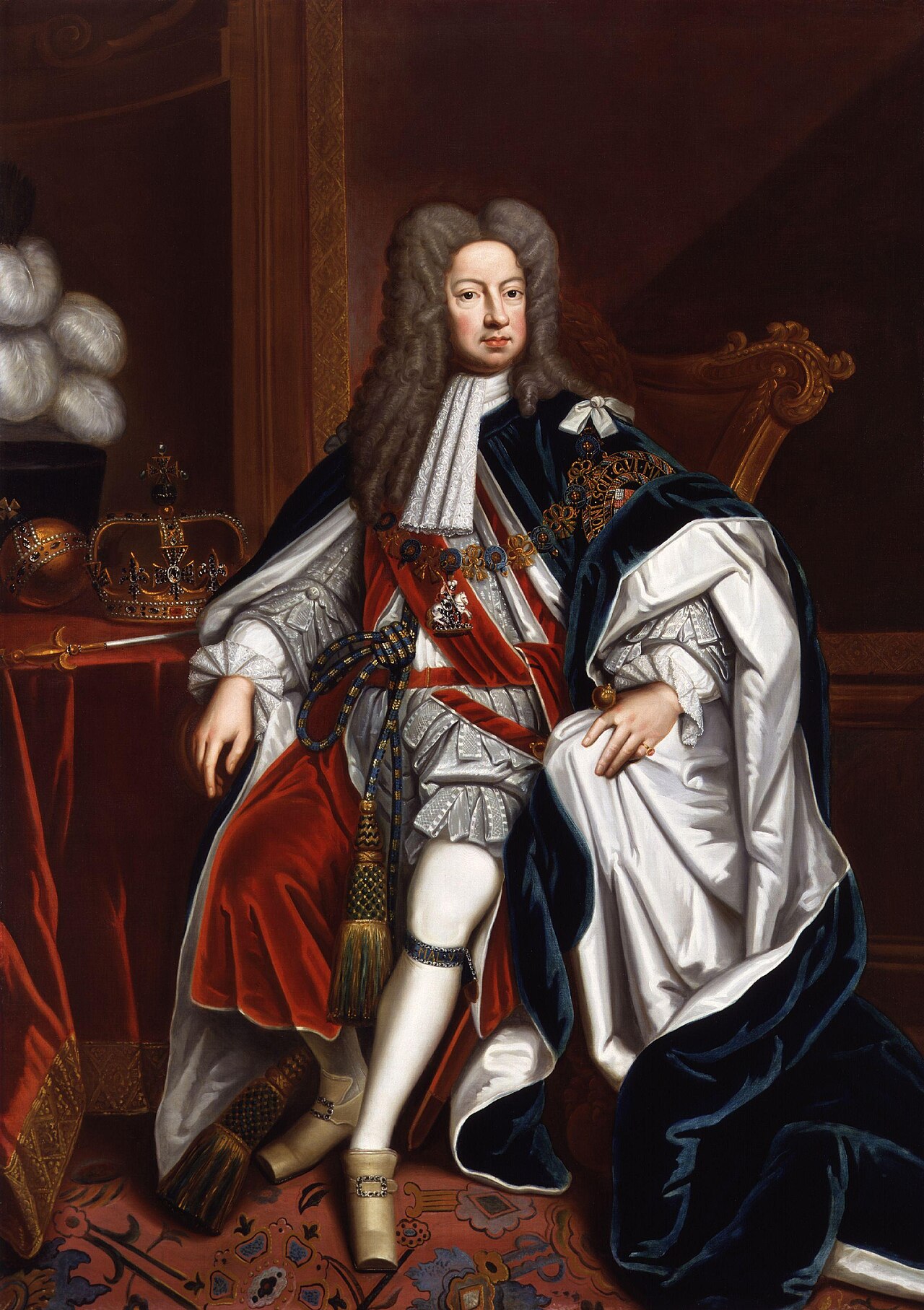
Portrait of George I of Great Britain
Godfrey Kneller
Secondary source
Water Music
George Frideric Handel · 1717
Primary source
Septennial Act 1715
1716
 Document
Primary source
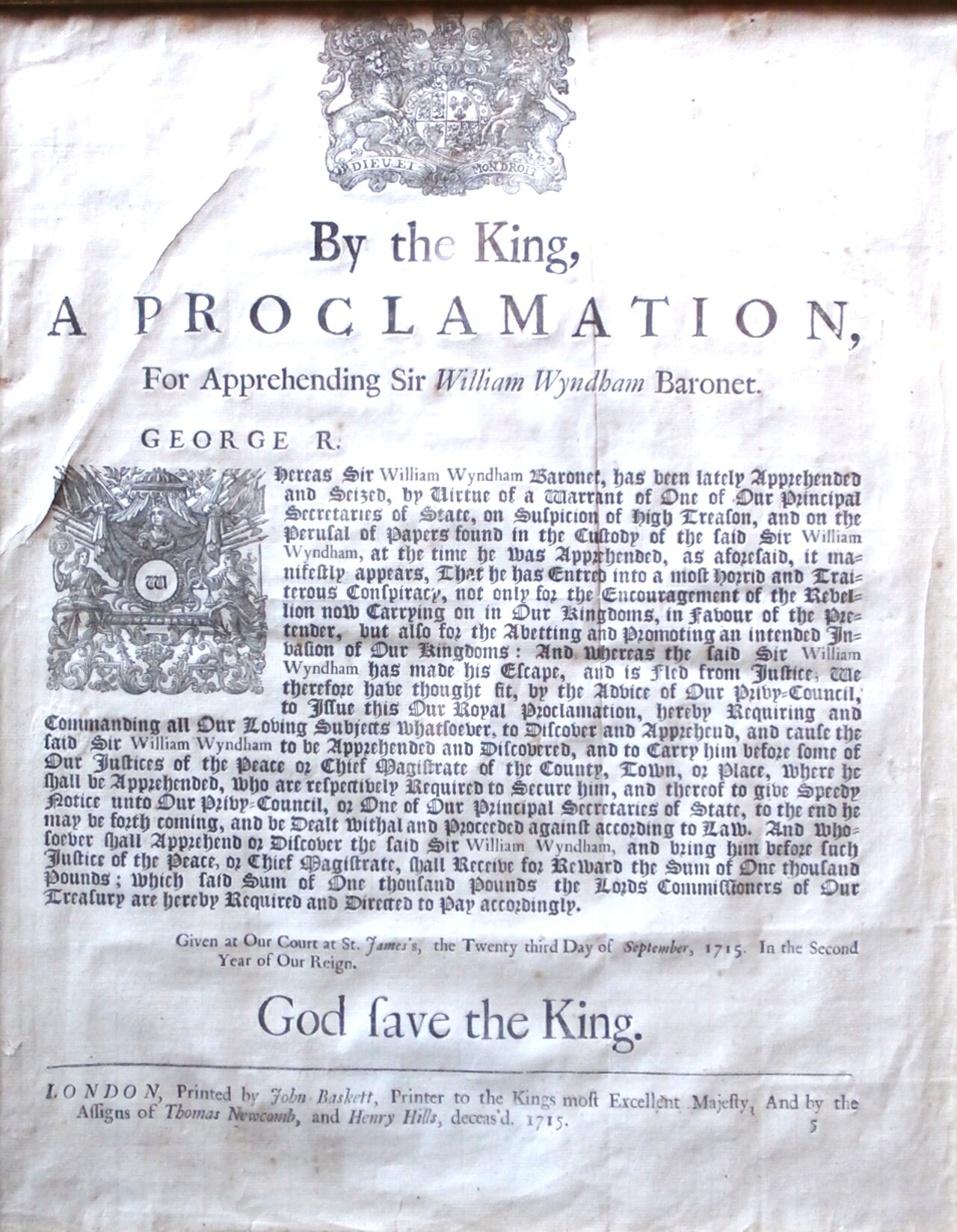
Royal Proclamation for the Arrest of Sir William Wyndham
23 September 1715
Ready when you are
Start chatting with George I now.
20 messages free · No credit card · Available in 50+ languages.