


Primary sourceSculpture
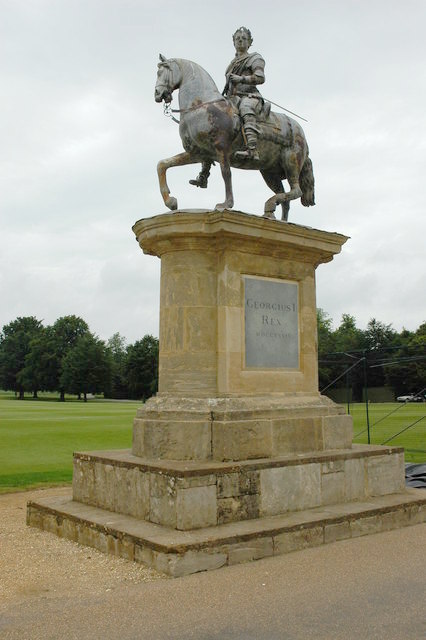
Equestrian Statue of George I at Stowe
Andries Carpentière
A lifetime bronze statue of George I on horseback, erected at Stowe House by the Whig Lord Cobham to show loyalty to the new Hanoverian king.
This lifetime statue of George I, raised by a loyal Whig lord, shows his image used to display political allegiance.
About this source
What it is
This bronze equestrian statue of George I was made by Andries Carpentière and stands on a tall stone pedestal outside the north front of Stowe House, with the inscription 'GEORGIUS REX'.
Why it matters
The statue was put up by Lord Cobham, a powerful Whig politician, to publicly demonstrate his loyalty to the Hanoverian dynasty. It shows how aristocrats used art and architecture on their own estates to display political allegiance, and reveals the importance of visible royal support after George's contested accession.
Look closer
- Why would a nobleman put up a statue of the king on his own private estate rather than in a public place?
- What does the rearing horse pose suggest about how the king wanted to be seen?
- What does this tell you about the relationship between the monarchy and powerful Whig landowners at this time?
This sculpture is part of the curated material that grounds the AI version of George I on Humy.ai — when students ask about related events, the AI can quote it and cite it.
More George I sources
Meet the AI George I →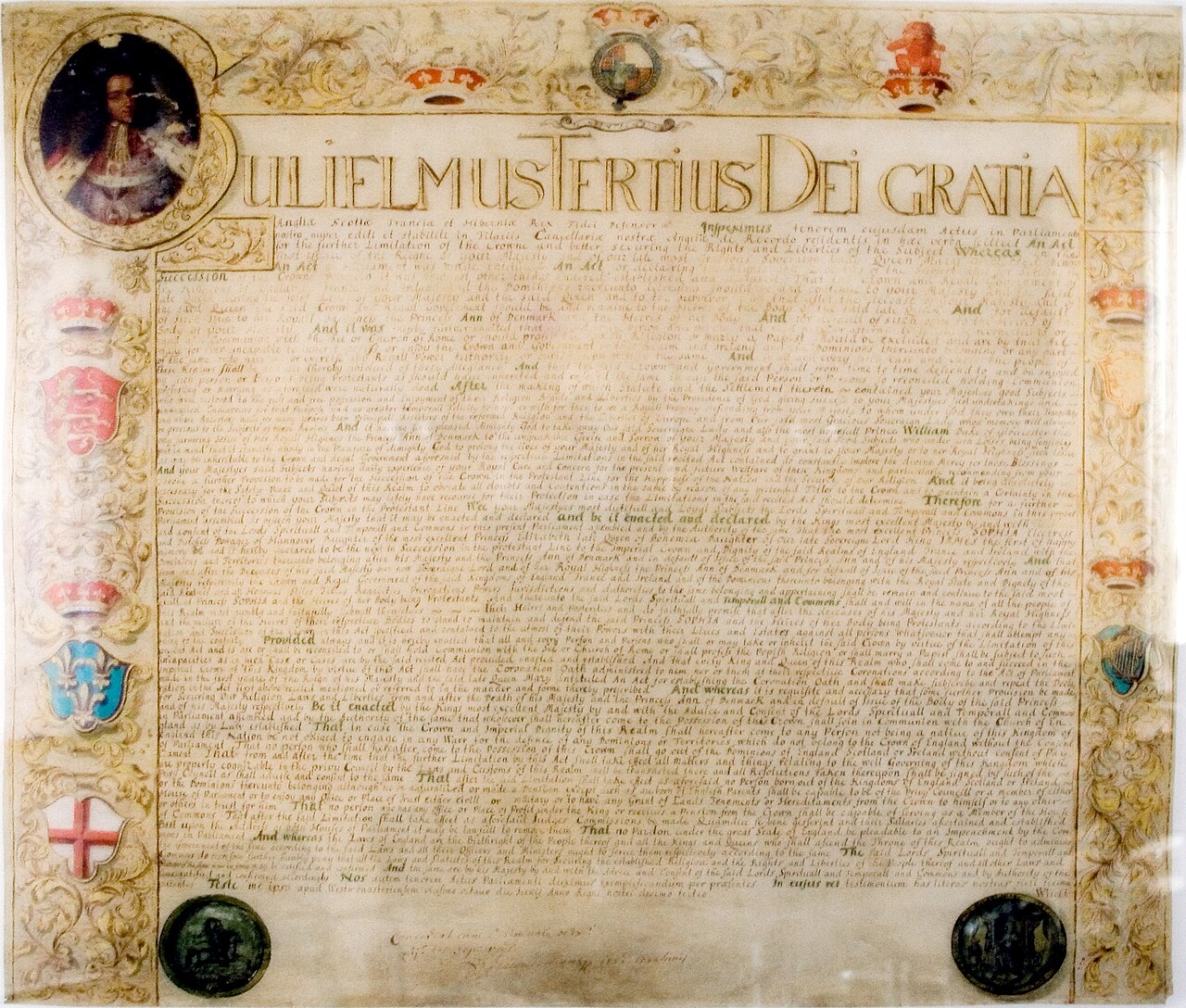 Document
Primary source
Act of Settlement 1701
1701
 Painting
Primary source
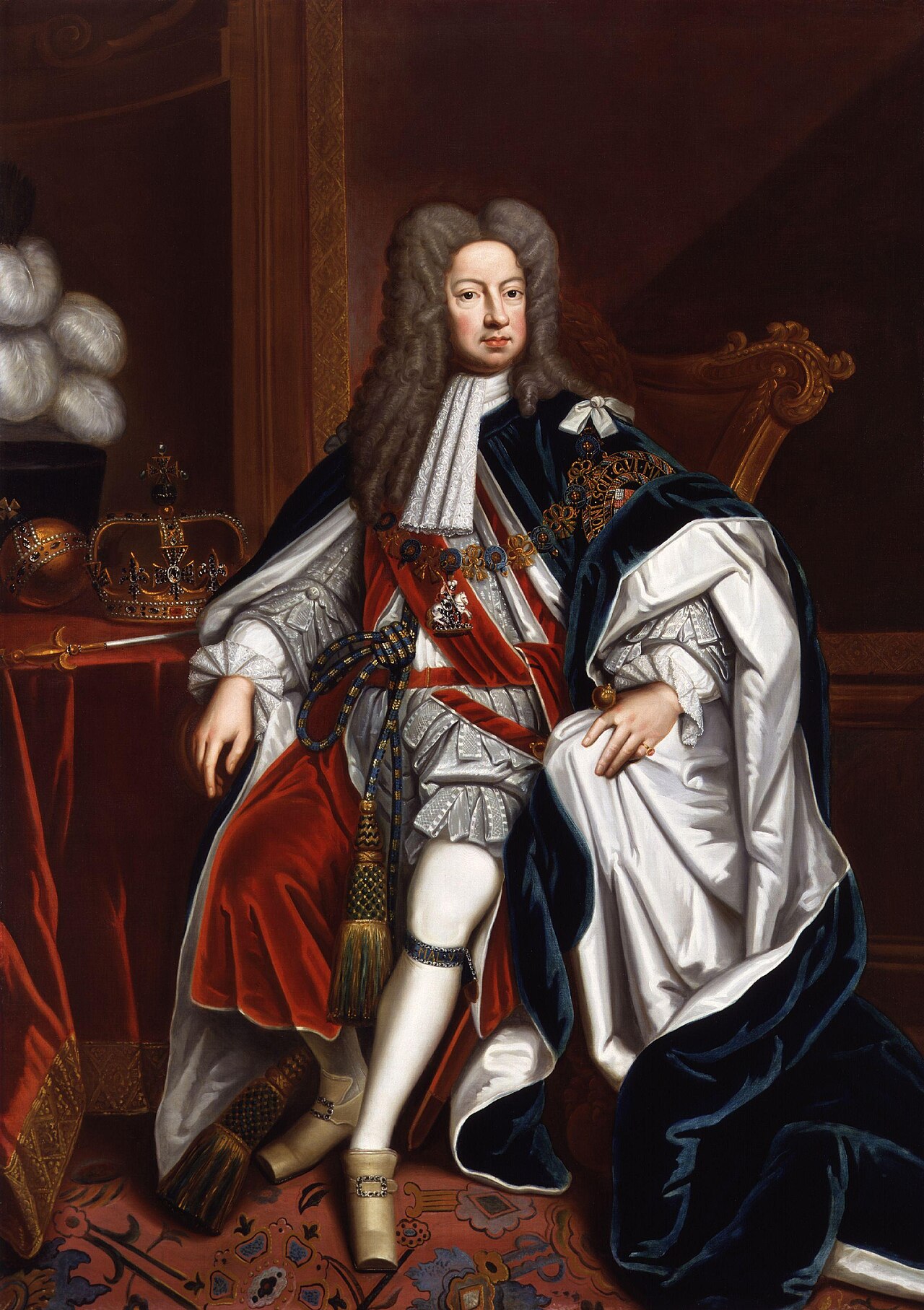
Portrait of George I of Great Britain
Godfrey Kneller
Secondary source
Water Music
George Frideric Handel · 1717
Primary source
Septennial Act 1715
1716
 Document
Primary source
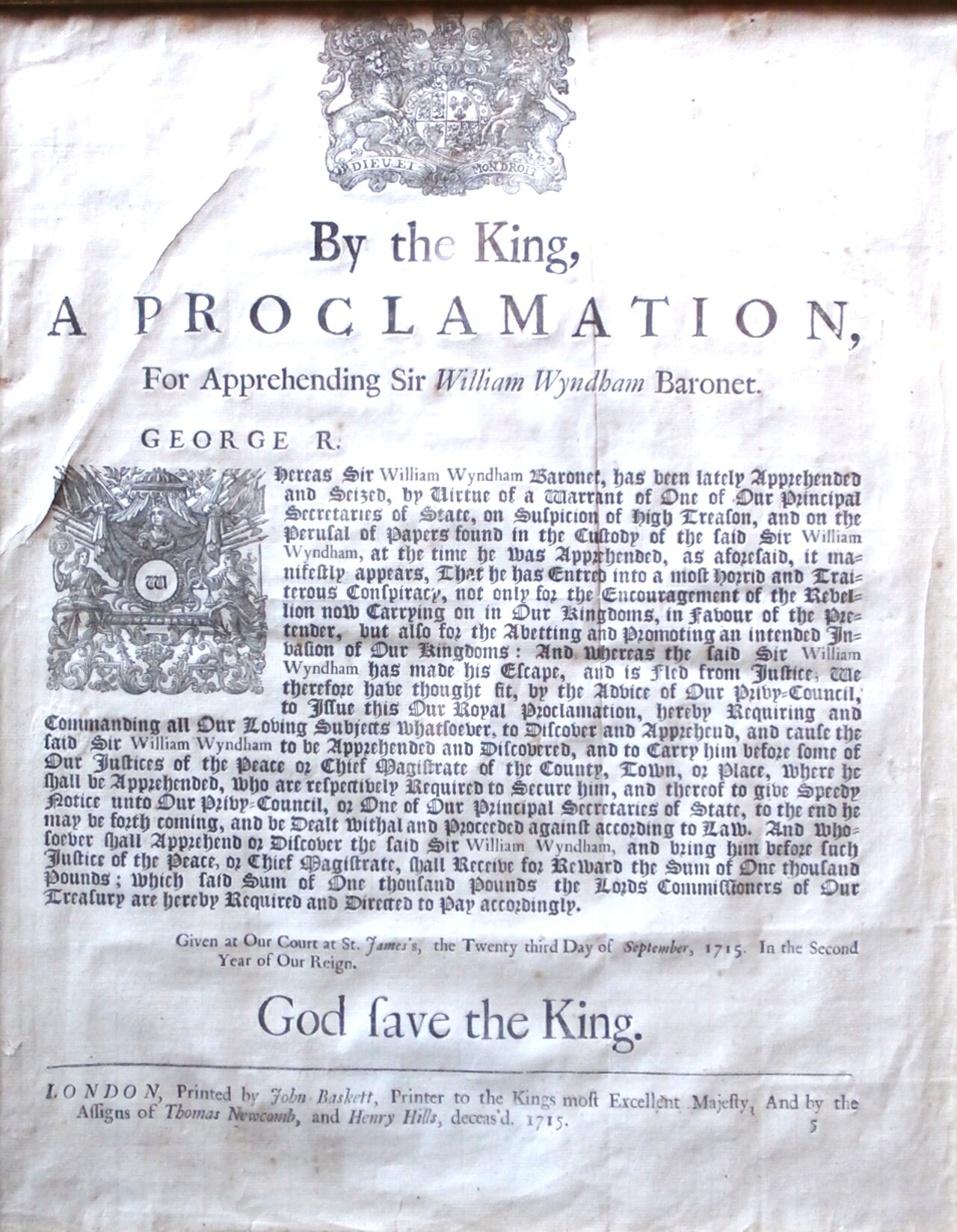
Royal Proclamation for the Arrest of Sir William Wyndham
23 September 1715
Ready when you are
Start chatting with George I now.
20 messages free · No credit card · Available in 50+ languages.