


Primary sourceDocument1699
Andreasbergische Freiheit 1699
George I of Great Britain · 1699
A 1699 mining charter issued by George, confirming the privileges of the silver-mining town of St. Andreasberg.
George issued this charter himself as Elector, confirming mining privileges in his Harz territory.
About this source
What it is
This is a document issued in 1699 by George Louis, Duke of Brunswick-Lüneburg and Elector of the Holy Roman Empire — later George I of Great Britain. It confirms long-standing mining privileges for the town of St. Andreasberg, first granted by earlier counts in 1521 and renewed by George's own predecessors.
Why it matters
Before he became King of Great Britain, George governed his German homeland of Hanover, where silver mining in the Harz mountains was an important source of wealth. This charter shows him acting in a very traditional princely role, protecting the rights and livelihoods of a mining community, and continuing policies set by his father and other ancestors.
Look closer
- Why might a ruler bother to confirm privileges that were already granted generations earlier?
- What does the formal, old-fashioned language of the document tell you about how rulers wanted to present their authority?
- What does this charter suggest about the kinds of concerns George had to deal with as Elector, separate from his later role as king?
This document is part of the curated material that grounds the AI version of George I on Humy.ai — when students ask about related events, the AI can quote it and cite it.
More George I sources
Meet the AI George I →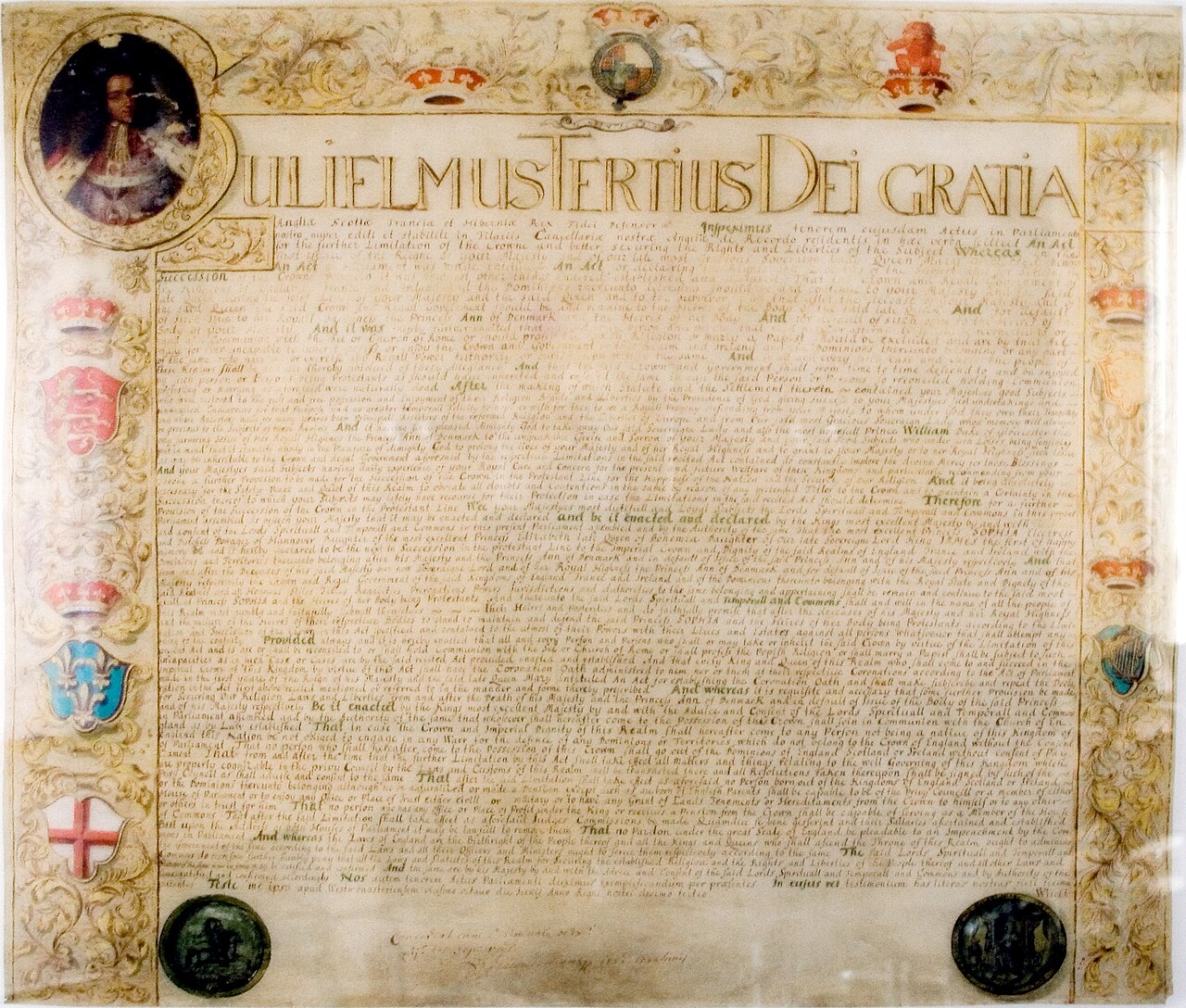 Document
Primary source
Act of Settlement 1701
1701
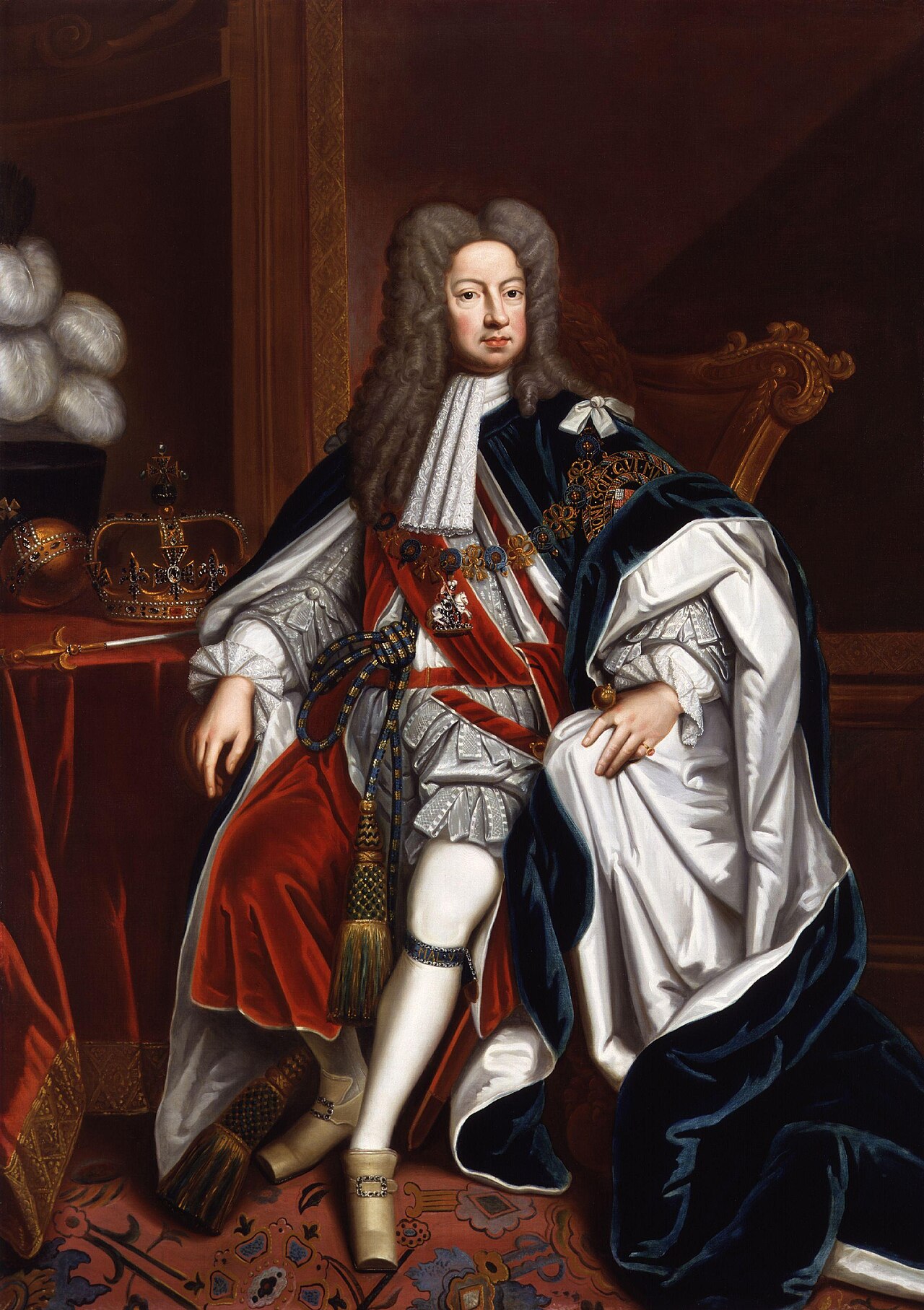 Painting
Primary source
Portrait of George I of Great Britain
Godfrey Kneller
Secondary source
Water Music
George Frideric Handel · 1717
Primary source
Septennial Act 1715
1716
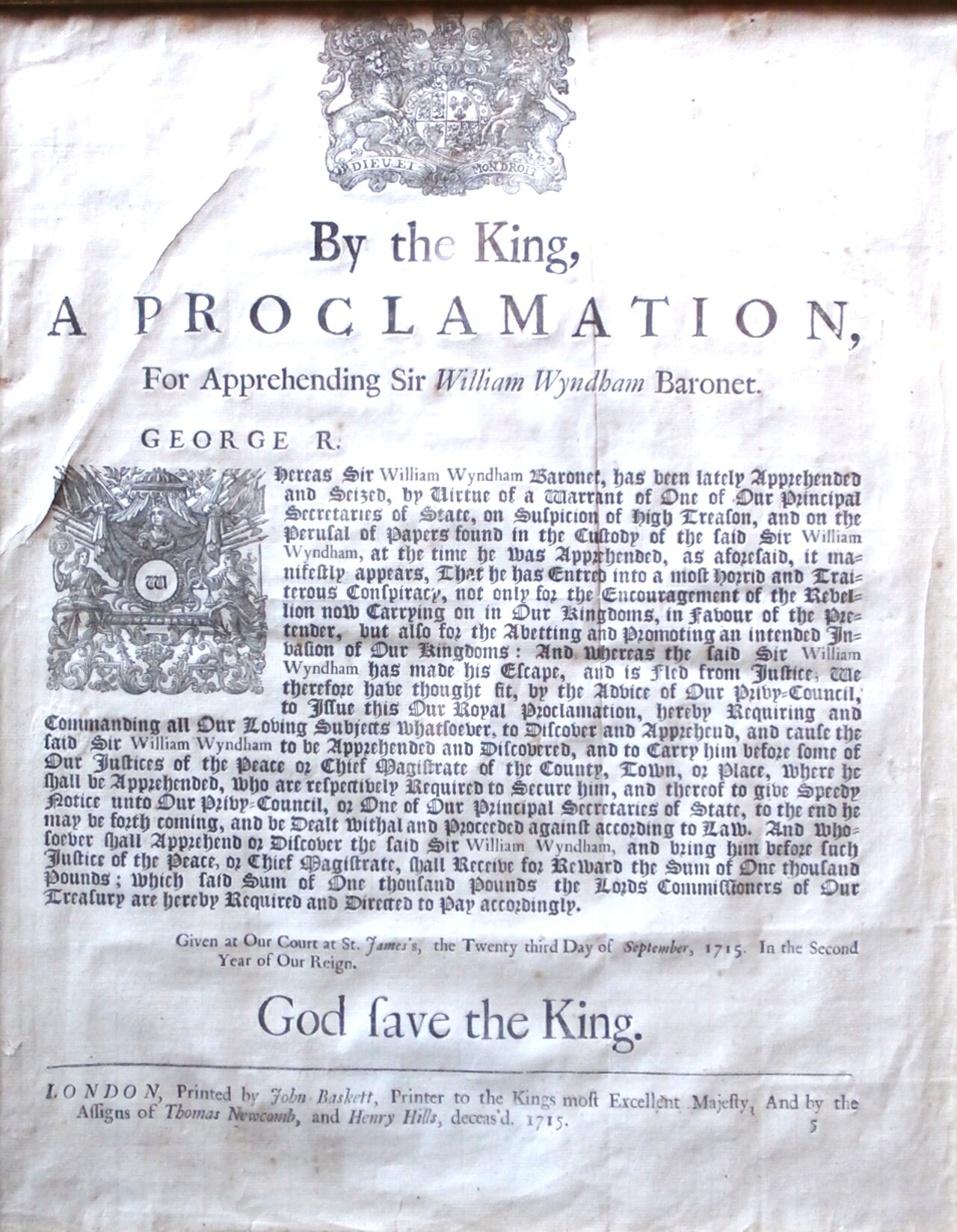 Document
Primary source
Royal Proclamation for the Arrest of Sir William Wyndham
23 September 1715
Ready when you are
Start chatting with George I now.
20 messages free · No credit card · Available in 50+ languages.