


Primary sourceArtifact1709
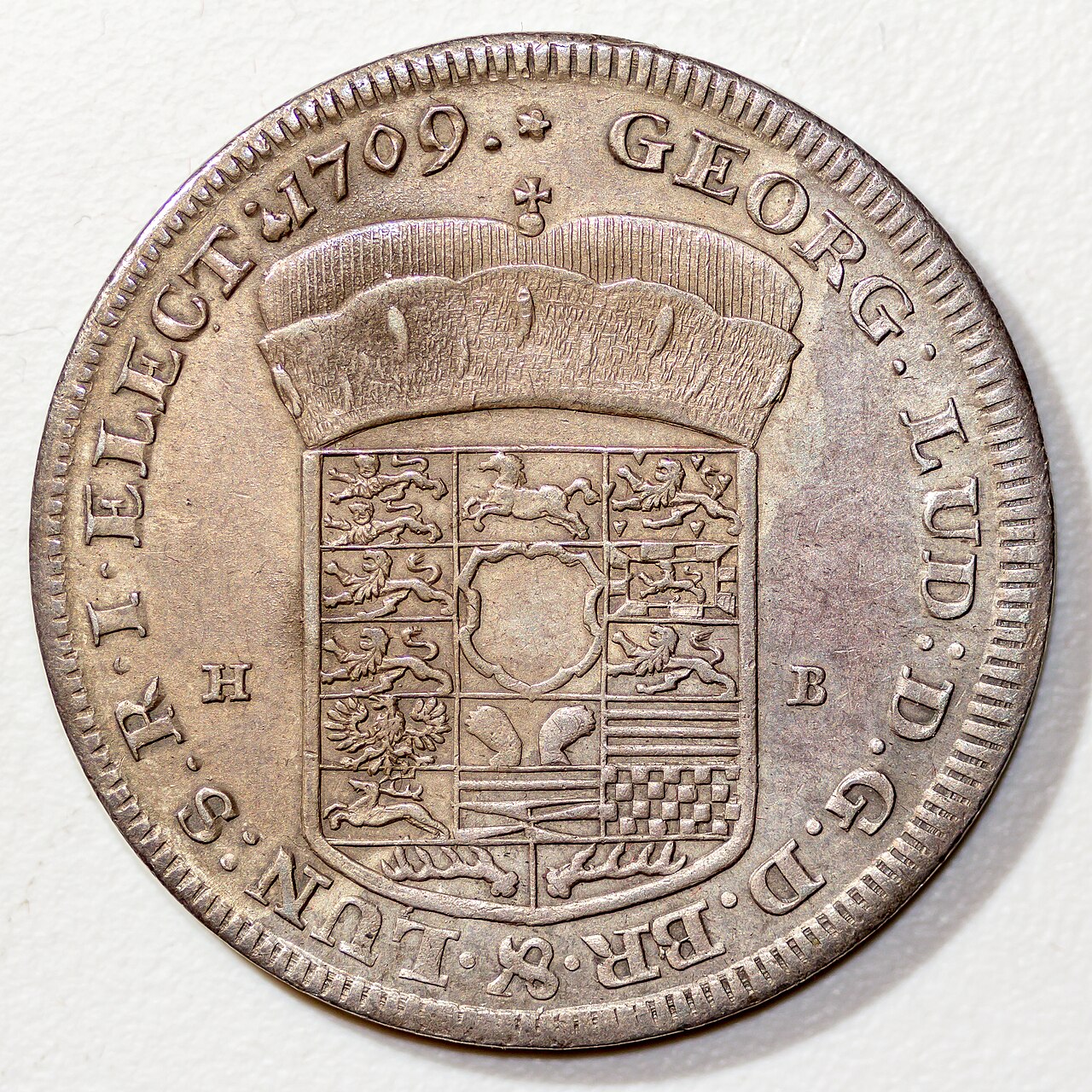
Thaler of Georg Ludwig, 1709 (obverse)
1709
A silver thaler struck in 1709 under Georg Ludwig as Elector of Hanover. It shows the coinage of the future King George I before he became king in Britain.
Shows George I under his earlier name, Georg Ludwig, as Elector of Hanover, before he ruled Britain.
About this source
What it is
This is the front (obverse) of a silver thaler struck in 1709. Its legend names Georg Ludwig, who ruled Hanover as Elector. The coin shows a crowned heraldic shield of quartered arms, with the mint marks H and B beside the shield. The image is a photograph uploaded to Wikimedia Commons, and the coin is catalogued there as Welter 2138. The maker of the coin is not named in the facts.
Why it matters
Before he became King of Great Britain in 1714, George was already a ruler with his own coinage. Coins were a practical way for a ruler to announce his name, title and authority in everyday trade. This coin reminds students that the later British king had a earlier career as a German prince.
Look closer
- Which words and symbols on the coin show who is in charge?
- Why might a ruler put his name, title and arms on money?
- What does a single coin not tell us about how ordinary people used it?
This artifact is part of the curated material that grounds the AI version of George I on Humy.ai — when students ask about related events, the AI can quote it and cite it.
More George I sources
Meet the AI George I →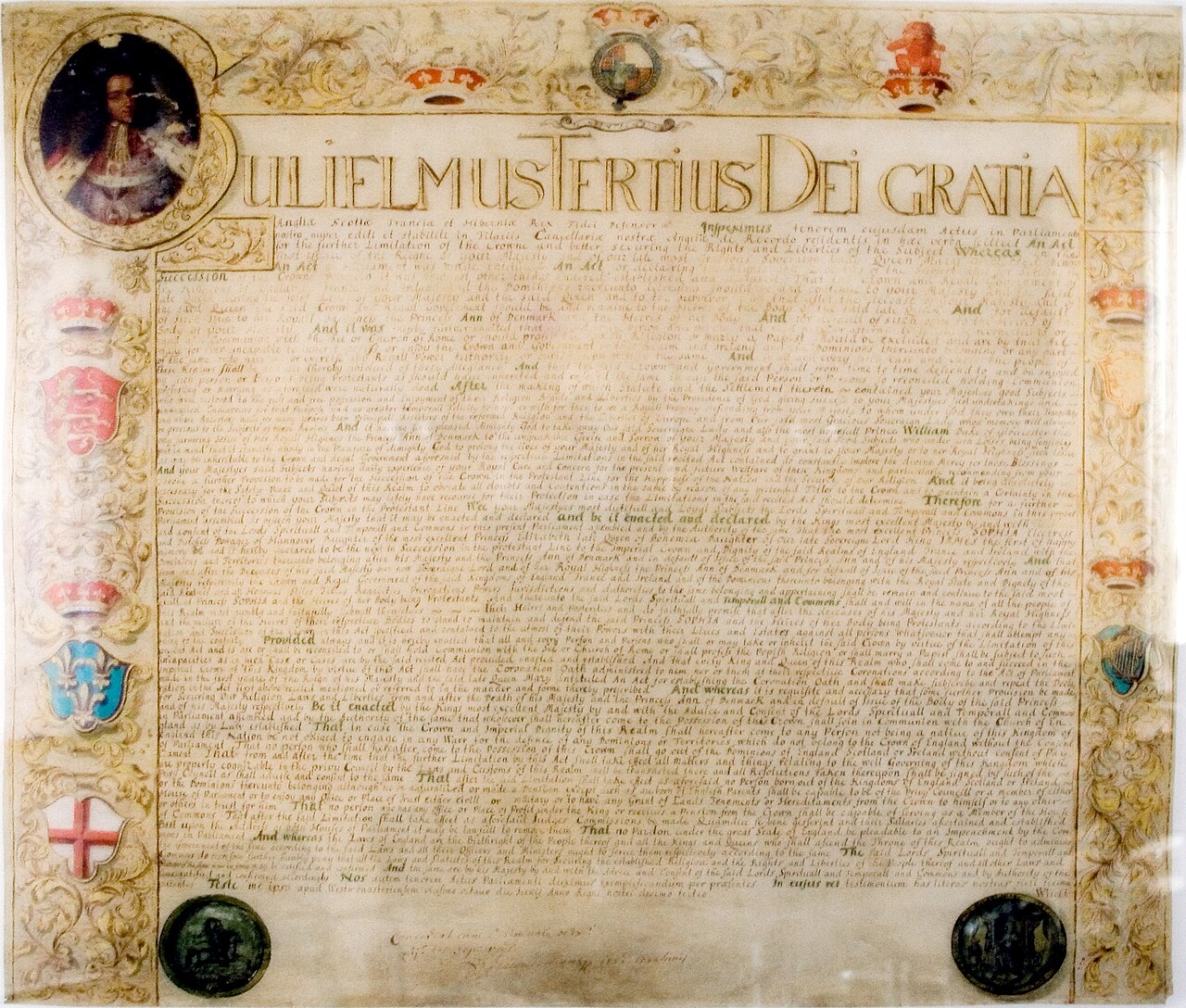 Document
Primary source
Act of Settlement 1701
1701
 Painting
Primary source
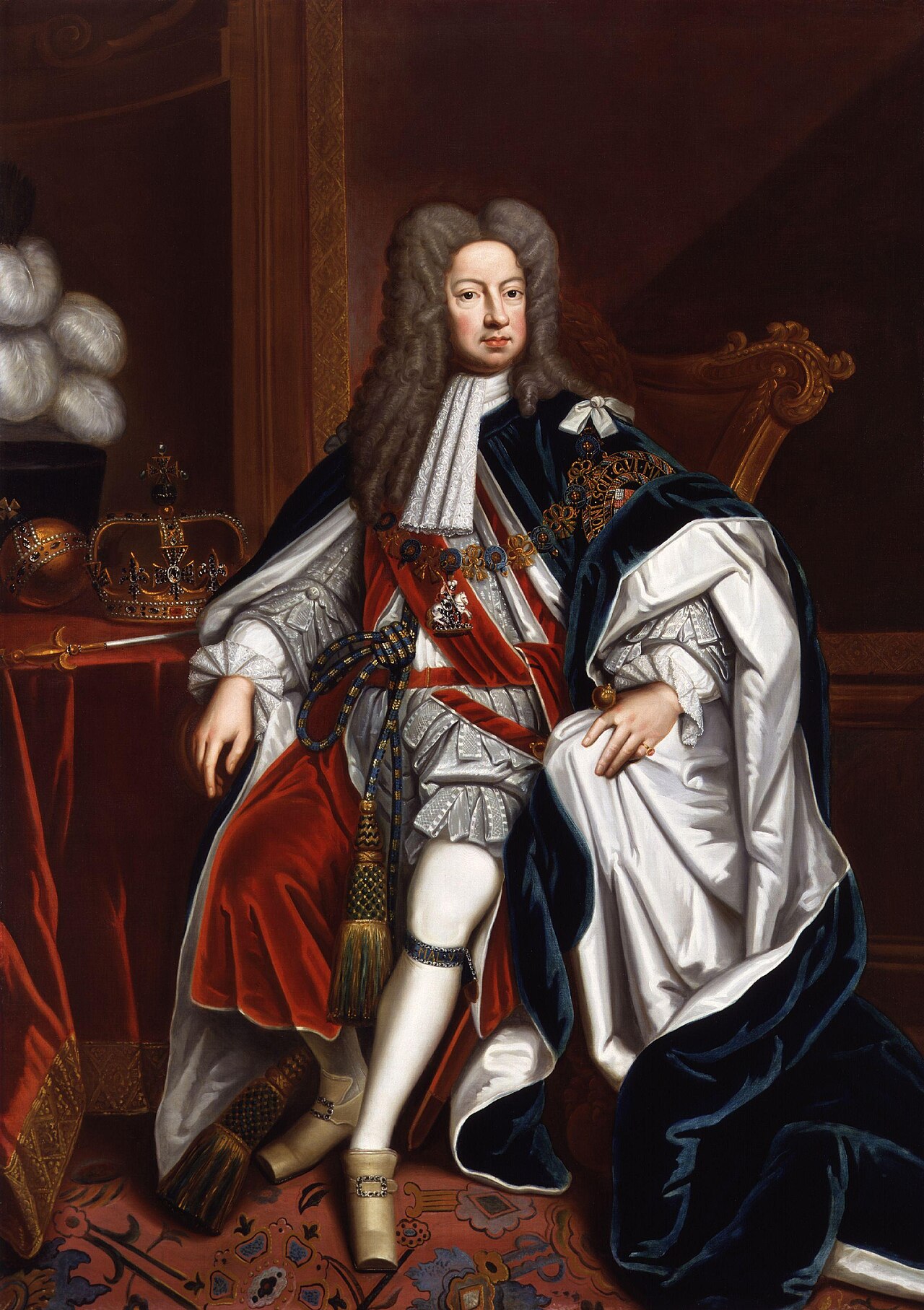
Portrait of George I of Great Britain
Godfrey Kneller
Secondary source
Water Music
George Frideric Handel · 1717
Primary source
Septennial Act 1715
1716
 Document
Primary source
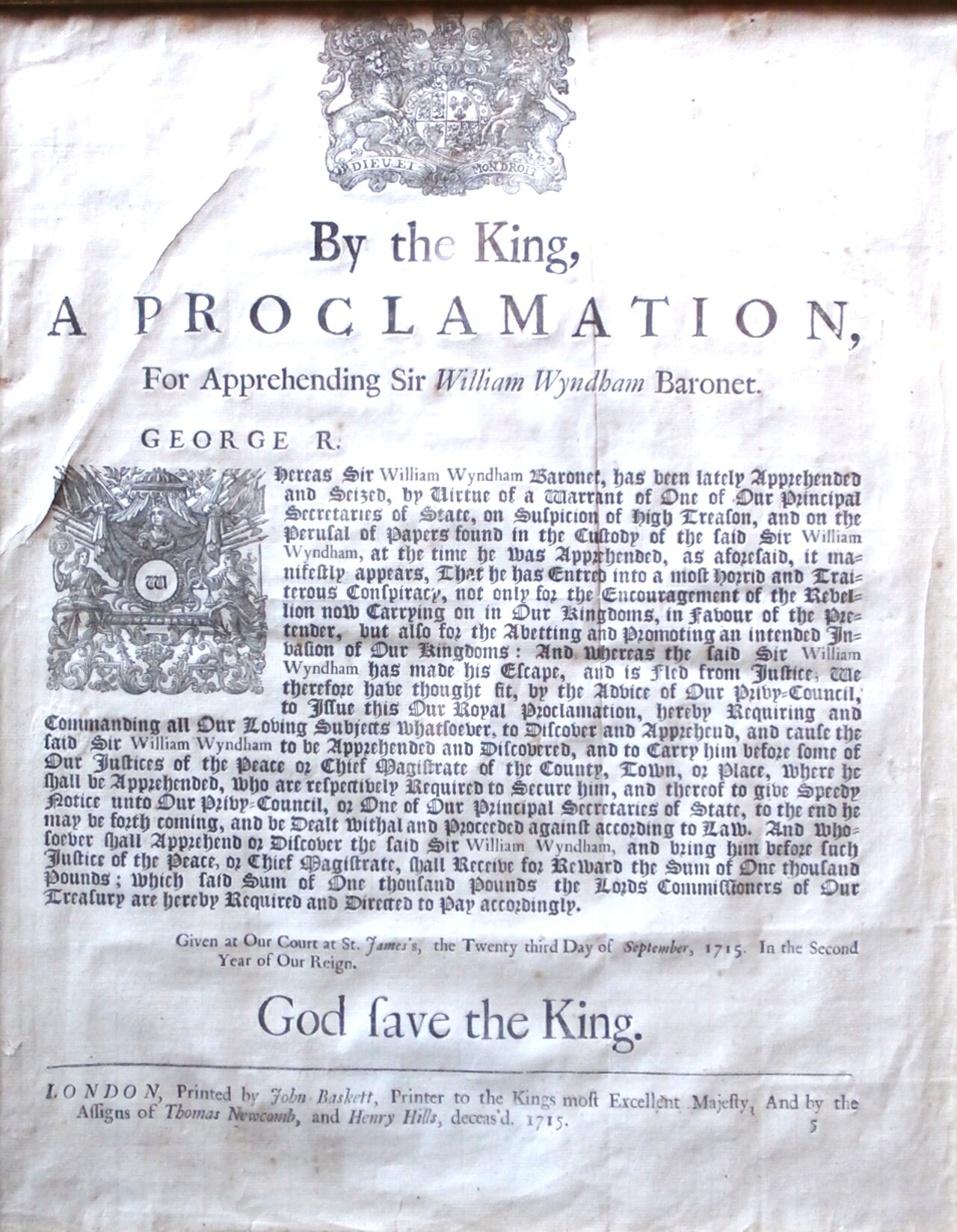
Royal Proclamation for the Arrest of Sir William Wyndham
23 September 1715
Ready when you are
Start chatting with George I now.
20 messages free · No credit card · Available in 50+ languages.