


Primary sourceArtifact1719
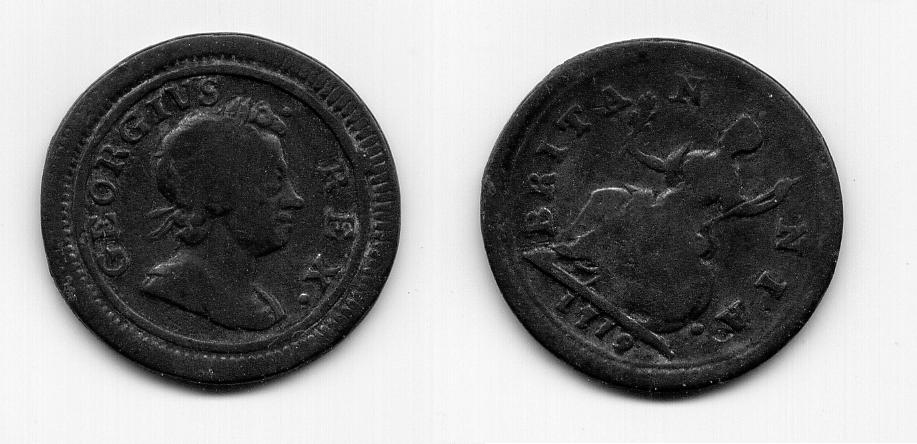
Farthing of George I, 1719
1719
A British farthing from George I's reign showing the king's bust on one side and Britannia on the other. It shows the everyday coinage of his time.
Shows George I's portrait on everyday money, which put the king's image into the pockets of ordinary people.
About this source
What it is
This is a small copper farthing dated 1719, shown as a black-and-white photograph of both sides. The coin is worn. Its front (obverse) shows a bust of George I facing right, with the inscription GEORGIVS REX. Its back (reverse) shows a seated figure of Britannia with the word BRITANNIA. The coin is listed in the Standard Catalogue of British Coins under the ID 3662. The photograph was uploaded to Wikimedia Commons, and the facts do not name who made the coin.
Why it matters
Farthings were the smallest denomination in use in Britain, and they passed through the hands of ordinary people every day. A coin like this shows the king in a way that reached many more people than a royal portrait in a palace. The figure of Britannia on the reverse was a common national symbol of the time.
Look closer
- How does the king's head on the front compare with the seated figure on the back?
- Why might a worn coin be more useful to a historian than a new one?
- What kinds of people would have handled this coin, and what would they have bought with it?
This artifact is part of the curated material that grounds the AI version of George I on Humy.ai — when students ask about related events, the AI can quote it and cite it.
More George I sources
Meet the AI George I →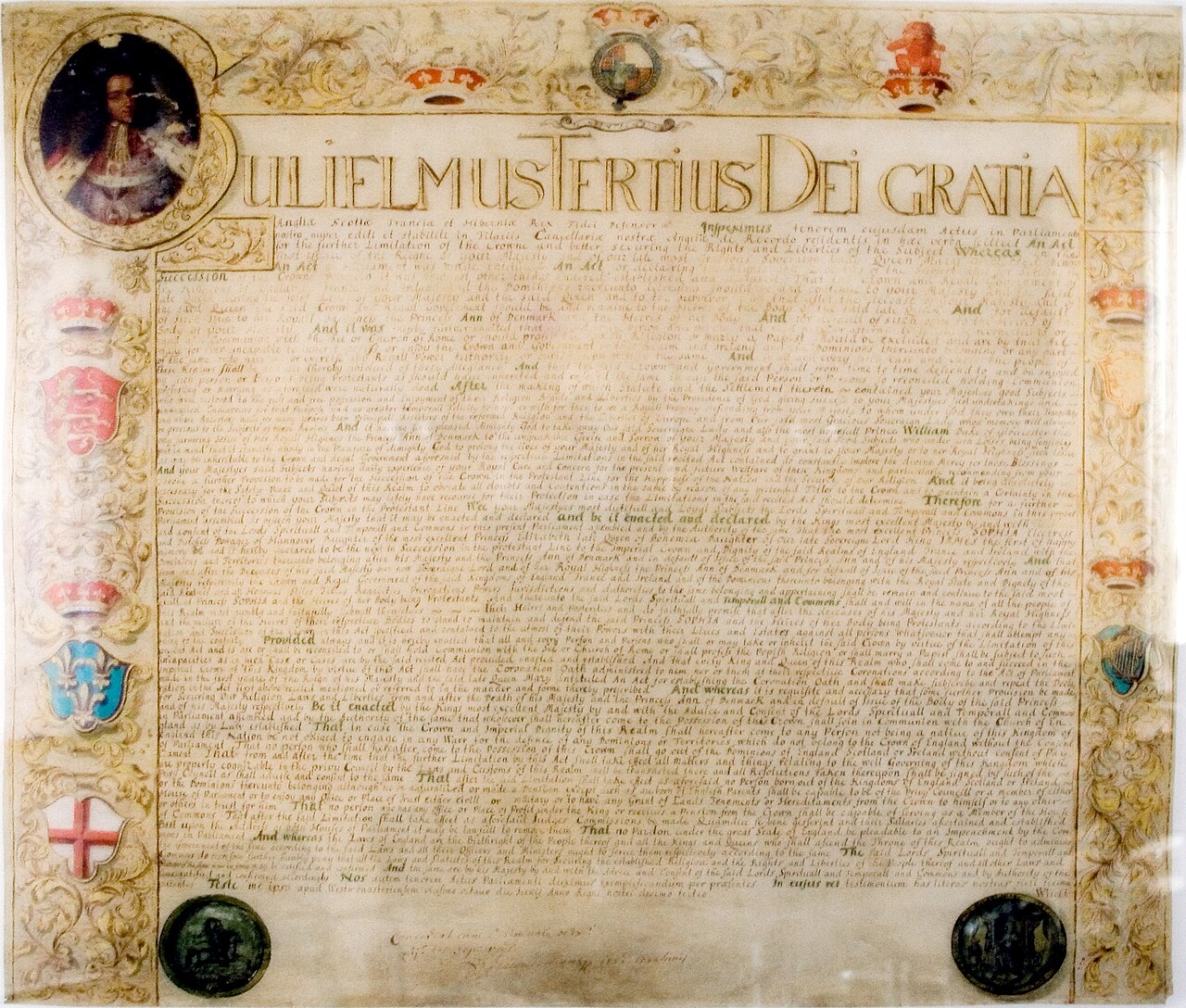 Document
Primary source
Act of Settlement 1701
1701
 Painting
Primary source
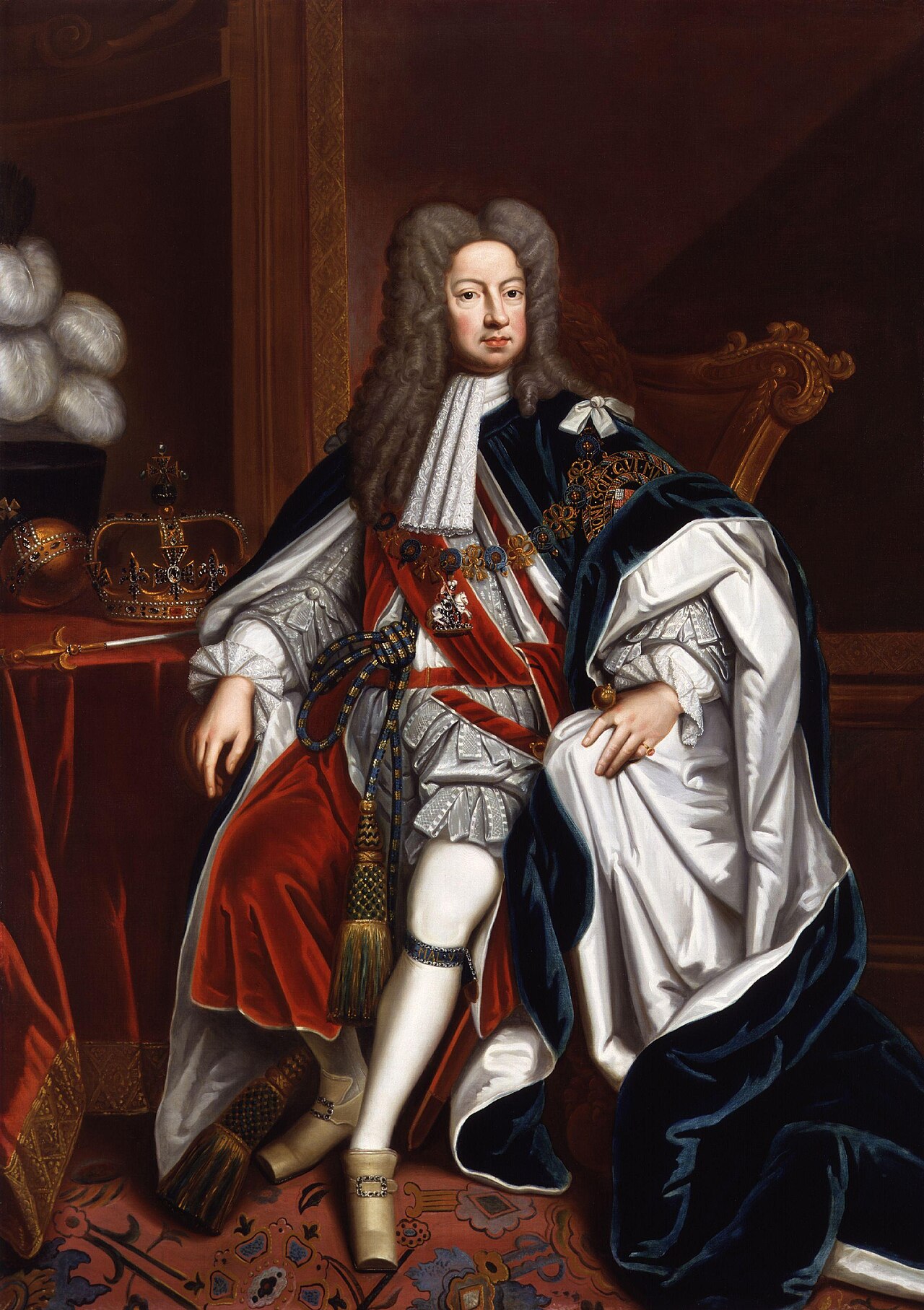
Portrait of George I of Great Britain
Godfrey Kneller
Secondary source
Water Music
George Frideric Handel · 1717
Primary source
Septennial Act 1715
1716
 Document
Primary source
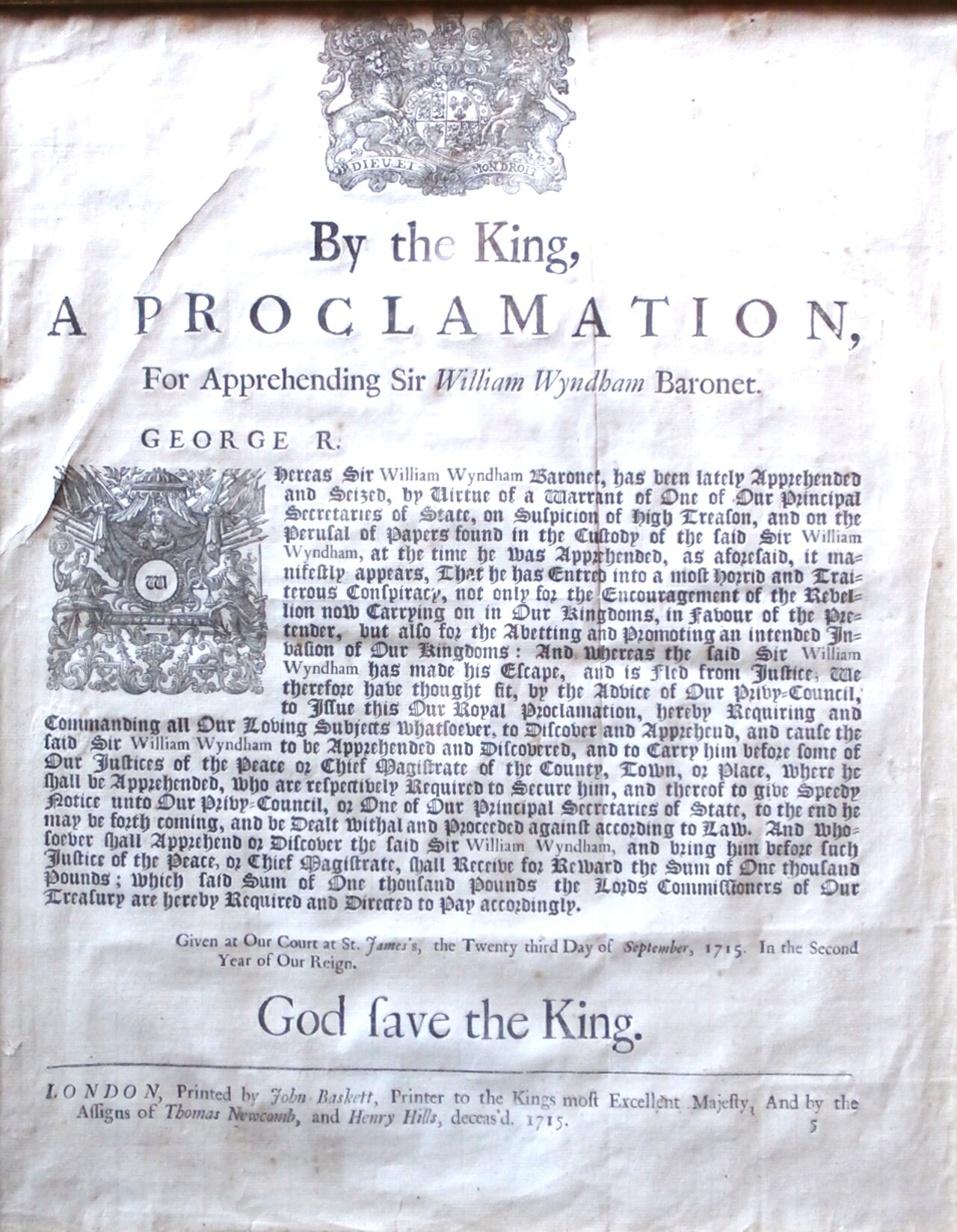
Royal Proclamation for the Arrest of Sir William Wyndham
23 September 1715
Ready when you are
Start chatting with George I now.
20 messages free · No credit card · Available in 50+ languages.