


Secondary sourceBook1726
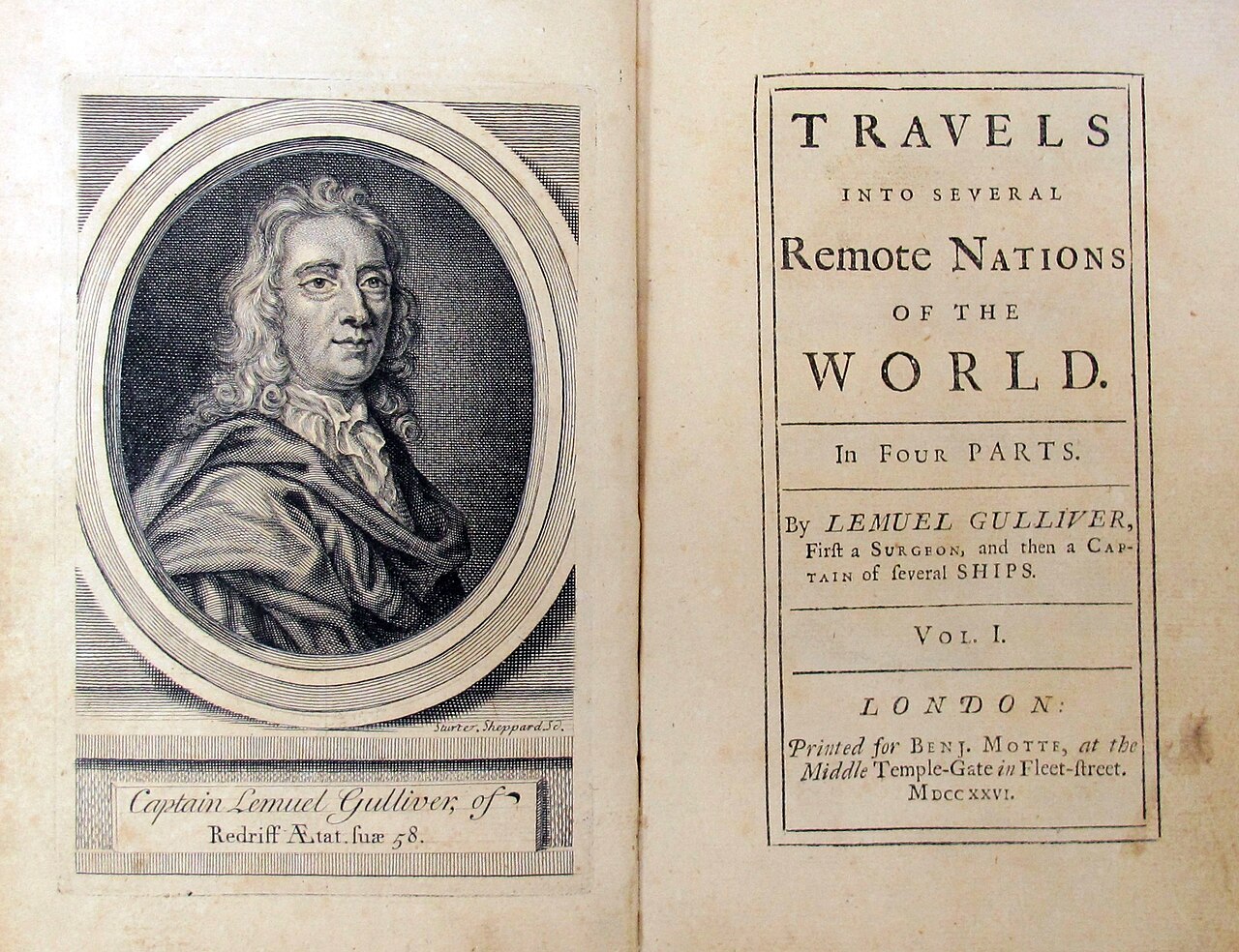
Gulliver's Travels
Jonathan Swift · 1726
Jonathan Swift's 1726 satirical novel, which mocked the political feuds and court life of George I's reign.
A satirical novel that mocked the political feuds of George I's court and the rise of his minister Walpole.
About this source
What it is
Gulliver's Travels is a satirical novel written by the Anglo-Irish writer Jonathan Swift, first published in 1726 under the title 'Travels into Several Remote Nations of the World'. It tells of the voyages of Lemuel Gulliver to strange lands such as Lilliput and Brobdingnag, each reflecting different flaws of human society.
Why it matters
Swift wrote the book as a political satire aimed partly at the court politics of his own time, including the rivalry between Whigs and Tories and figures such as Robert Walpole, who rose to power under King George I. By inventing absurd lands and petty disputes, such as Lilliput's war over which end of an egg to crack, Swift mocked the pettiness and corruption he saw in the real political world around the king's court.
Why it matters
Look closer
- What real political disputes of George I's reign might Swift have been mocking through his fictional lands?
- Why might a writer use fantasy and satire rather than direct criticism to comment on those in power?
- Swift claimed he wrote the book 'to vex the world rather than divert it' — what does that tell you about his purpose?
This book is part of the curated material that grounds the AI version of George I on Humy.ai — when students ask about related events, the AI can quote it and cite it.
More George I sources
Meet the AI George I →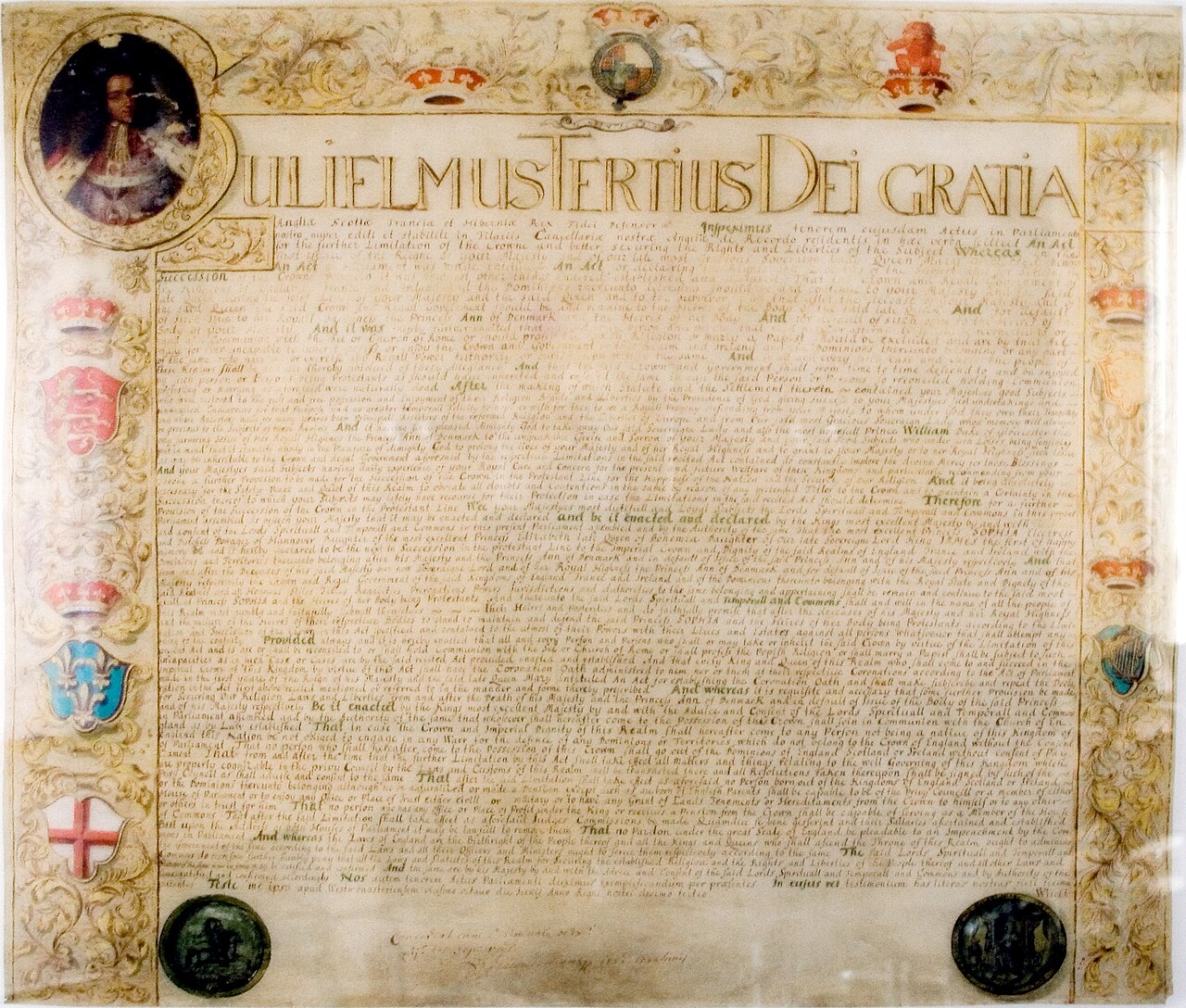 Document
Primary source
Act of Settlement 1701
1701
 Painting
Primary source
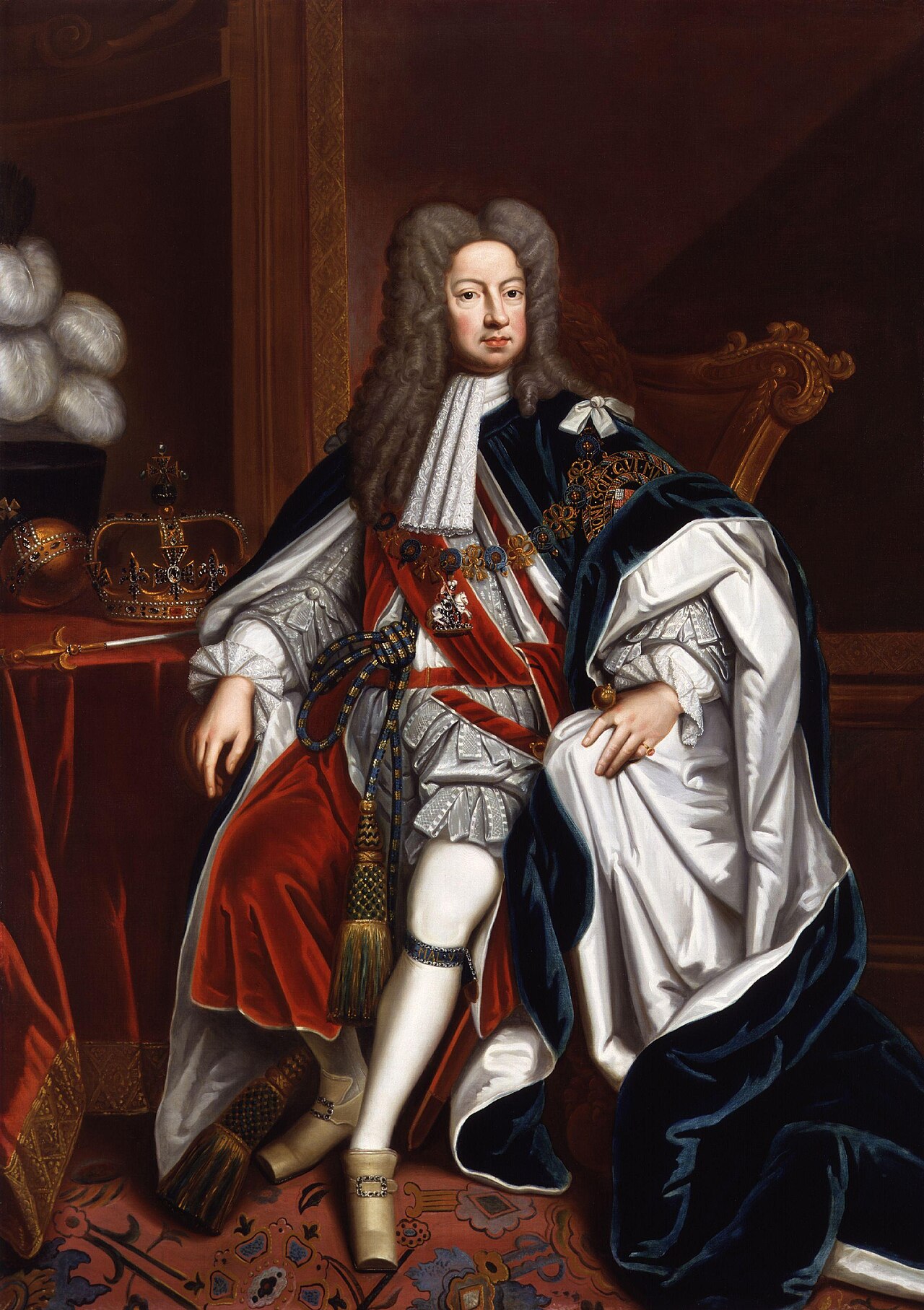
Portrait of George I of Great Britain
Godfrey Kneller
Secondary source
Water Music
George Frideric Handel · 1717
Primary source
Septennial Act 1715
1716
 Document
Primary source
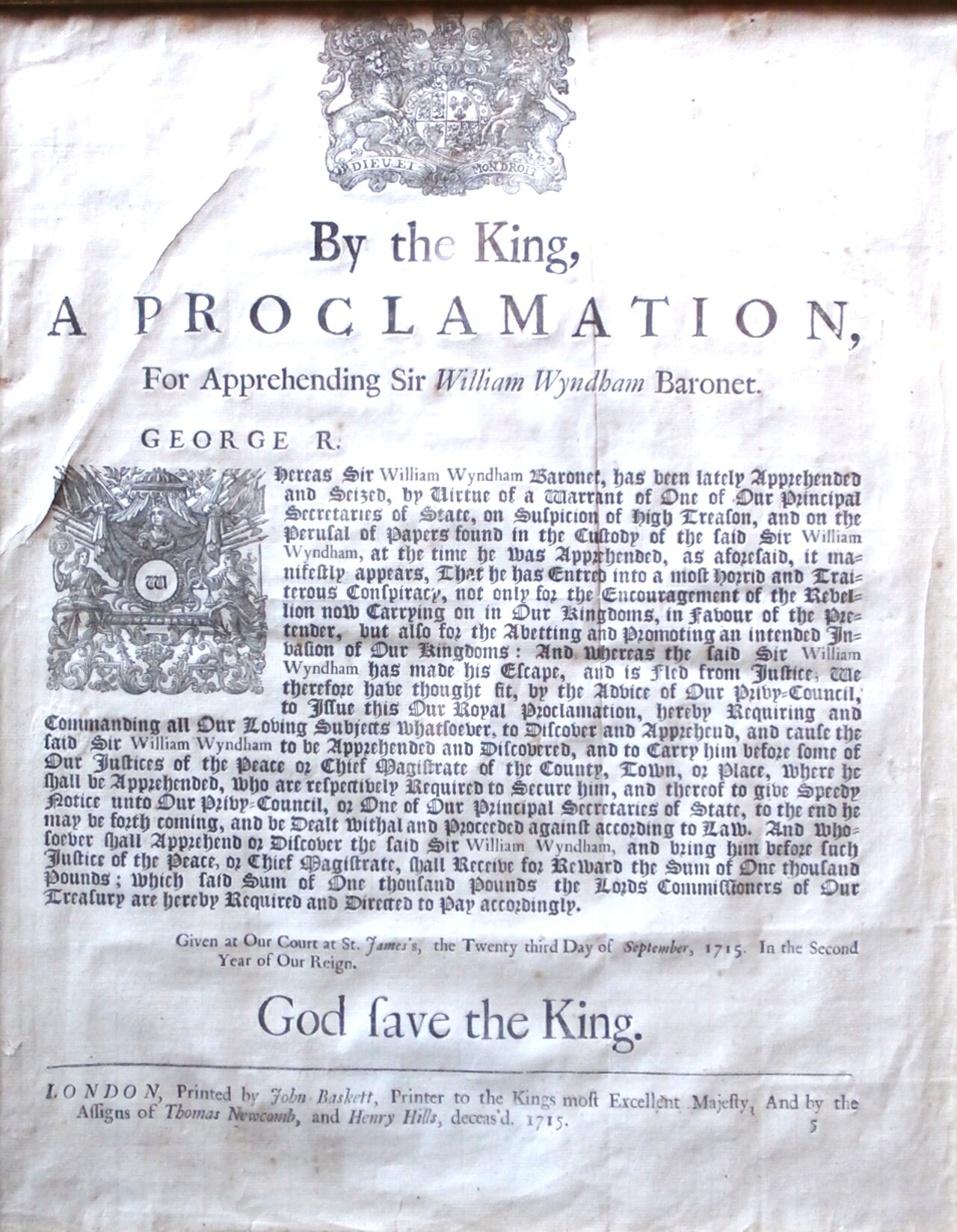
Royal Proclamation for the Arrest of Sir William Wyndham
23 September 1715
Ready when you are
Start chatting with George I now.
20 messages free · No credit card · Available in 50+ languages.