


Primary sourceArtifact1718
Quarter Guinea of George I
Royal Mint · 1718
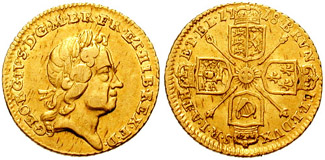
A gold coin minted in 1718 bearing George I's portrait, showing his image in everyday use across Britain.
A gold coin bearing George I's portrait and titles, struck during his reign for everyday circulation.
About this source
What it is
This small gold coin, called a quarter guinea, was struck by the Royal Mint in 1718 and is now held by the British Museum. It shows a laureate bust of King George I on one side and a crowned shield of arms divided into quarters on the other. The quarter guinea was only minted in two years, 1718 and later in 1762.
Why it matters
Coins like this carried the king's image into everyday transactions, letting ordinary people see and handle a representation of their monarch. For George I, newly arrived from Hanover, having his portrait and titles stamped onto British currency was one way of asserting his authority and presence as king of Great Britain and Ireland.
Look closer
- Why might a government choose to put the king's face on money that everyone uses?
- What do the Latin inscription and coat of arms tell us about how George wanted to be described as ruler?
- Why was this coin only minted in a couple of years rather than continuously?
This artifact is part of the curated material that grounds the AI version of George I on Humy.ai — when students ask about related events, the AI can quote it and cite it.
More George I sources
Meet the AI George I →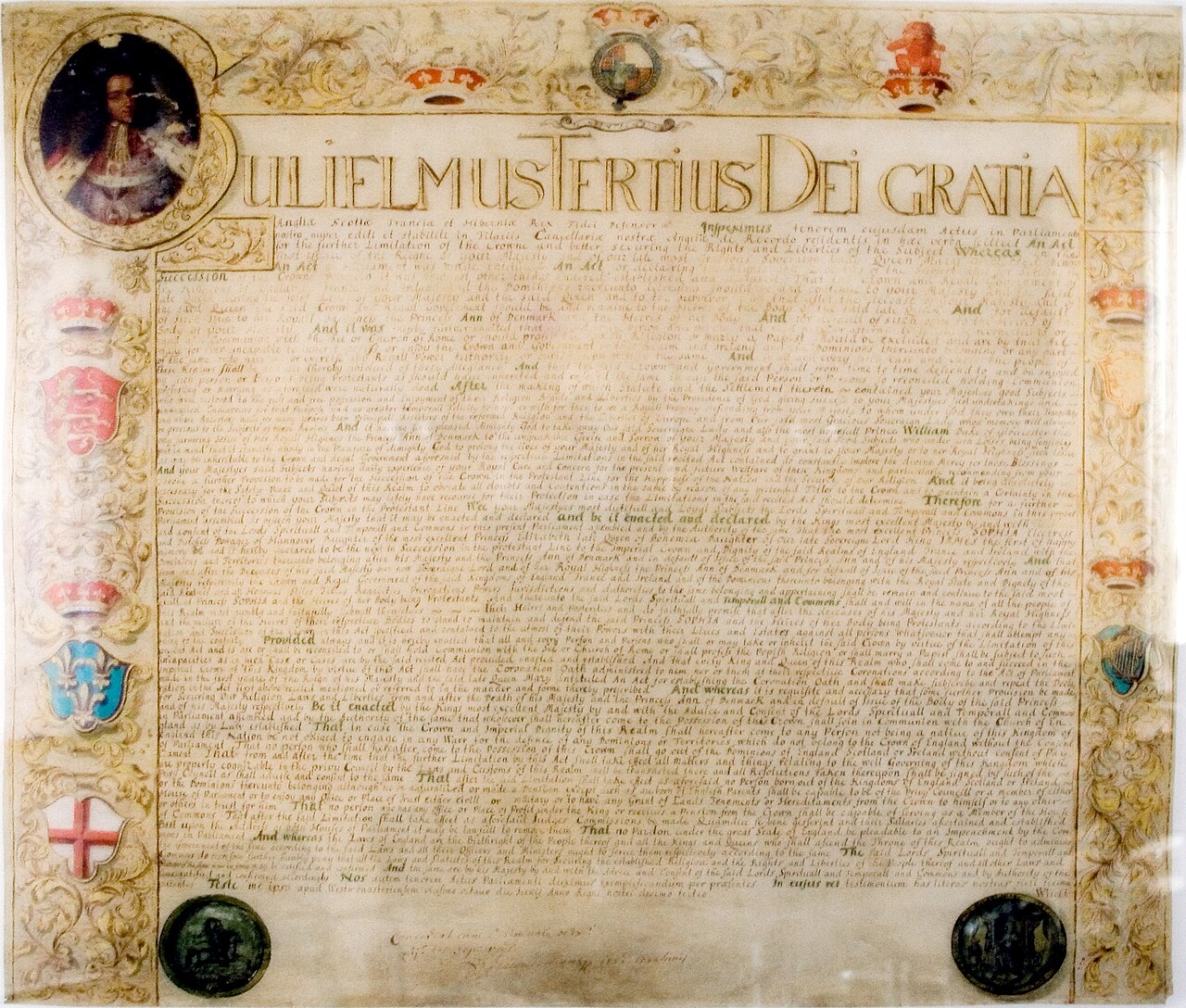 Document
Primary source
Act of Settlement 1701
1701
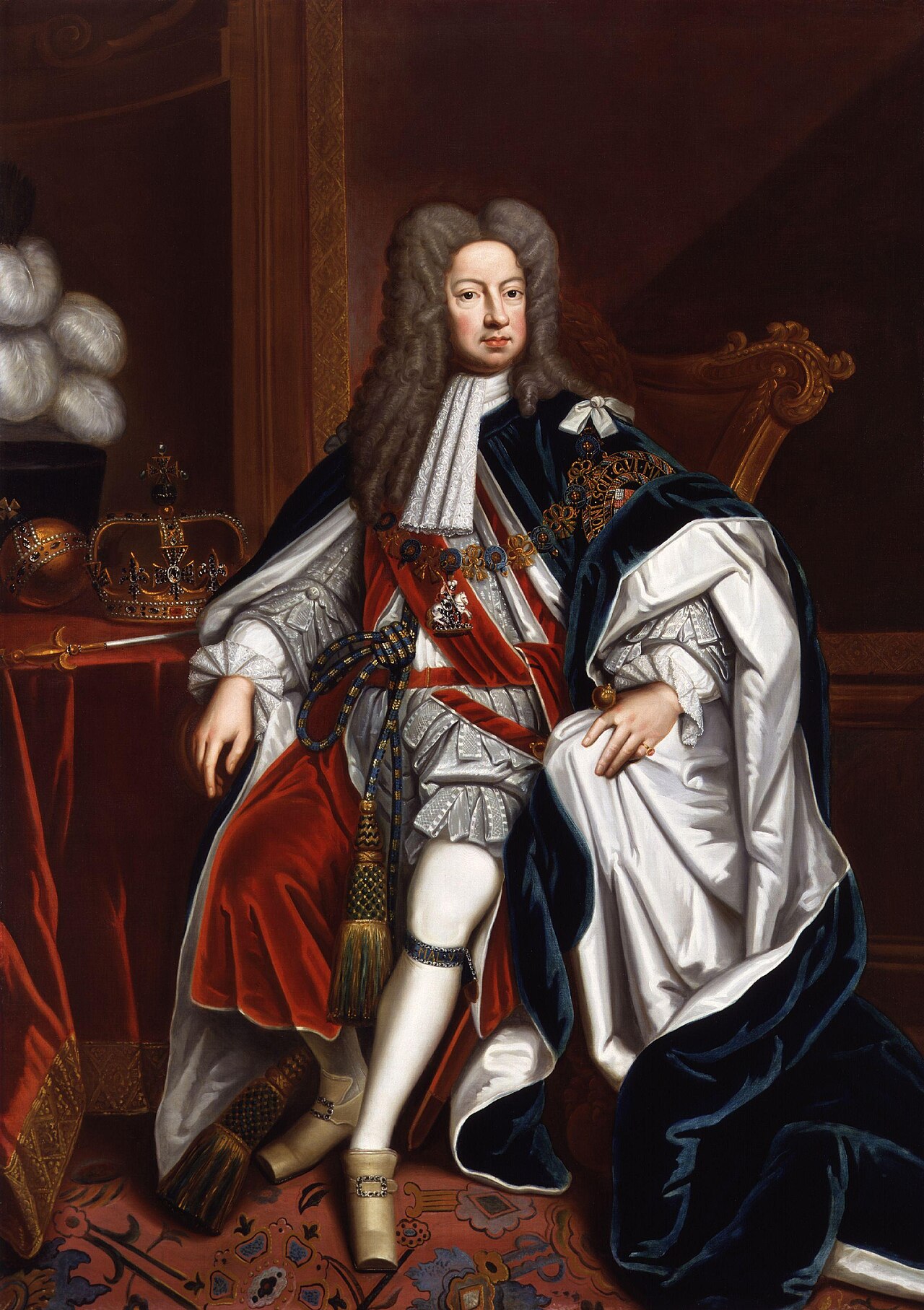 Painting
Primary source
Portrait of George I of Great Britain
Godfrey Kneller
Secondary source
Water Music
George Frideric Handel · 1717
Primary source
Septennial Act 1715
1716
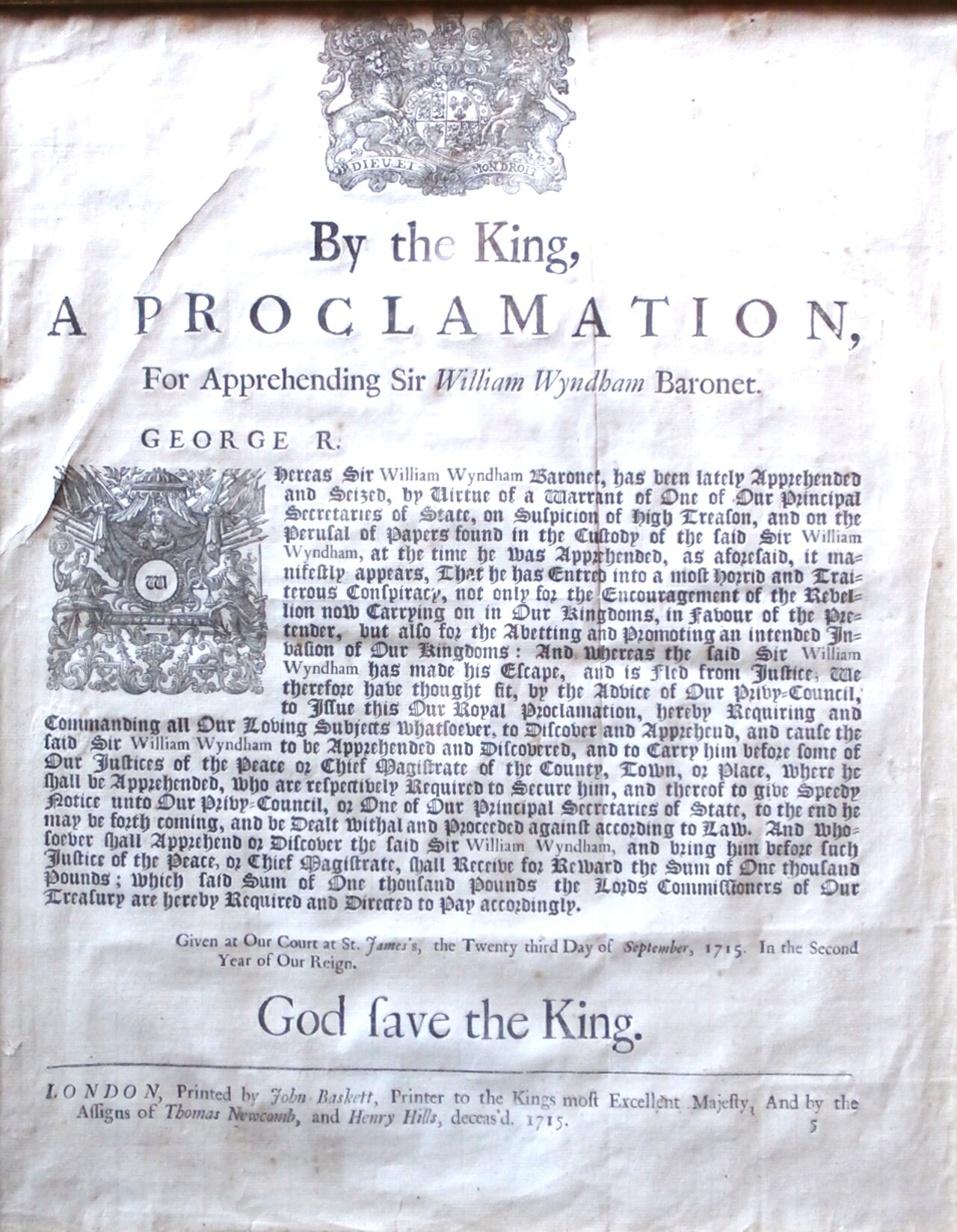 Document
Primary source
Royal Proclamation for the Arrest of Sir William Wyndham
23 September 1715
Ready when you are
Start chatting with George I now.
20 messages free · No credit card · Available in 50+ languages.