


Primary sourceArtifact1717
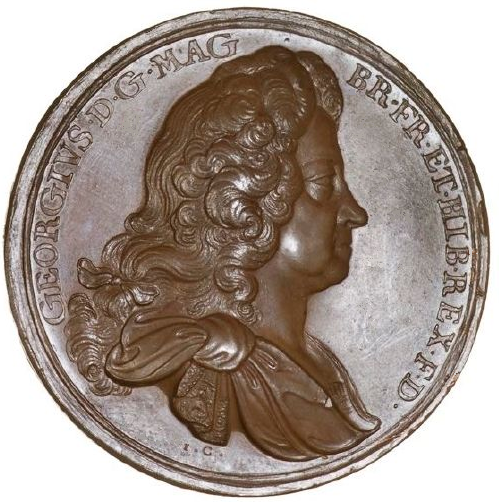
Medal commemorating the 1717 Act of Grace, obverse
Iohannes Croker · 1717
A royal medal of 1717 showing George I's head, issued to mark his Act of Grace pardon. It was signed by the chief engraver of the Royal Mint, I. C.
George I is the subject of this royal medal, issued during his reign to mark the 1717 Act of Grace.
About this source
What it is
This is the front side (obverse) of a bronze-toned medal made to commemorate the Act of Grace of 1717. It shows a right-facing profile bust of the king with a long curled wig and armour-like drapery at the shoulder. The rim inscription reads GEORGIVS D G MAG BR FR ET HIB REX F D, and the initials I C appear near the bottom edge. The initials are those of Iohannes Croker, chief engraver to the Royal Mint. The medal is held in a collection and catalogued under the reference Brockmann 0823.
Why it matters
Medals like this were official objects that carried a ruler's image and message. The medal marks a pardon Act passed in 1717, so it shows how the government presented royal mercy to the public. The engraver's work links the king to the Royal Mint, the body that produced such coins and medals for the state.
Look closer
- How does the king's image try to make him look powerful or respectable?
- Why would the government want to mark a pardon with a medal?
- What does the medal leave out about who was pardoned and why?
This artifact is part of the curated material that grounds the AI version of George I on Humy.ai — when students ask about related events, the AI can quote it and cite it.
More George I sources
Meet the AI George I →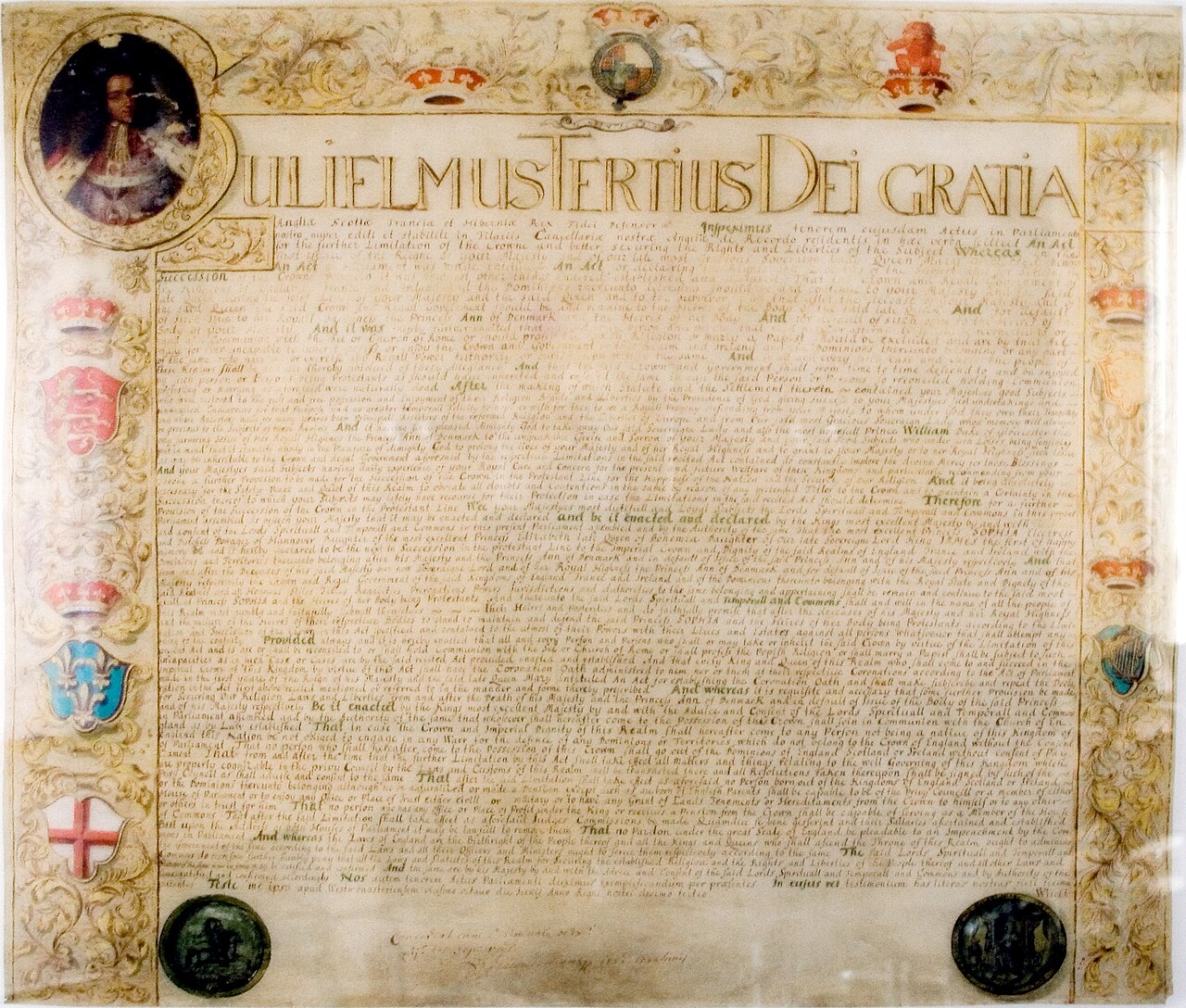 Document
Primary source
Act of Settlement 1701
1701
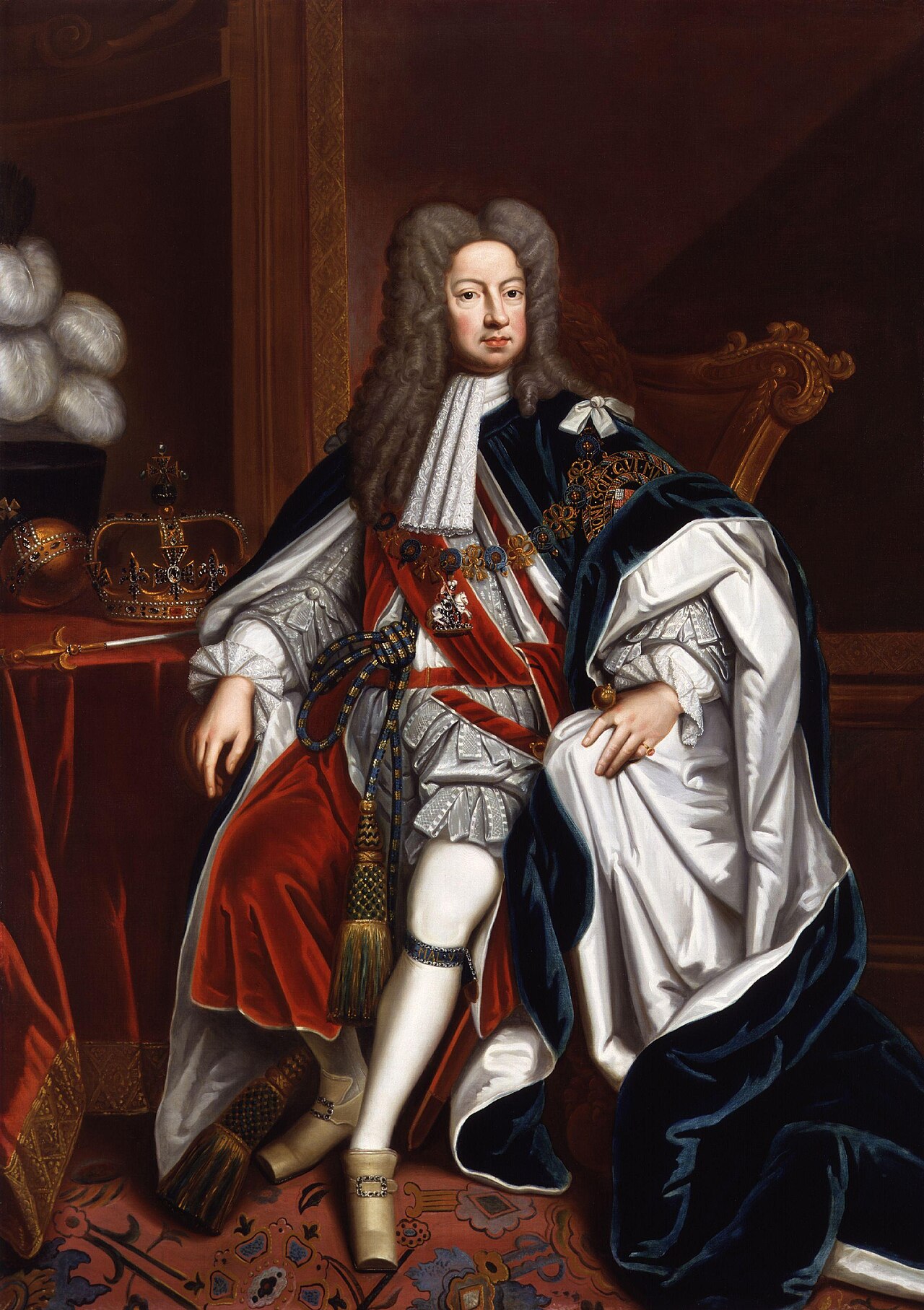 Painting
Primary source
Portrait of George I of Great Britain
Godfrey Kneller
Secondary source
Water Music
George Frideric Handel · 1717
Primary source
Septennial Act 1715
1716
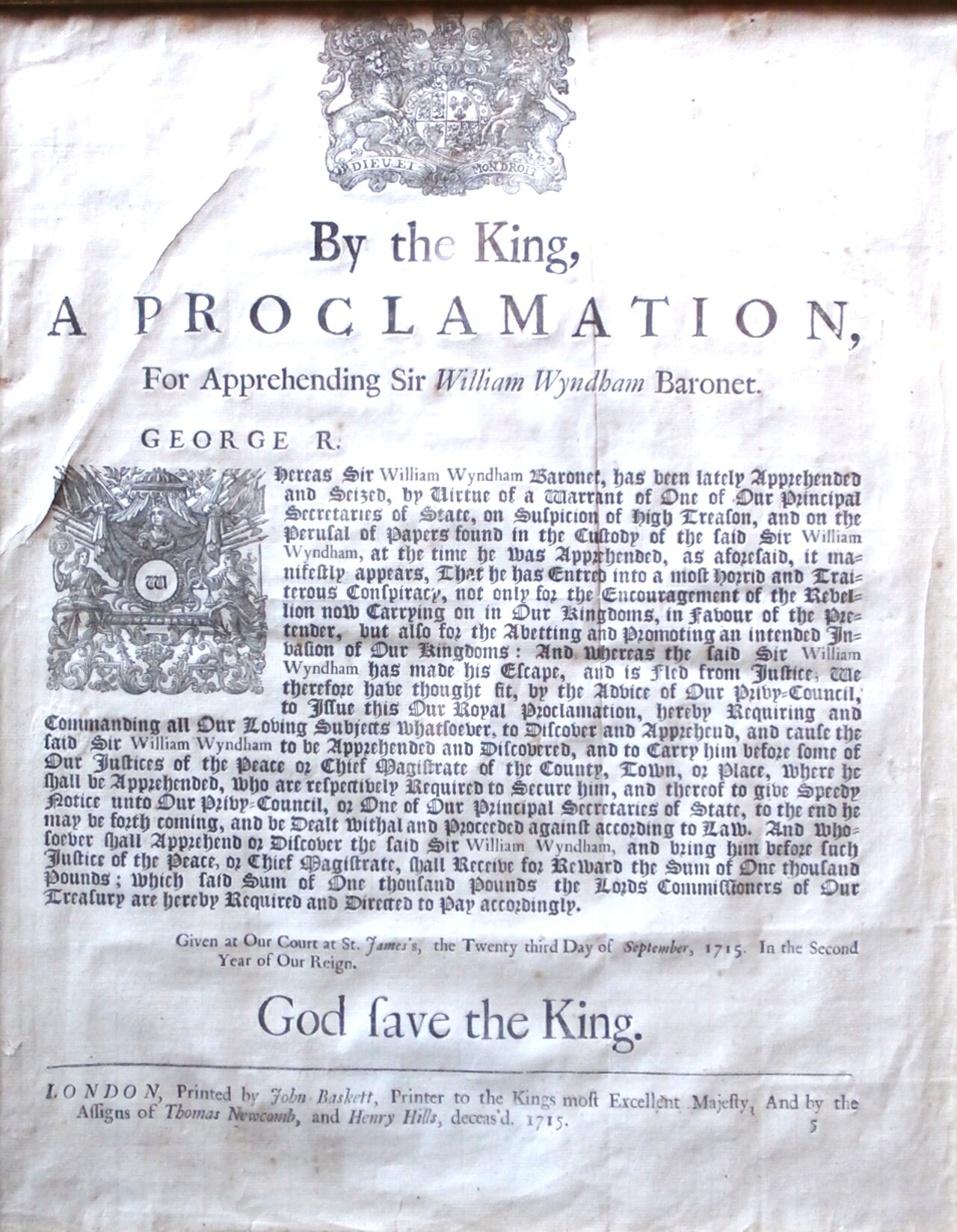 Document
Primary source
Royal Proclamation for the Arrest of Sir William Wyndham
23 September 1715
Ready when you are
Start chatting with George I now.
20 messages free · No credit card · Available in 50+ languages.