


Primary sourceArtifactc. 1700
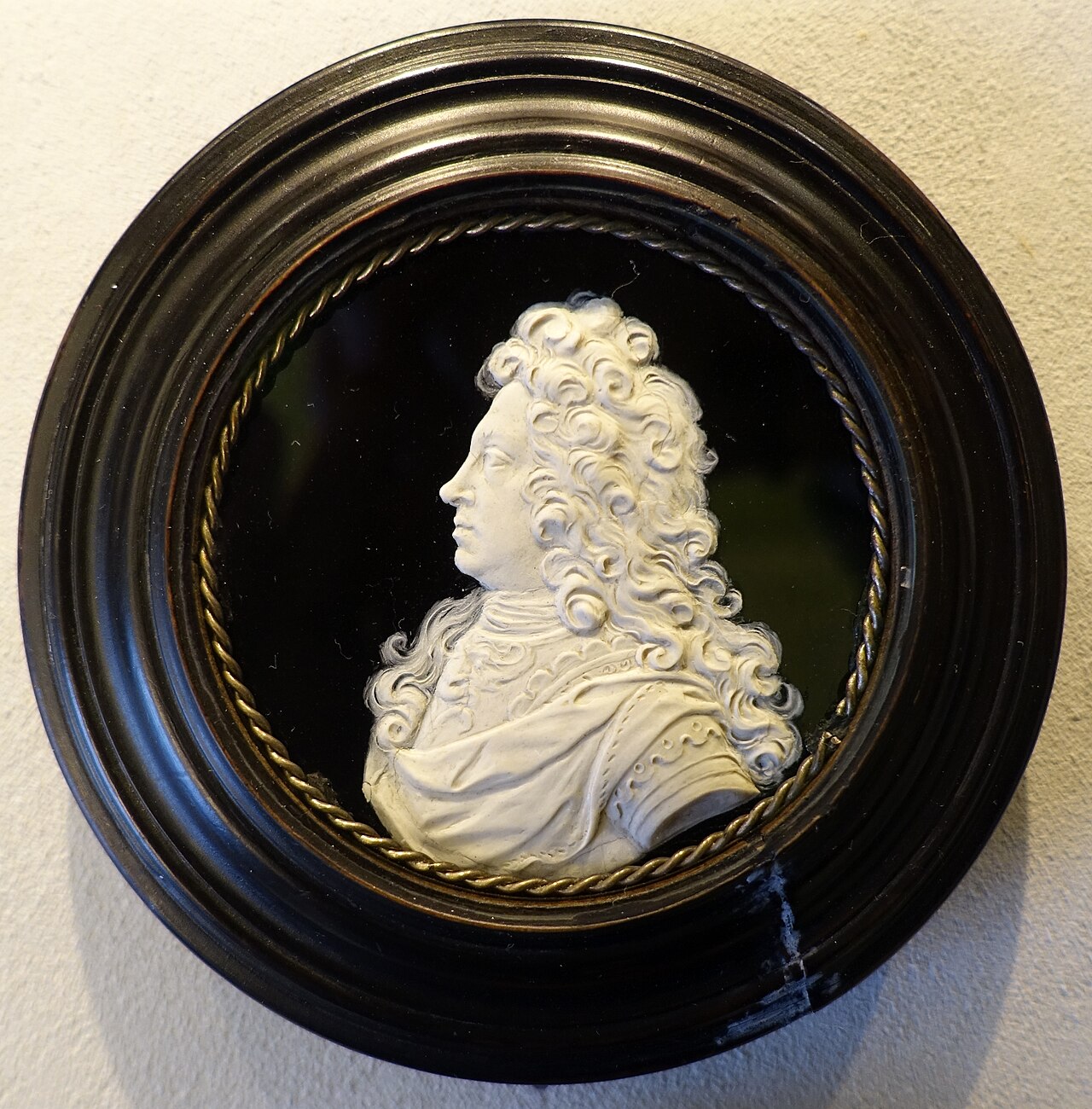
Wax Model of Elector Georg Ludwig
Raimund Faltz · c. 1700
A wax relief model made around 1700 for a medal, showing Georg Ludwig of Hanover, later King George I, in profile.
This wax model, made before George's British reign, was used to design a medal portrait of him as Elector of Hanover.
About this source
What it is
This circular wax relief was made by sculptor Raimund Faltz around 1700 as a model for a medal. It shows Georg Ludwig, Elector of Hanover, in profile, wearing a long curled wig and armoured bust with a draped cloak. It is held in the Bode-Museum in Berlin.
Why it matters
This wax model shows an early stage in how portrait medals were designed, before George became King of Great Britain. It is a rare physical trace of the working process behind the images that spread his likeness across Europe, created years before his British reign began.
Look closer
- Why might an artist first create a wax model before making a medal in metal?
- What details of dress and pose does the sculptor use to show rank and power?
- What does this object tell us about Georg Ludwig's life before he became king of Britain?
This artifact is part of the curated material that grounds the AI version of George I on Humy.ai — when students ask about related events, the AI can quote it and cite it.
More George I sources
Meet the AI George I →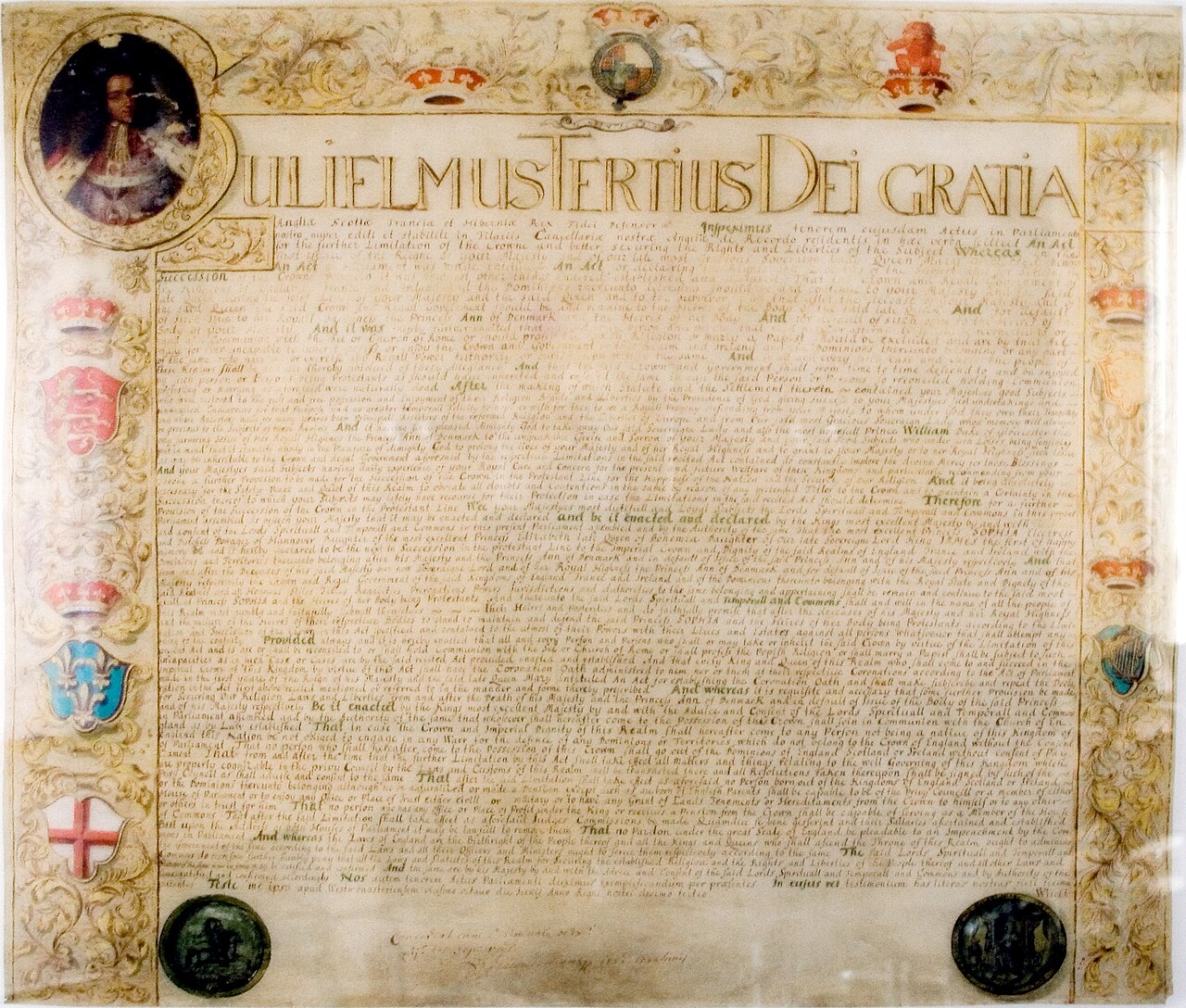 Document
Primary source
Act of Settlement 1701
1701
 Painting
Primary source
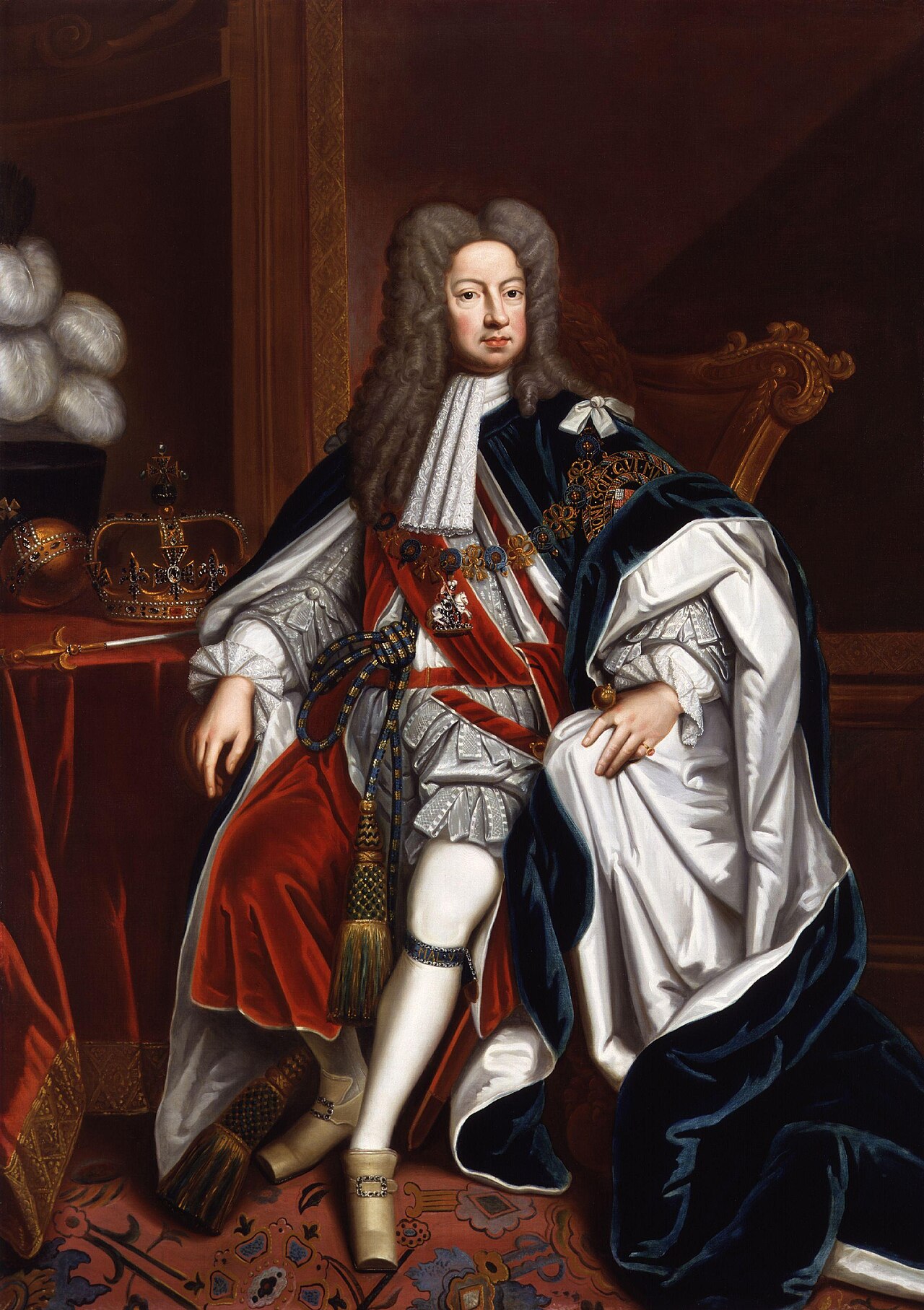
Portrait of George I of Great Britain
Godfrey Kneller
Secondary source
Water Music
George Frideric Handel · 1717
Primary source
Septennial Act 1715
1716
 Document
Primary source
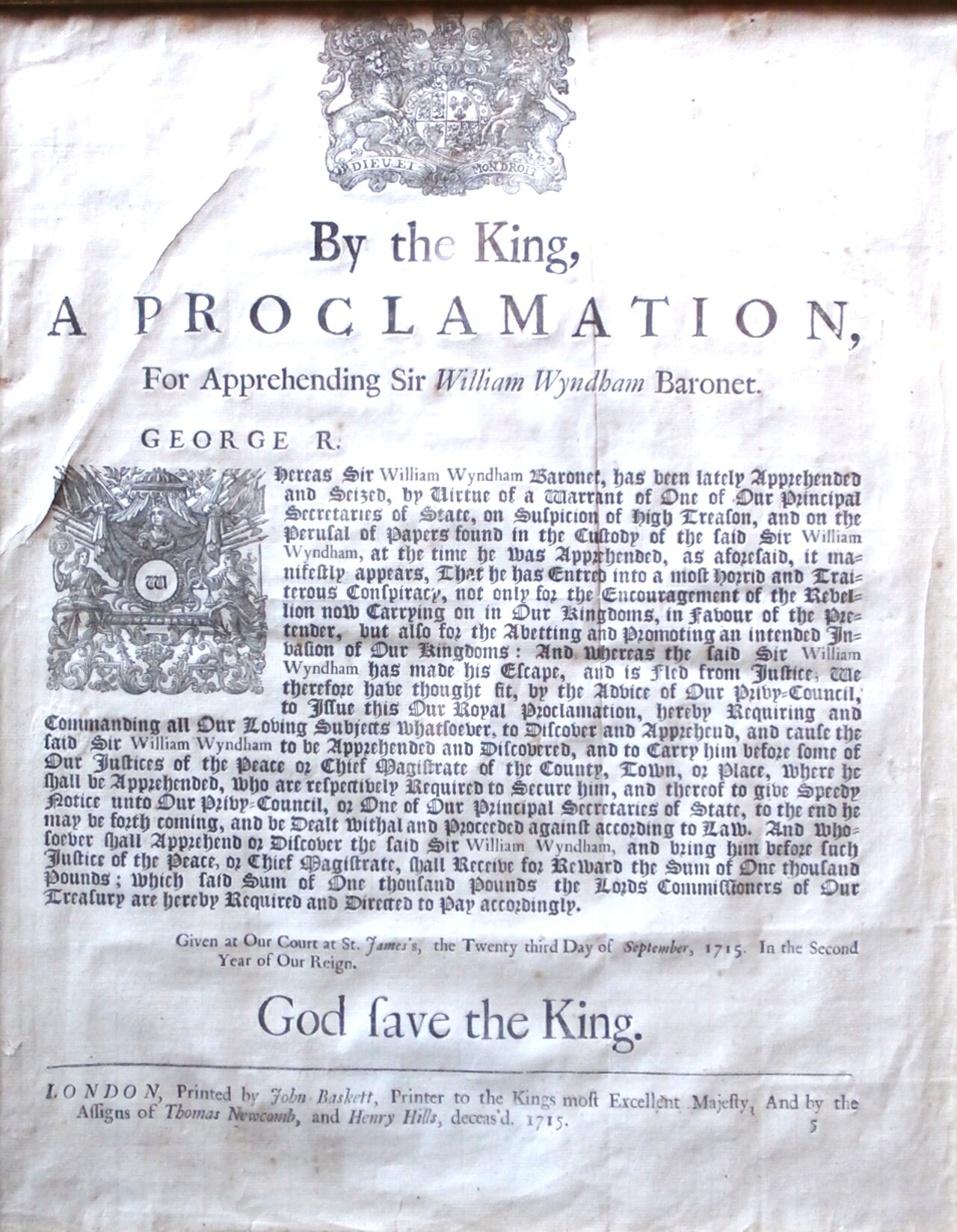
Royal Proclamation for the Arrest of Sir William Wyndham
23 September 1715
Ready when you are
Start chatting with George I now.
20 messages free · No credit card · Available in 50+ languages.