


Primary sourceArtifact
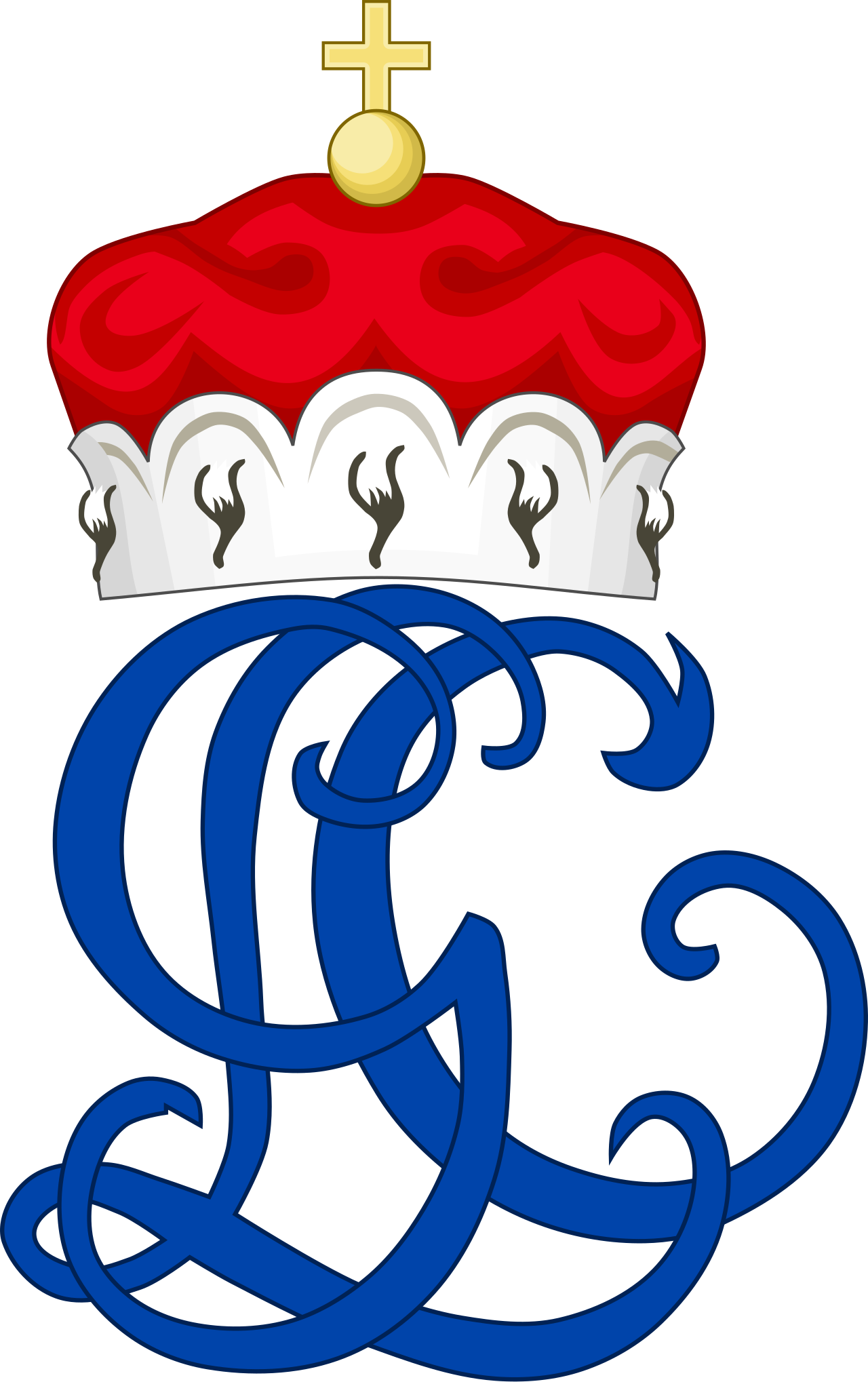
Monogram of George I of Great Britain
The royal cipher of George I, combining his initials with a crown, used to mark buildings and objects in Britain and Hanover.
This is George I's own royal cipher, used to mark his authority across Britain and Hanover.
About this source
What it is
This is the royal monogram, or cipher, of George I, shown as an interlaced blue script design topped by a crown and a cross. It represents his name as Georg Ludwig, Elector of Hanover, as well as King of Great Britain.
Why it matters
Royal monograms like this were used to stamp the king's authority onto buildings, documents and objects across his territories, both in Britain and in his German homeland of Hanover. It is a reminder that George I ruled over two very different states at once, and needed symbols that could represent him in both.
Look closer
- Why would a king need a simple symbol like this instead of always using his full portrait?
- What does the crown above the letters add to the meaning of the design?
- Where might you expect to find a monogram like this used in real life?
This artifact is part of the curated material that grounds the AI version of George I on Humy.ai — when students ask about related events, the AI can quote it and cite it.
More George I sources
Meet the AI George I →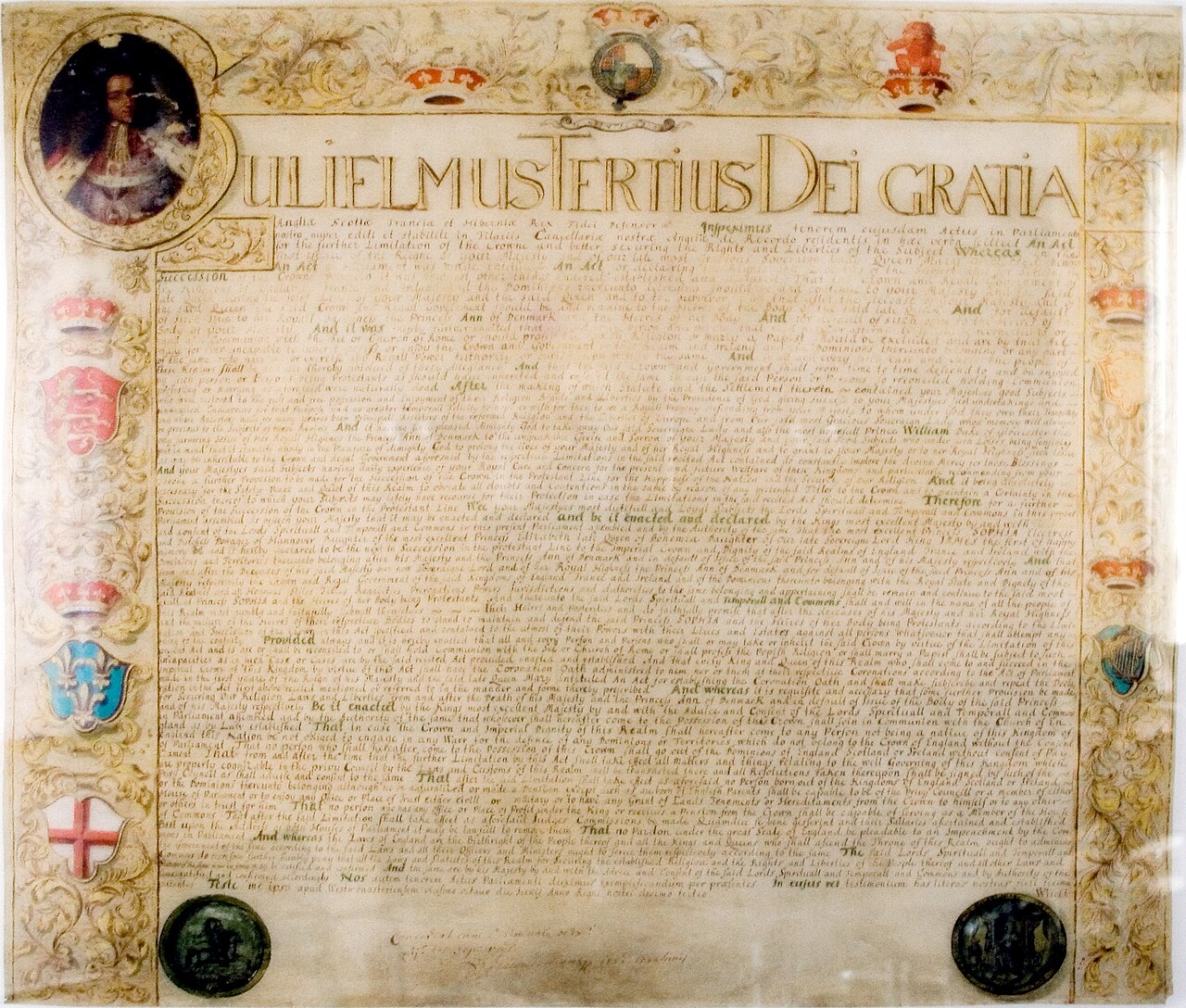 Document
Primary source
Act of Settlement 1701
1701
 Painting
Primary source
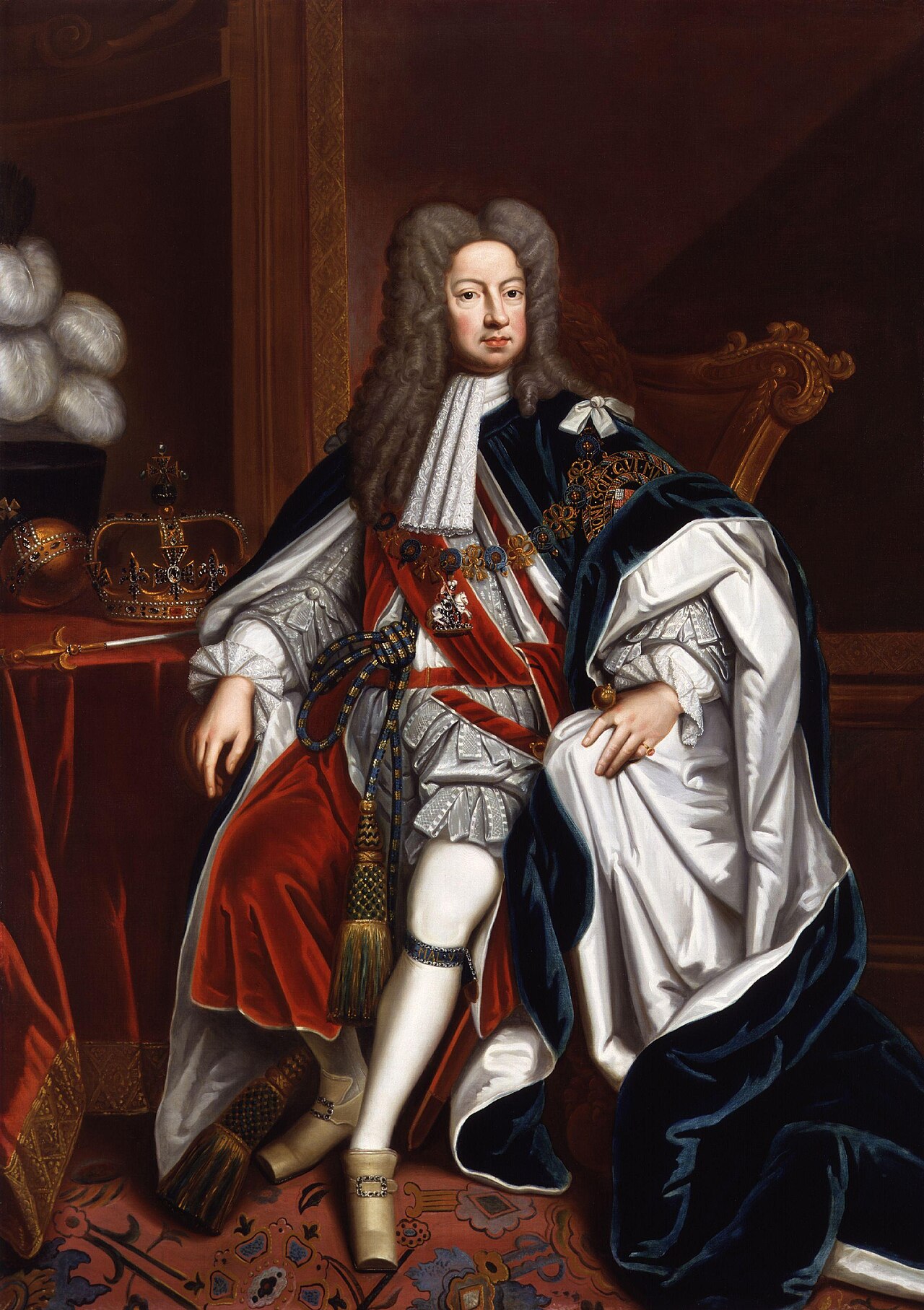
Portrait of George I of Great Britain
Godfrey Kneller
Secondary source
Water Music
George Frideric Handel · 1717
Primary source
Septennial Act 1715
1716
 Document
Primary source
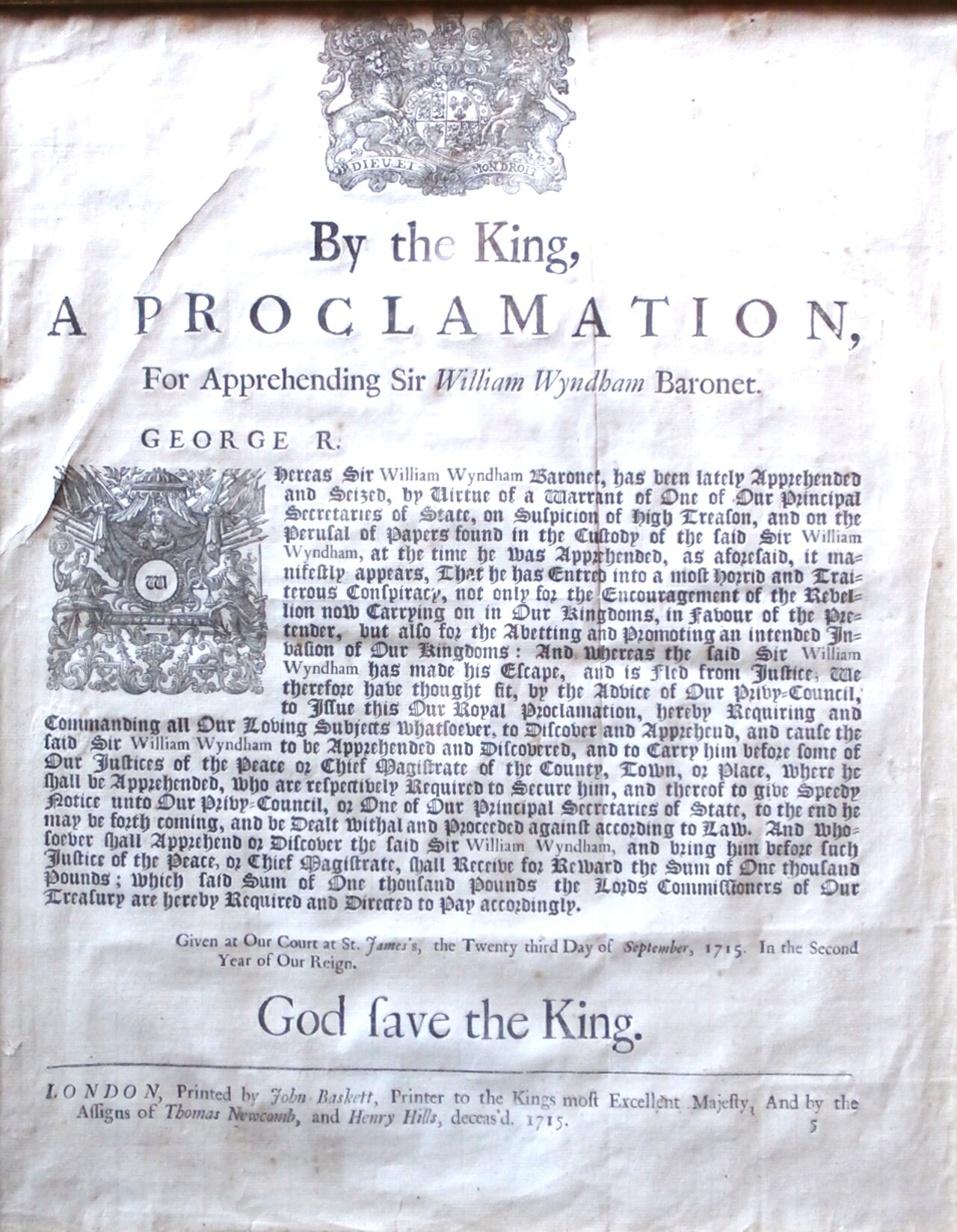
Royal Proclamation for the Arrest of Sir William Wyndham
23 September 1715
Ready when you are
Start chatting with George I now.
20 messages free · No credit card · Available in 50+ languages.