


Primary sourceArtifact1754
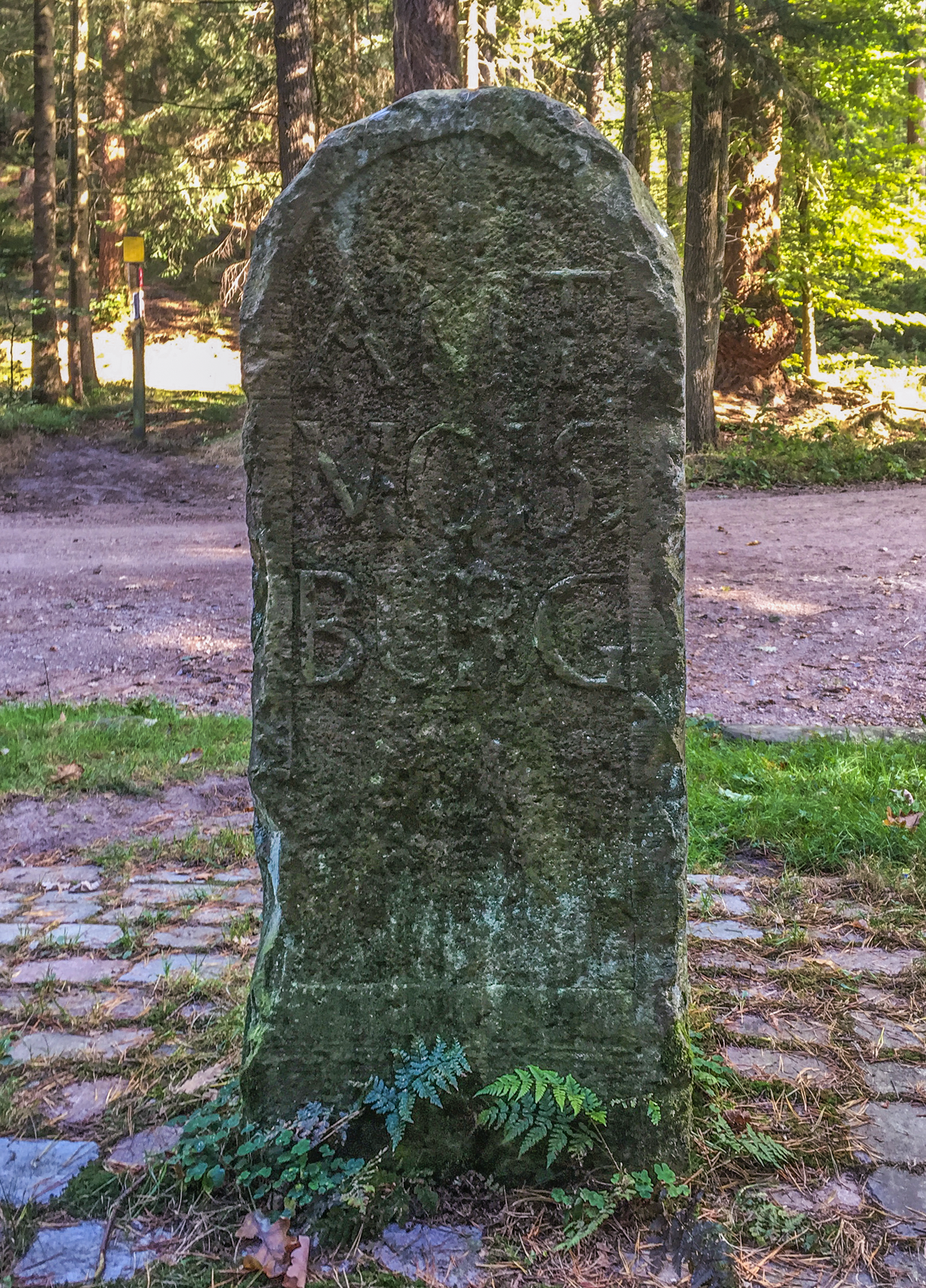
Moisburger Stein
1754
A 1754 Hanoverian boundary stone marking territory under George II's authority as Elector of Hanover.
This boundary stone was commissioned under George II's authority as Elector of Hanover, showing his direct rule in Germany.
About this source
What it is
This is a weathered stone marker standing in a forest clearing, carved with partial lettering reading roughly 'MOIS' and 'BURG'. It dates to 1754 and stood on what is now the border between Hamburg and Lower Saxony in Germany.
Why it matters
Boundary stones like this one were set up to mark the limits of territory controlled by rulers. Since George II was not only King of Great Britain but also Elector of Hanover, this stone is a rare physical trace of his direct rule over his German lands, far away from the British court and Parliament.
Look closer
- What does the worn, mossy state of the stone tell you about how long it has stood here?
- Why might a ruler want solid stone markers rather than paper maps to show where his territory ended?
- What does this object remind us about George II's double role as both British king and German prince?
This artifact is part of the curated material that grounds the AI version of George II on Humy.ai — when students ask about related events, the AI can quote it and cite it.
More George II sources
Meet the AI George II →Primary source
Charter of the Colony of Georgia
George II / Crown of Great Britain · 1732
Primary source
Zadok the Priest
George Frideric Handel · 1727
 Painting
Primary source
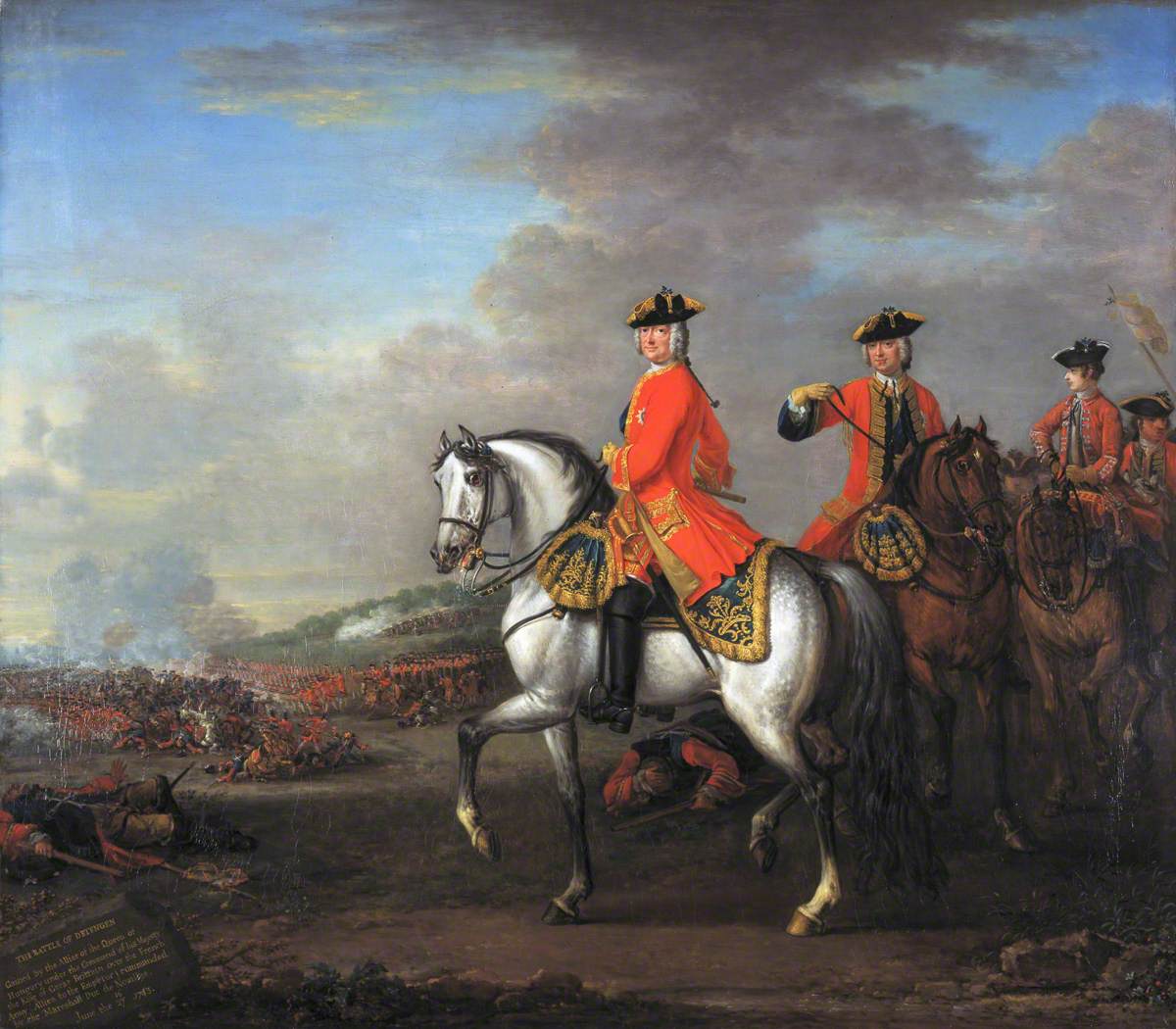
George II at the Battle of Dettingen, with the Duke of Cumberland and Robert, 4th Earl of Holderness
John Wootton · 1743
Primary source
Memoirs of the Reign of George the Second, from his Accession to the Death of Queen Caroline
John Hervey, Baron Hervey
 Document
Primary source
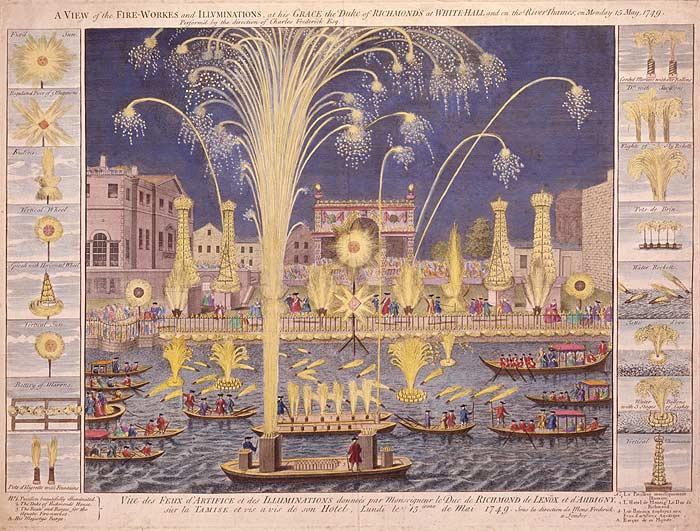
Music for the Royal Fireworks
George Frideric Handel · 1749
Ready when you are
Start chatting with George II now.
20 messages free · No credit card · Available in 50+ languages.