


Primary sourcePaintingafter 1727
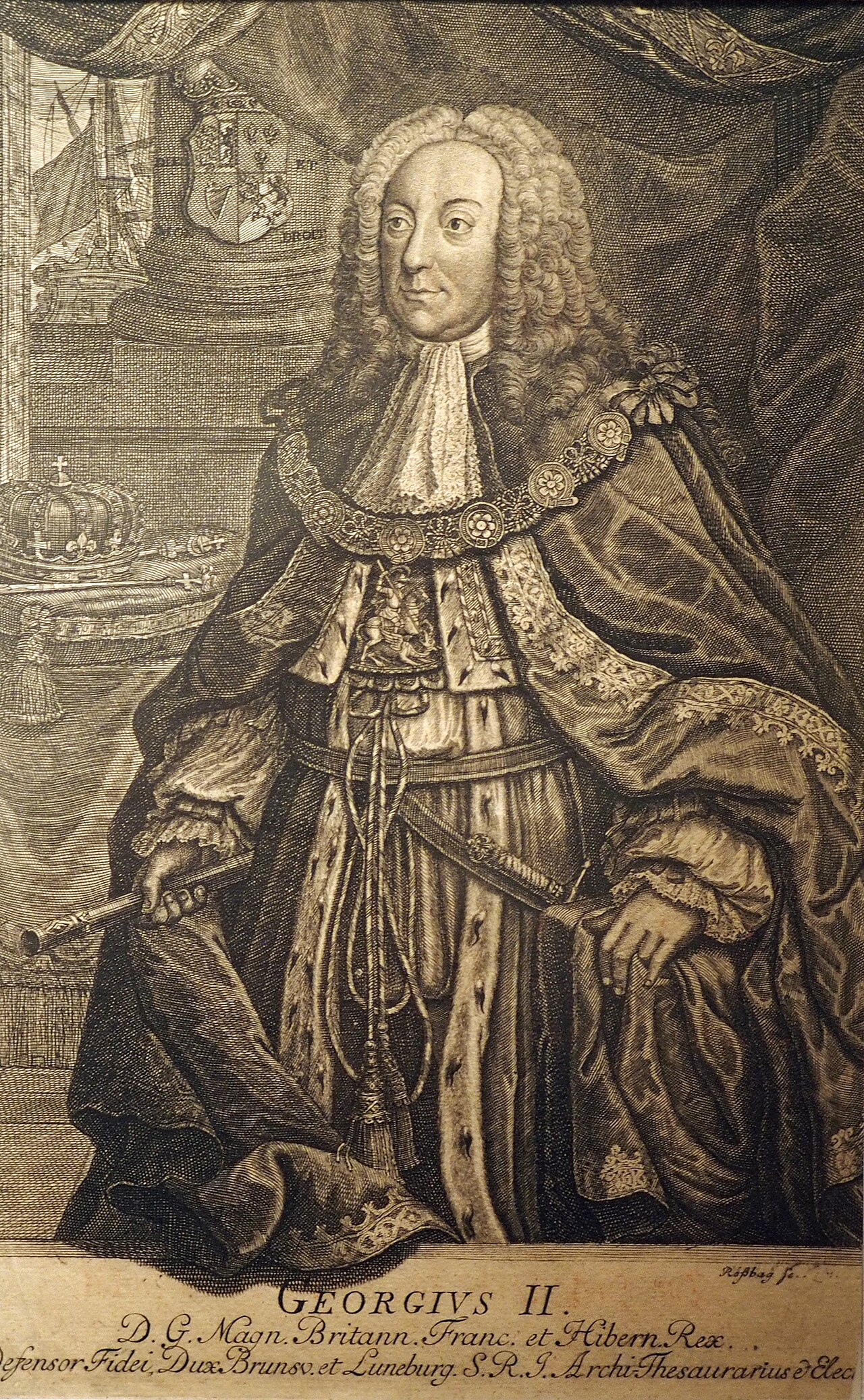
GEORGIUS II engraving by Johann Friedrich Rosbach
Johann Friedrich Rosbach · after 1727
A sepia engraving of George II in ceremonial robes with a baton, made soon after he became king in 1727.
An engraved portrait of George II made soon after his accession, showing how the new king's image was spread in print.
About this source
What it is
This is an engraved portrait of George II by Johann Friedrich Rosbach, dated after 1727. It shows the king in ceremonial robes and a full wig, wearing a jeweled collar and an ermine-trimmed cloak and holding a baton. A crown and drapery appear behind him. A Latin inscription on the lower margin reads GEORGIUS II.
The record describes the sitter as George II, prince-elector of Hanover and king of Great Britain and Ireland, which reflects his two roles.
Why it matters
Engravings were a common way to spread a new ruler's image soon after he took the throne. Because this print appeared shortly after the 1727 accession, it shows how quickly royal images were made and circulated to present the king to the public.
Look closer
- What do the baton, collar and cloak tell viewers about George II's position?
- Why would a new king need his image to be spread so quickly?
- Whose work is shown here, and whose is left out of the image?
This painting is part of the curated material that grounds the AI version of George II on Humy.ai — when students ask about related events, the AI can quote it and cite it.
More George II sources
Meet the AI George II →Primary source
Charter of the Colony of Georgia
George II / Crown of Great Britain · 1732
Primary source
Zadok the Priest
George Frideric Handel · 1727
 Painting
Primary source
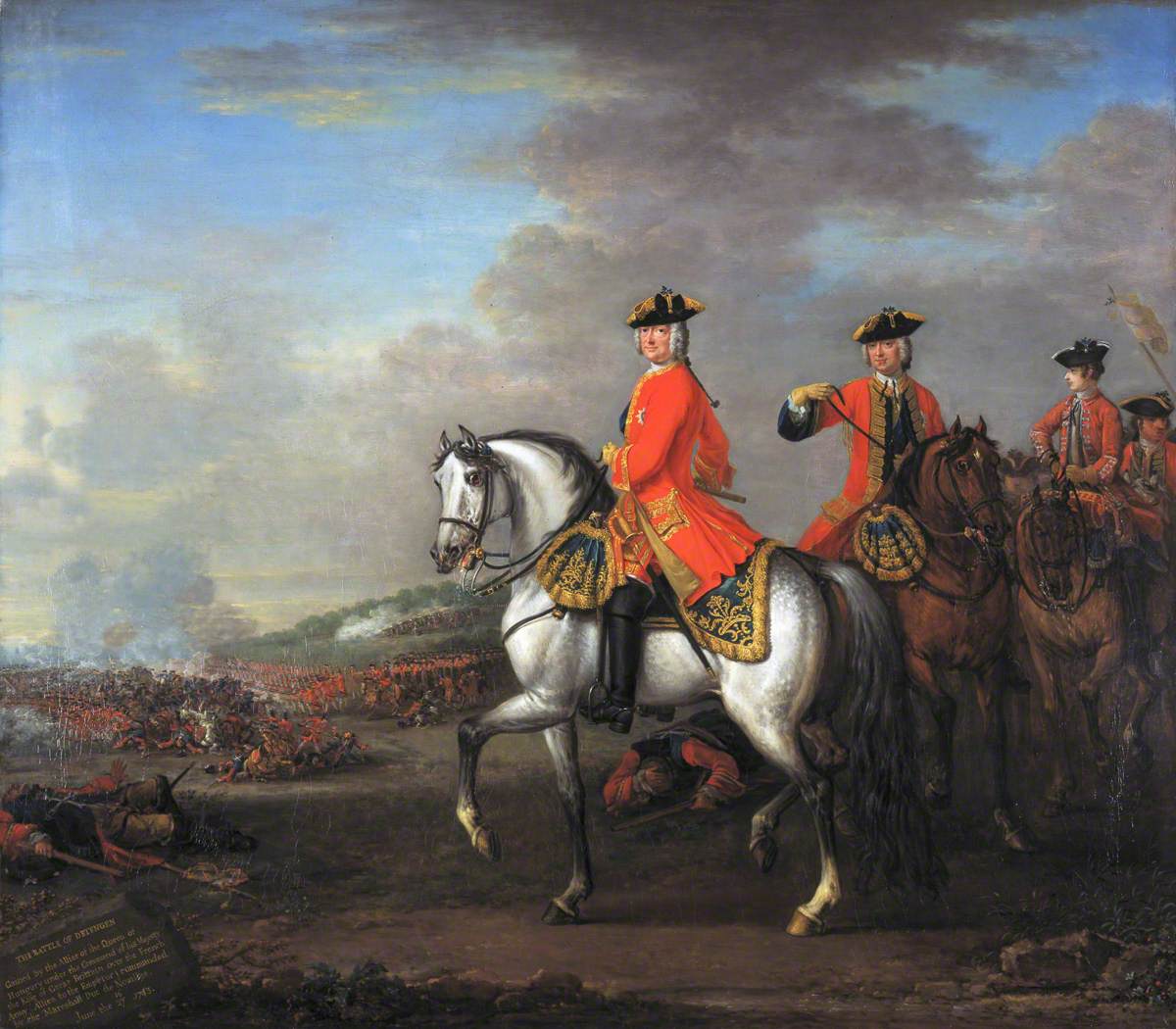
George II at the Battle of Dettingen, with the Duke of Cumberland and Robert, 4th Earl of Holderness
John Wootton · 1743
Primary source
Memoirs of the Reign of George the Second, from his Accession to the Death of Queen Caroline
John Hervey, Baron Hervey
 Document
Primary source
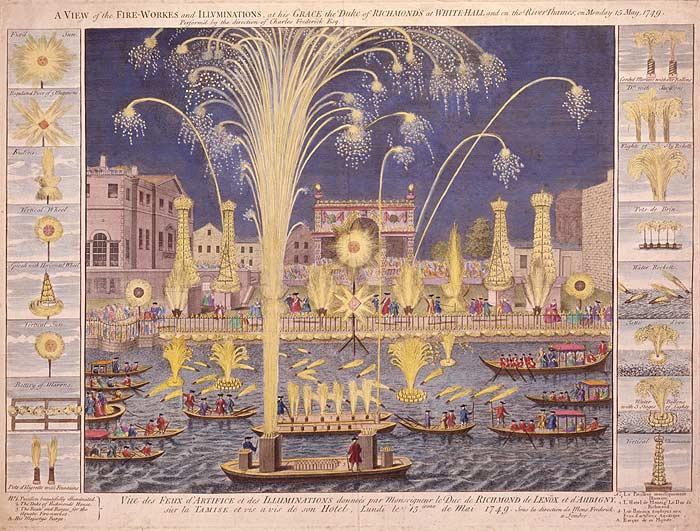
Music for the Royal Fireworks
George Frideric Handel · 1749
Ready when you are
Start chatting with George II now.
20 messages free · No credit card · Available in 50+ languages.