


Primary sourcePaintingbetween 1740 and 1760
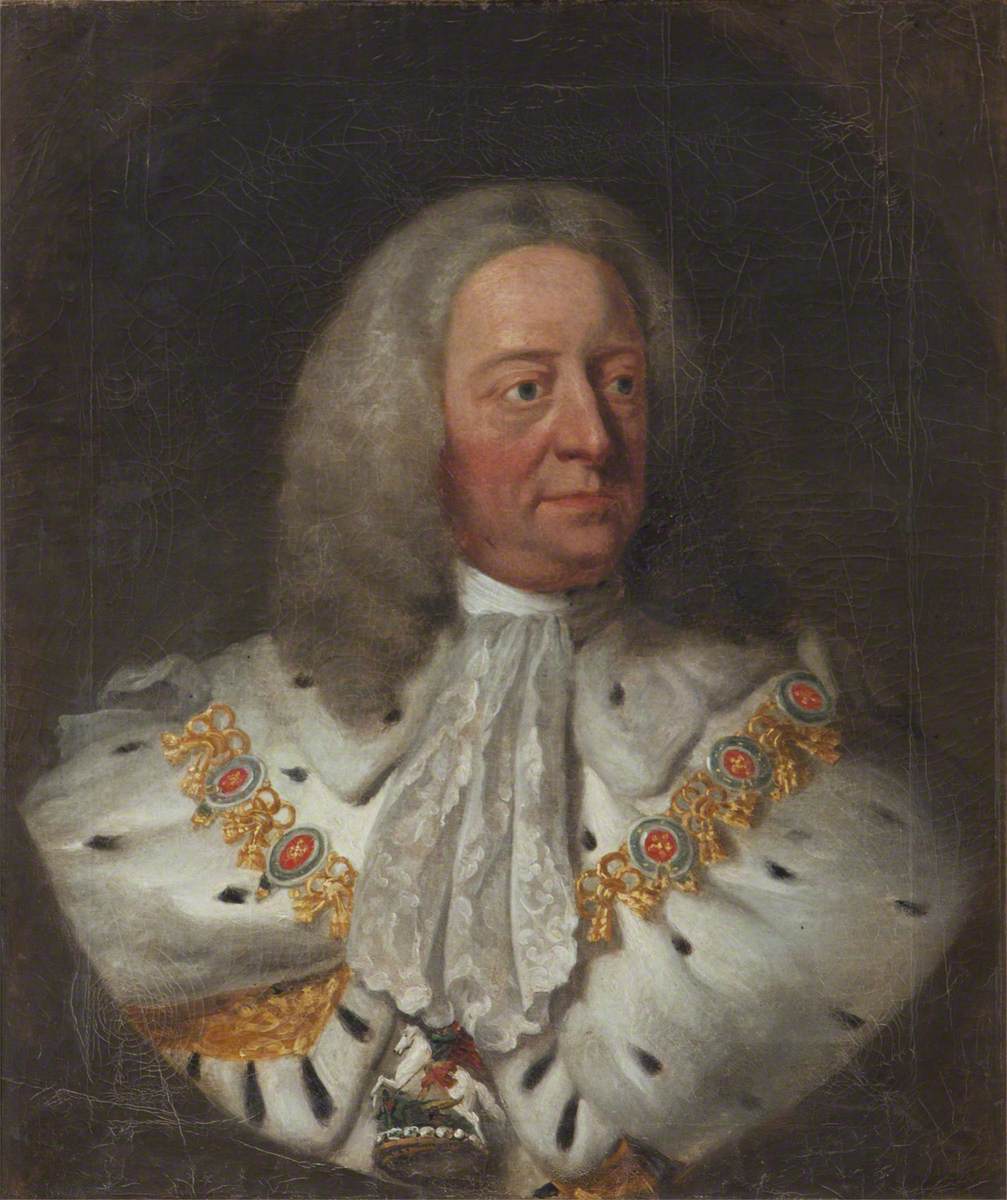
King George II wearing Garter robes
between 1740 and 1760
A mid-18th-century oil portrait of George II in the ermine-trimmed robes of the Order of the Garter, painted by an unknown artist.
Shows George II as a sitter in his formal Garter robes, the kind of official image that presented the king to his subjects.
About this source
What it is
This oil portrait shows an older man with a grey wig and pale lace cravat. He wears white robes trimmed with ermine, gold chains and red and blue medallions, and faces three-quarters left with a slight smile. The record dates it between 1740 and 1760, and the painter is anonymous. It shows George II, who was king from 1727 to 1760.
Why it matters
Royal portraits were made to show rank, authority and membership of an order of chivalry. The Garter robes and chains signal a place among the most honoured knights of the realm. Portraits like this were widely copied and displayed, so they helped shape how the public saw the monarch during his reign.
Look closer
- Which objects in the picture show rank, and what might each one communicate to a viewer?
- Why might a king want to appear smiling and calm in an official portrait?
- Who painted this, and what do we lose when the artist is unknown?
This painting is part of the curated material that grounds the AI version of George II on Humy.ai — when students ask about related events, the AI can quote it and cite it.
More George II sources
Meet the AI George II →Primary source
Charter of the Colony of Georgia
George II / Crown of Great Britain · 1732
Primary source
Zadok the Priest
George Frideric Handel · 1727
 Painting
Primary source
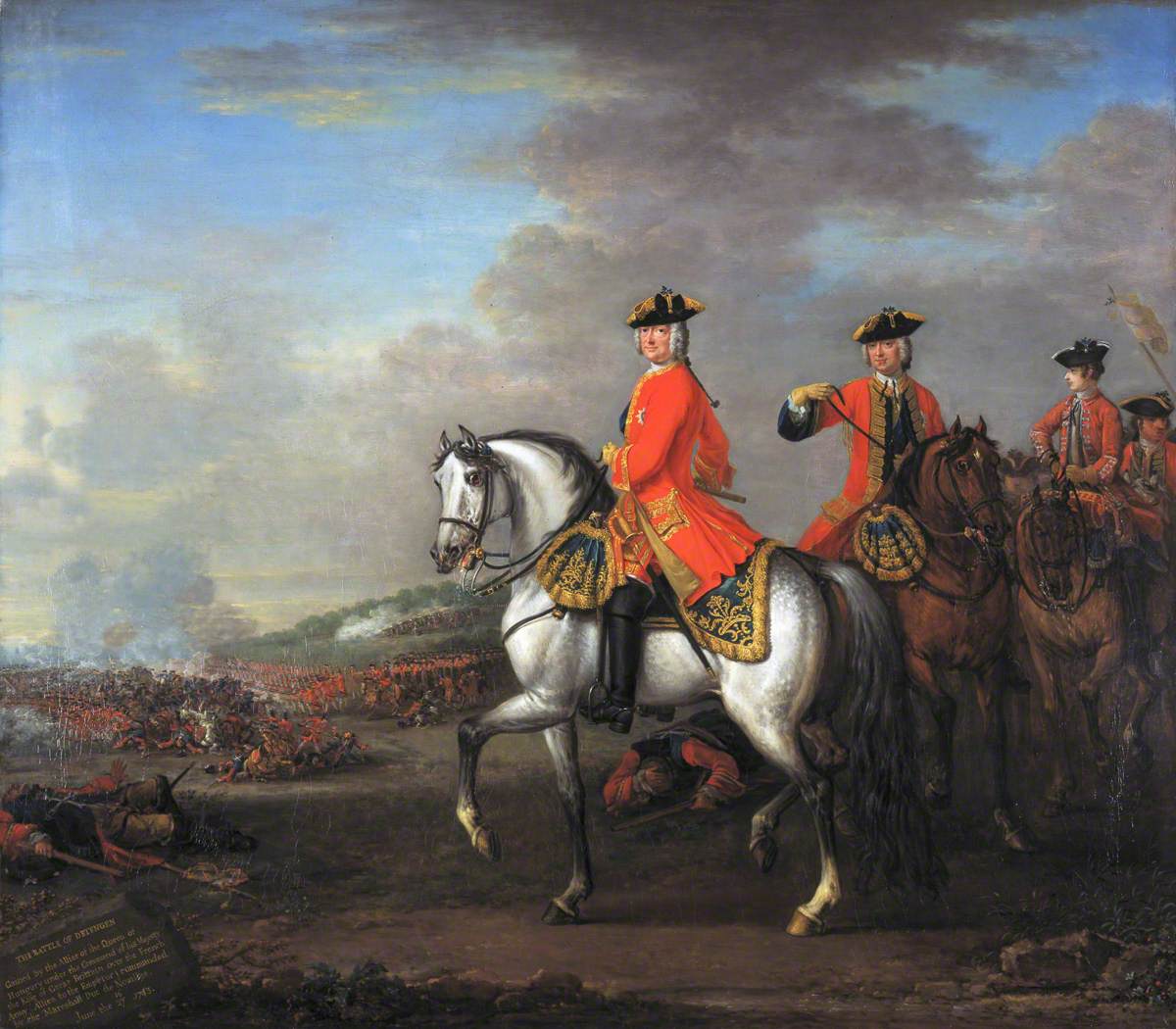
George II at the Battle of Dettingen, with the Duke of Cumberland and Robert, 4th Earl of Holderness
John Wootton · 1743
Primary source
Memoirs of the Reign of George the Second, from his Accession to the Death of Queen Caroline
John Hervey, Baron Hervey
 Document
Primary source
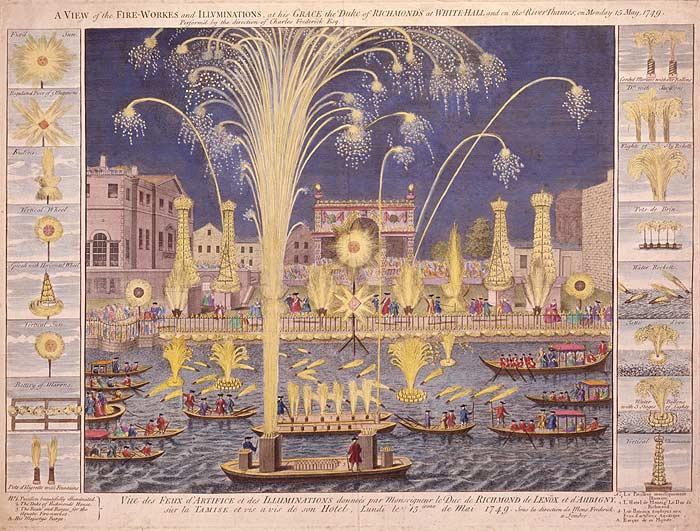
Music for the Royal Fireworks
George Frideric Handel · 1749
Ready when you are
Start chatting with George II now.
20 messages free · No credit card · Available in 50+ languages.