


Primary sourcePainting1727
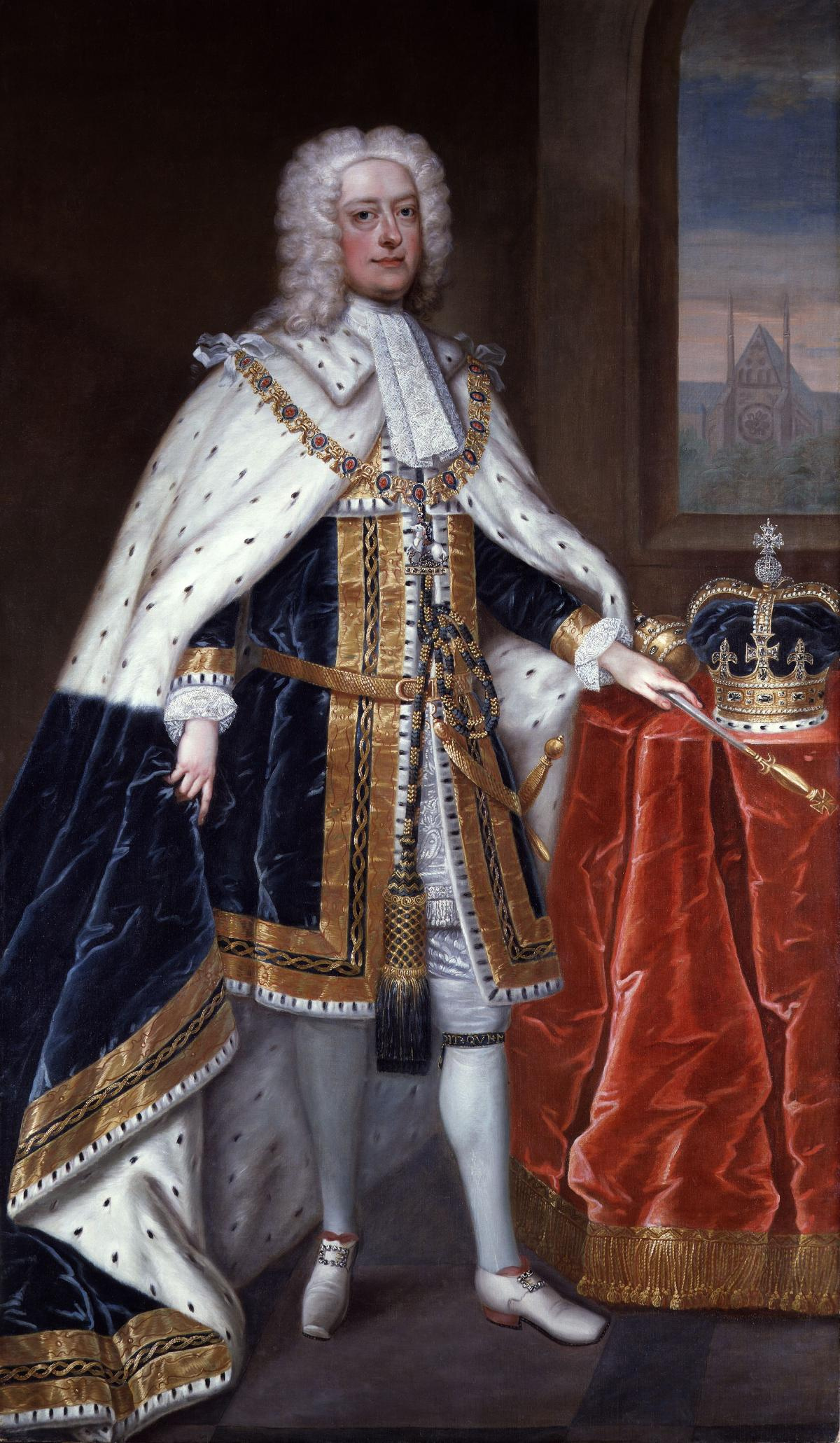
Portrait of King George II
Studio of Charles Jervas · 1727
A full-length portrait of George II painted in 1727 as a companion piece to a portrait of his wife, Queen Caroline.
This 1727 portrait depicts George II at the start of his reign, paired with a companion portrait of his queen.
About this source
What it is
This full-length oil painting from the studio of Charles Jervas, made in 1727, shows King George II standing in ceremonial dress. It was painted as a companion to a portrait of his wife, Caroline of Ansbach.
He is shown wearing a white powdered wig and dark blue velvet robe trimmed with gold and ermine, with a gold collar and sash, standing beside a table holding a crown and scepter, with a Gothic cathedral visible through a window behind him.
Why it matters
Paired portraits of a king and queen were a common way of presenting the royal couple together, each showing symbols of their rank. This portrait, from the very start of George II's reign, shows how the new monarchy wanted to present itself to the public and court.
Look closer
- Why might this portrait have been designed as a pair with one of Queen Caroline?
- What do the objects beside the king (the crown and scepter) tell you about his role?
- What might the view of a cathedral in the background be meant to suggest?
This painting is part of the curated material that grounds the AI version of George II on Humy.ai — when students ask about related events, the AI can quote it and cite it.
More George II sources
Meet the AI George II →Primary source
Charter of the Colony of Georgia
George II / Crown of Great Britain · 1732
Primary source
Zadok the Priest
George Frideric Handel · 1727
 Painting
Primary source
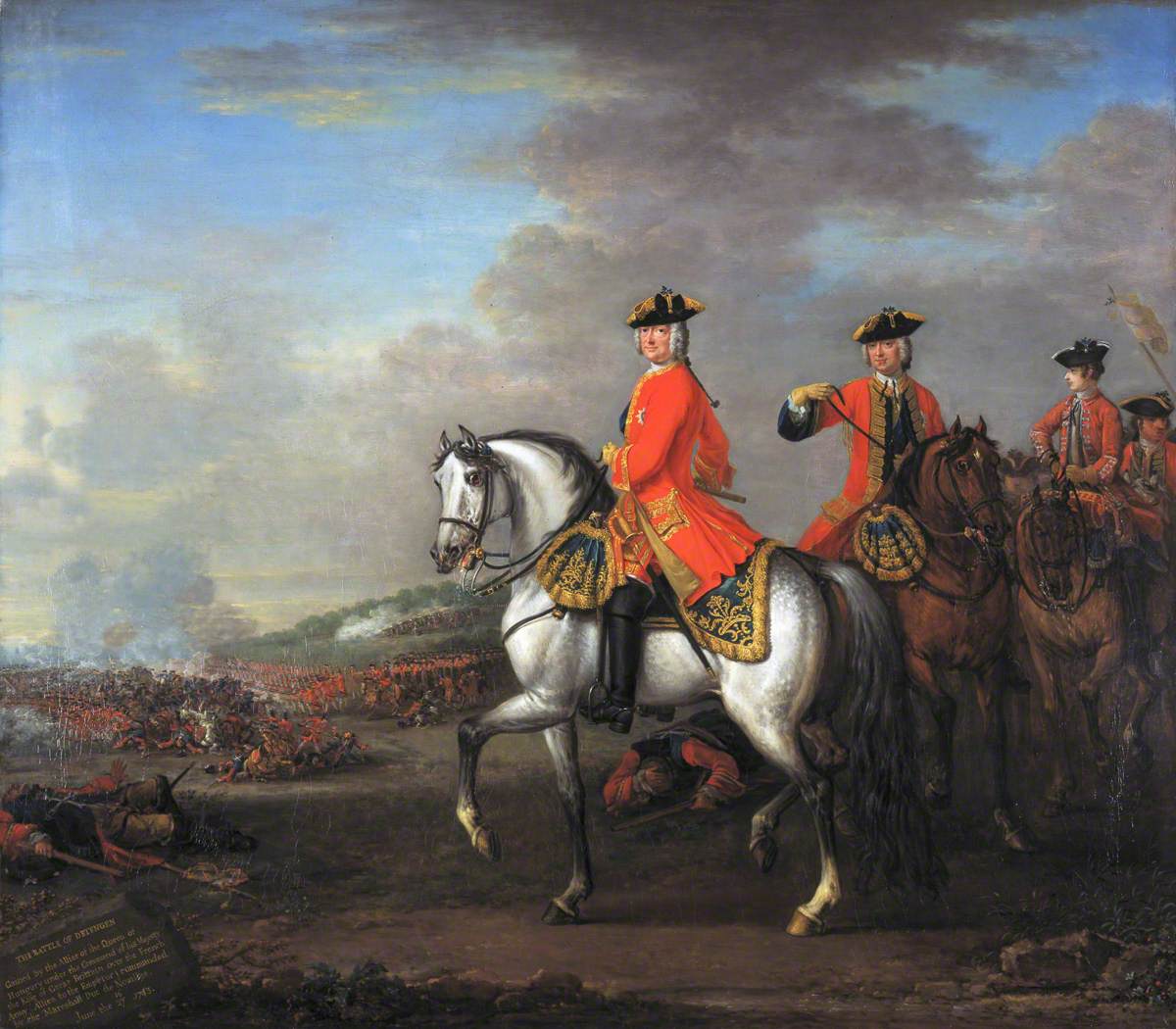
George II at the Battle of Dettingen, with the Duke of Cumberland and Robert, 4th Earl of Holderness
John Wootton · 1743
Primary source
Memoirs of the Reign of George the Second, from his Accession to the Death of Queen Caroline
John Hervey, Baron Hervey
 Document
Primary source
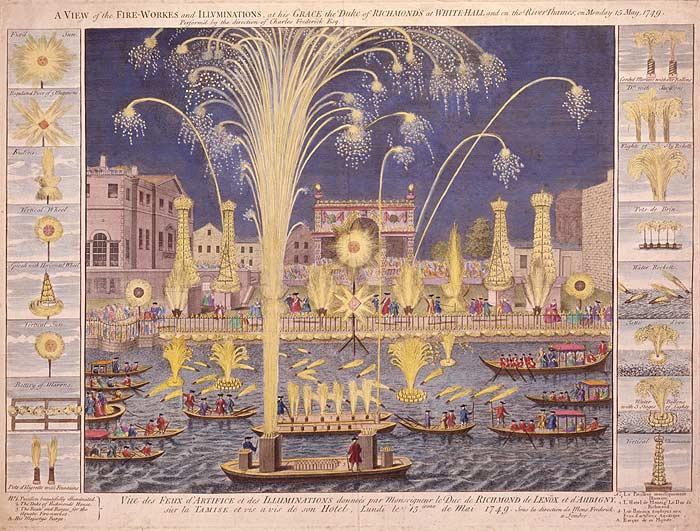
Music for the Royal Fireworks
George Frideric Handel · 1749
Ready when you are
Start chatting with George II now.
20 messages free · No credit card · Available in 50+ languages.