


Primary sourcePainting1749–1750
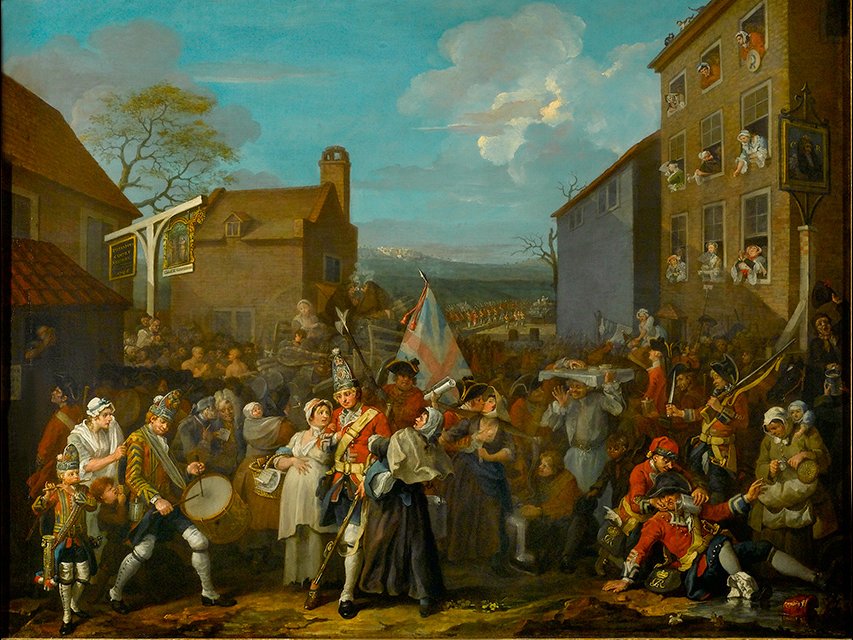
The March of the Guards to Finchley
William Hogarth · 1749–1750
Hogarth's satirical 1749-50 painting of undisciplined troops marching to defend London in 1745, reportedly rejected in anger by George II.
George II reportedly rejected this painting in anger because it mocked rather than honoured his guards.
About this source
What it is
This oil painting by William Hogarth was completed around 1749-1750 and shows soldiers marching through a chaotic London street scene on their way to Finchley during the 1745 Jacobite rising. It is held by the Foundling Museum.
Why it matters
Hogarth originally intended the painting as a gift for George II, honouring his troops, but the King reportedly found it insulting because it mocked the soldiers' lack of discipline rather than praising them. After the rejection, Hogarth dedicated the engraved version to Frederick the Great of Prussia instead. The painting shows how satire could clash with royal expectations of flattery, and reveals something of George II's attitude toward art that did not show his forces in a heroic light.
Look closer
- What details in the painting make the soldiers look undisciplined rather than heroic?
- Why might Hogarth have expected the King to approve of this image, and why did he not?
- What does the King's reported reaction tell you about the relationship between artists and rulers?
This painting is part of the curated material that grounds the AI version of George II on Humy.ai — when students ask about related events, the AI can quote it and cite it.
More George II sources
Meet the AI George II →Primary source
Charter of the Colony of Georgia
George II / Crown of Great Britain · 1732
Primary source
Zadok the Priest
George Frideric Handel · 1727
 Painting
Primary source
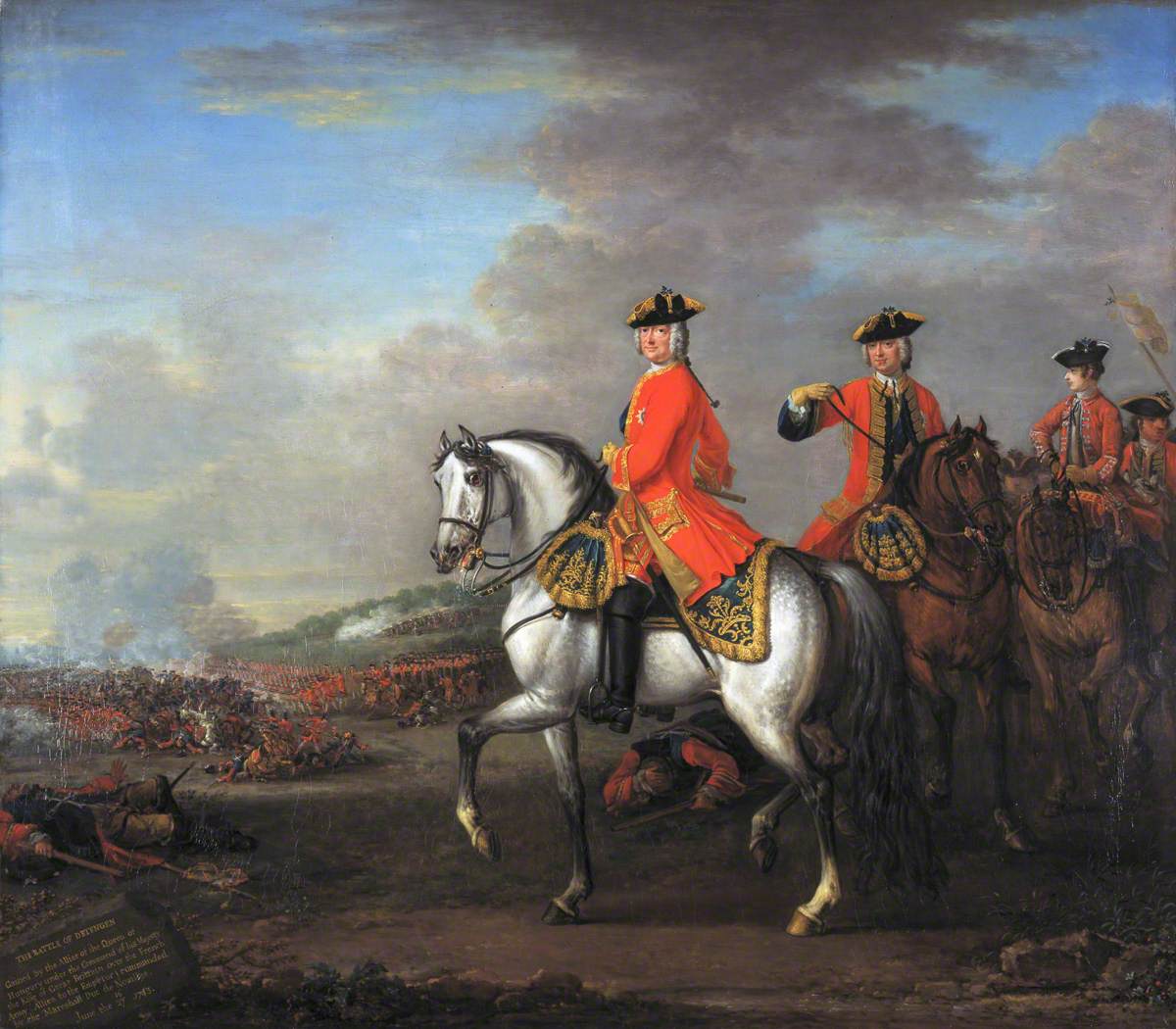
George II at the Battle of Dettingen, with the Duke of Cumberland and Robert, 4th Earl of Holderness
John Wootton · 1743
Primary source
Memoirs of the Reign of George the Second, from his Accession to the Death of Queen Caroline
John Hervey, Baron Hervey
 Document
Primary source
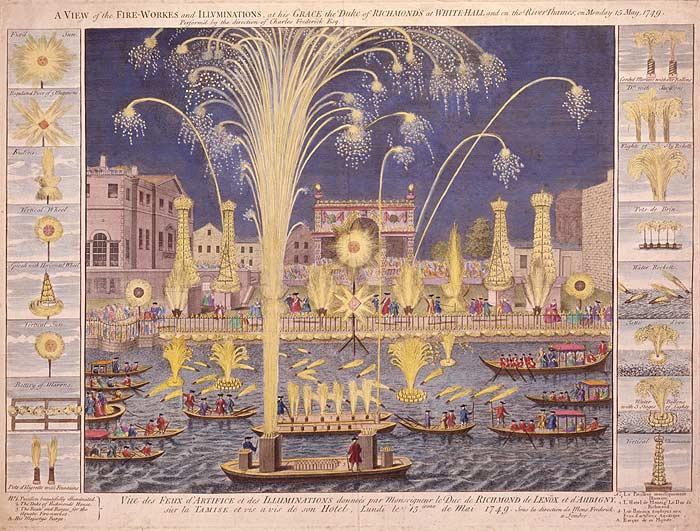
Music for the Royal Fireworks
George Frideric Handel · 1749
Ready when you are
Start chatting with George II now.
20 messages free · No credit card · Available in 50+ languages.