


Primary sourceDocument18 October 1748
Treaty of Aix-la-Chapelle
18 October 1748
The 1748 peace treaty that ended the War of the Austrian Succession, a war George II took part in personally.
Ended the war George II personally fought in, shaping the later course of his reign.
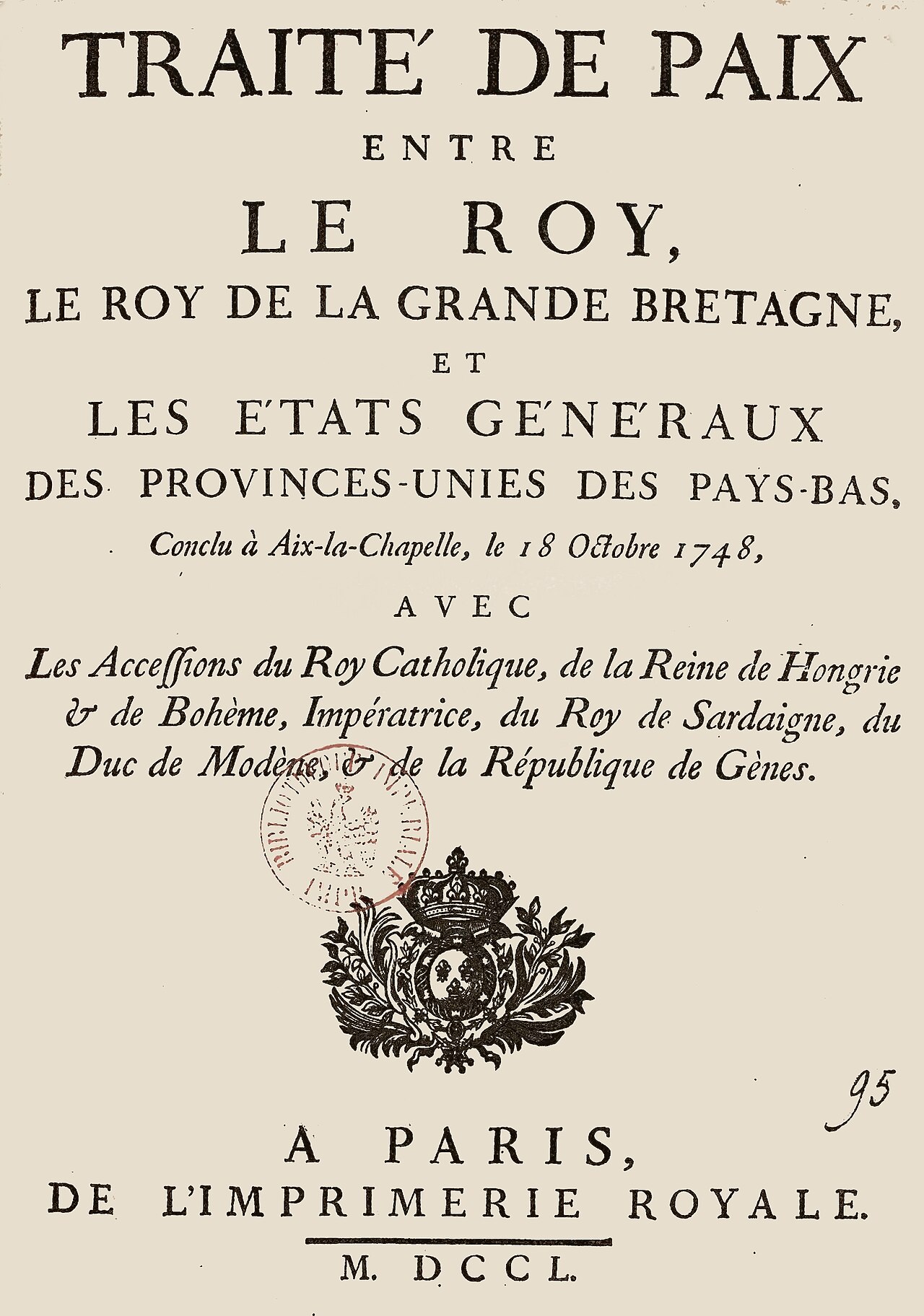
About this source
What it is
This printed document is the Treaty of Aix-la-Chapelle, signed in 1748 by Britain, France and the Dutch Republic, with other powers acceding soon after. It ended the War of the Austrian Succession following negotiations at Aachen. The copy shown is a printed edition from 1750, published in Paris.
Why it matters
George II of Britain, Maria Theresa of Austria, and Louis XV of France were all affected by its terms, which included recognising Prussia's hold on Silesia and restoring other territories. The treaty satisfied almost none of the powers involved, leaving disputes that led to the Seven Years' War less than a decade later. It shows the complicated diplomacy and compromises that shaped George II's reign.
Look closer
- Why might a treaty that pleased no one still be signed by every power involved?
- What does the treaty's list of unresolved issues tell you about the limits of 18th-century diplomacy?
- What does this document not tell you about the ordinary people affected by the war?
This document is part of the curated material that grounds the AI version of George II on Humy.ai — when students ask about related events, the AI can quote it and cite it.
More George II sources
Meet the AI George II →Primary source
Charter of the Colony of Georgia
George II / Crown of Great Britain · 1732
Primary source
Zadok the Priest
George Frideric Handel · 1727
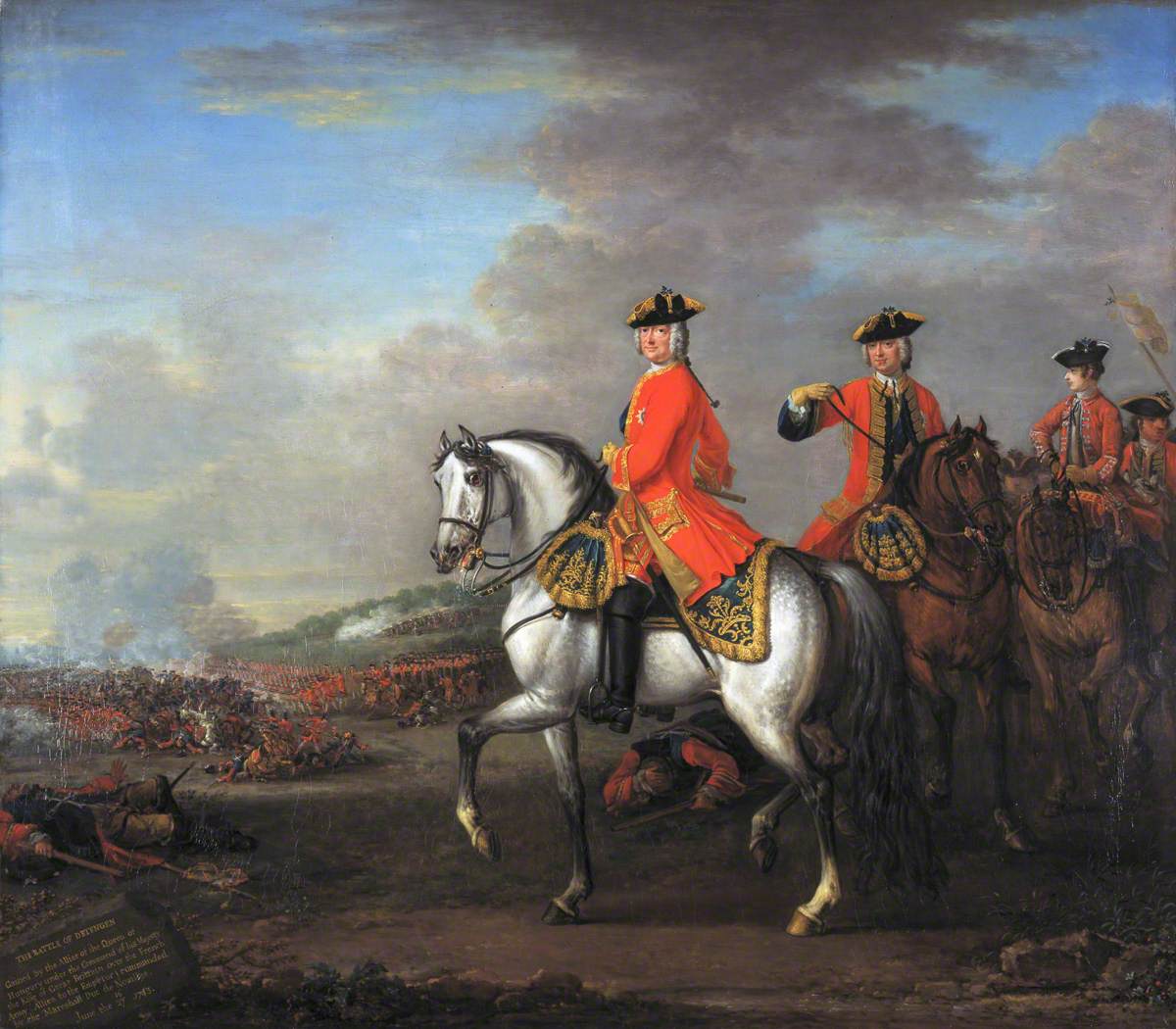 Painting
Primary source
George II at the Battle of Dettingen, with the Duke of Cumberland and Robert, 4th Earl of Holderness
John Wootton · 1743
Primary source
Memoirs of the Reign of George the Second, from his Accession to the Death of Queen Caroline
John Hervey, Baron Hervey
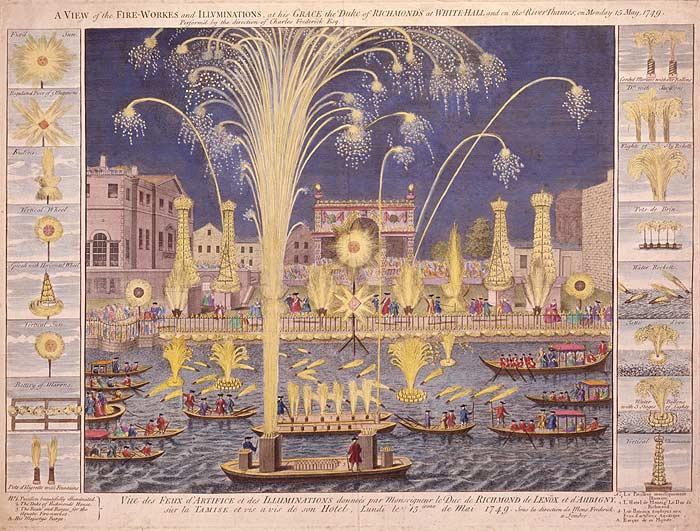 Document
Primary source
Music for the Royal Fireworks
George Frideric Handel · 1749
Ready when you are
Start chatting with George II now.
20 messages free · No credit card · Available in 50+ languages.