


Primary sourceDocument11 February 1889
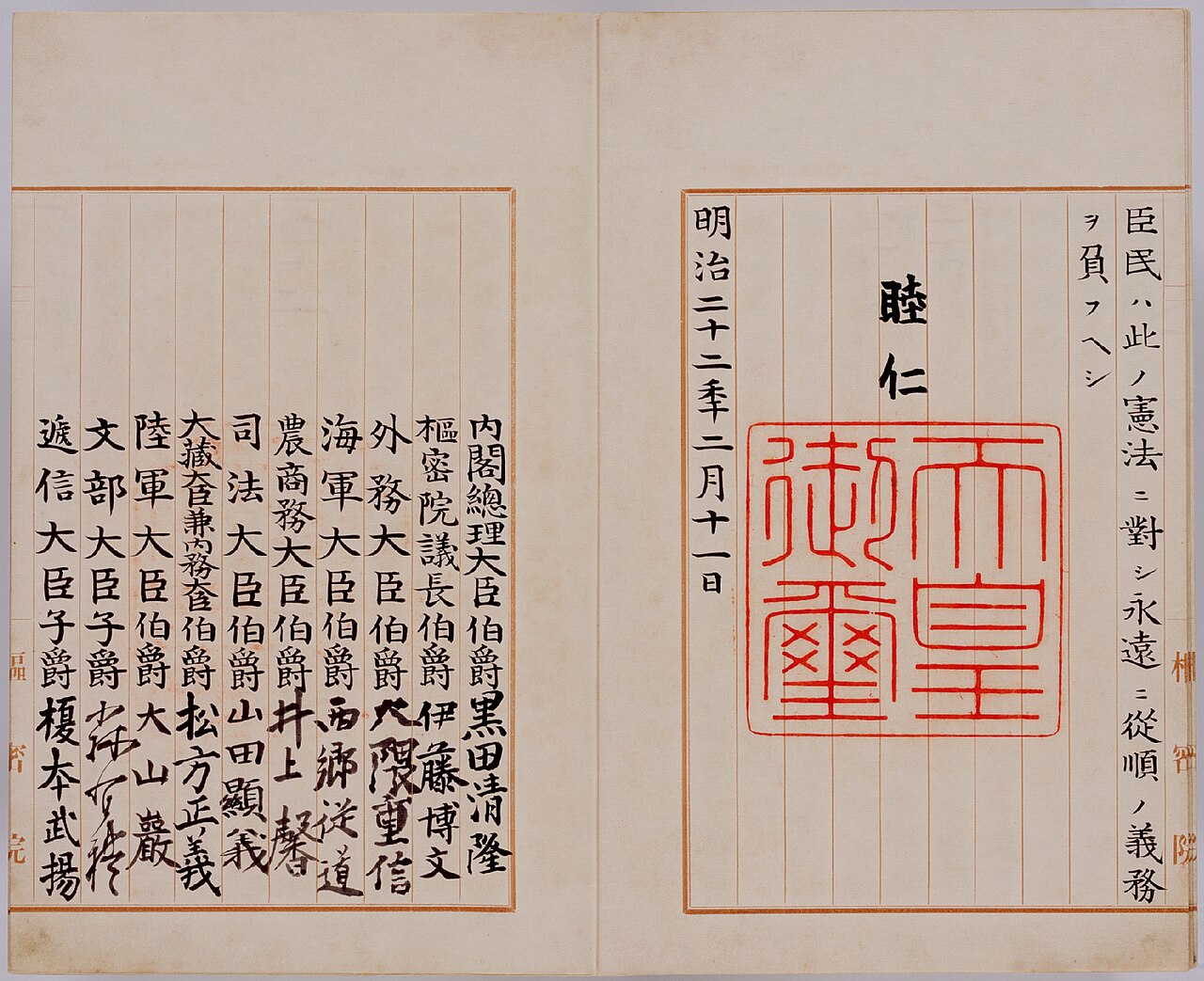
Constitution of the Empire of Japan
11 February 1889
The 1889 constitution, granted in Emperor Meiji's name, defined him as sacred and sovereign and created Japan's first parliament.
Proclaimed as a gift from Emperor Meiji, this constitution made him sovereign, sacred and commander-in-chief of Japan.
Free Humy account · No credit card · 120,912 sources to read
About this source
What it is
The Constitution of the Empire of Japan, also called the Meiji Constitution, was proclaimed on 11 February 1889 and took effect in 1890. It was presented as a gift from Emperor Meiji to his people, drafted largely on German and British models by the Meiji oligarchy who advised him.
Why it matters
The constitution made the emperor the sacred, inviolable head of state and commander-in-chief, while a Prime Minister led day-to-day government. It opened Asia's first parliamentary system, yet kept real power with the emperor and the oligarchs, including figures like those who shaped the Charter Oath era. It shows how Meiji Japan combined modern institutions with an absolute monarchy built around the emperor's person.
Look closer
- What does the imperial seal and the oath at the sanctuary tell you about how this constitution was presented to the public?
- Why might the government want the constitution to look like a gift from the emperor rather than a law imposed on him?
- Who actually voted for the new parliament, and who could not?
This document is part of the curated material that grounds the AI version of Emperor Meiji and Itō Hirobumi on Humy.ai — when students ask about related events, the AI can quote it and cite it.
More Emperor Meiji sources
Browse all 94 →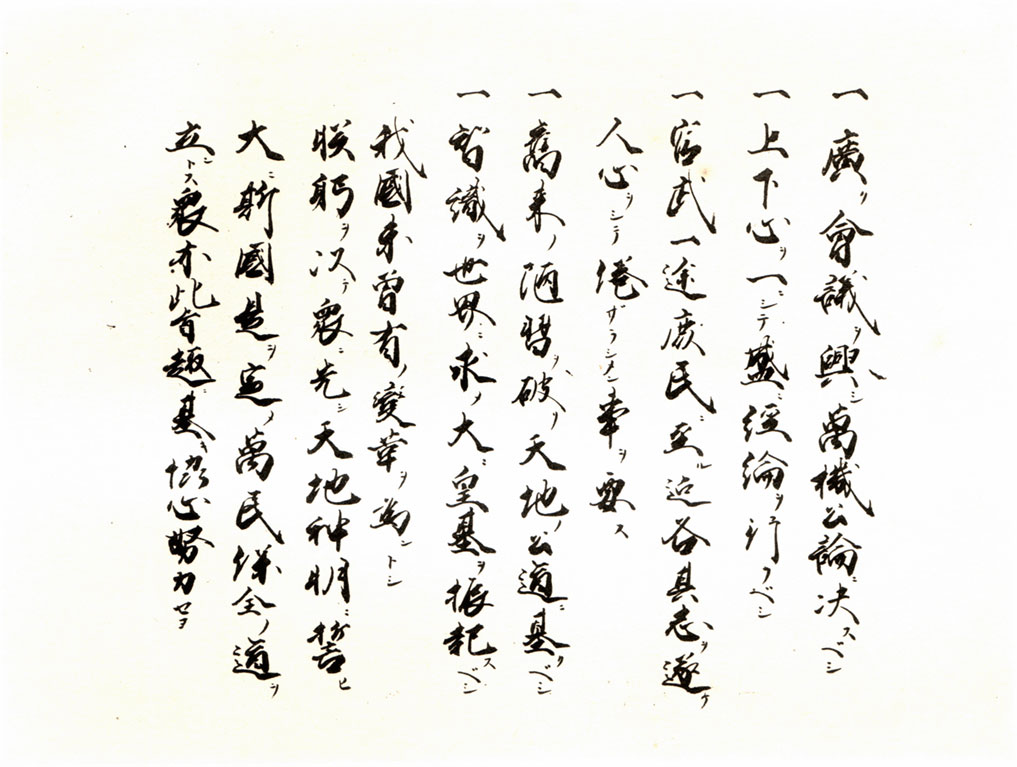 Document
Primary source
Charter Oath
Kido Takayoshi · 6 April 1868
 Document
Primary source
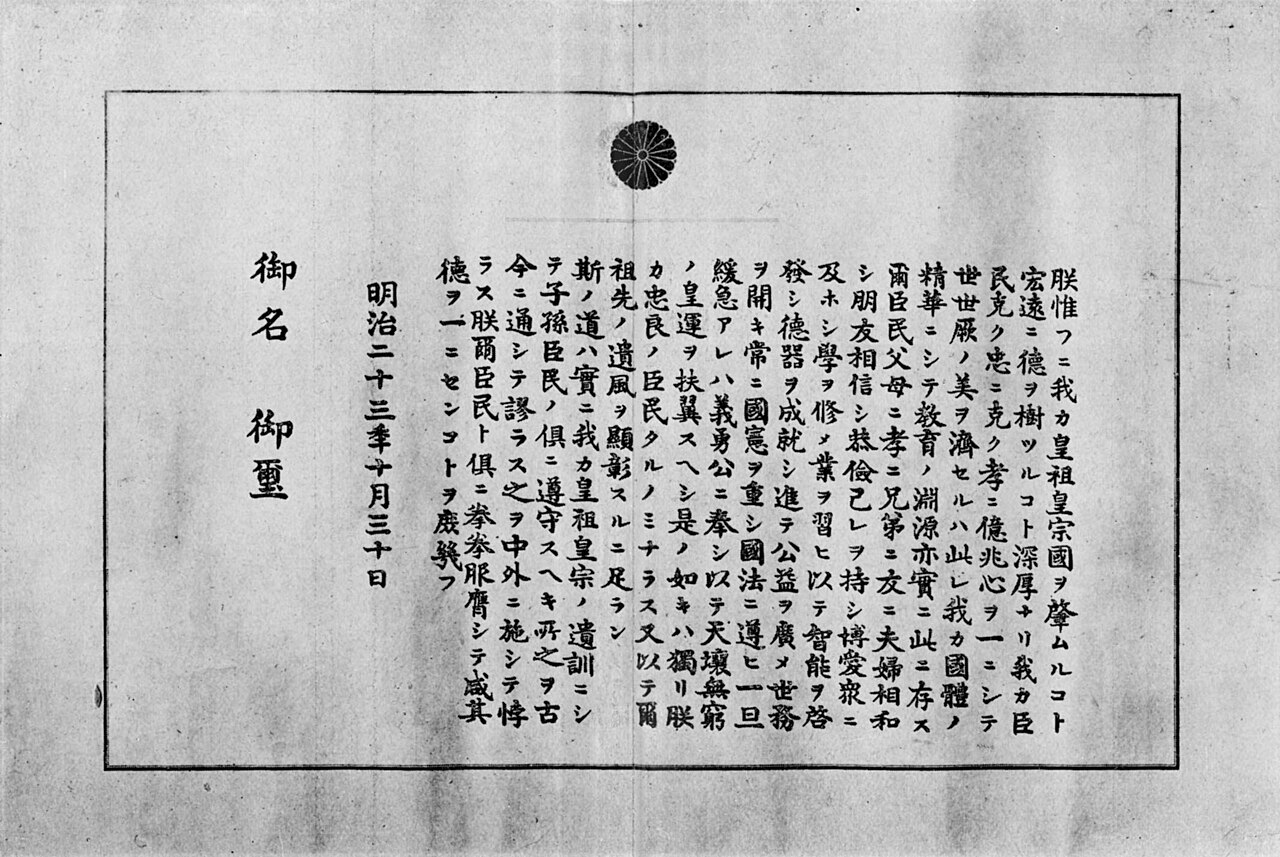
Imperial Rescript on Education
Inoue Kowashi · 30 October 1890
 Document
Primary source
Imperial Rescript to Soldiers and Sailors
Yamagata Aritomo · 4 January 1882
 Photograph
Primary source
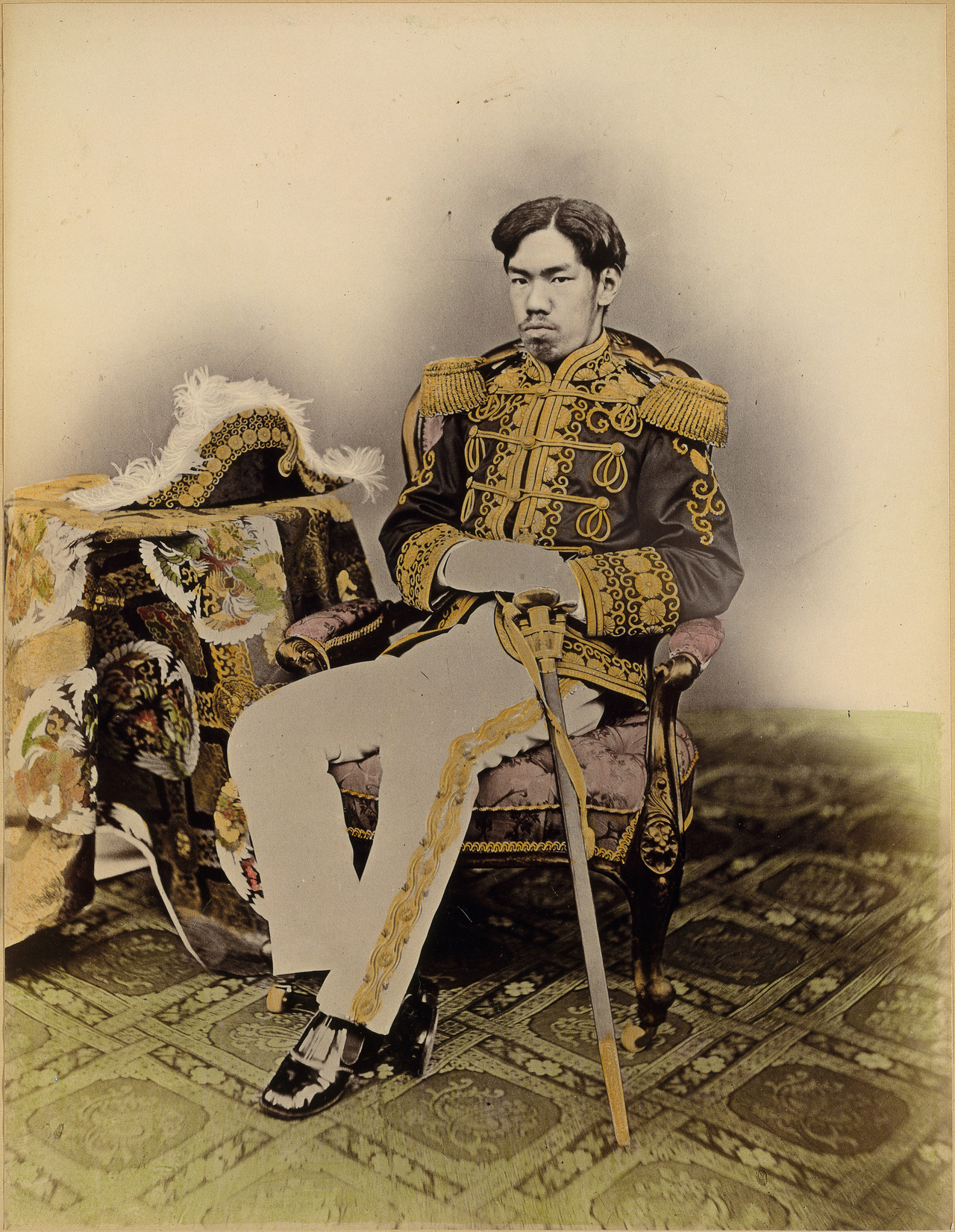
Mutsuhito, The Meiji Emperor
Uchida Kuichi · 1873
Free account
Read every Emperor Meiji source
Sign up free →
Ready when you are
Start chatting with Emperor Meiji now.
20 messages free · No credit card · Available in 50+ languages.