


Primary sourcePhotograph1861
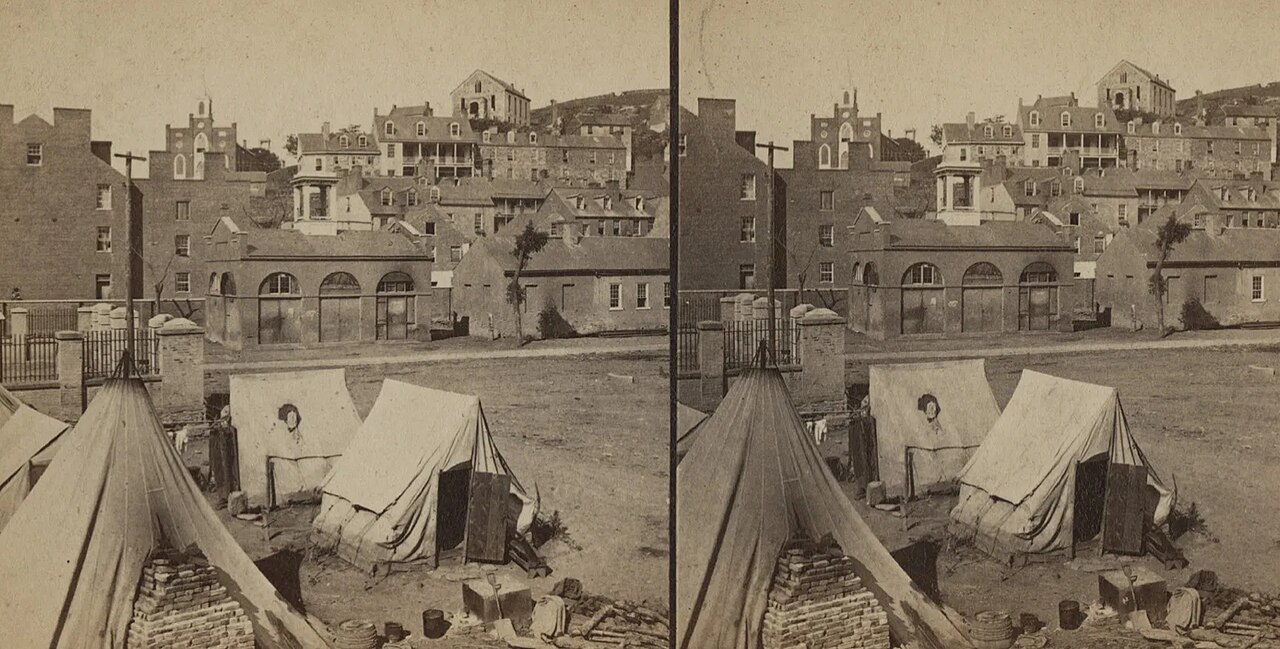
Contraband Camp at Harpers Ferry
Unknown · 1861
A Civil War stereoscopic photograph of a camp for formerly enslaved people, the kind of camp where Harriet Jacobs worked to aid freedpeople.
Shows the type of freedpeople's camp where Jacobs performed relief and teaching work during the Civil War.
About this source
What it is
This is a sepia stereoscopic photograph taken in 1861, showing a camp for escaped enslaved people at Harpers Ferry during the Civil War. It shows canvas tents, chimney remains, and brick buildings in the background. The photographer is unknown.
Why it matters
During the Civil War, thousands of enslaved people fled to Union lines and lived in camps like this one, often called "contraband camps." Harriet Jacobs, who had escaped slavery herself, traveled to such camps to deliver aid, teach, and advocate for freedpeople's welfare. This image helps us picture the conditions she encountered.
Look closer
- What do the tents and makeshift buildings tell you about living conditions in the camp?
- Why might this scene have been photographed in stereoscopic form?
- What does the image not show about daily life in the camp?
This photograph is part of the curated material that grounds the AI version of Harriet Jacobs on Humy.ai — when students ask about related events, the AI can quote it and cite it.
More Harriet Jacobs sources
Meet the AI Harriet Jacobs →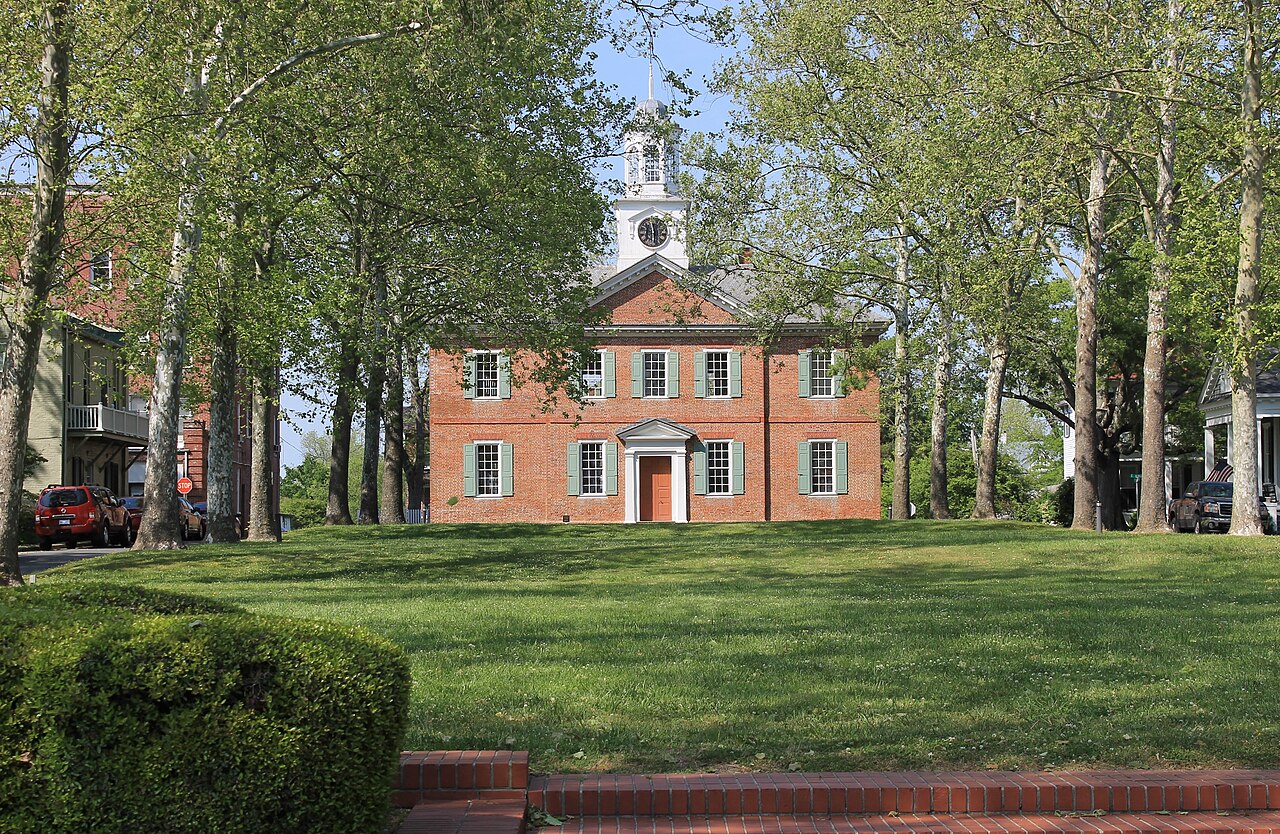 Artifact
Secondary source
Chowan County Courthouse
1767
 Book
Primary source
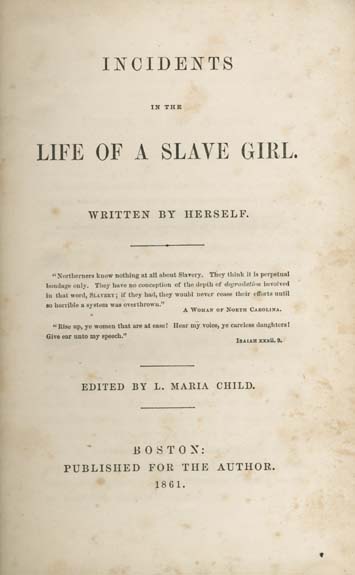
Incidents in the Life of a Slave Girl
Harriet Jacobs · 1861
 Photograph
Primary source
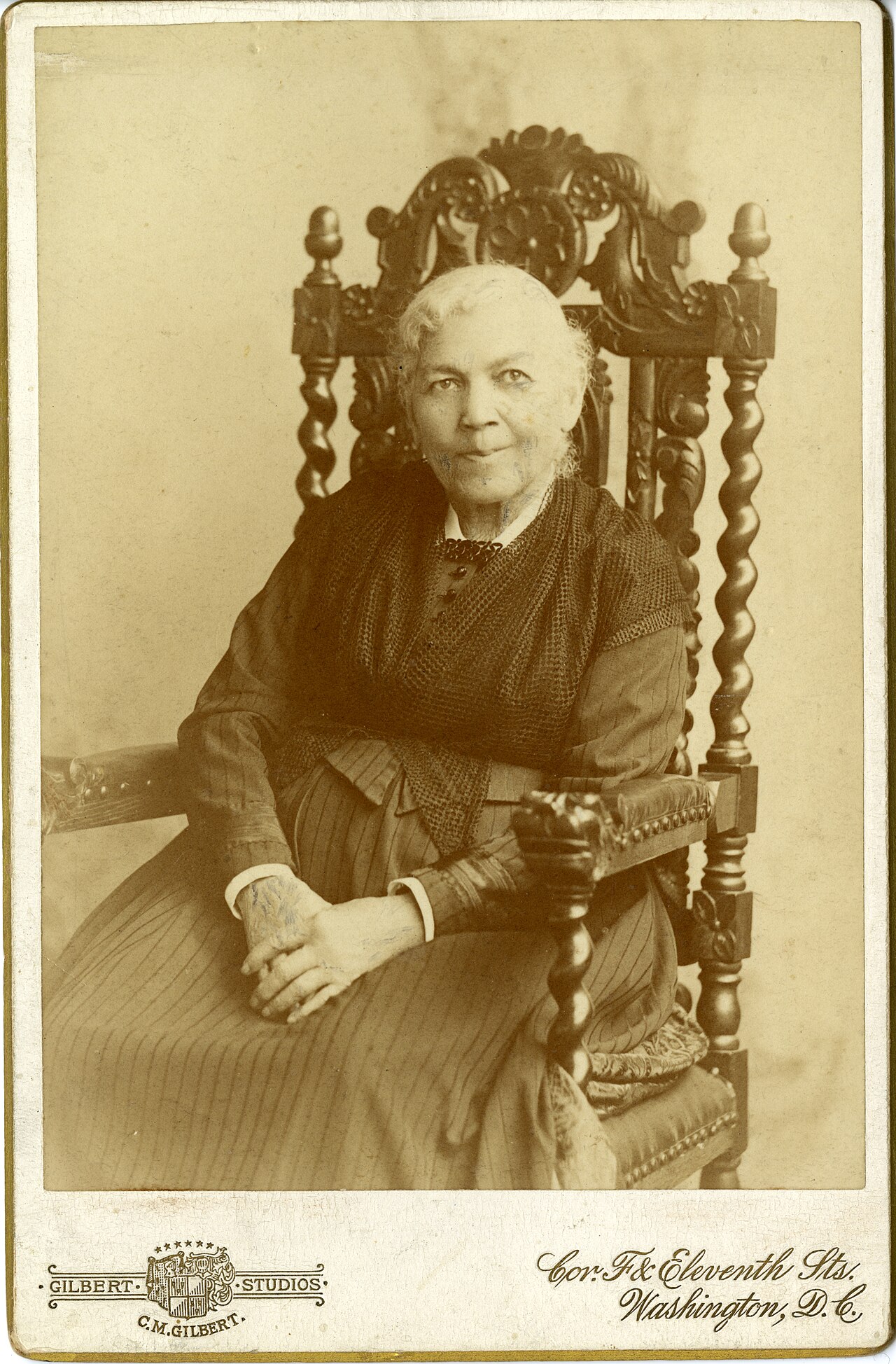
Gilbert Studios Photograph of Harriet Jacobs
Gilbert Studios (C. M. Gilbert)
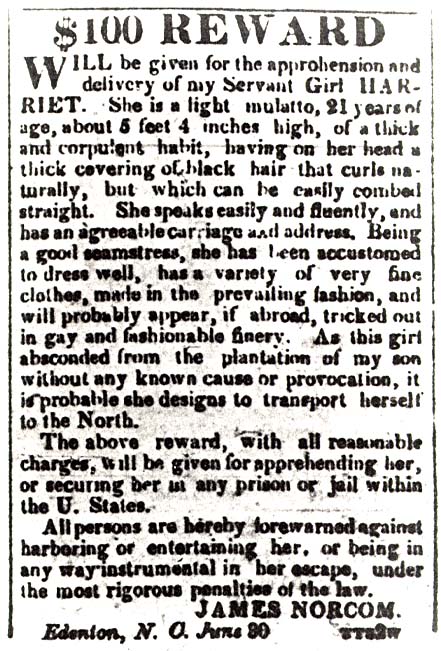 Newspaper article
Primary source
$100 Reward Advertisement for Harriet Jacobs
James Norcom · 30 June 1835
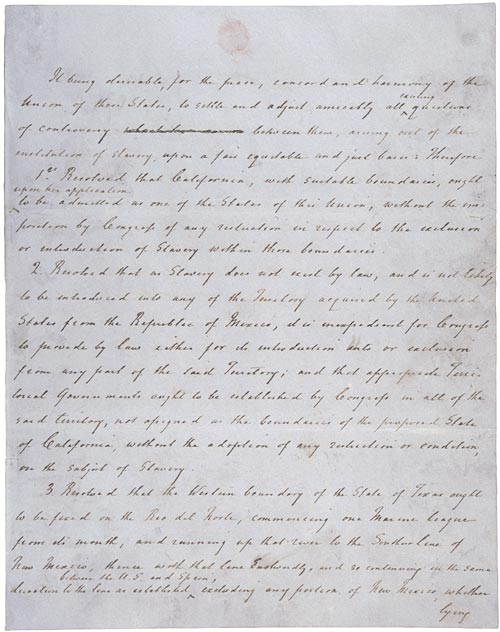 Document
Primary source
Compromise of 1850
Henry Clay · 29 January 1850 (resolutions); statutes enacted September 1850
Ready when you are
Start chatting with Harriet Jacobs now.
20 messages free · No credit card · Available in 50+ languages.