


Primary sourceDocument31 March 1854, ratified 1855
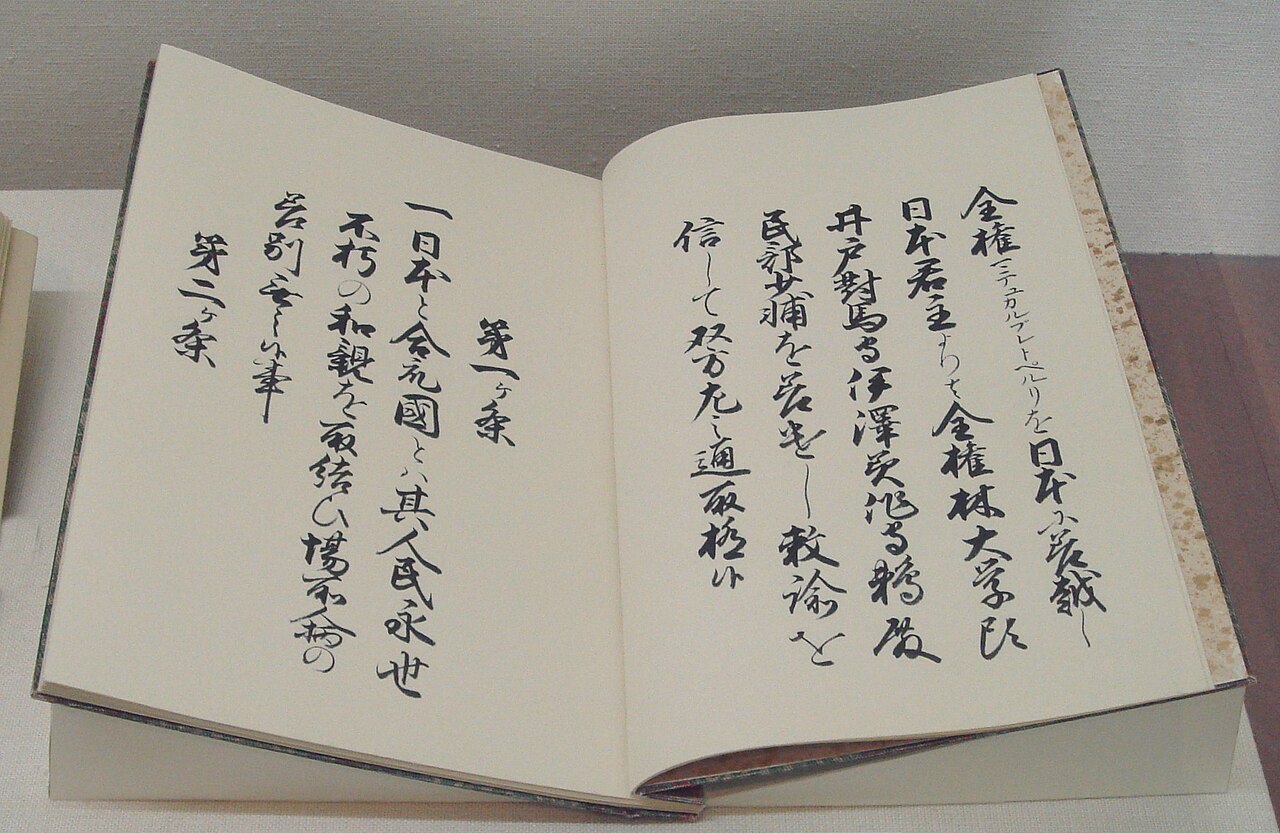
Convention of Kanagawa
Matthew C. Perry · 31 March 1854, ratified 1855
The 1854 treaty opening Japan to American ships, negotiated by Commodore Perry and ratified during Pierce's presidency.
This treaty opening Japan was negotiated and ratified during Pierce's presidency, extending American influence abroad.
About this source
What it is
The Convention of Kanagawa was signed on 31 March 1854 between the United States and the Tokugawa Shogunate of Japan. Commodore Matthew Perry negotiated it on behalf of the United States, and it opened the ports of Shimoda and Hakodate to American ships, protected shipwrecked American sailors, and allowed an American consul in Japan. It ended Japan's long policy of national seclusion.
Why it matters
The treaty was negotiated using the threat of force and was ratified during the administration of President Franklin Pierce, who had sent Perry's expedition onward from its planning under his predecessor. It marked a turning point opening Japan to the West and shows how American expansionist ambitions reached across the Pacific during Pierce's term.
Look closer
- Why did Perry use displays of force to get Japan to negotiate?
- What did the United States gain from this treaty, and what did Japan have to give up?
- Whose voices are missing from this treaty text — who negotiated it, and who did not get a say?
This document is part of the curated material that grounds the AI version of Franklin Pierce and Millard Fillmore on Humy.ai — when students ask about related events, the AI can quote it and cite it.
More Franklin Pierce sources
Meet the AI Franklin Pierce →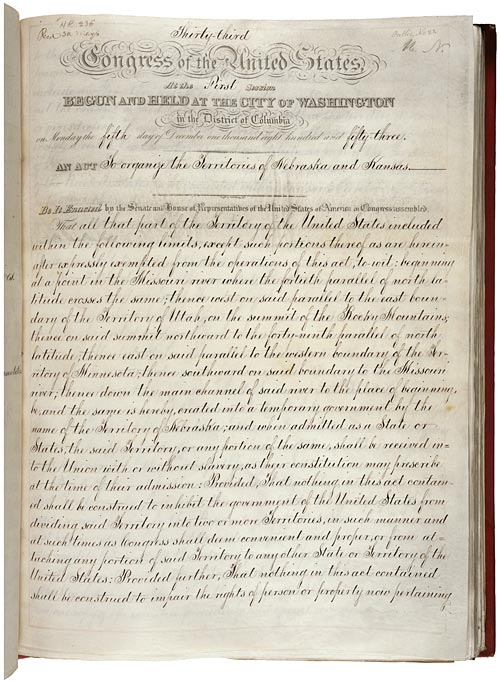 Document
Primary source
Kansas-Nebraska Act
United States Congress · 1854
Primary source
Inaugural Address of Franklin Pierce
Franklin Pierce · 4 March 1853
 Document
Secondary source
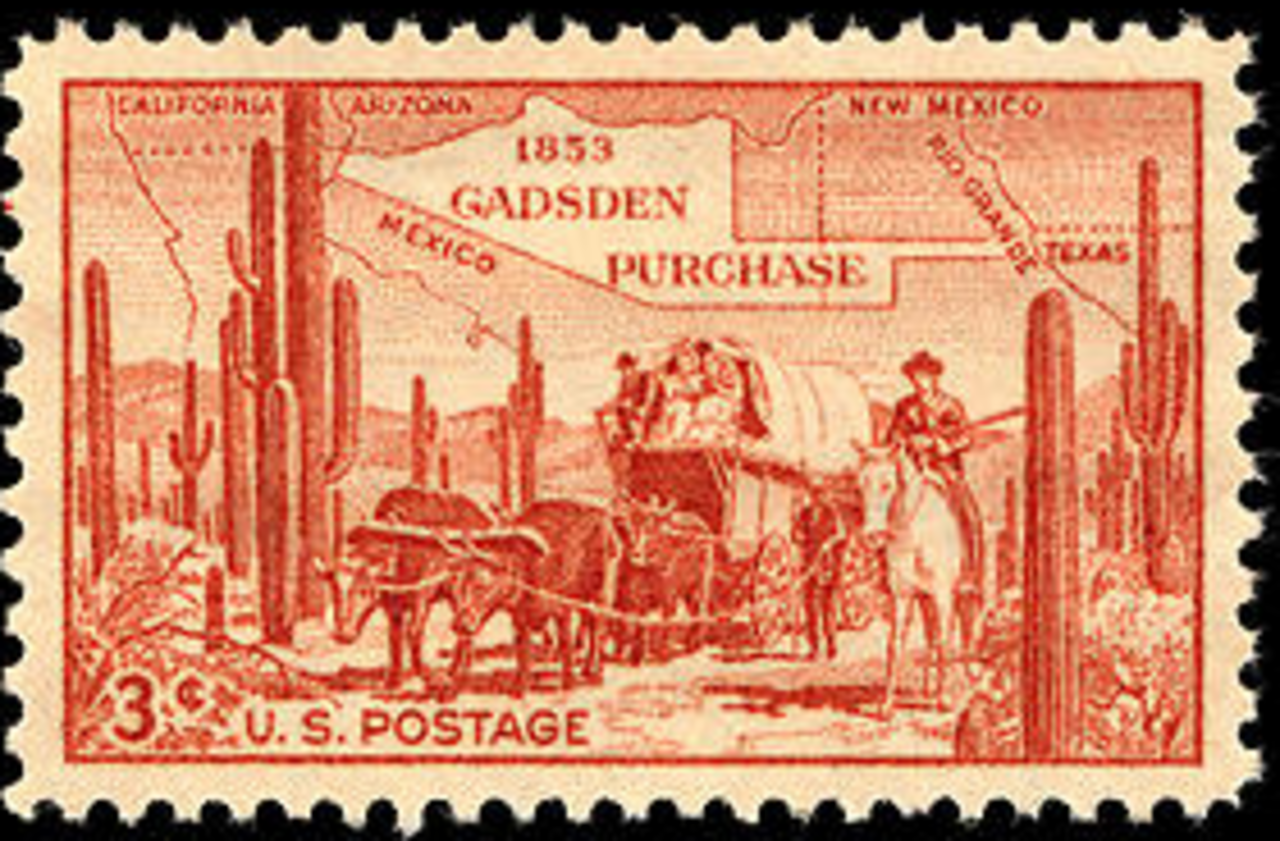
Gadsden Purchase
1853
 Painting
Primary source
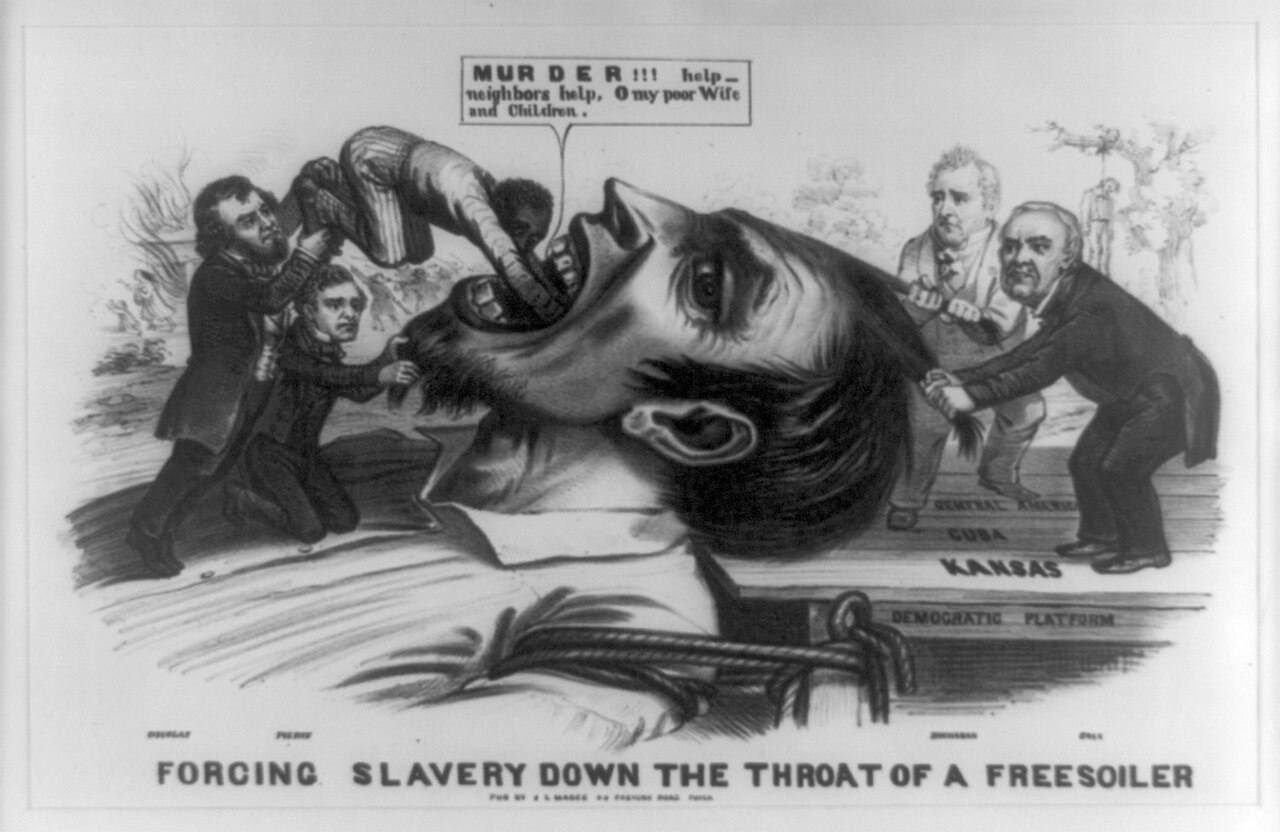
Forcing Slavery Down the Throat of a Freesoiler
John L. Magee · 1856
 Painting
Primary source
Franklin Pierce
George Peter Alexander Healy · 1853
Ready when you are
Start chatting with Franklin Pierce now.
20 messages free · No credit card · Available in 50+ languages.