


Primary sourceDocument12 September 1958
Cooper v. Aaron
12 September 1958
The 1958 Supreme Court decision, argued by Thurgood Marshall, forcing Little Rock to proceed with school integration.
Warren led the Court in this unanimous ruling enforcing desegregation against state resistance.
About this source
What it is
Cooper v. Aaron was a unanimous Supreme Court decision issued September 12, 1958, jointly authored by all nine justices but mainly drafted by Justice Brennan.
Why it matters
The case arose after the Little Rock school board tried to delay desegregation amid resistance from Governor Orval Faubus. Thurgood Marshall, representing the NAACP, argued against the delay. The Court ruled that states must obey its decisions even when they disagree, reaffirming Brown v. Board of Education and the principle of judicial supremacy first set out in Marbury v. Madison.
Look closer
- Why might all nine justices have wanted to sign this decision jointly rather than have one author?
- What does the case reveal about the gap between a court ruling on paper and enforcing it in real schools?
- How does Marshall's role as the NAACP's attorney connect this case to his earlier work on Brown?
This document is part of the curated material that grounds the AI version of Earl Warren, Orval Faubus and Thurgood Marshall on Humy.ai — when students ask about related events, the AI can quote it and cite it.
More Earl Warren sources
Meet the AI Earl Warren →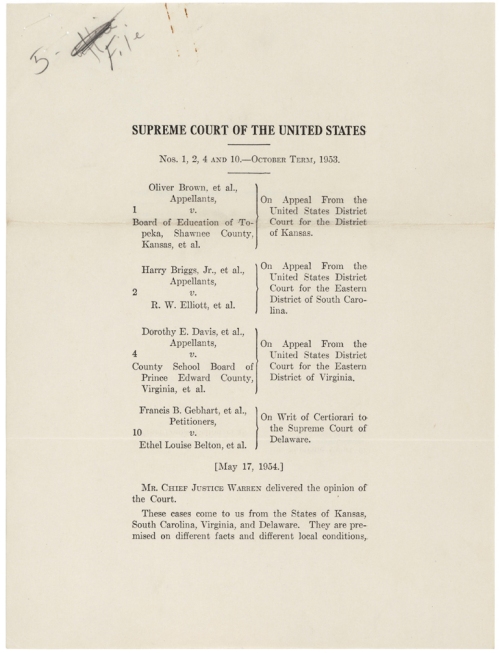 Document
Primary source
Brown v. Board of Education
Earl Warren · 17 May 1954
 Document
Primary source
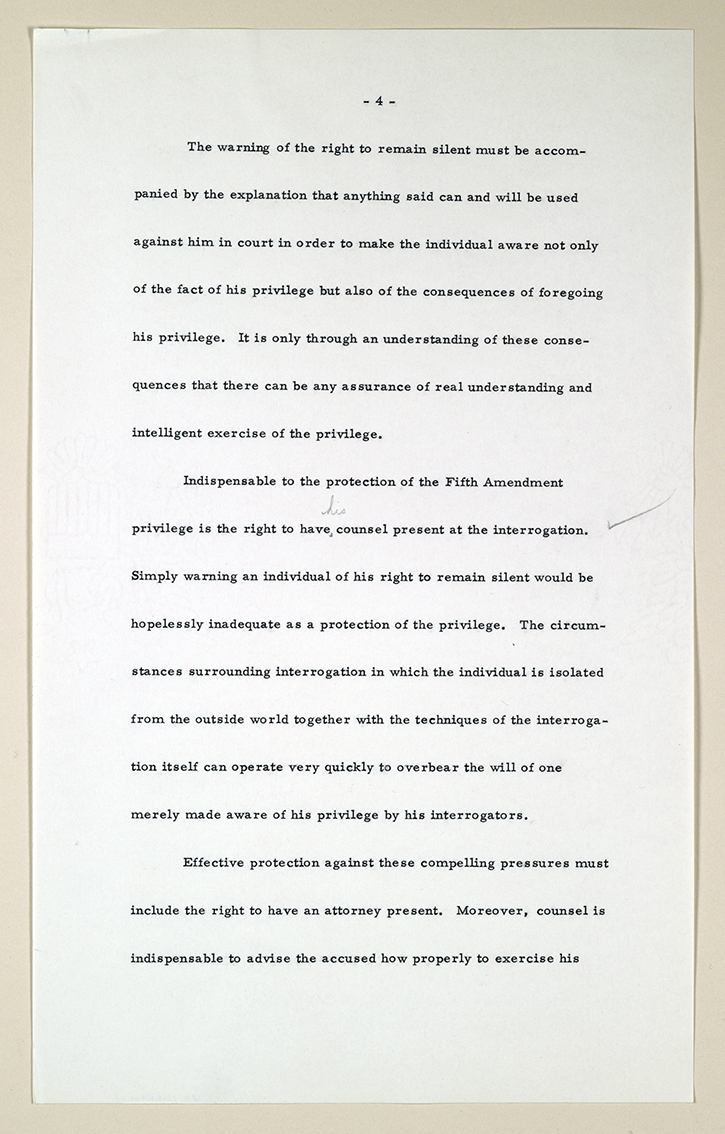
Miranda v. Arizona
Earl Warren · 13 June 1966
Primary source
Reynolds v. Sims
Earl Warren · 1964
Primary source
Loving v. Virginia
Earl Warren · June 1967
 Document
Secondary source
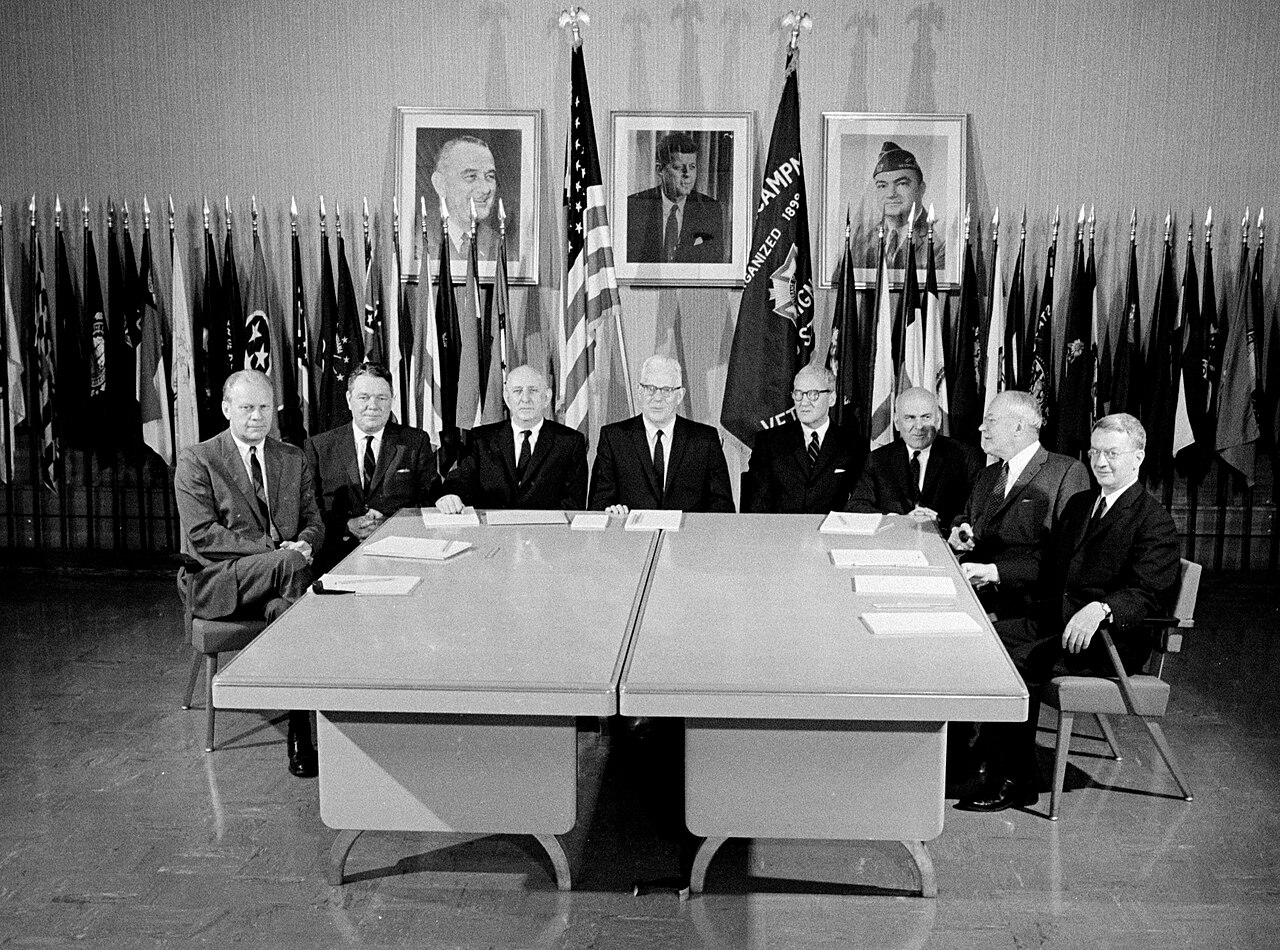
Warren Commission Report
Warren Commission · 24 September 1964
Ready when you are
Start chatting with Earl Warren now.
20 messages free · No credit card · Available in 50+ languages.