


Primary sourceArtifact1543
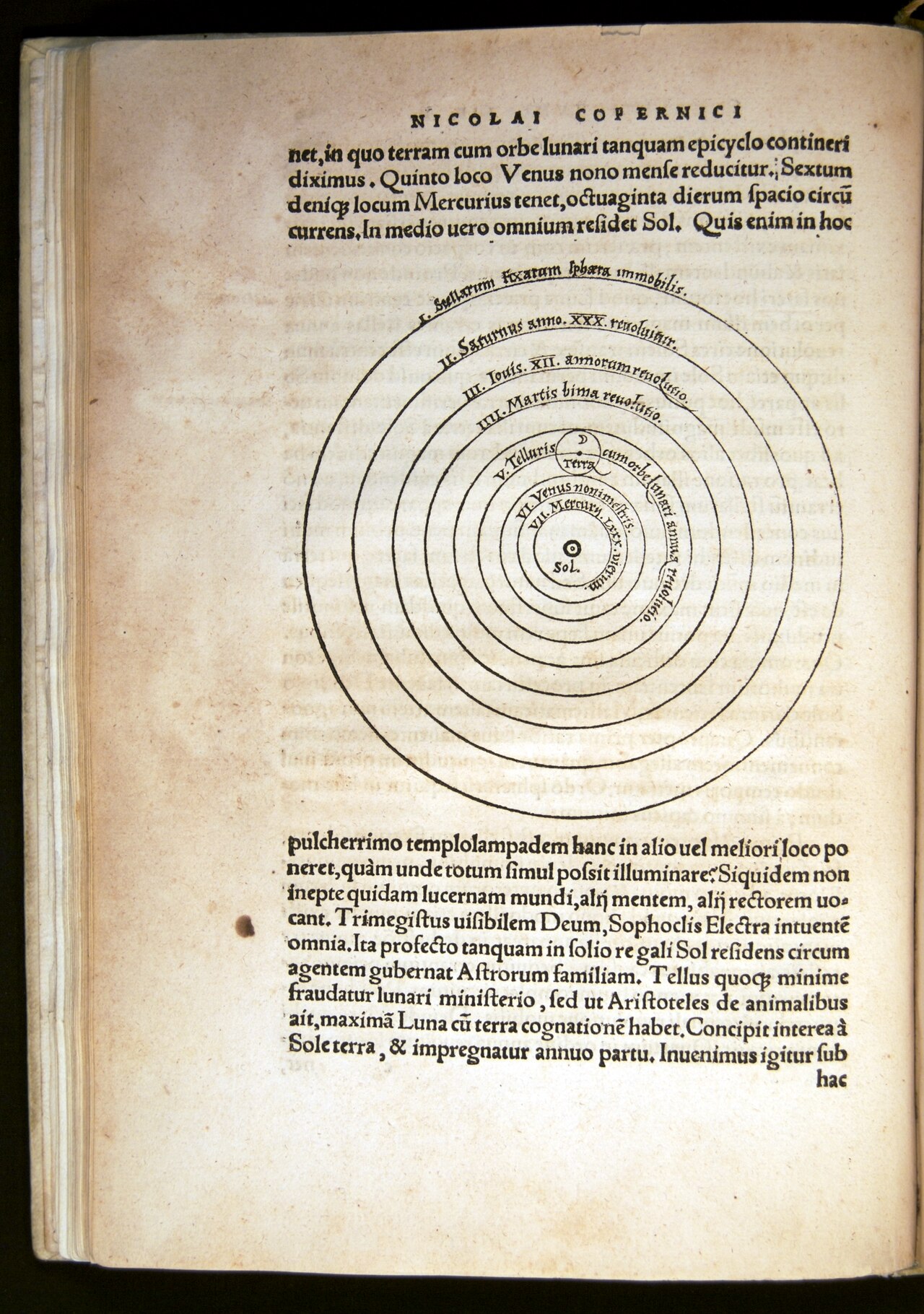
Copernicus's Diagram of the Planetary System
Nicolaus Copernicus · 1543
The woodcut diagram from Copernicus's 1543 book showing the Sun at the centre of the planetary orbits, the most famous image of his theory.
This diagram, drawn for his own book, is the clearest visual summary of Copernicus's heliocentric idea.
About this source
What it is
This is a printed woodcut diagram from Book I of Copernicus's De revolutionibus orbium coelestium, published in Nuremberg in 1543. It shows the Sun at the centre with the planets, including Earth and its Moon, arranged in circular orbits around it, surrounded by the sphere of fixed stars.
Why it matters
This single image became the visual shorthand for Copernicus's whole theory and is still the picture most people imagine when they think of the heliocentric model. It visually overturned the older idea, inherited from Ptolemy, that the Earth stood still at the centre of the universe.
Look closer
- What is placed at the centre of the diagram, and what does that choice signal?
- Why might a simple diagram like this have been more persuasive to readers than pages of calculations?
- What is missing from this diagram that a modern model of the solar system would include?
This artifact is part of the curated material that grounds the AI version of Nicolaus Copernicus on Humy.ai — when students ask about related events, the AI can quote it and cite it.
More Nicolaus Copernicus sources
Meet the AI Nicolaus Copernicus →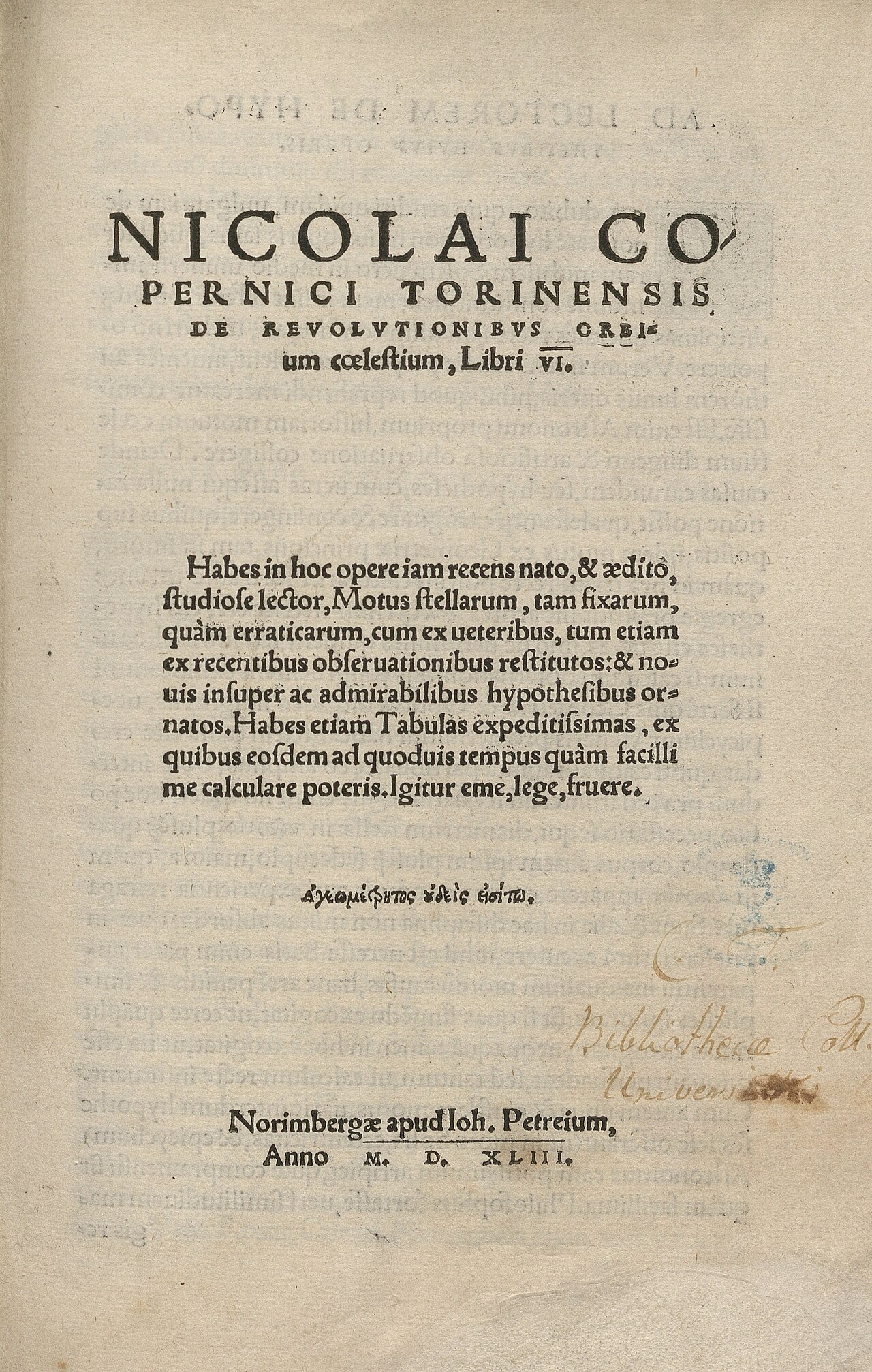 Book
Primary source
De revolutionibus orbium coelestium
Nicolaus Copernicus · 1543
 Painting
Secondary source
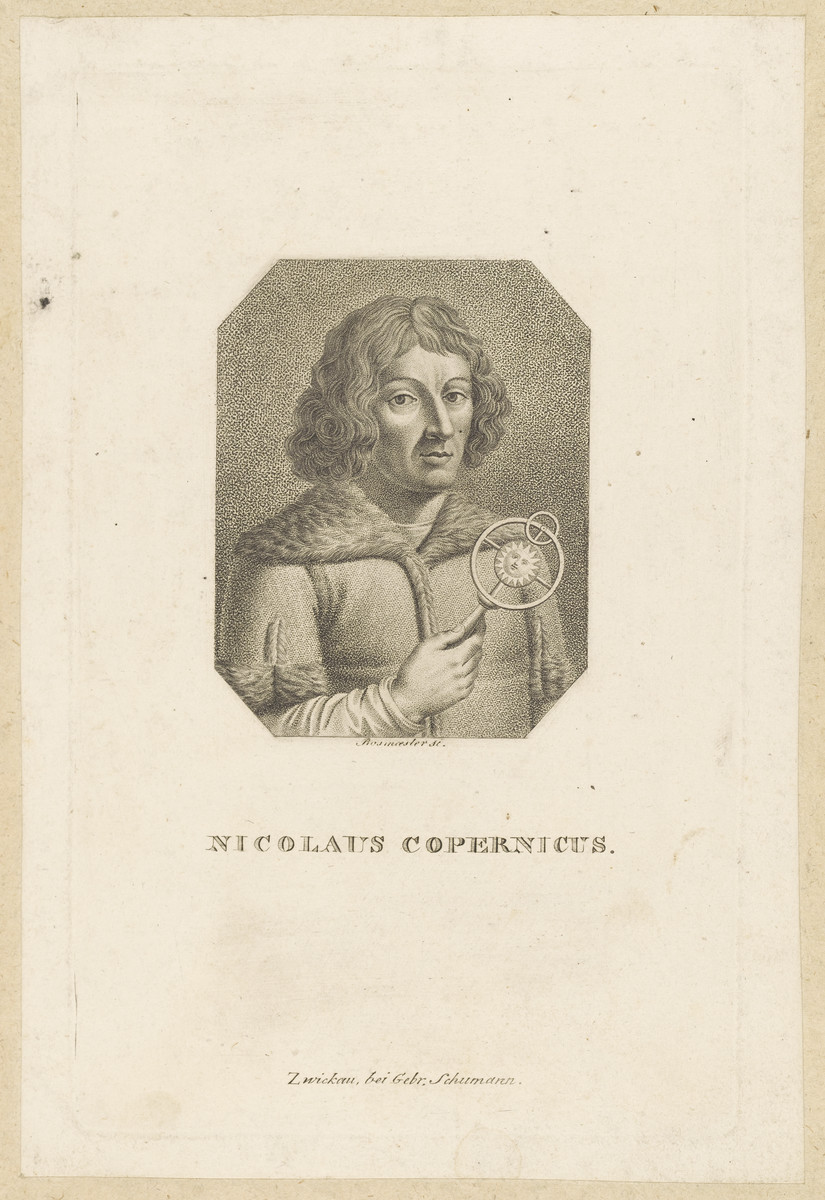
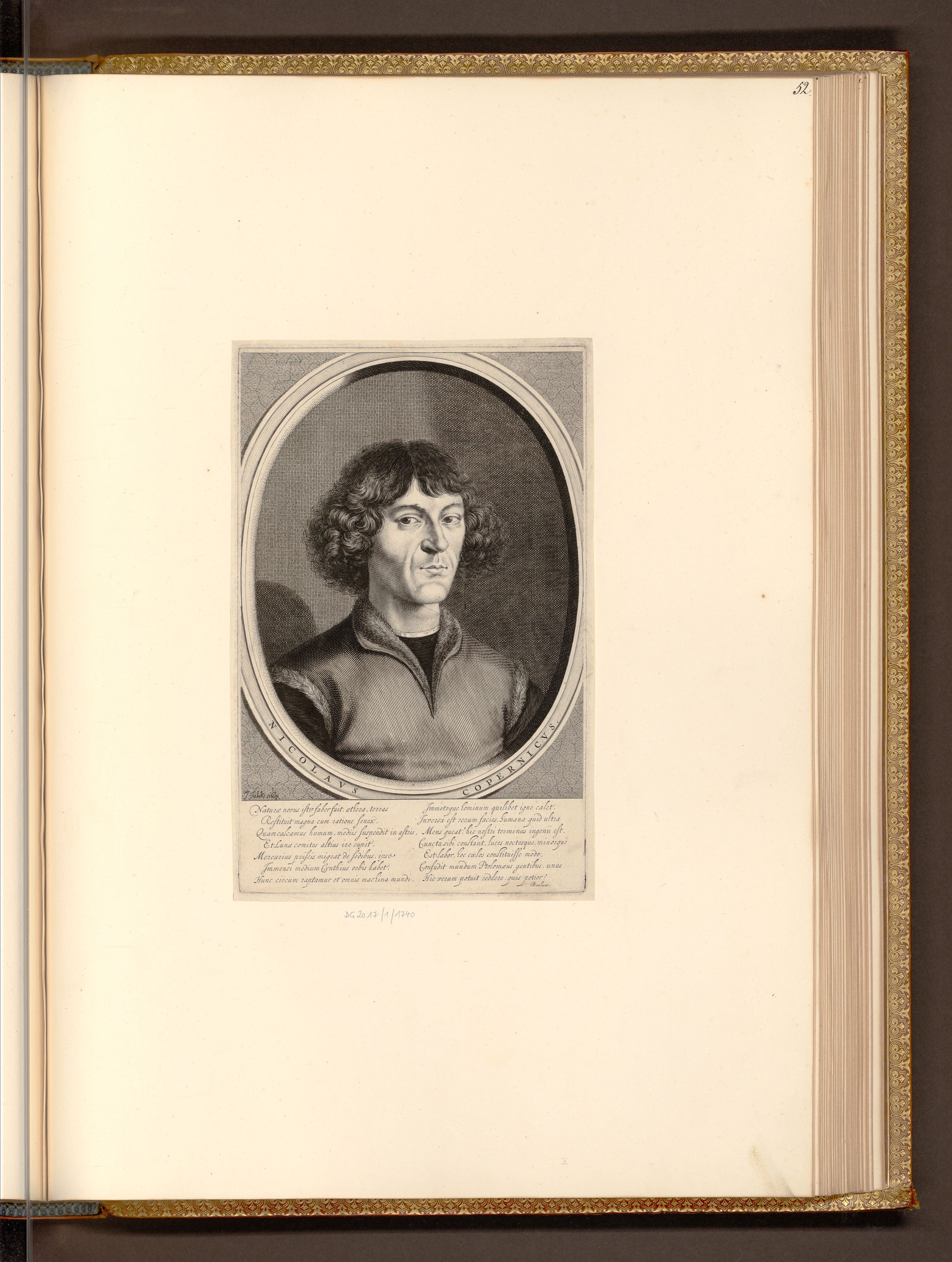
Portrait of Nicolaus Copernicus (Schumann print)
Gebrüder Schumann
 Painting
Secondary source
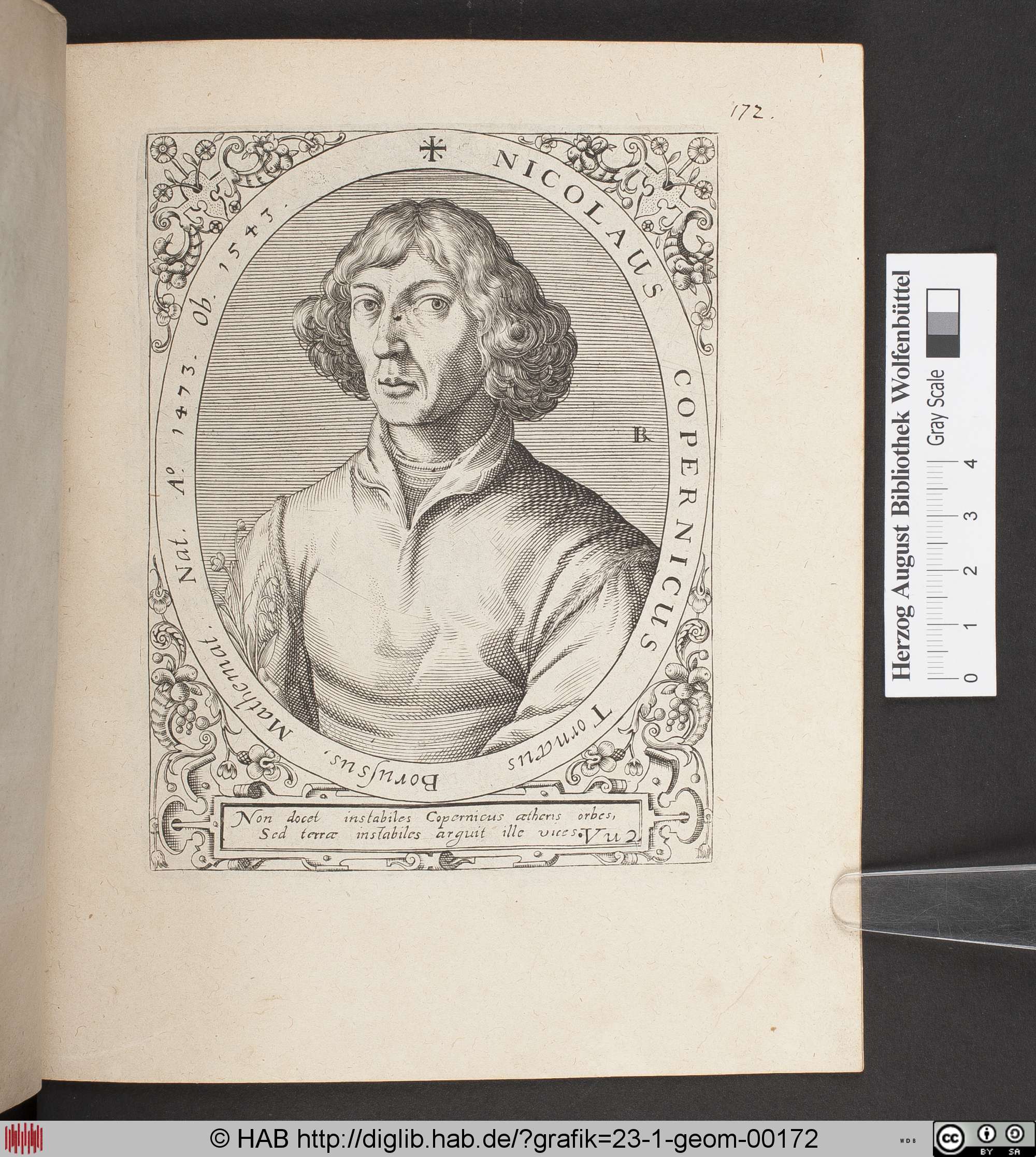
Engraved Portrait of Nicolaus Copernicus (Herzog August Library)
Unbekannt
 Painting
Secondary source
Portrait of Nicolaus Copernicus (Albertina Museum)
 Document
Primary source
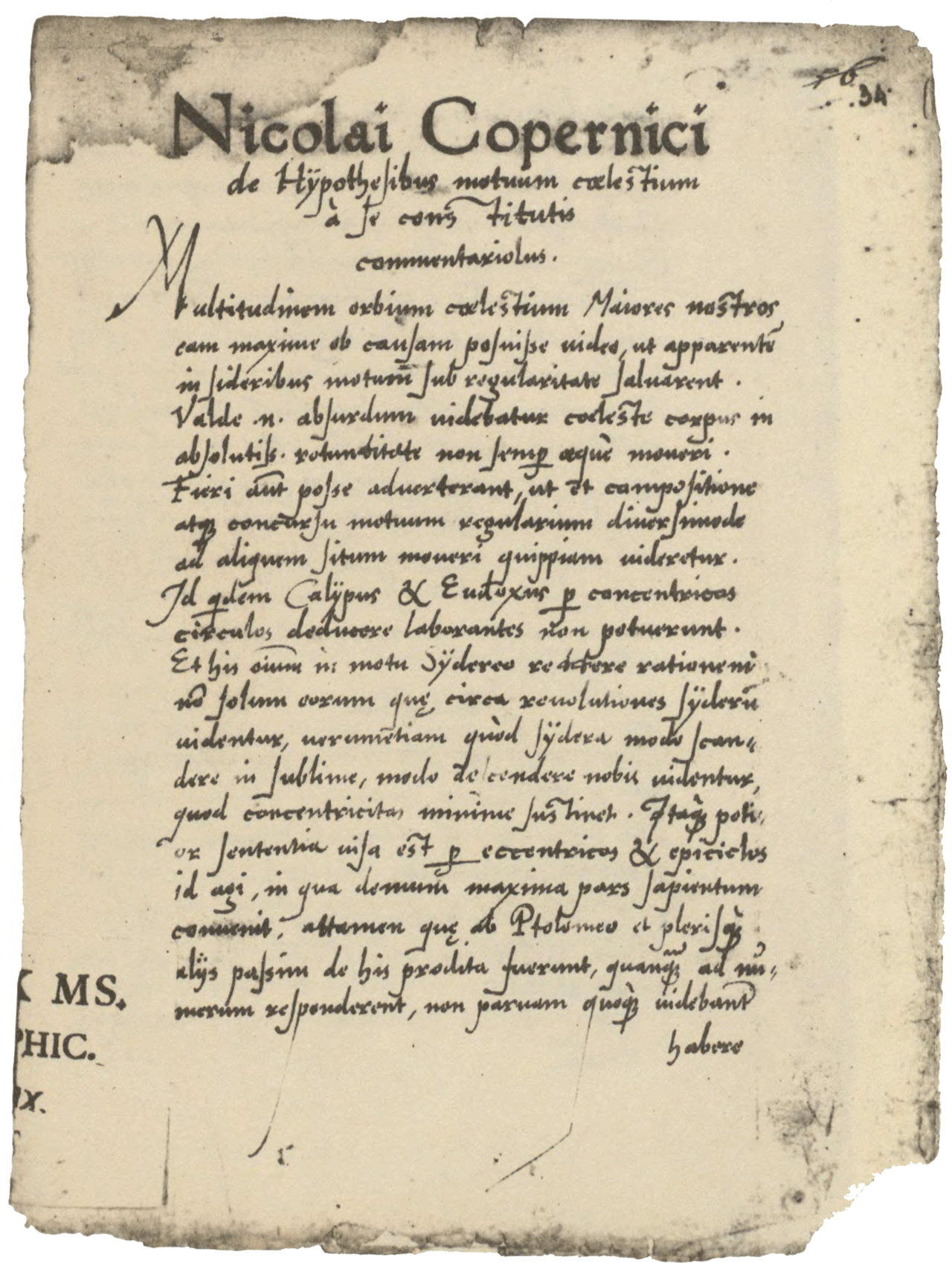
Commentariolus
Nicolaus Copernicus · by 1514
Ready when you are
Start chatting with Nicolaus Copernicus now.
20 messages free · No credit card · Available in 50+ languages.