



Dr. Michael Calvert
Assistant Superintendent, South Allegheny School District, Pennsylvania
Been using Humy in his district since 2024
“We enjoyed the program last year and used it frequently.”
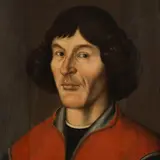
AI Historical Figure
Renaissance-era astronomer who proposed the heliocentric model of the solar system.
Chat with Nicolaus Copernicus via text or voice — in 42 languages, drawing on a curated biography and 88 historical sources. Available 24/7.

Nicolaus Copernicus
Online · responds in seconds
Hello — I'm Nicolaus Copernicus. Renaissance-era astronomer who proposed the heliocentric model of the solar system. What would you like to ask me?
20 messages free · No credit card · Powered by Humy.ai
Live preview · Switch between 42 languages above · Send a message to continue in the app
Multilingual
Ask Nicolaus Copernicus questions in any language below, and the rest of Humy's app speaks it too. Pick yours to open the chat in that language.
Also in German (Austria), German (Switzerland), English (UK), English (Australia), English (Canada).
88 sources · 24 books · 22 paintings · 21 documents · 11 artifacts · 5 letters · 3 sculptures · 1 photograph · 1 newspaper article
Nicolaus Copernicus doesn’t improvise from thin air. The AI is grounded in 88 curated historical sources students can inspect. Open any of them to see what informs the conversation.
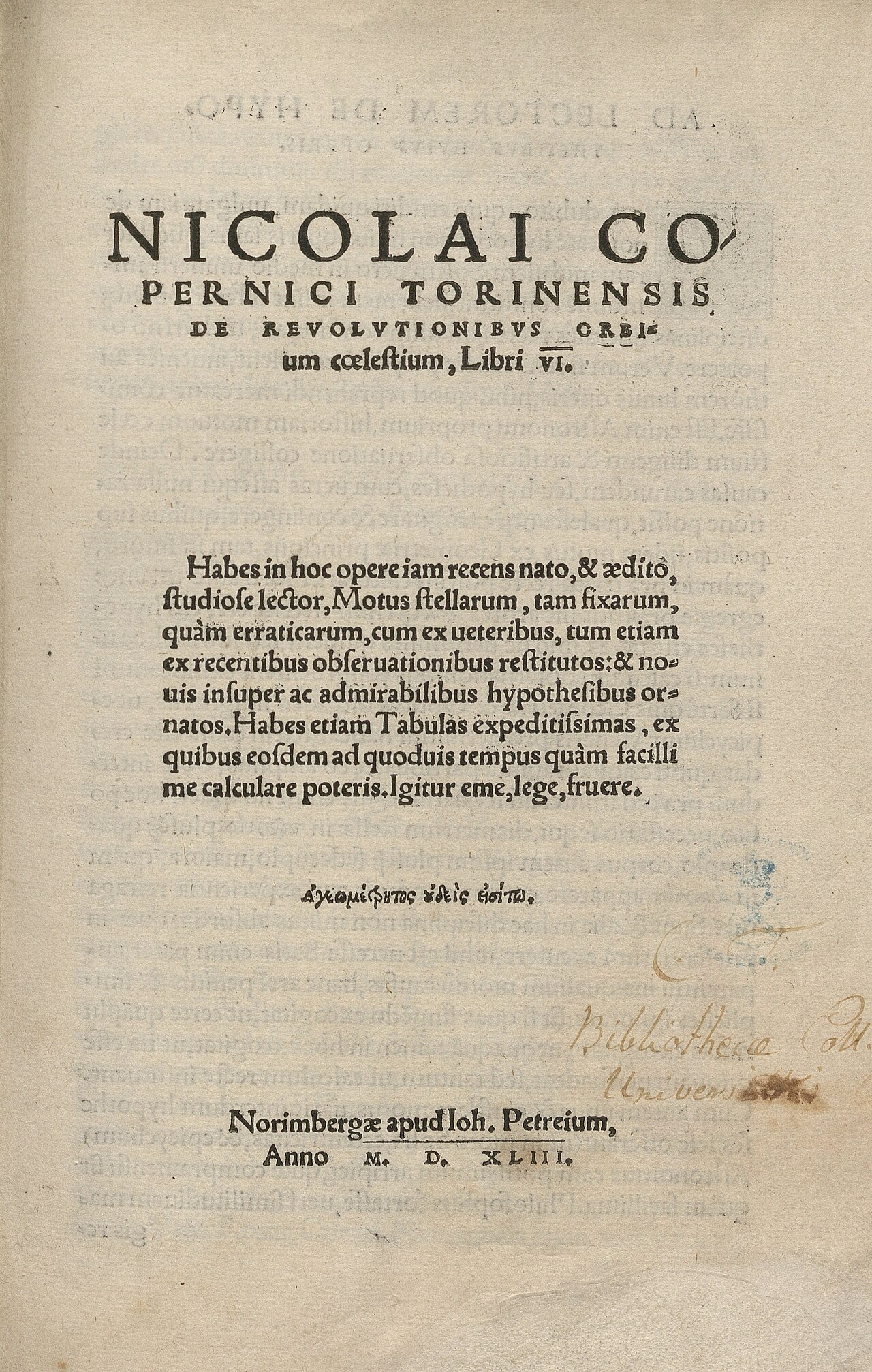 Book
Primary source
Nicolaus Copernicus · 1543
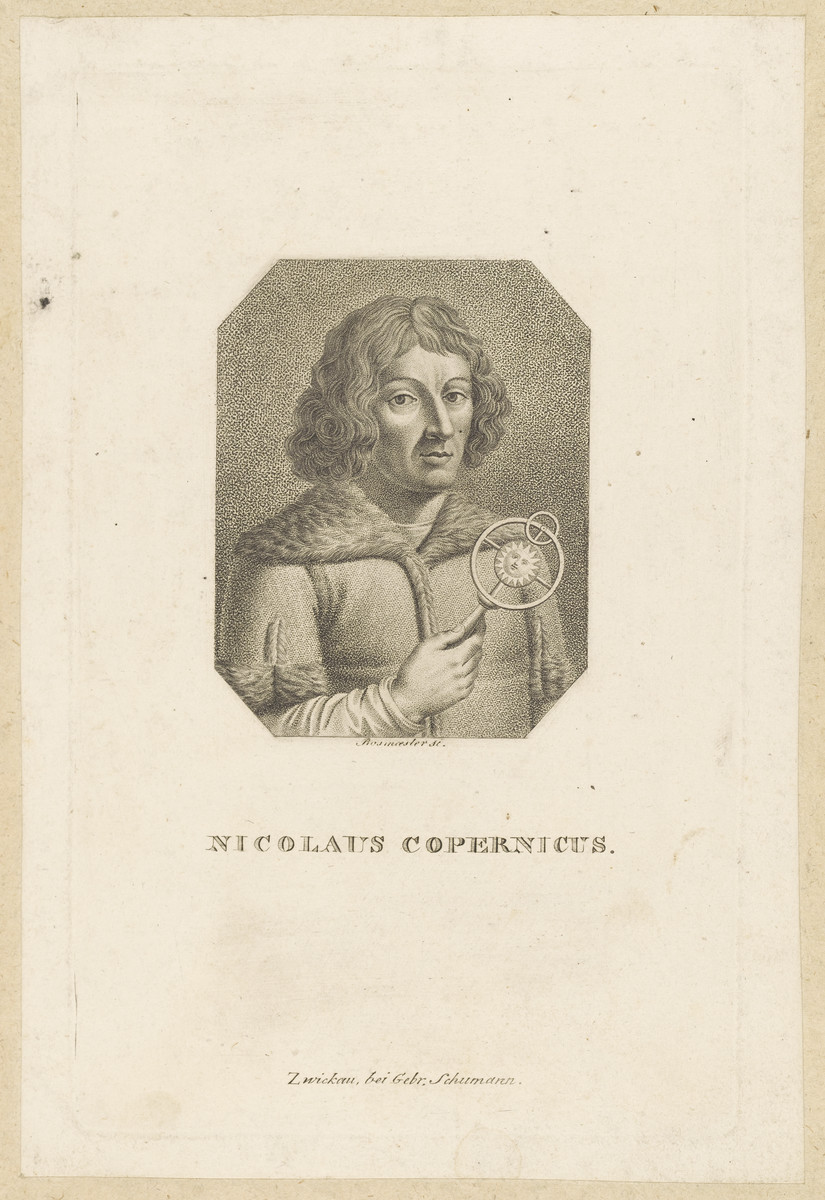 Painting
Secondary source
Gebrüder Schumann
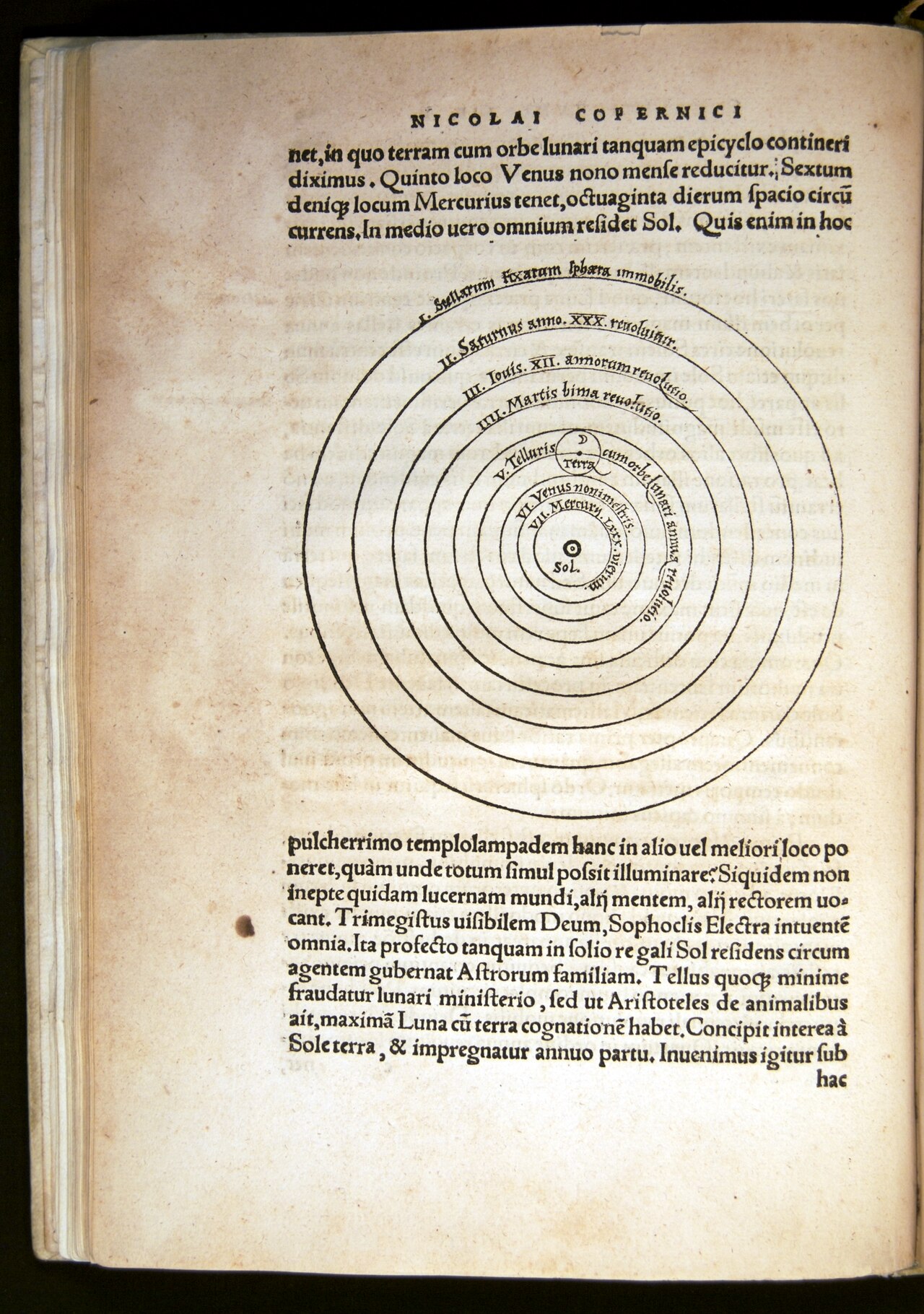 Artifact
Primary source
Nicolaus Copernicus · 1543
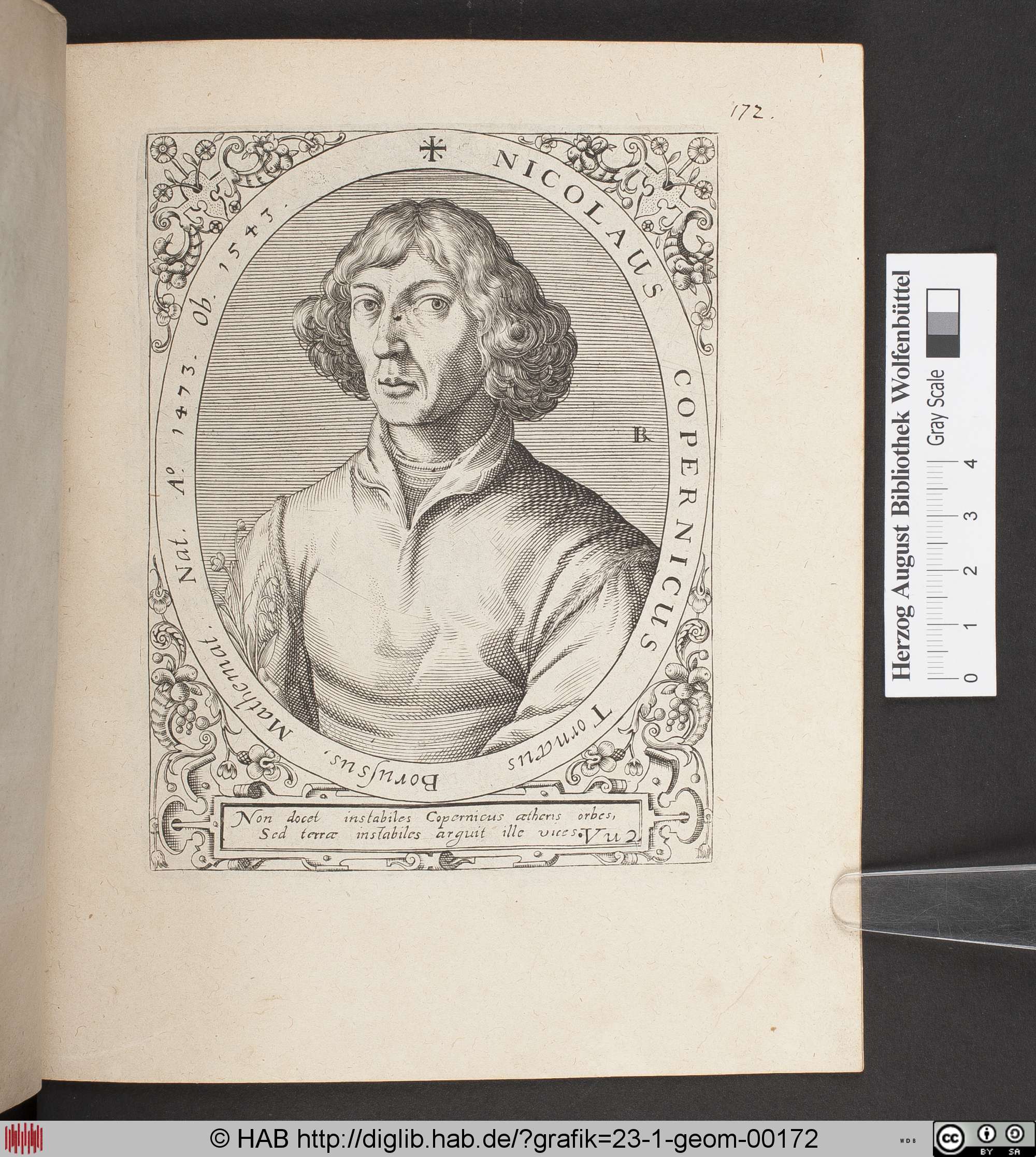 Painting
Secondary source
Unbekannt
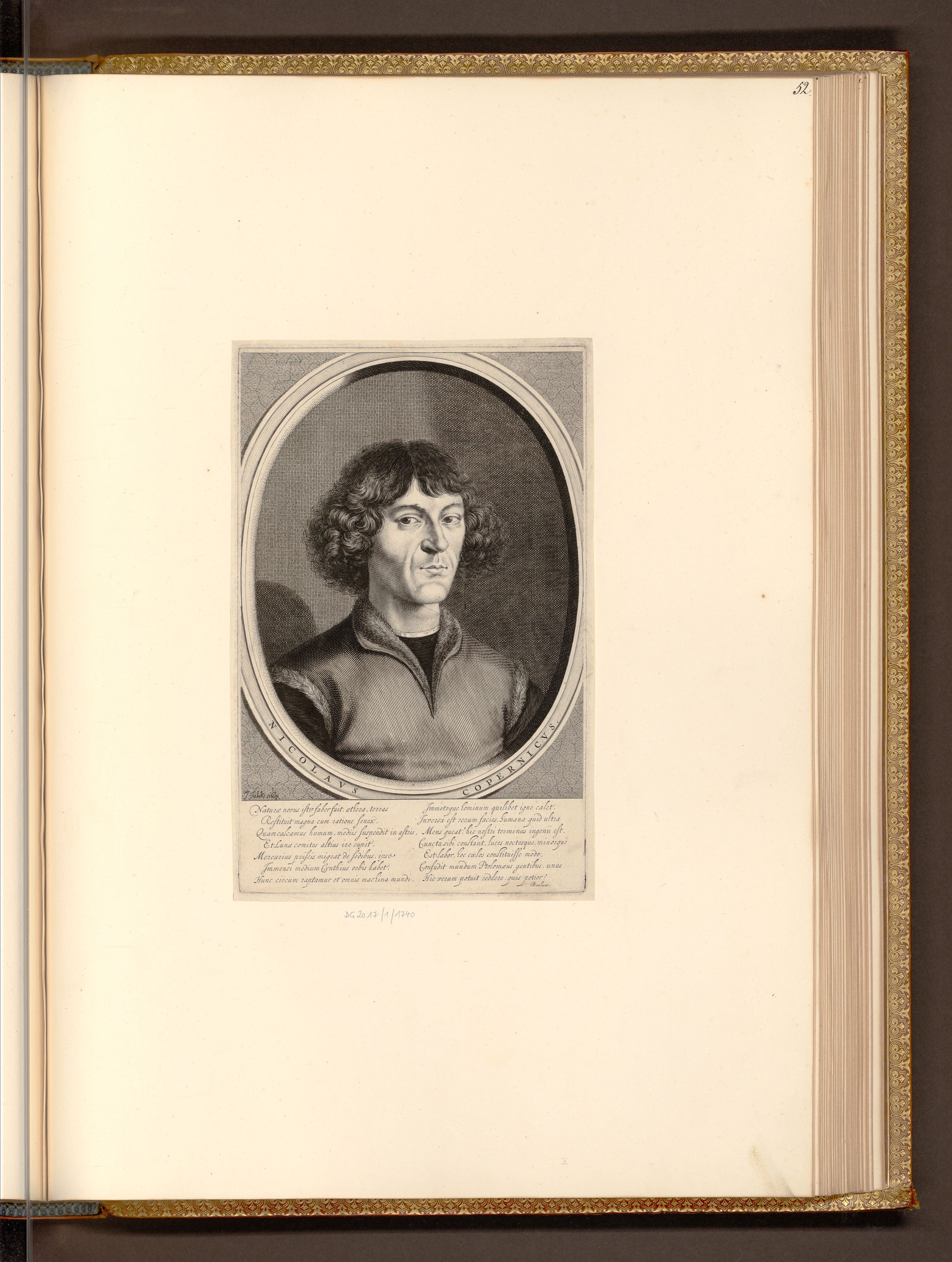 Painting
Secondary source
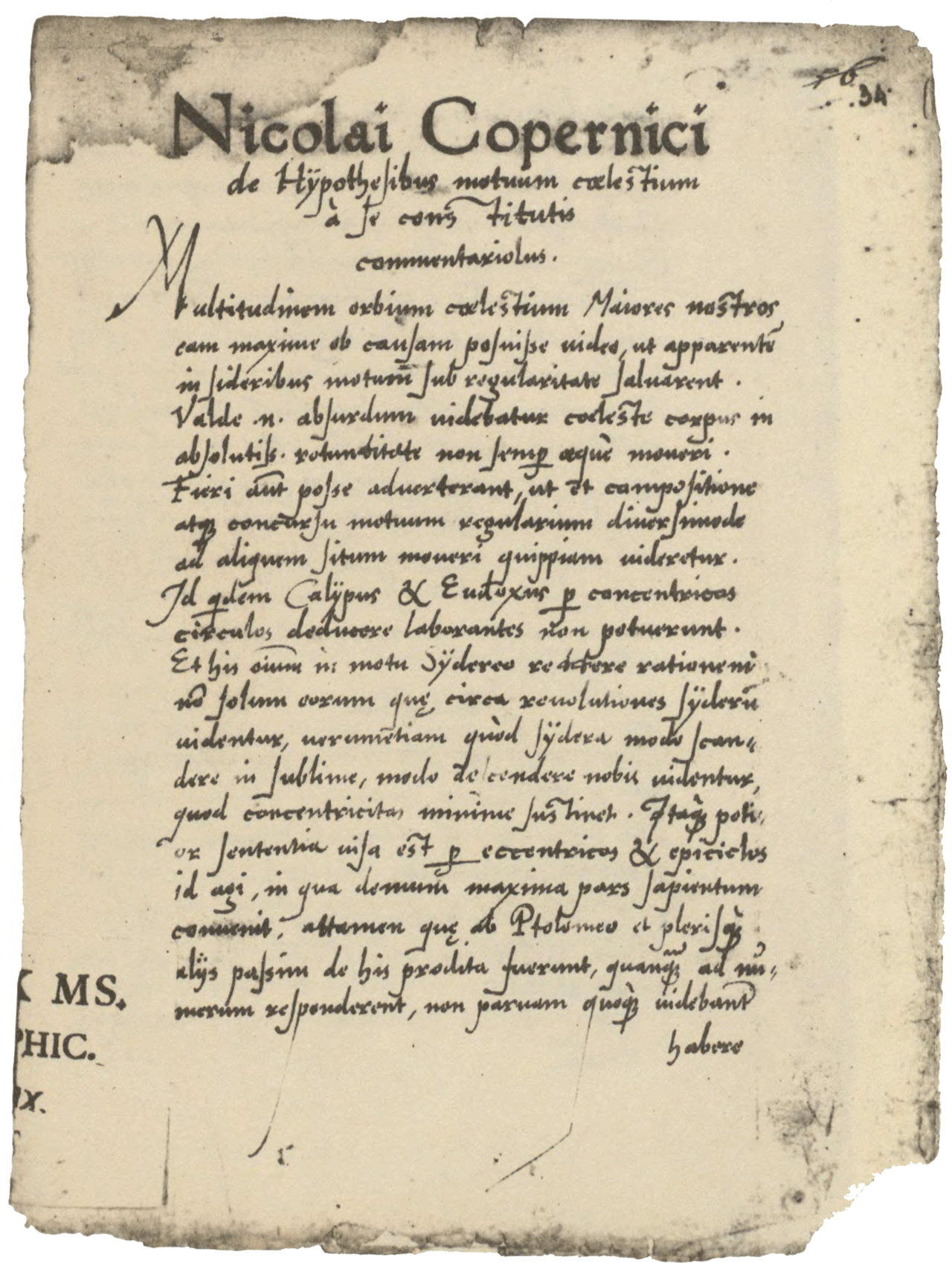 Document
Primary source
Nicolaus Copernicus · by 1514
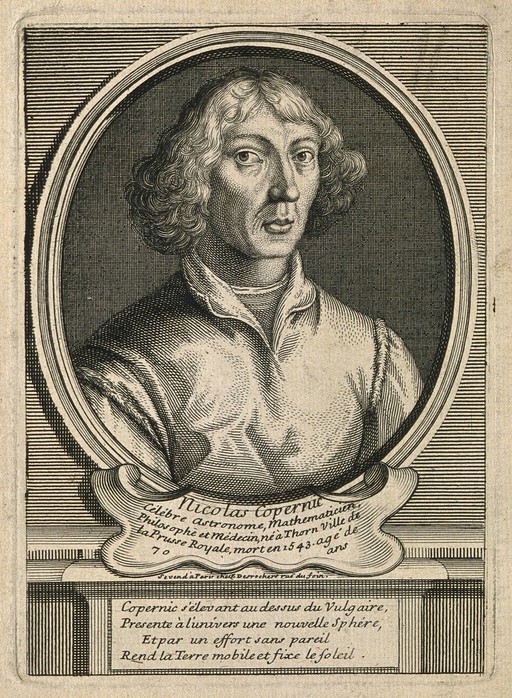 Painting
Secondary source
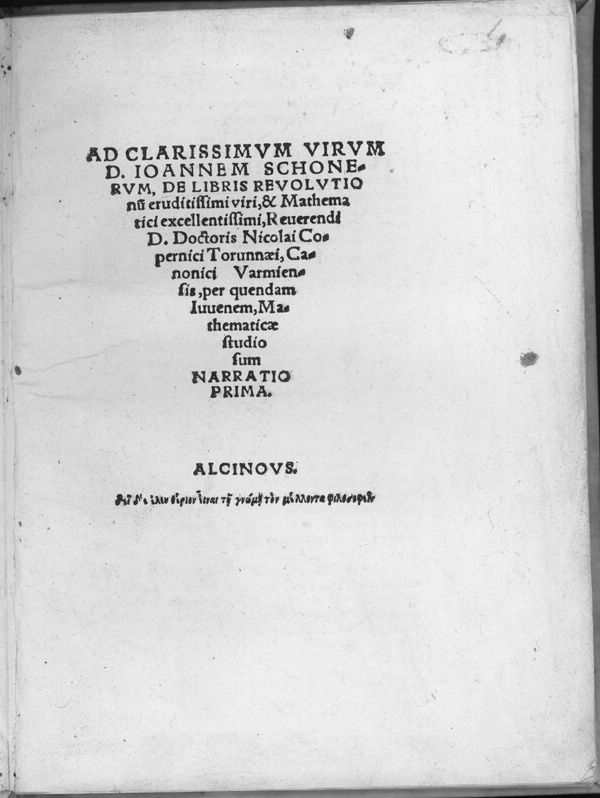 Book
Primary source
Georg Joachim Rheticus · 1540
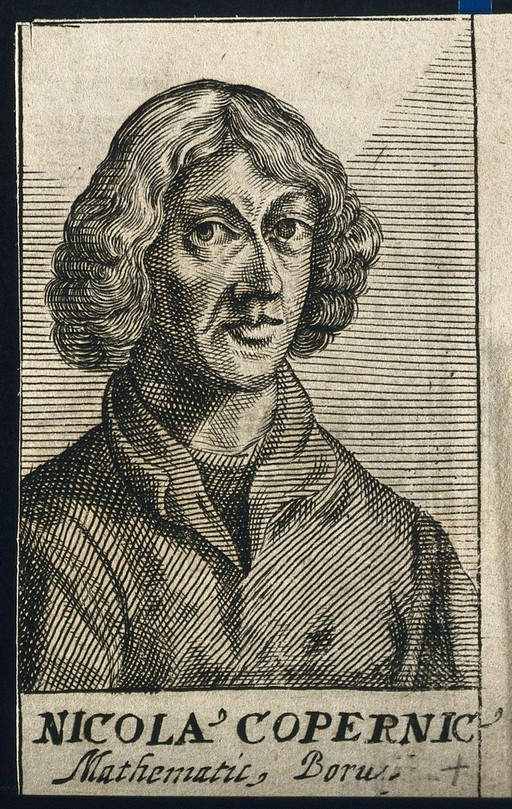 Painting
Secondary source
1688
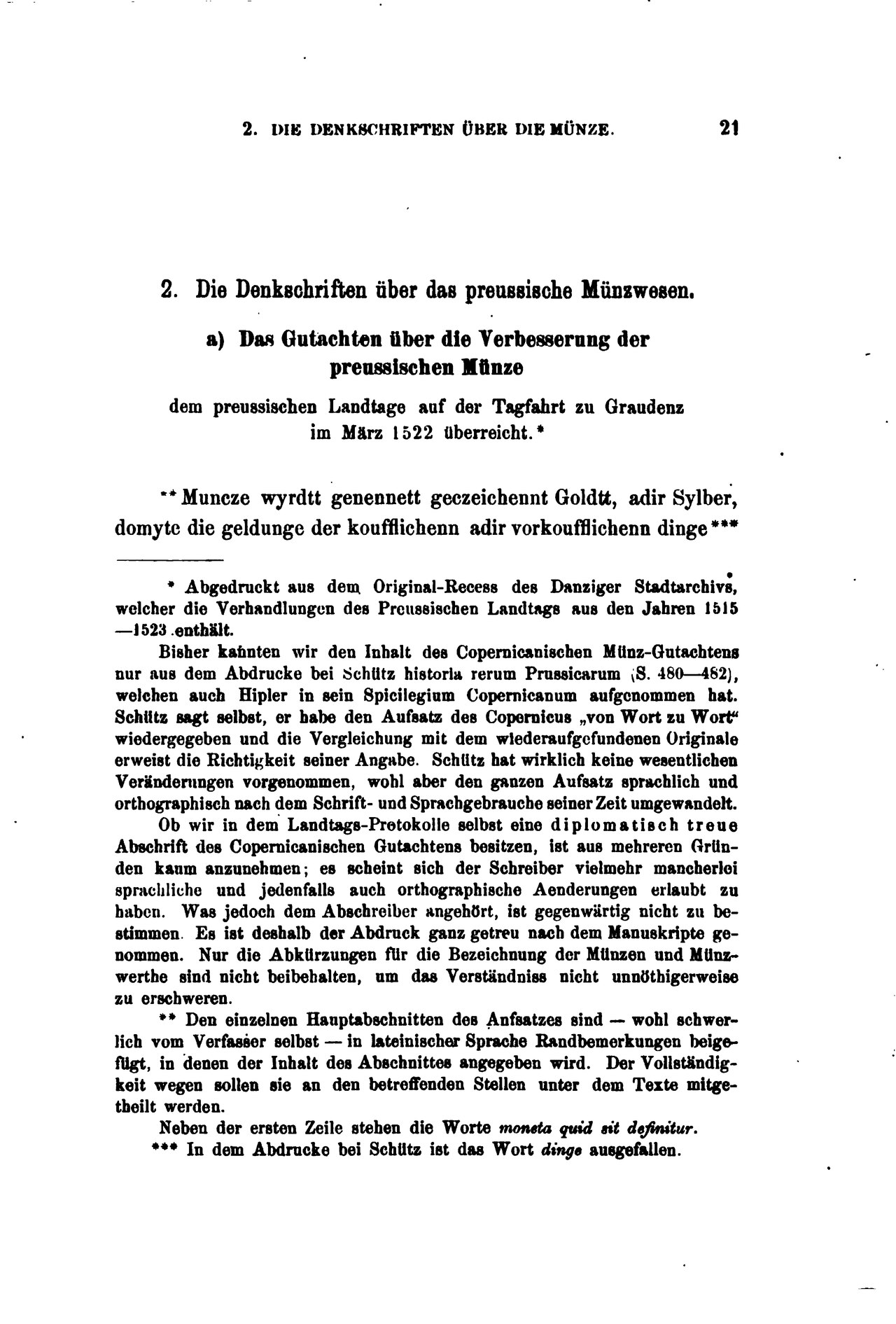 Document
Primary source
Nicolaus Copernicus · 1526
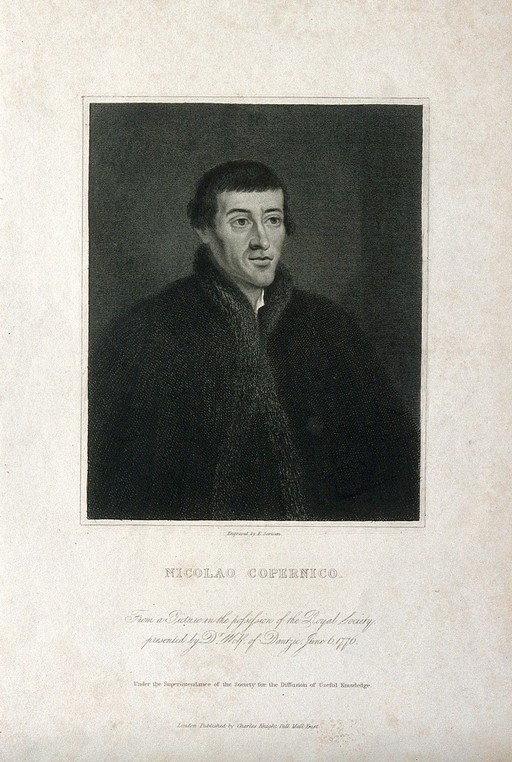 Painting
Secondary source
Edward Scriven
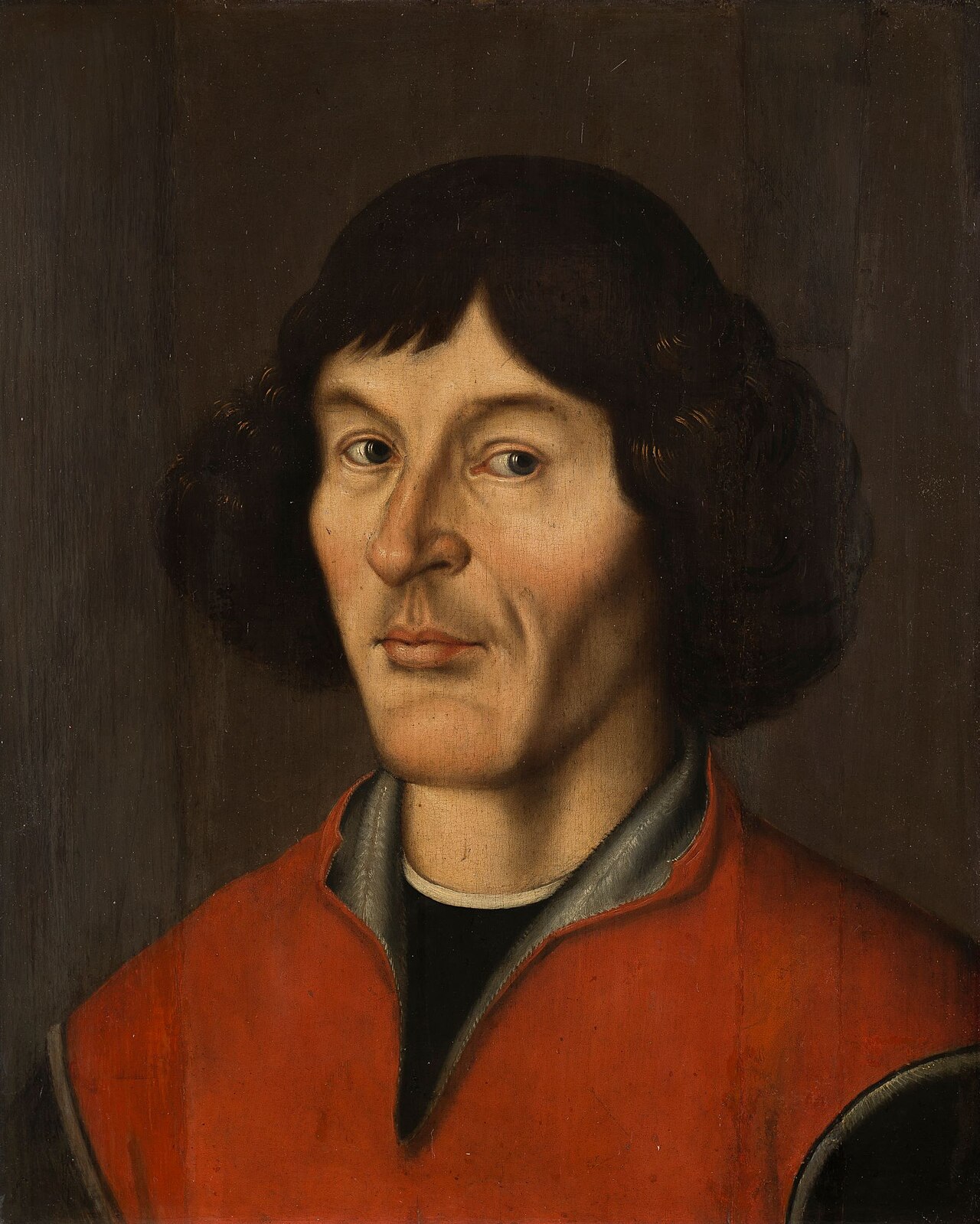 Painting
Secondary source
Unknown · 1580
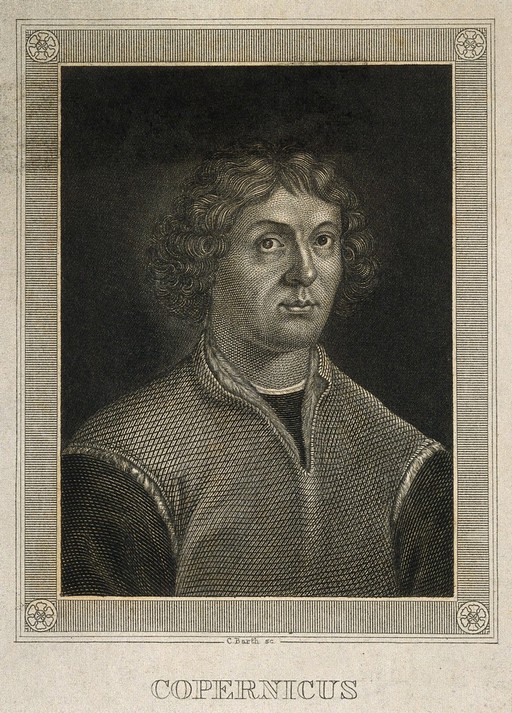 Painting
Secondary source
C. Barth
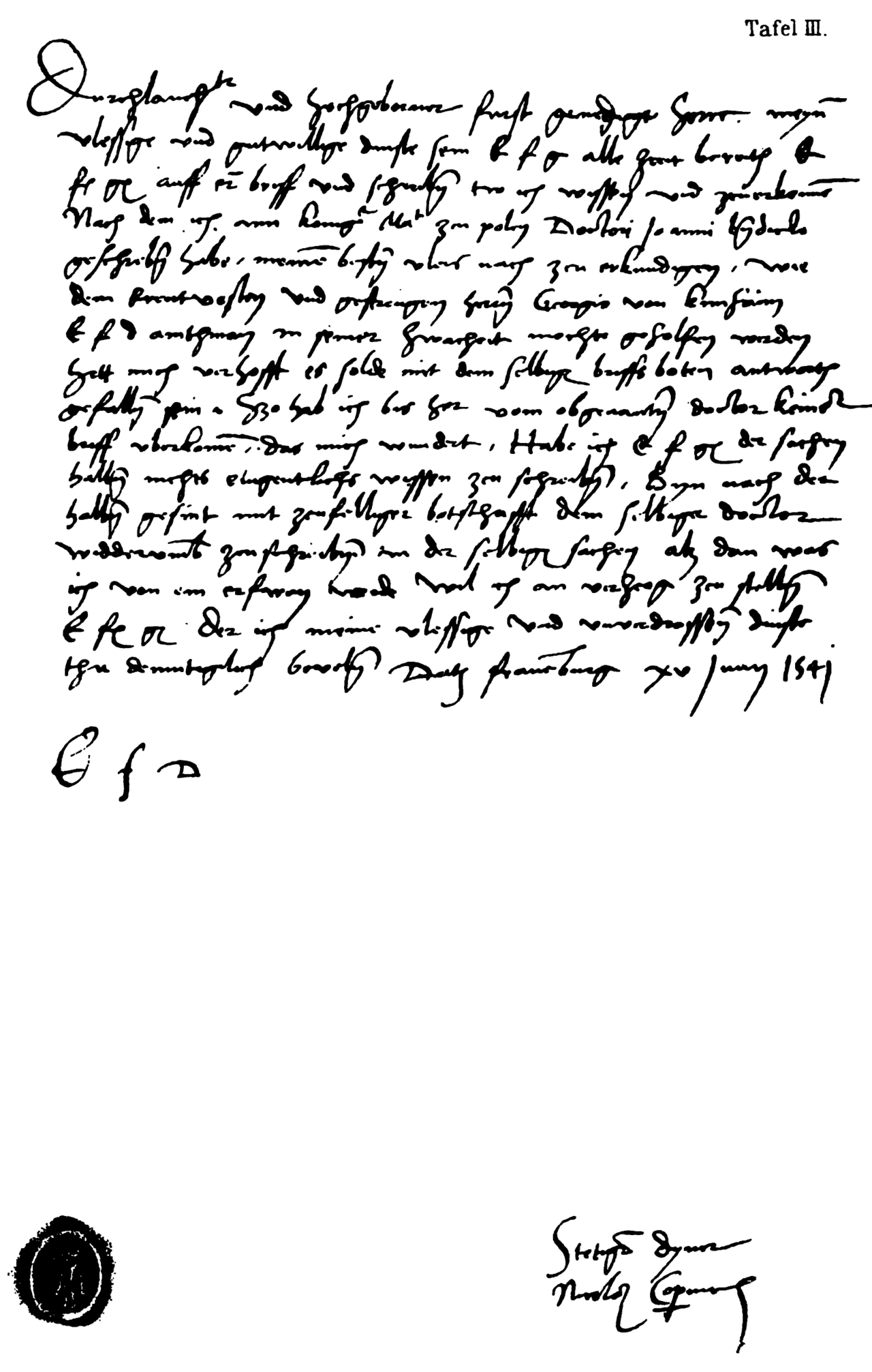 Letter
Primary source
Nicolaus Copernicus · 25 June 1541
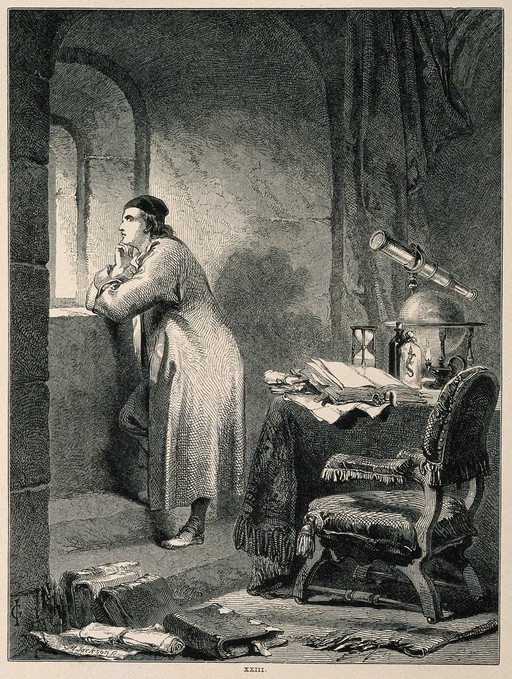 Painting
Secondary source
I. G.
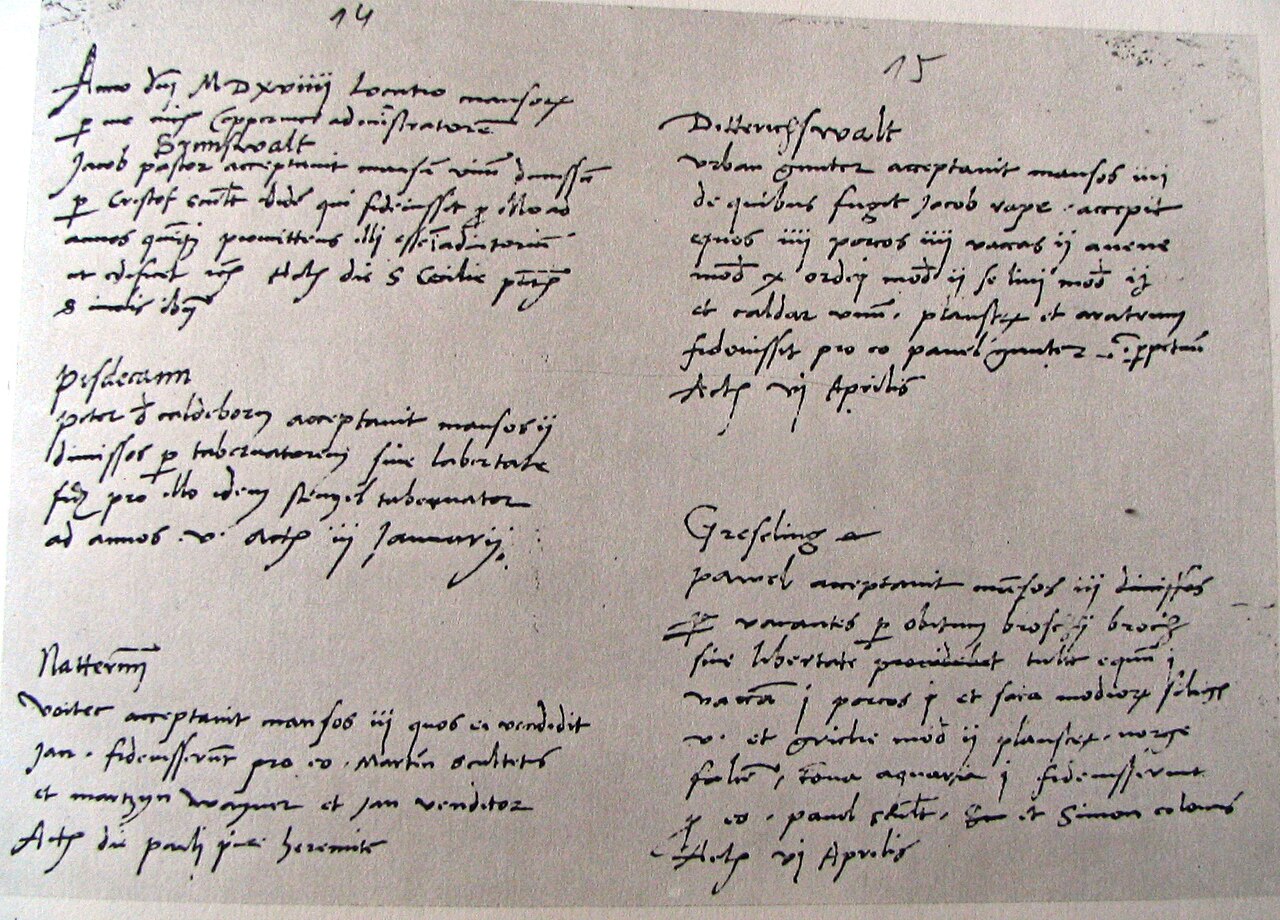 Document
Primary source
Nicolaus Copernicus · 1516–1521
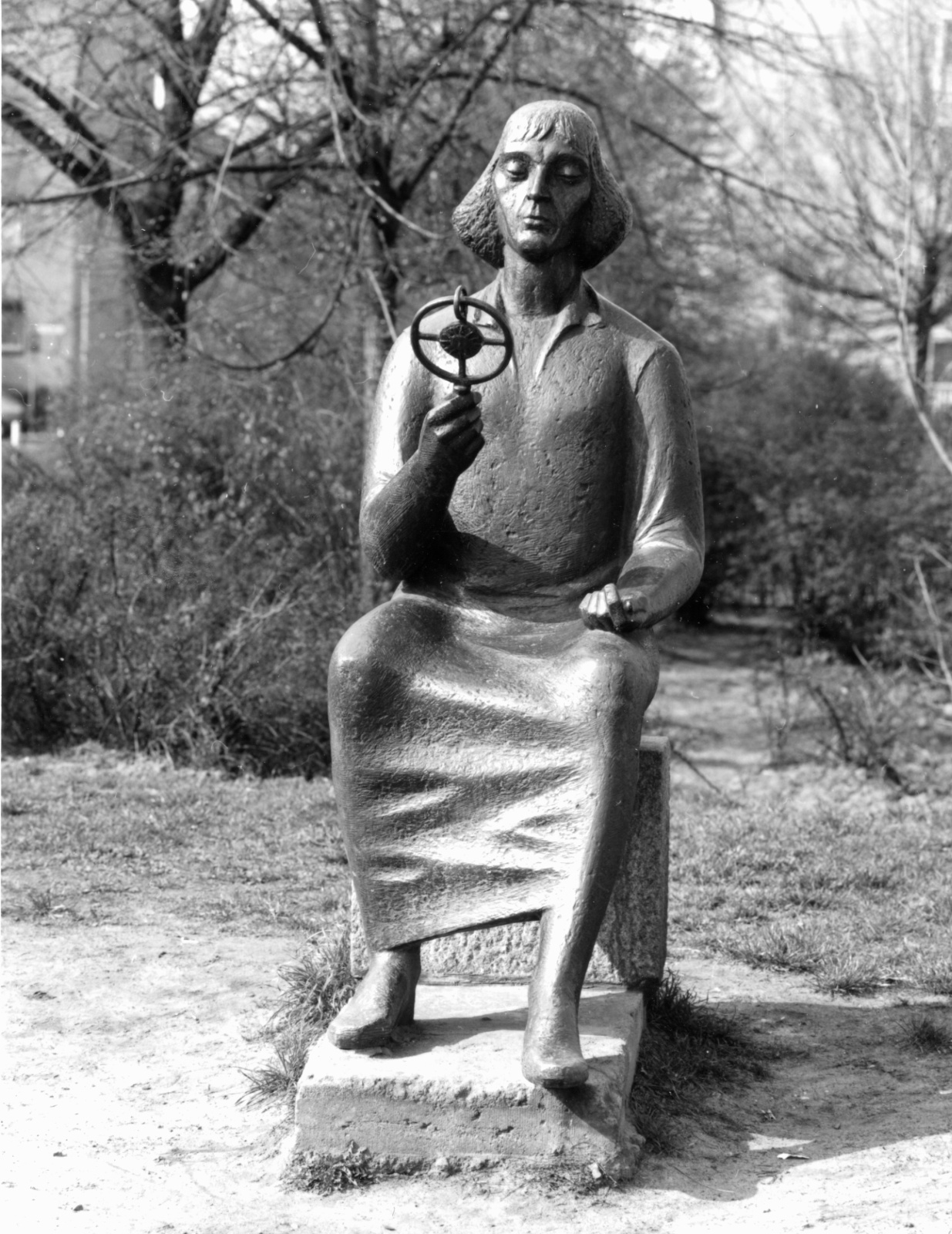 Photograph
Secondary source
Henrik Ahlers
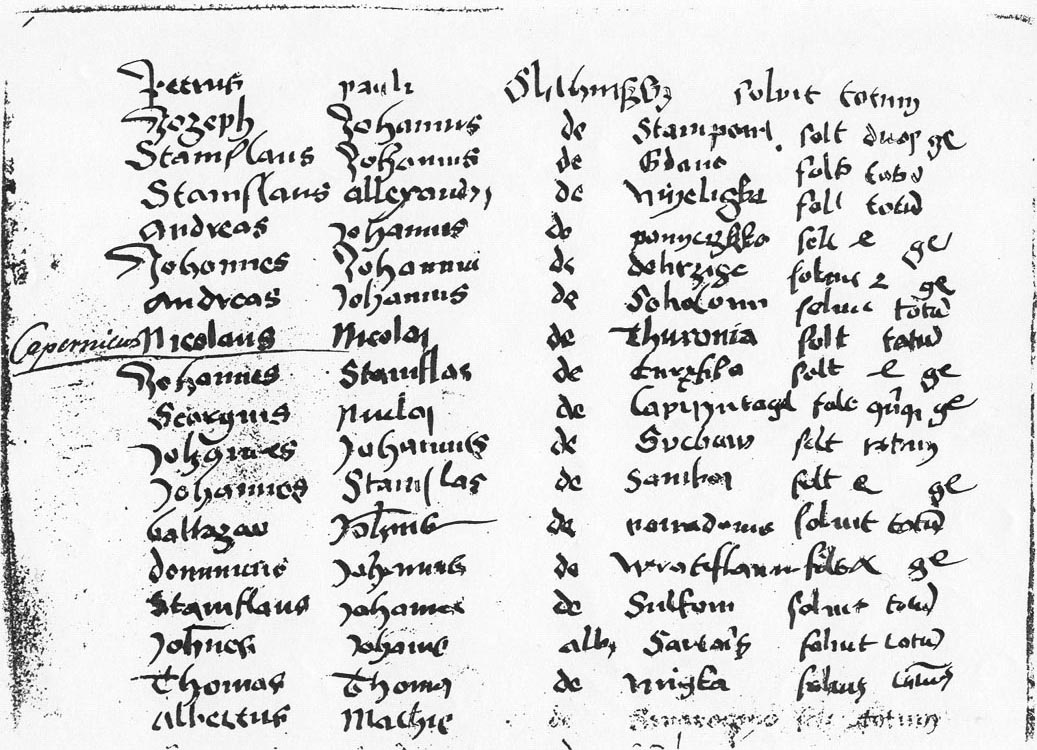 Document
Primary source
Unknown · 1491/1492
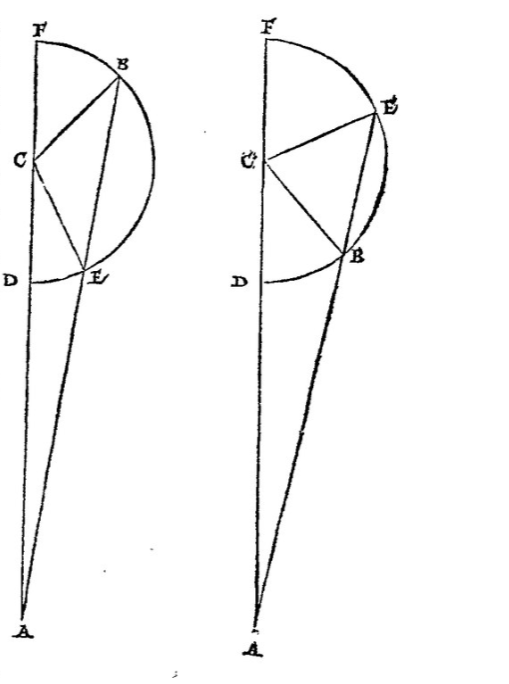 Book
Primary source
Nicolaus Copernicus · 1542
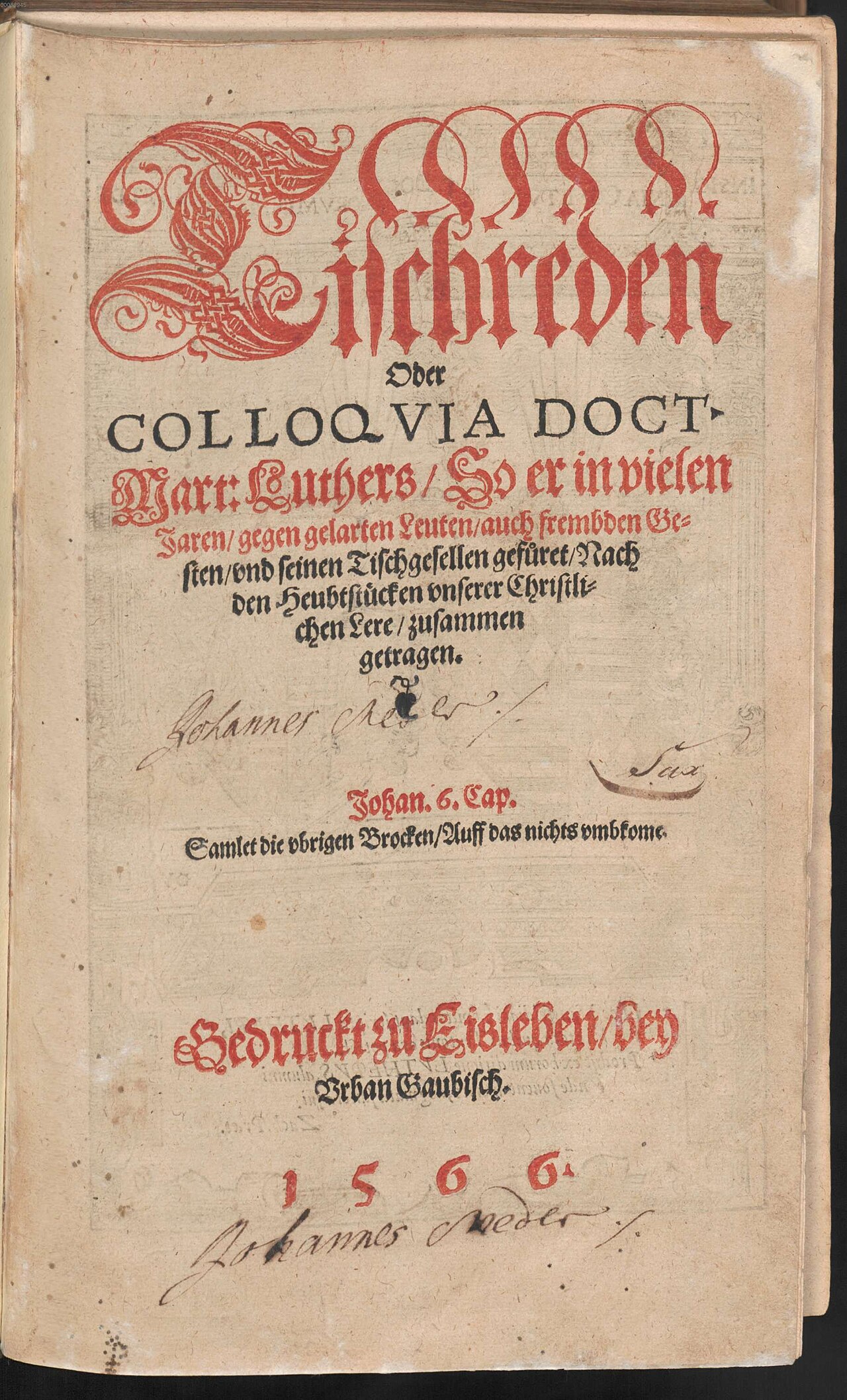 Book
Secondary source
Martin Luther · 1566
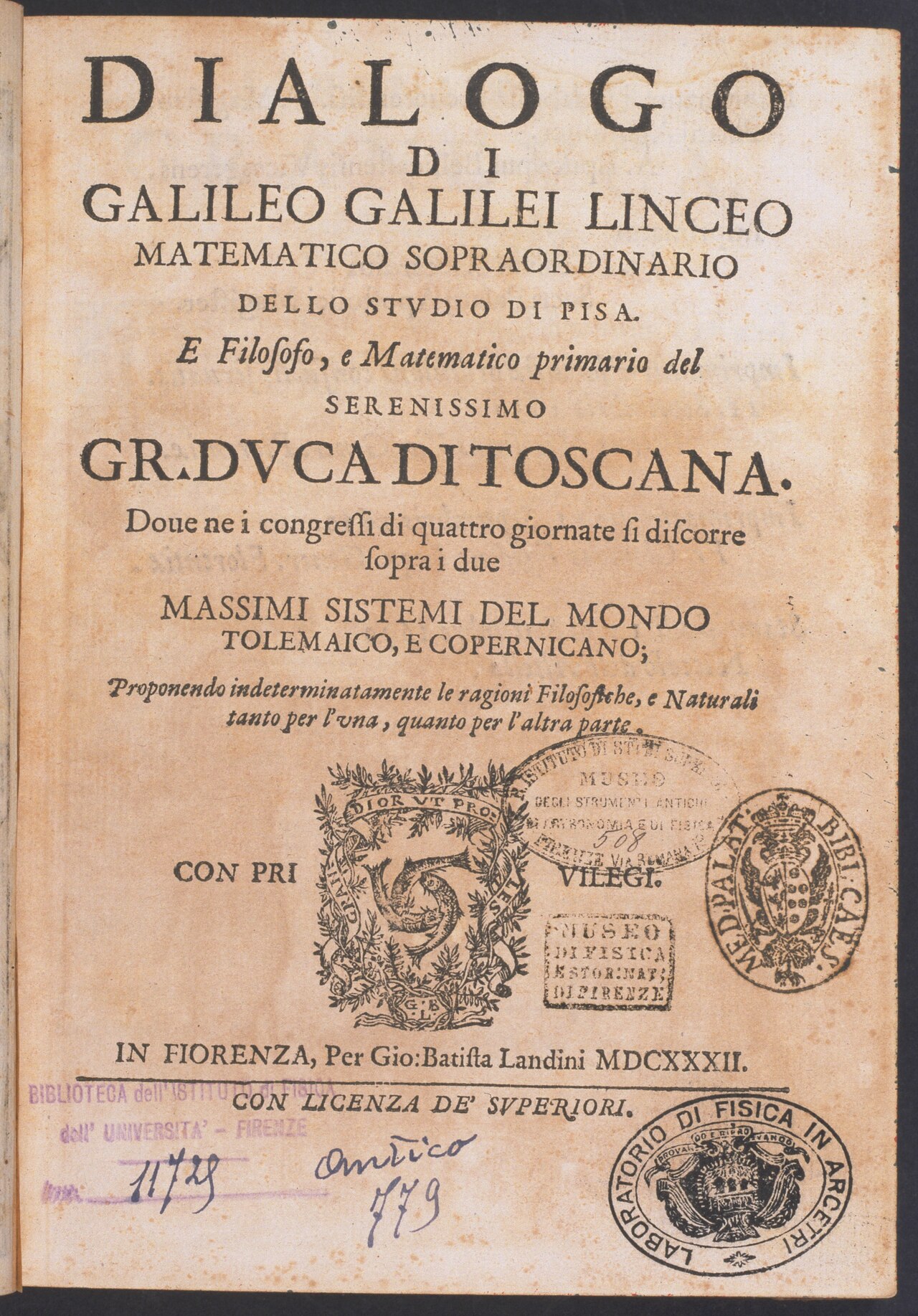 Book
Primary source
Galileo Galilei · 1632
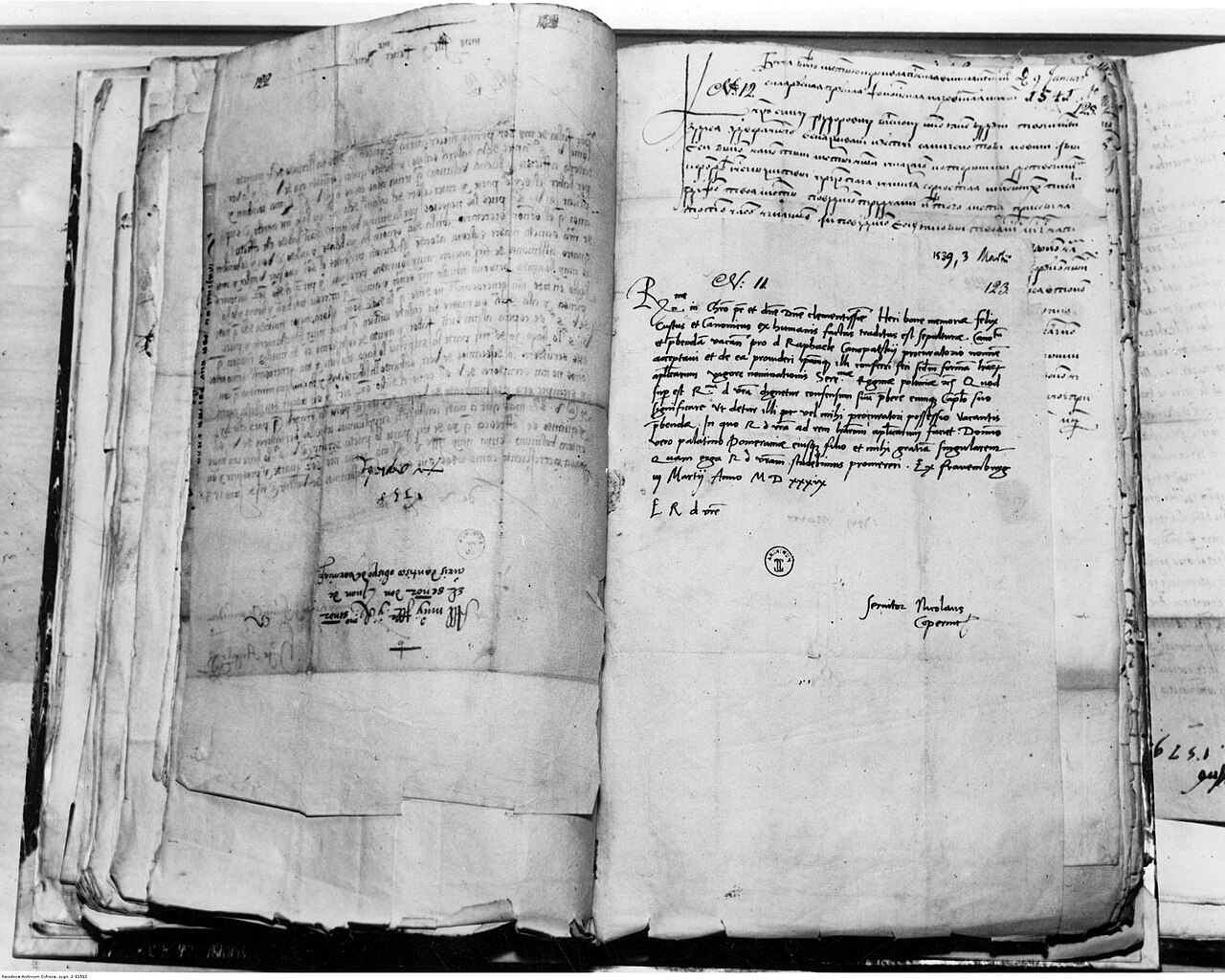 Letter
Primary source
Nicolaus Copernicus · 1538–1541
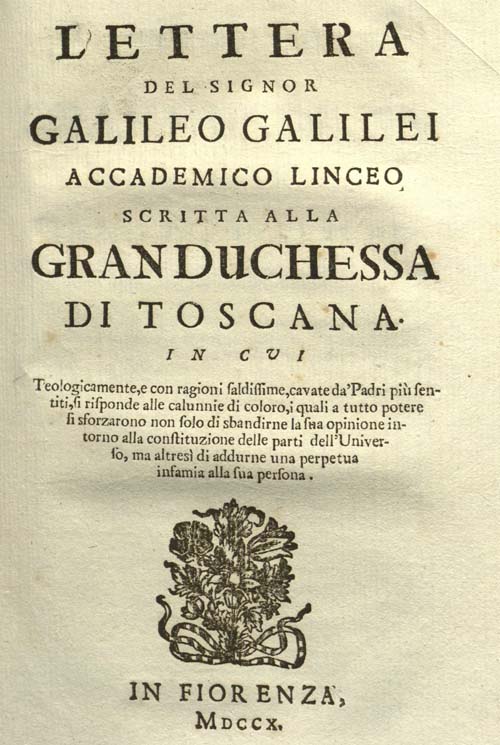 Letter
Primary source
Galileo Galilei · 1615
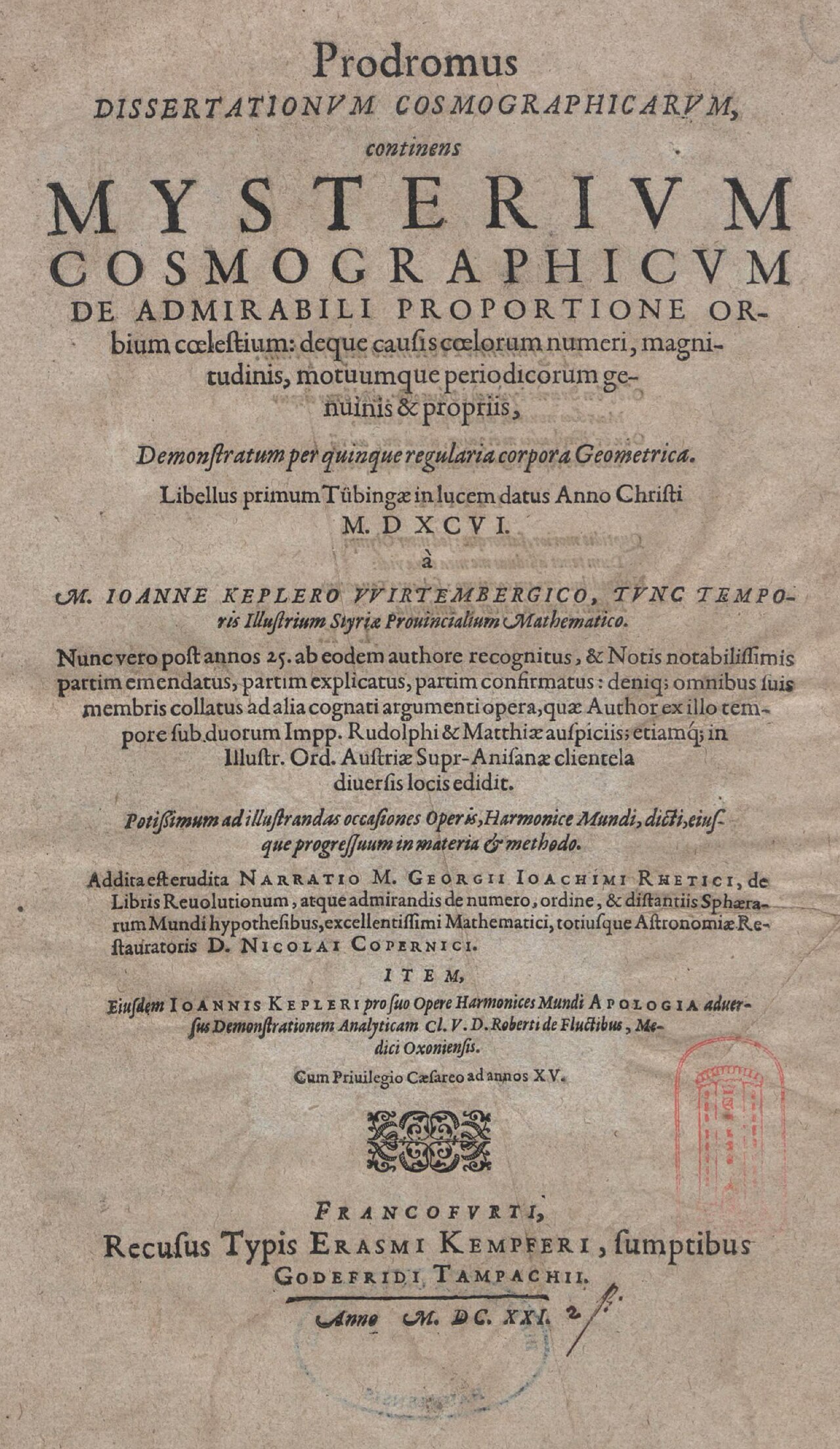 Book
Secondary source
Johannes Kepler · 1596 (2nd edition 1621)
 Document
Secondary source
Nicolaus Copernicus
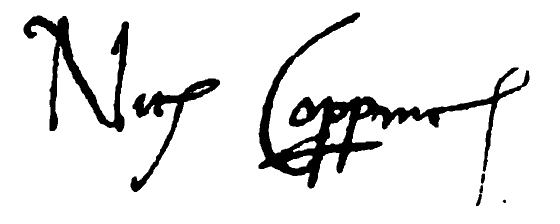 Document
Primary source
Nicolaus Copernicus
 Document
Primary source
Nicolaus Copernicus · 1523
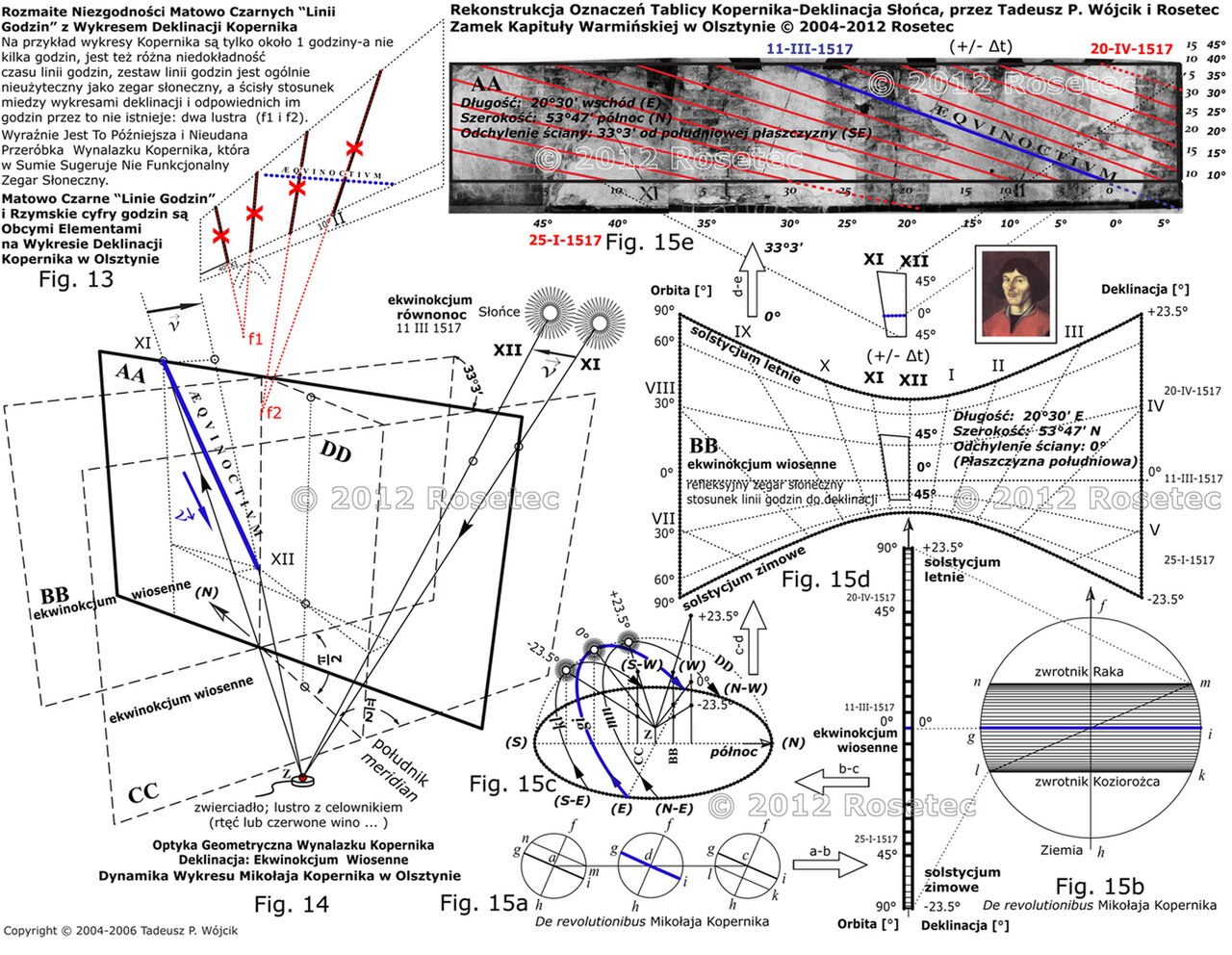 Artifact
Primary source
Nicolaus Copernicus (attributed) · c. 1517
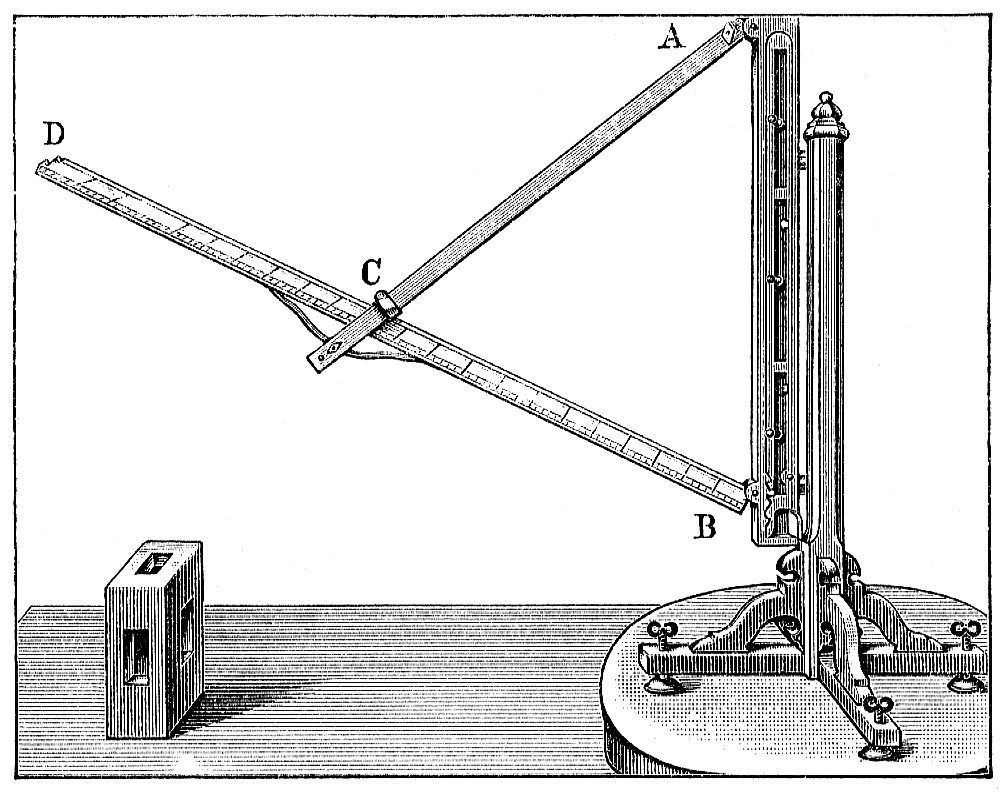 Artifact
Primary source
 Artifact
Secondary source
1388
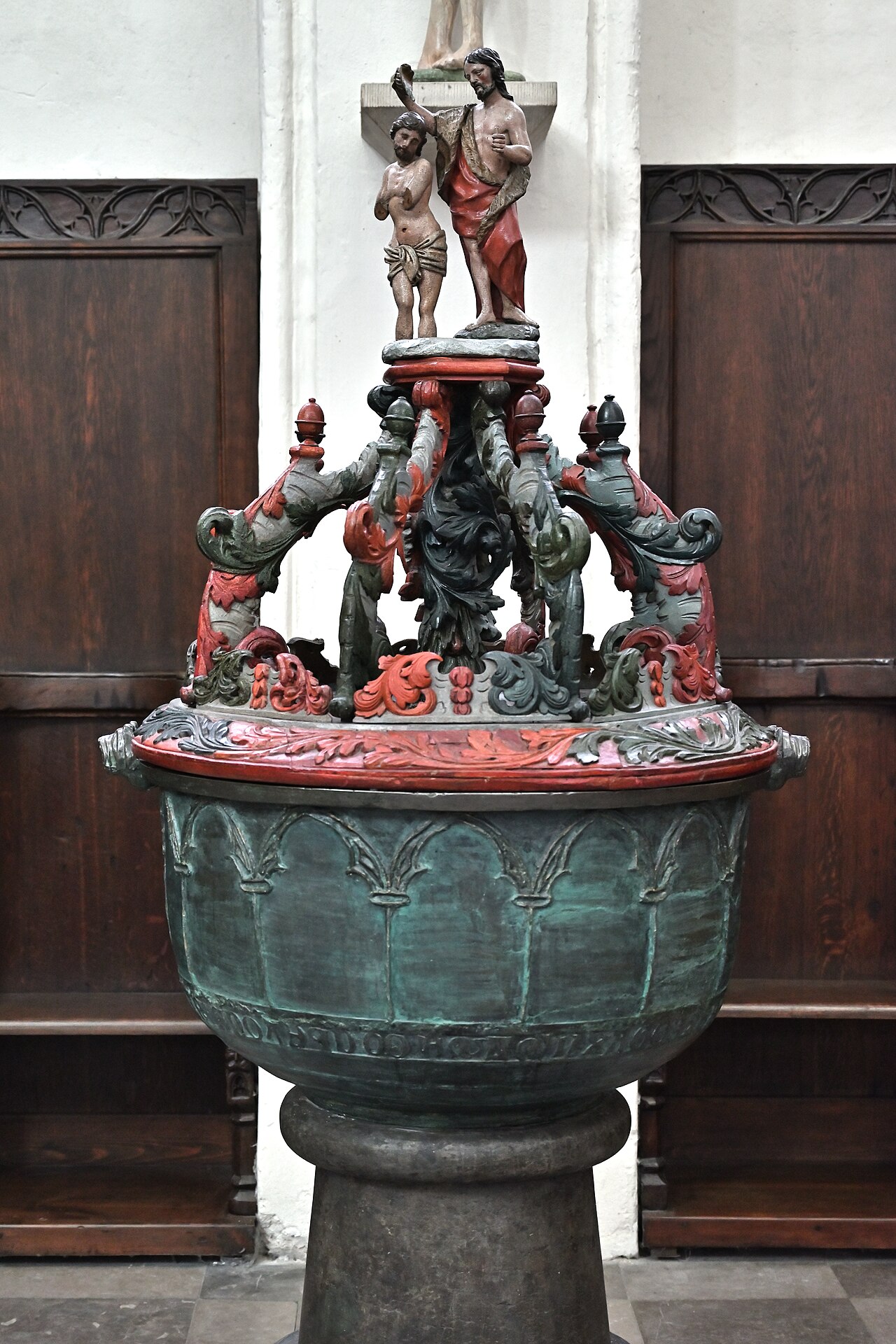 Artifact
Secondary source
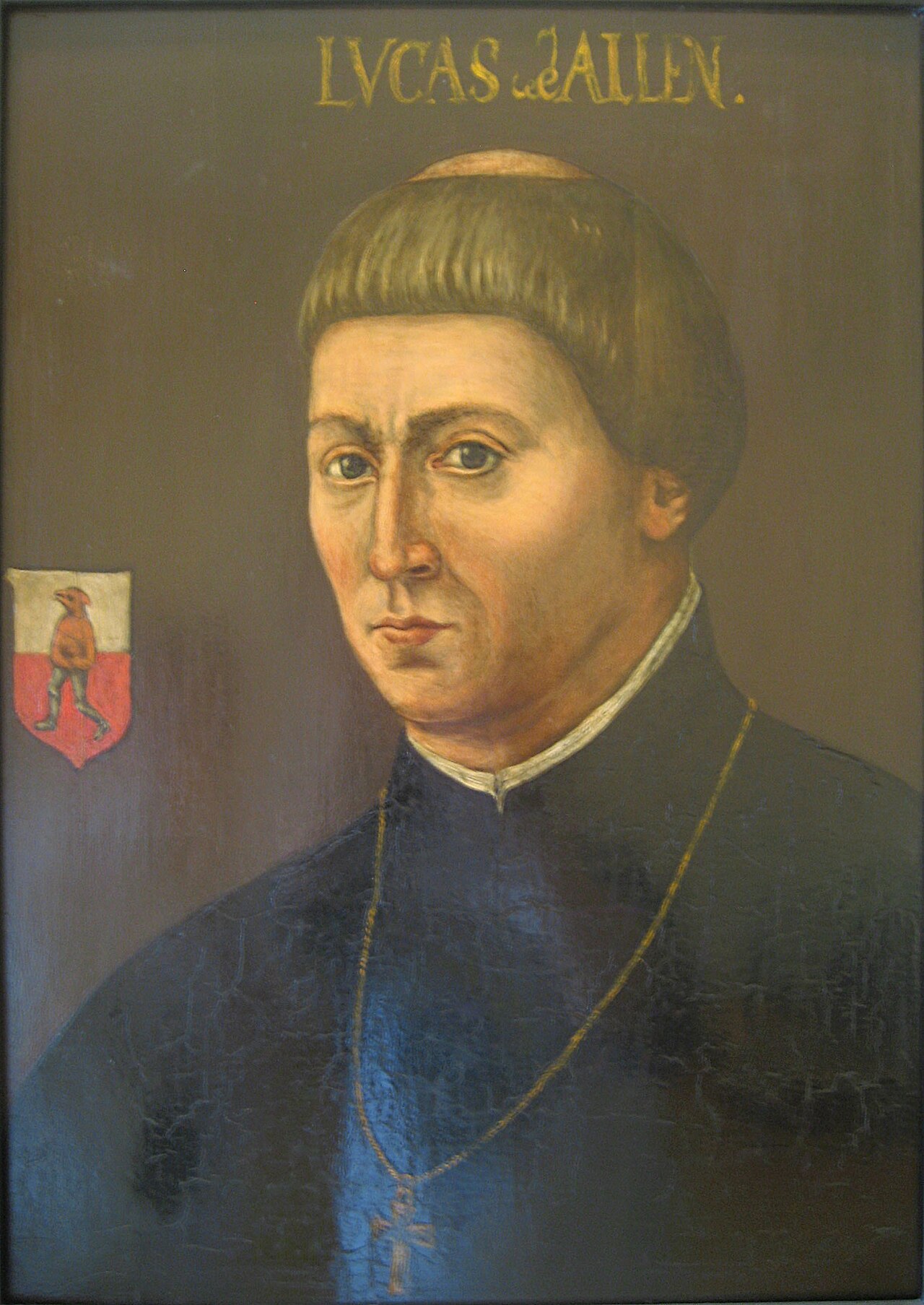 Painting
Secondary source
Unknown
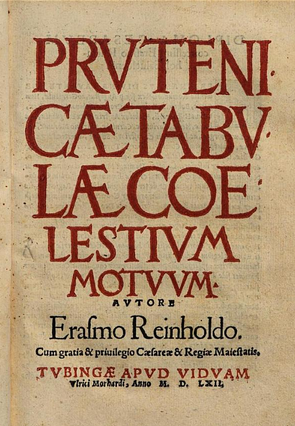 Document
Secondary source
Erasmus Reinhold · 1551
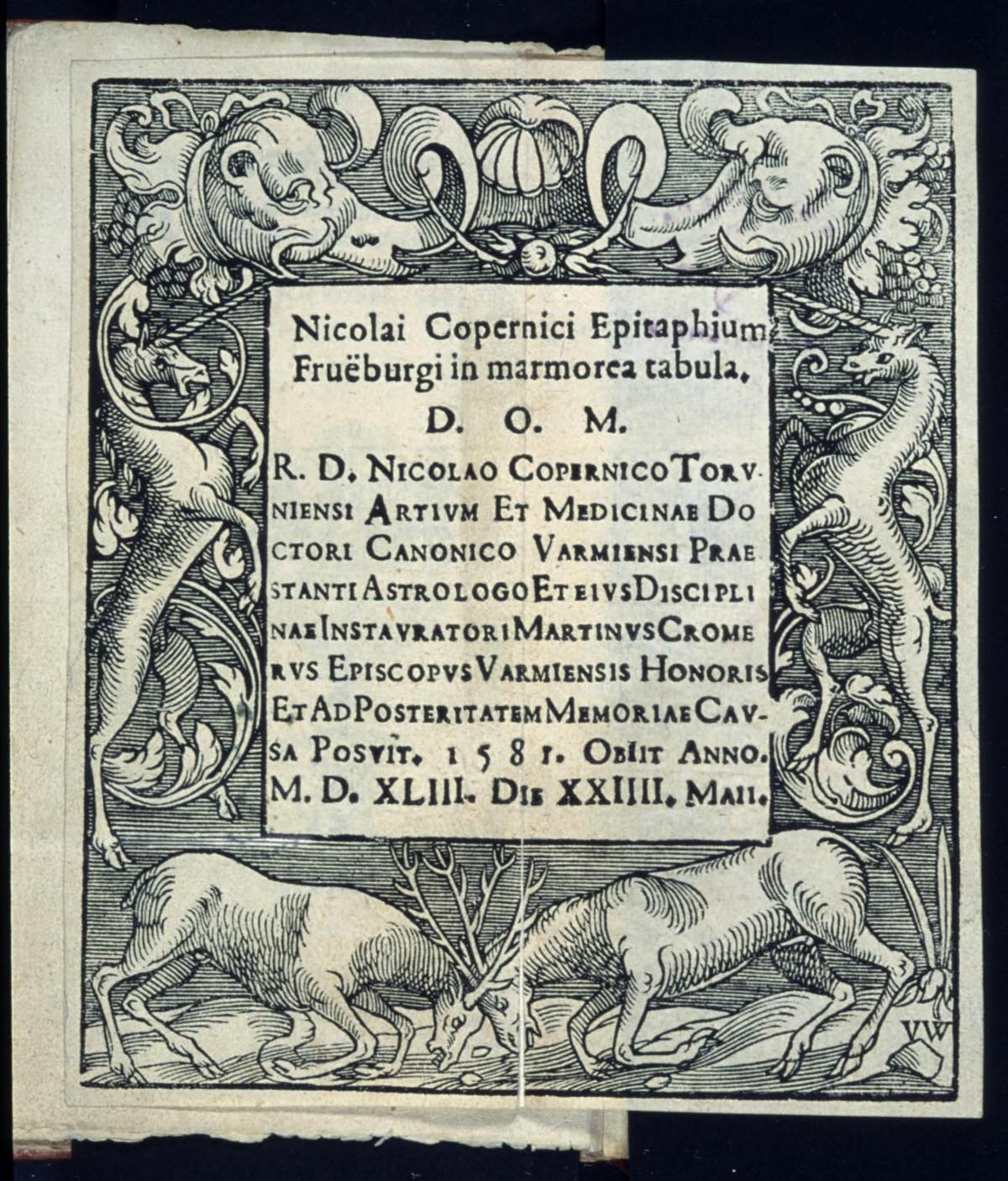 Document
Secondary source
Martin Cromer · 1581
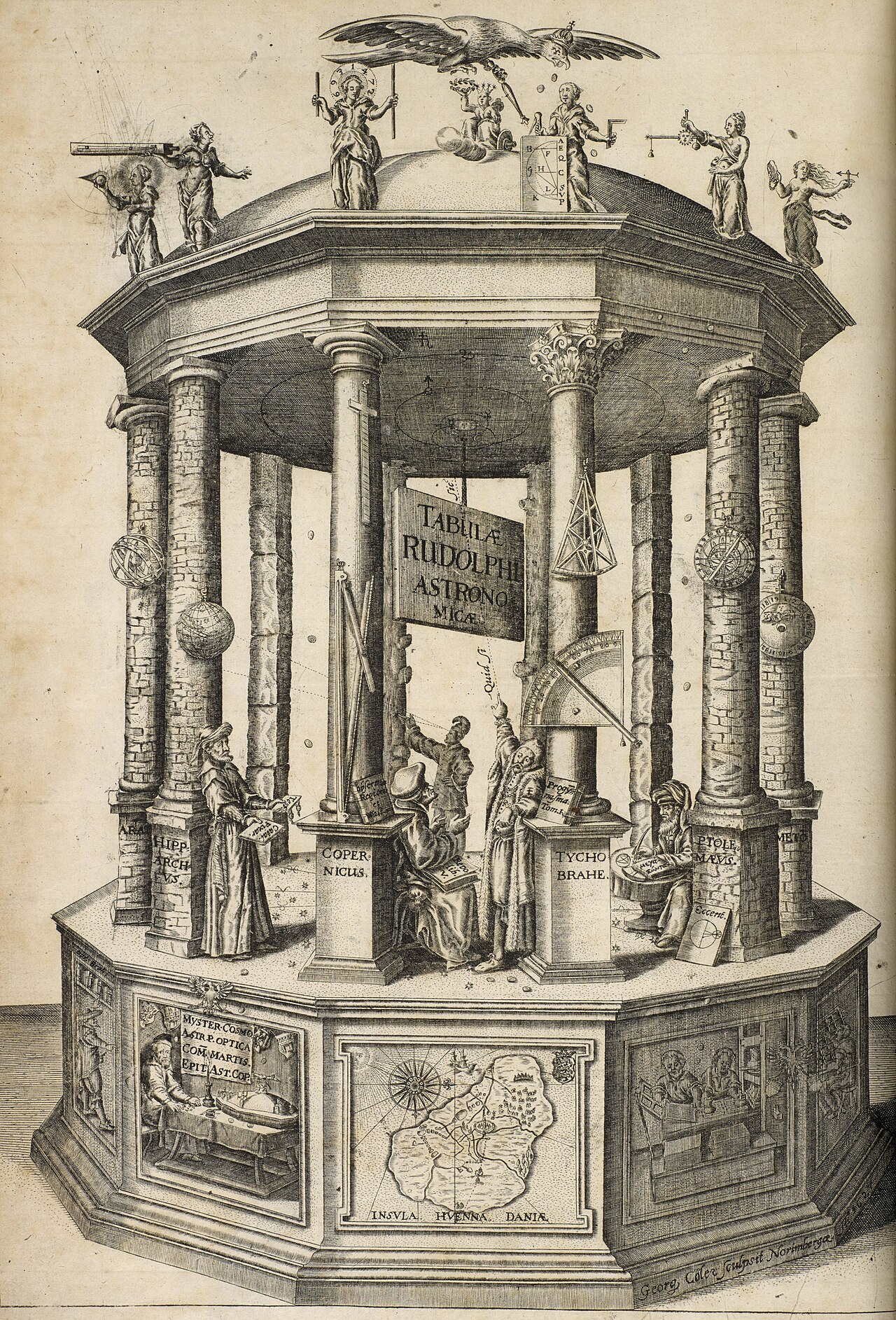 Artifact
Secondary source
Georg Celer · 1627
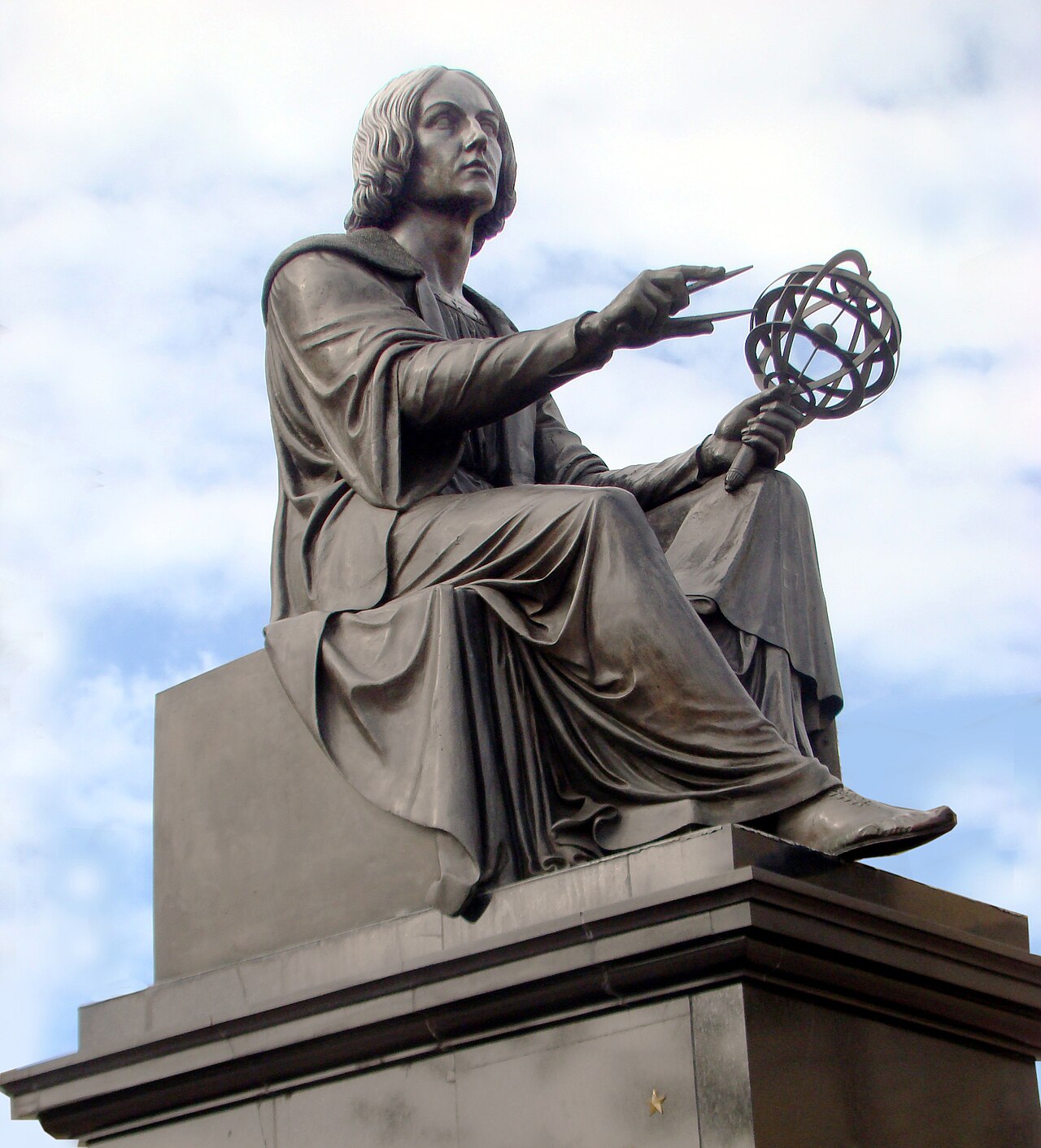 Sculpture
Secondary source
Bertel Thorvaldsen · 1830
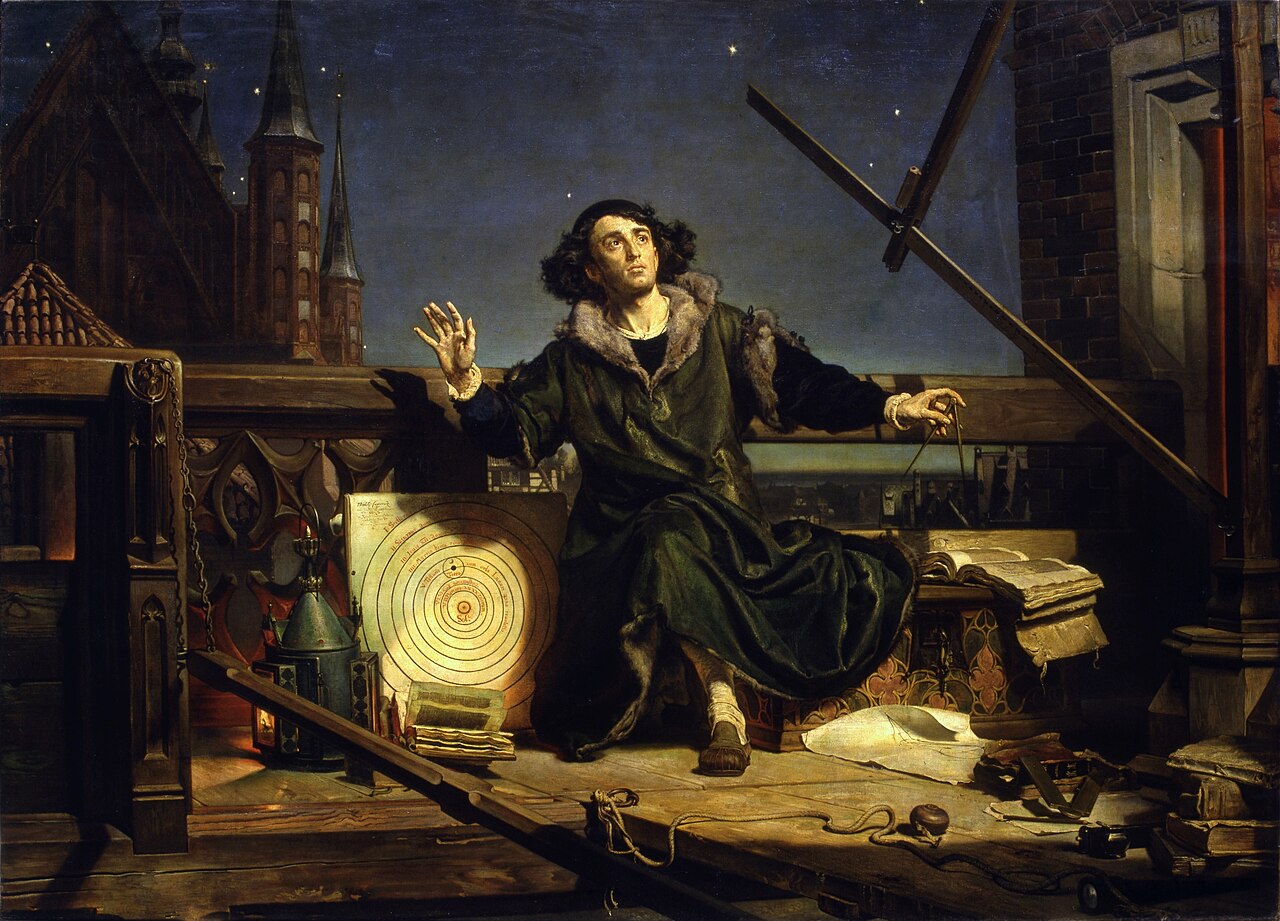 Painting
Secondary source
Jan Matejko · 1873
 Book
Primary source
Giordano Bruno · 1584
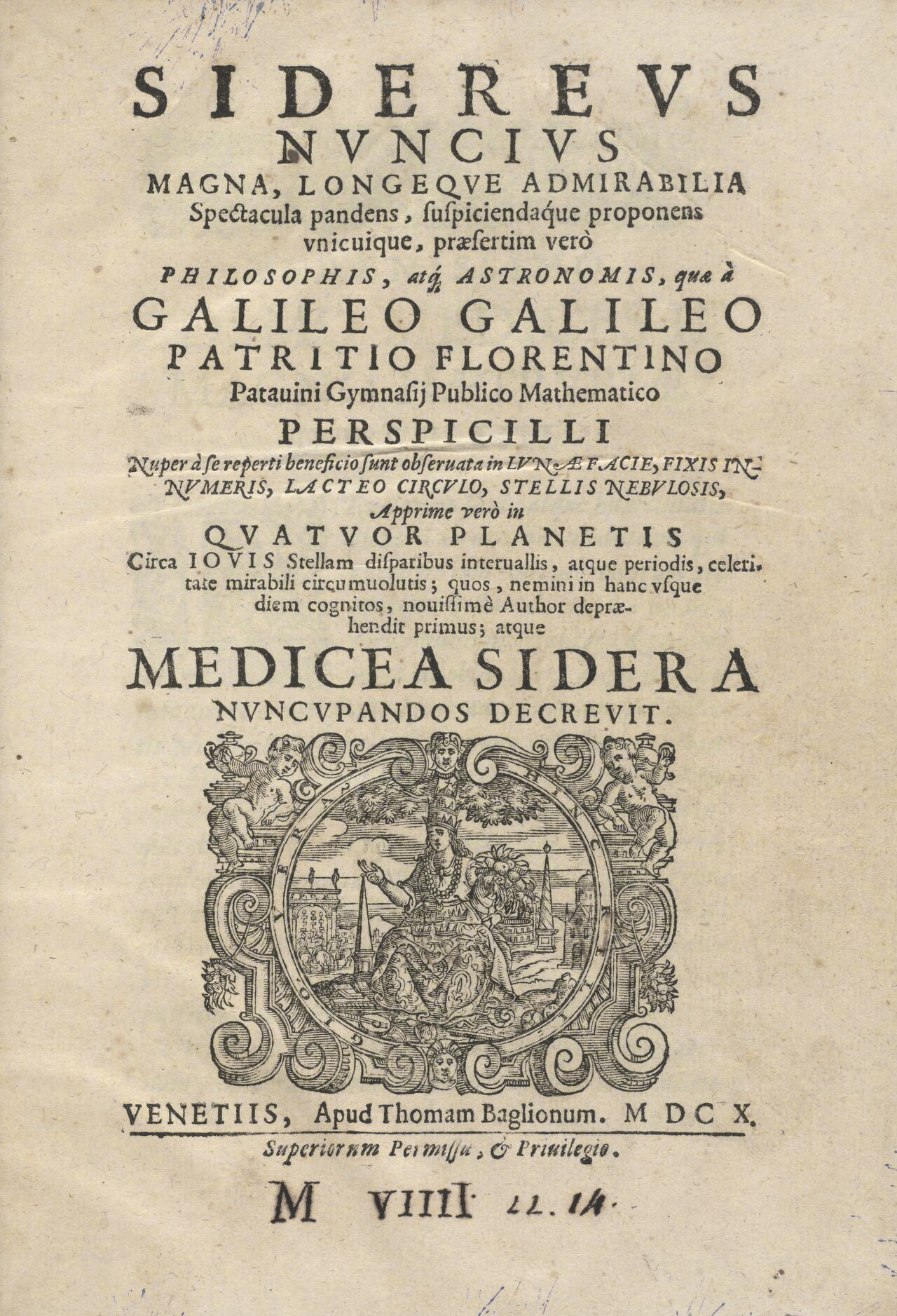 Book
Primary source
Galileo Galilei · 1610
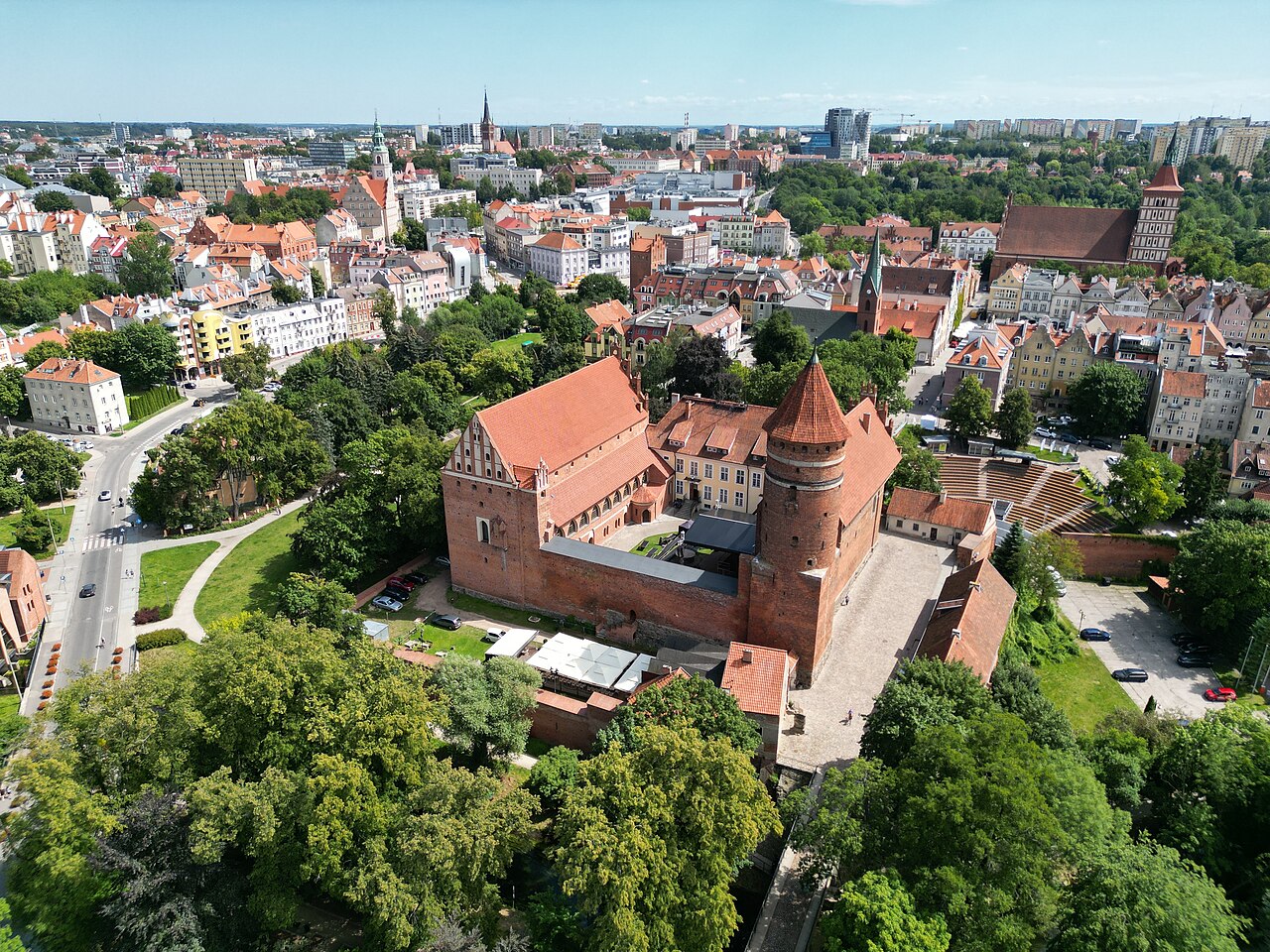 Artifact
Primary source
1353
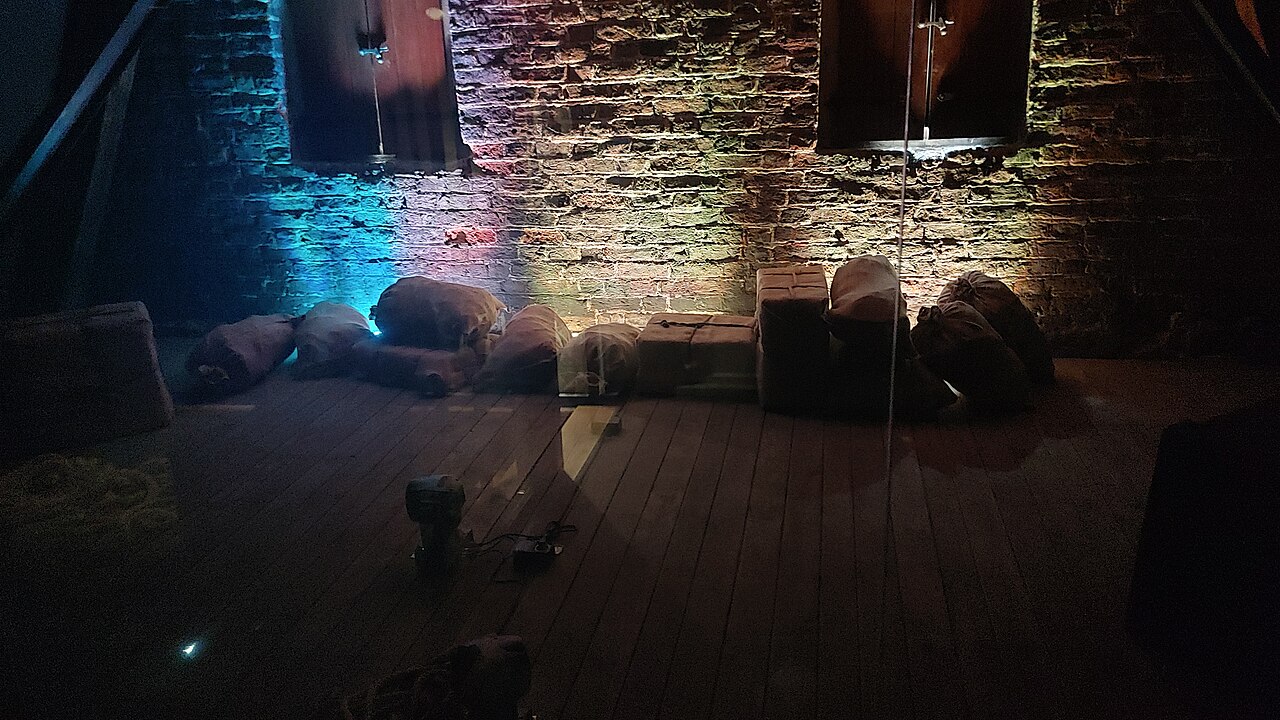 Artifact
Secondary source
15th century
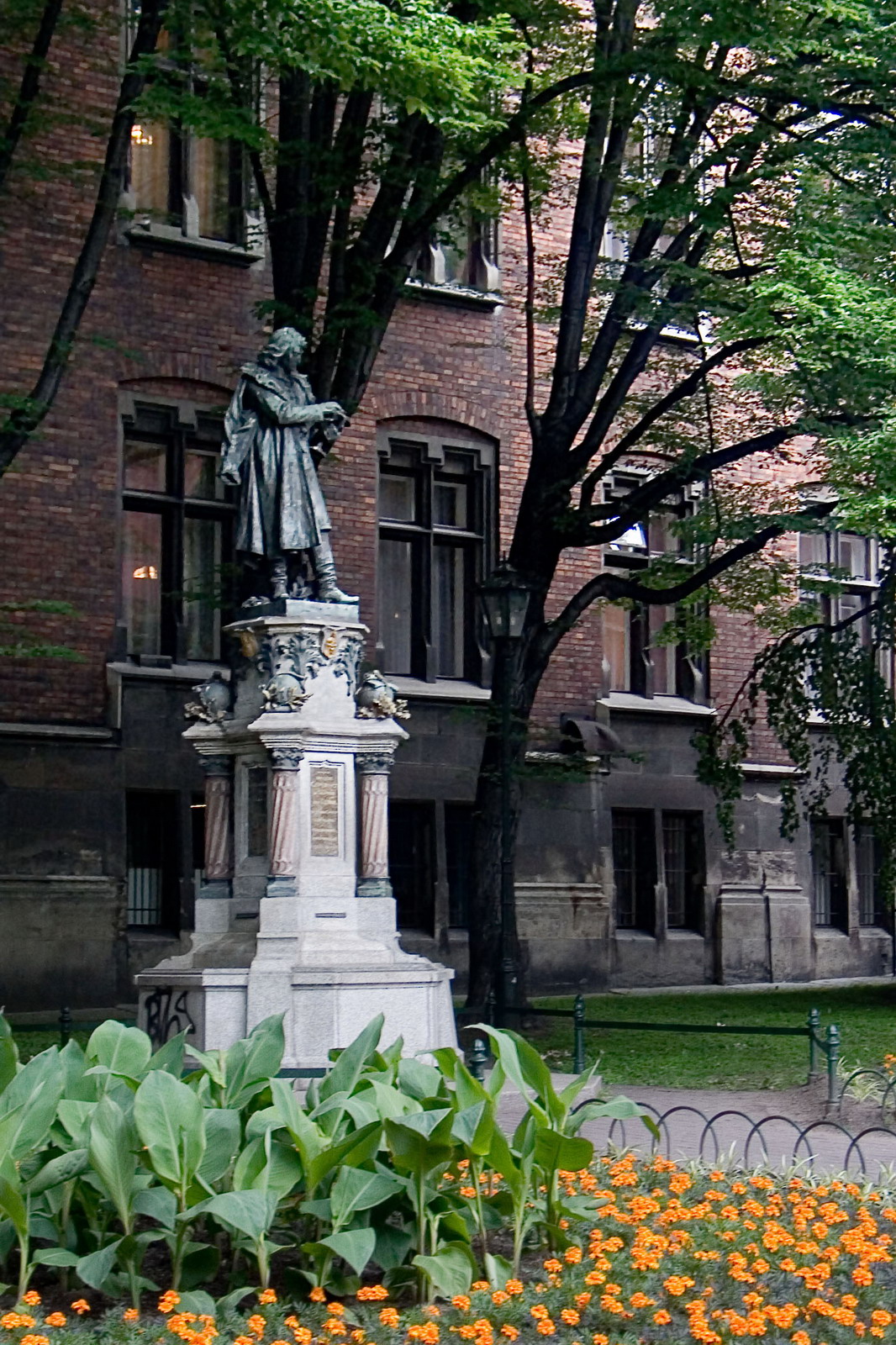 Sculpture
Secondary source
Cyprian Godebski · 1900
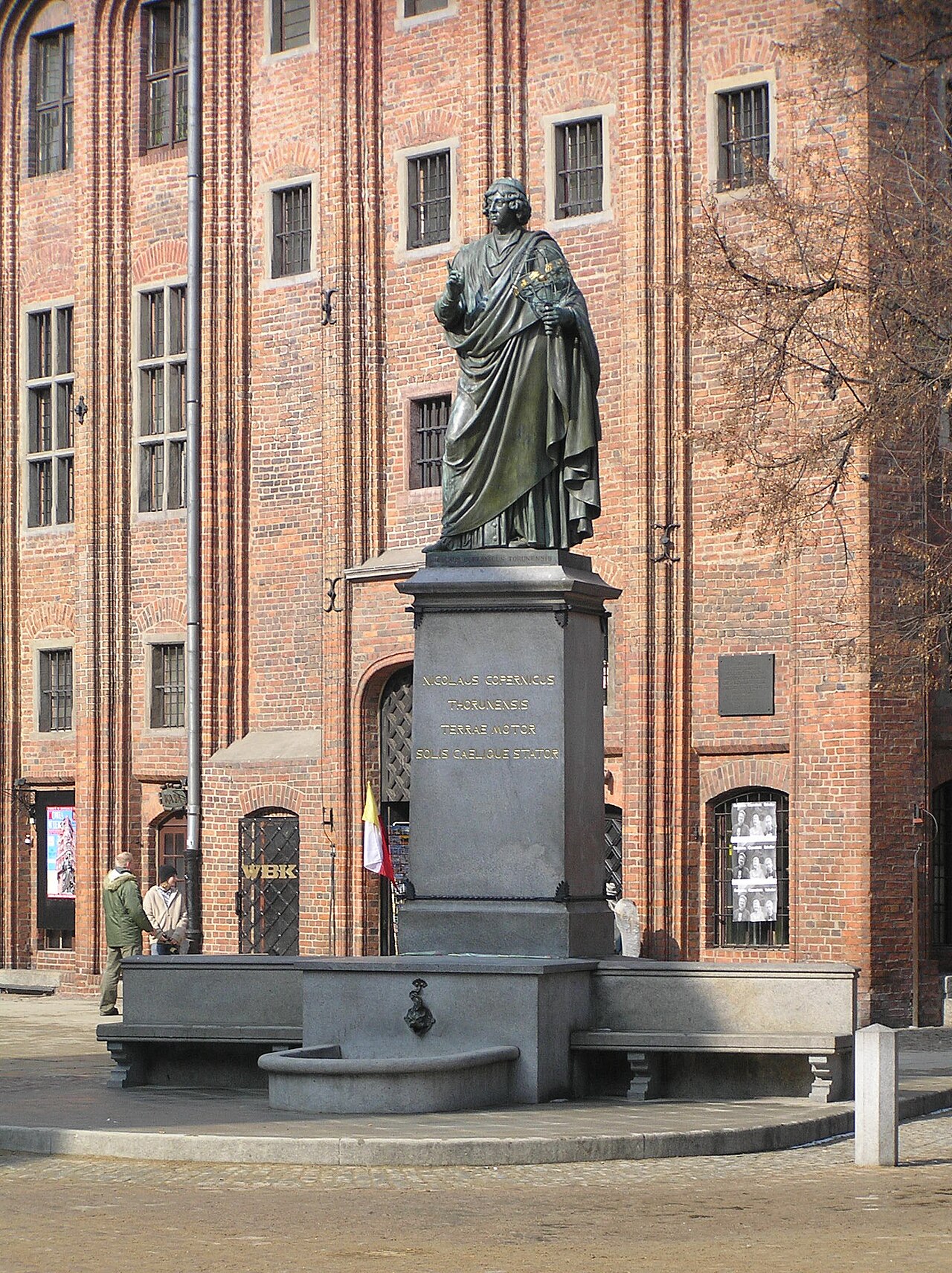 Sculpture
Secondary source
Christian Friedrich Tieck · 1853
Primary source
Nicolaus Copernicus · 1543
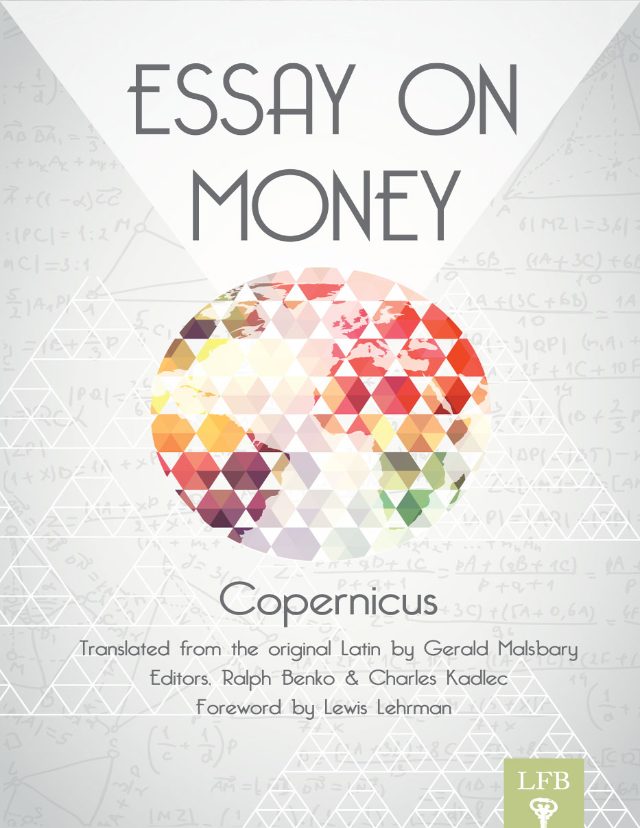 Book
Primary source
Nicolaus Copernicus · 1526
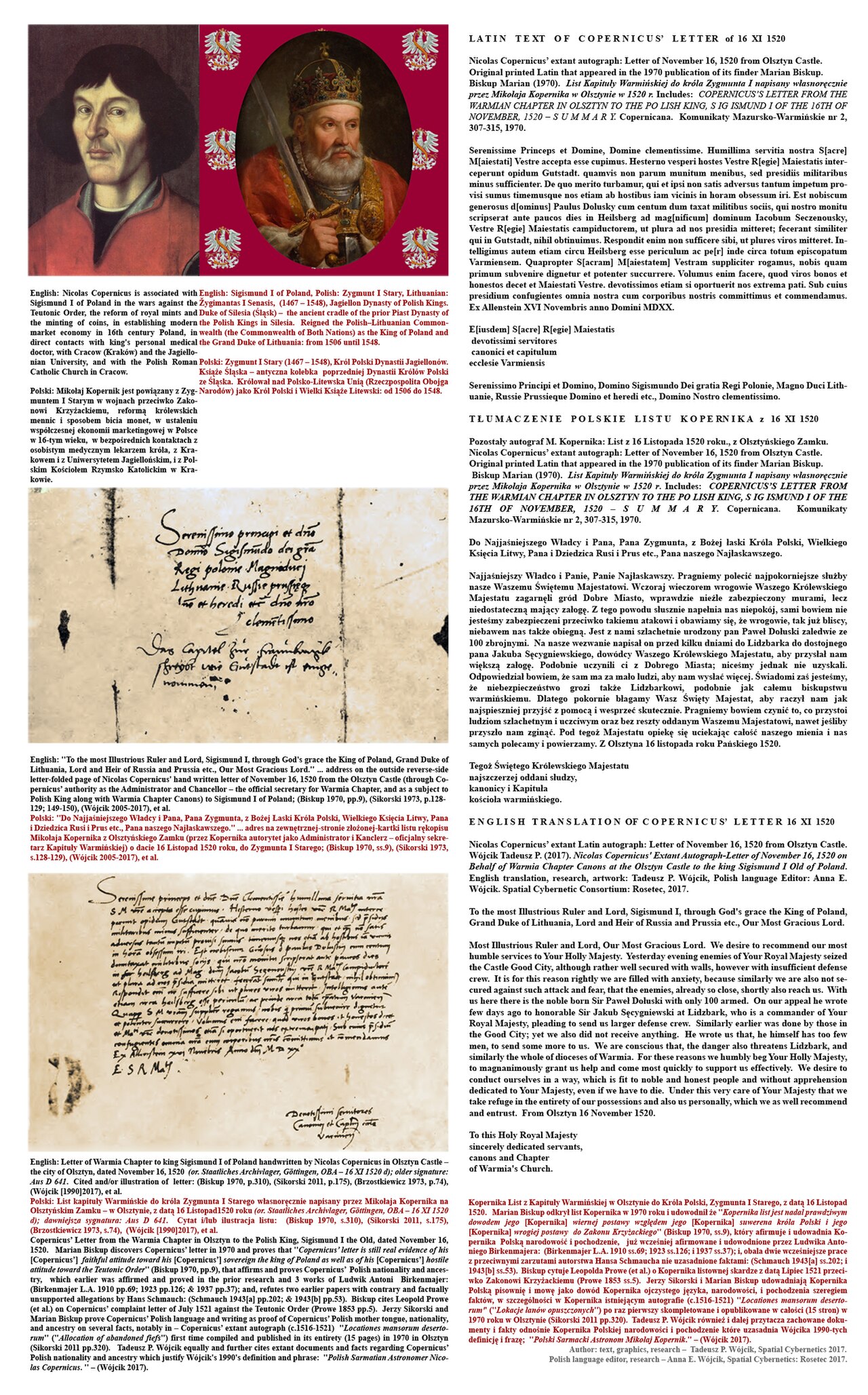 Letter
Primary source
Nicolaus Copernicus · 16 November 1520
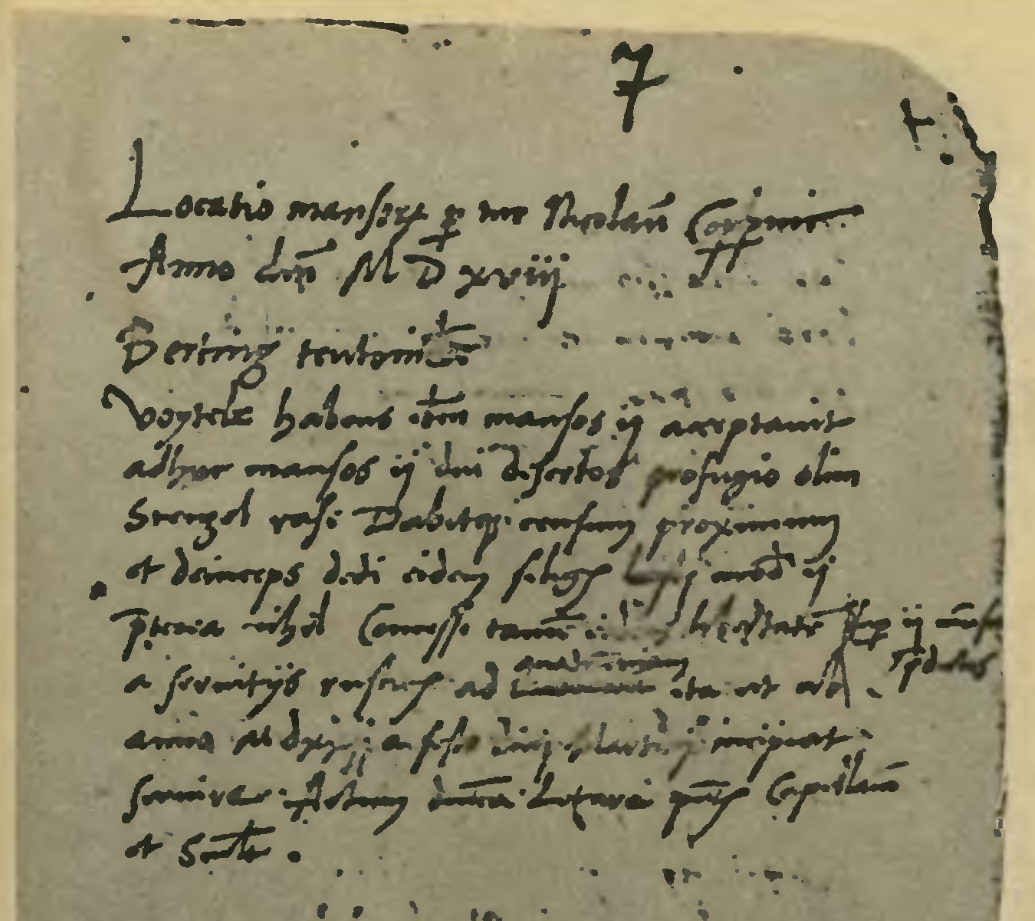 Document
Primary source
Nicolaus Copernicus · 1518
Secondary source
Ludwik Antoni Birkenmajer · 1900
Secondary source
October 1883
Primary source
Nicolaus Copernicus · 1526
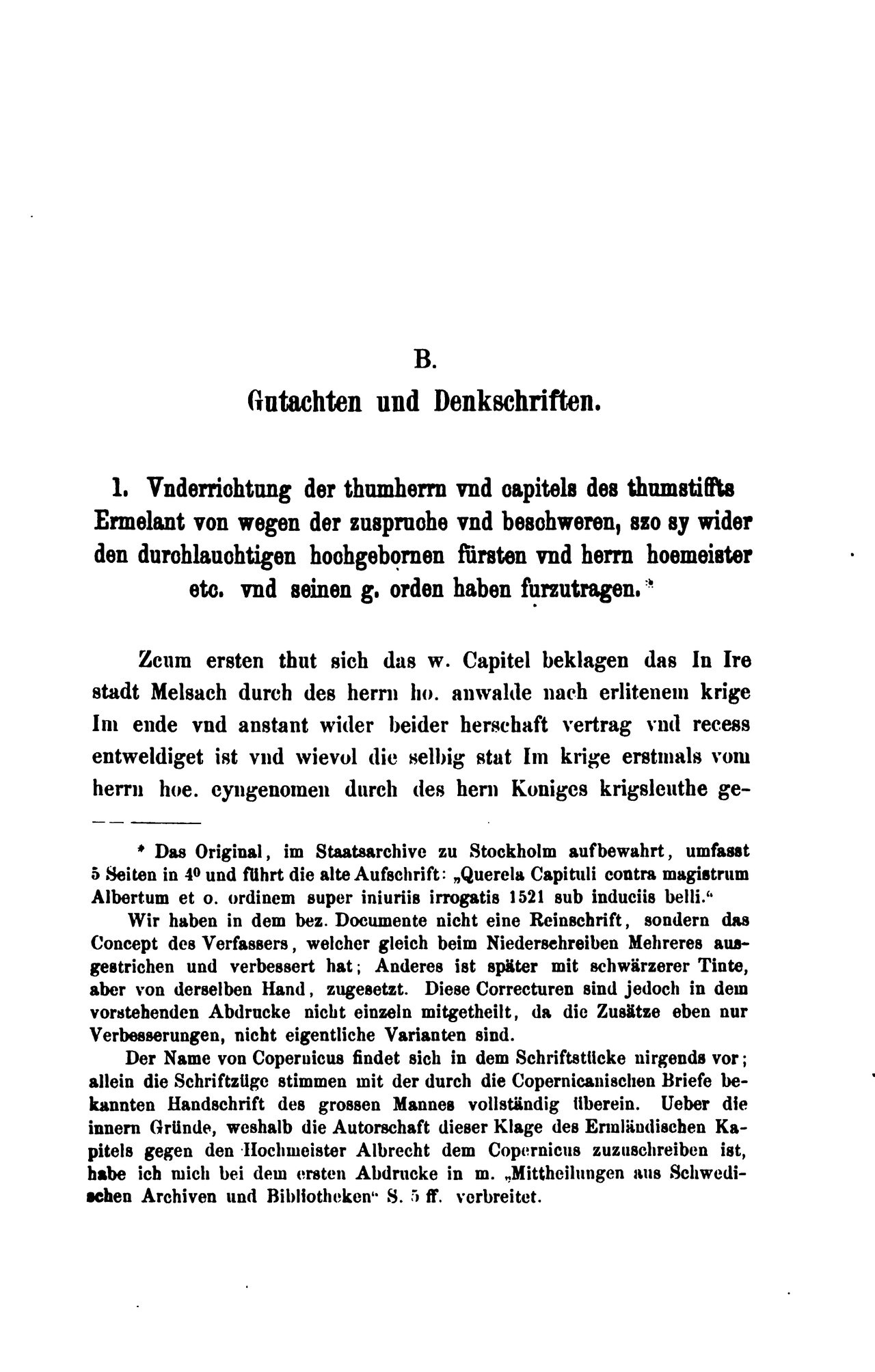 Letter
Primary source
Nicolaus Copernicus
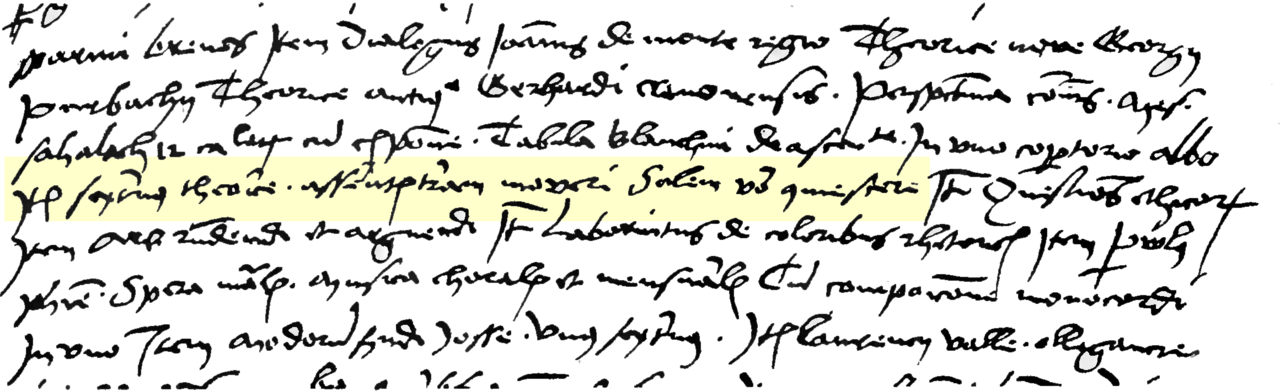 Document
Primary source
Matthias von Miechow · 1 May 1514
 Book
Secondary source
Augusto Montanari · 1877
 Document
Secondary source
Thomas Willing Balch · 1908
 Book
Secondary source
Dorothy Stimson · 1917
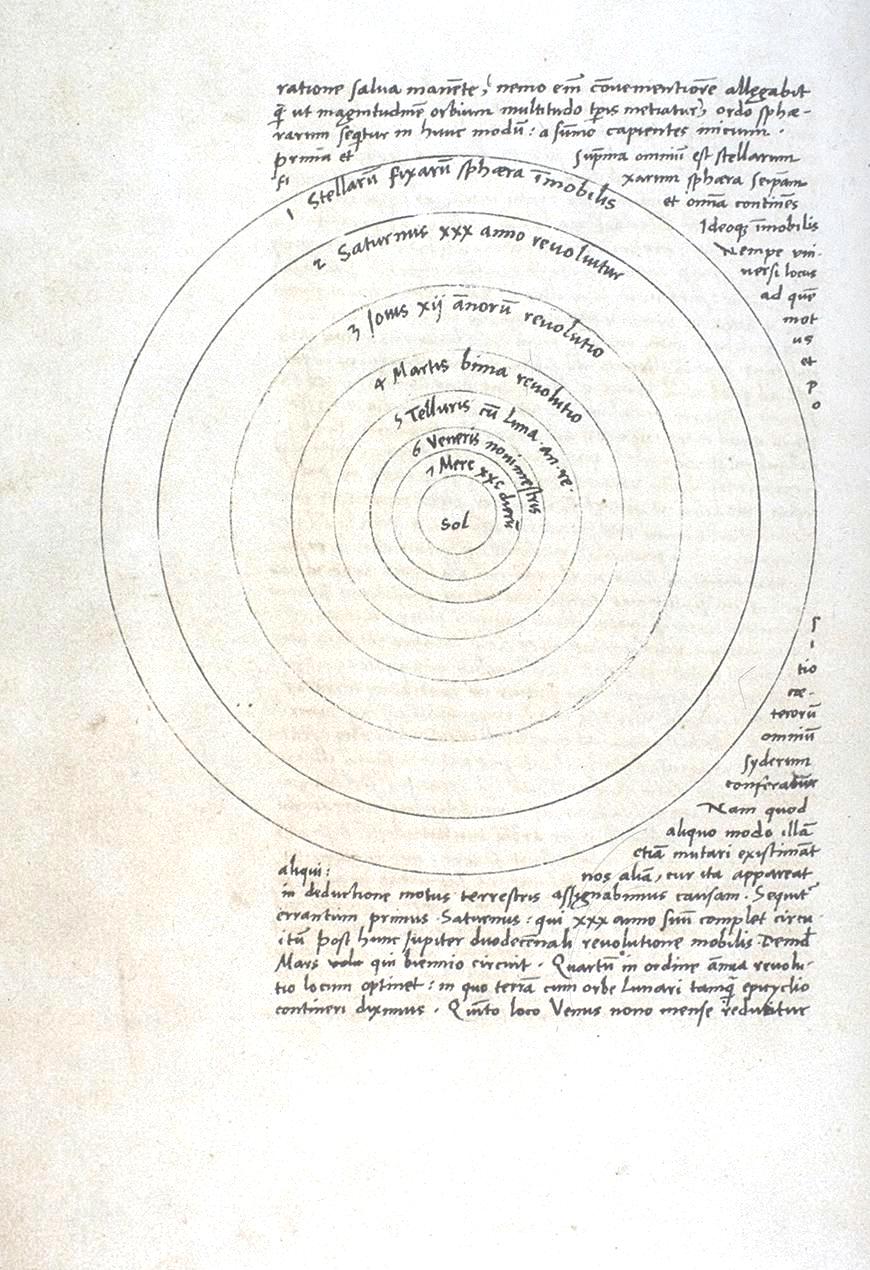 Document
Primary source
Nicolaus Copernicus · 1520-1541
 Book
Secondary source
Adolf Prowe · 1874
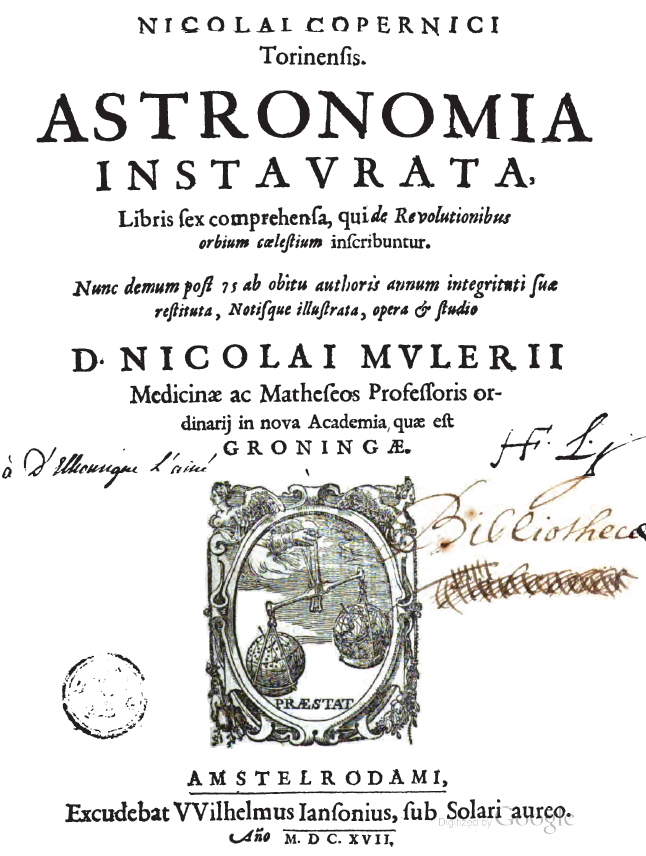 Document
Secondary source
Nicolaus Copernicus · 1617
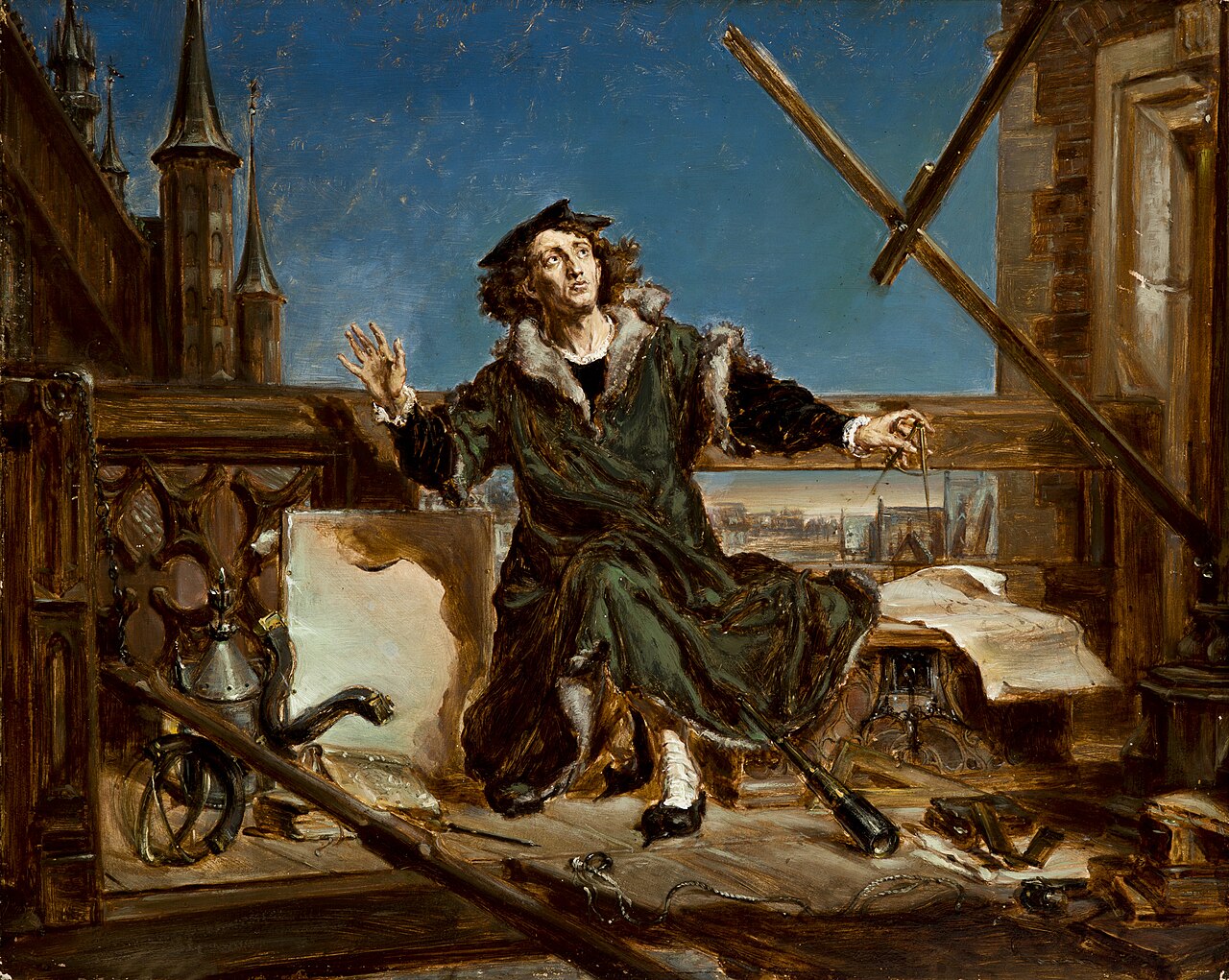 Painting
Secondary source
Jan Matejko · 1871
Secondary source
Charles W. Eliot (editor); Francis Bacon (contributor) · 1909
Secondary source
1911
Secondary source
Charles G. Herbermann and others (eds.) · 1913
Secondary source
E. du Bois-Reymond · June 1883
Secondary source
June 1891
Secondary source
Edward S. Holden · June 1904
Secondary source
Arthur Berry · 1898
Secondary source
Augustus De Morgan · 1872
Secondary source
Giosuè Matteini · 1785
Secondary source
Cesare Cantù · 1871
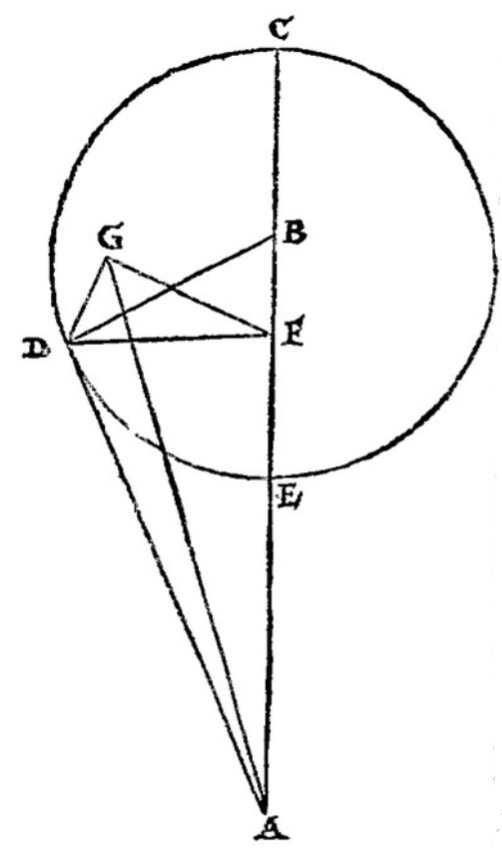 Document
Primary source
Nicolaus Copernicus
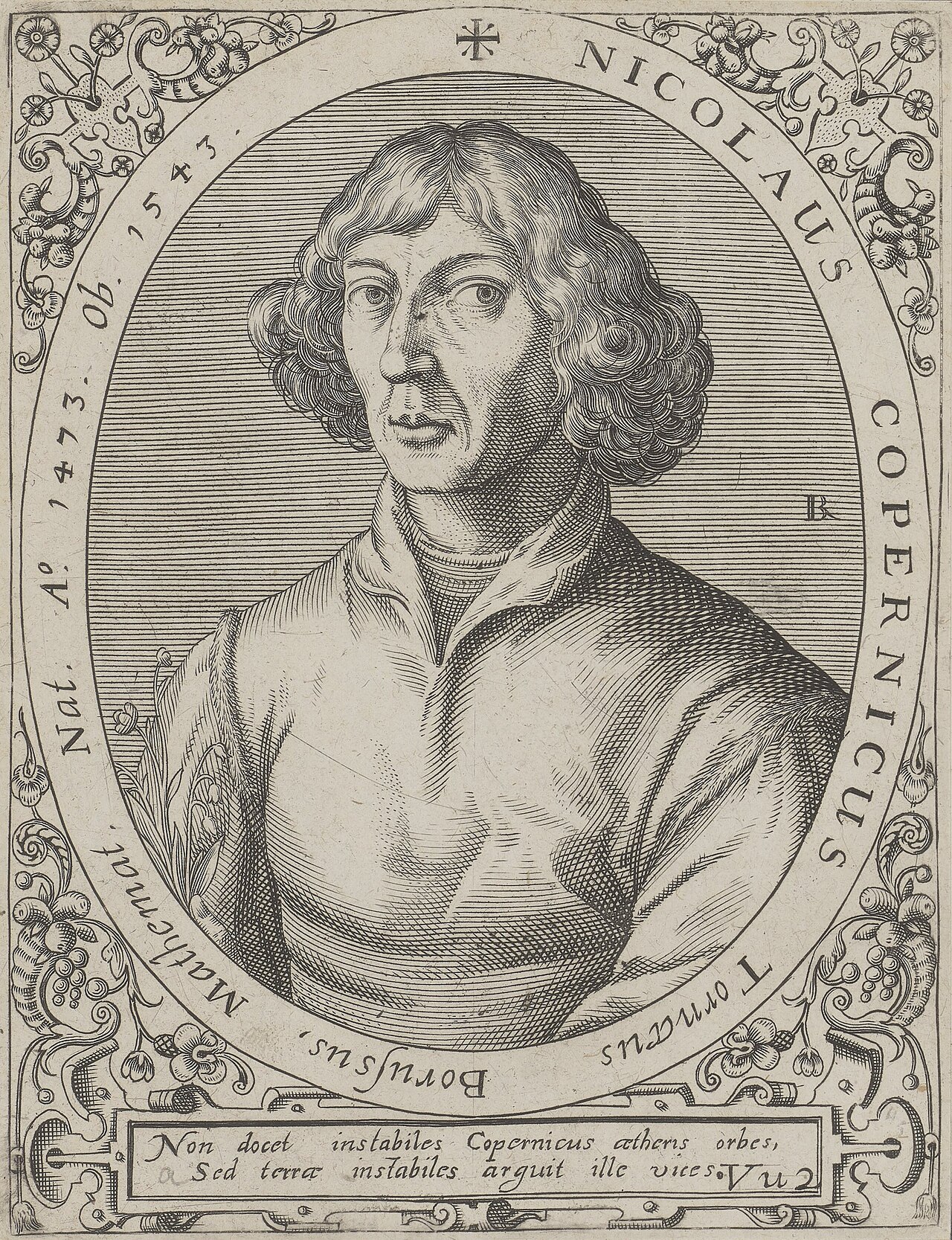 Painting
Secondary source
Robert Boissard · 1598
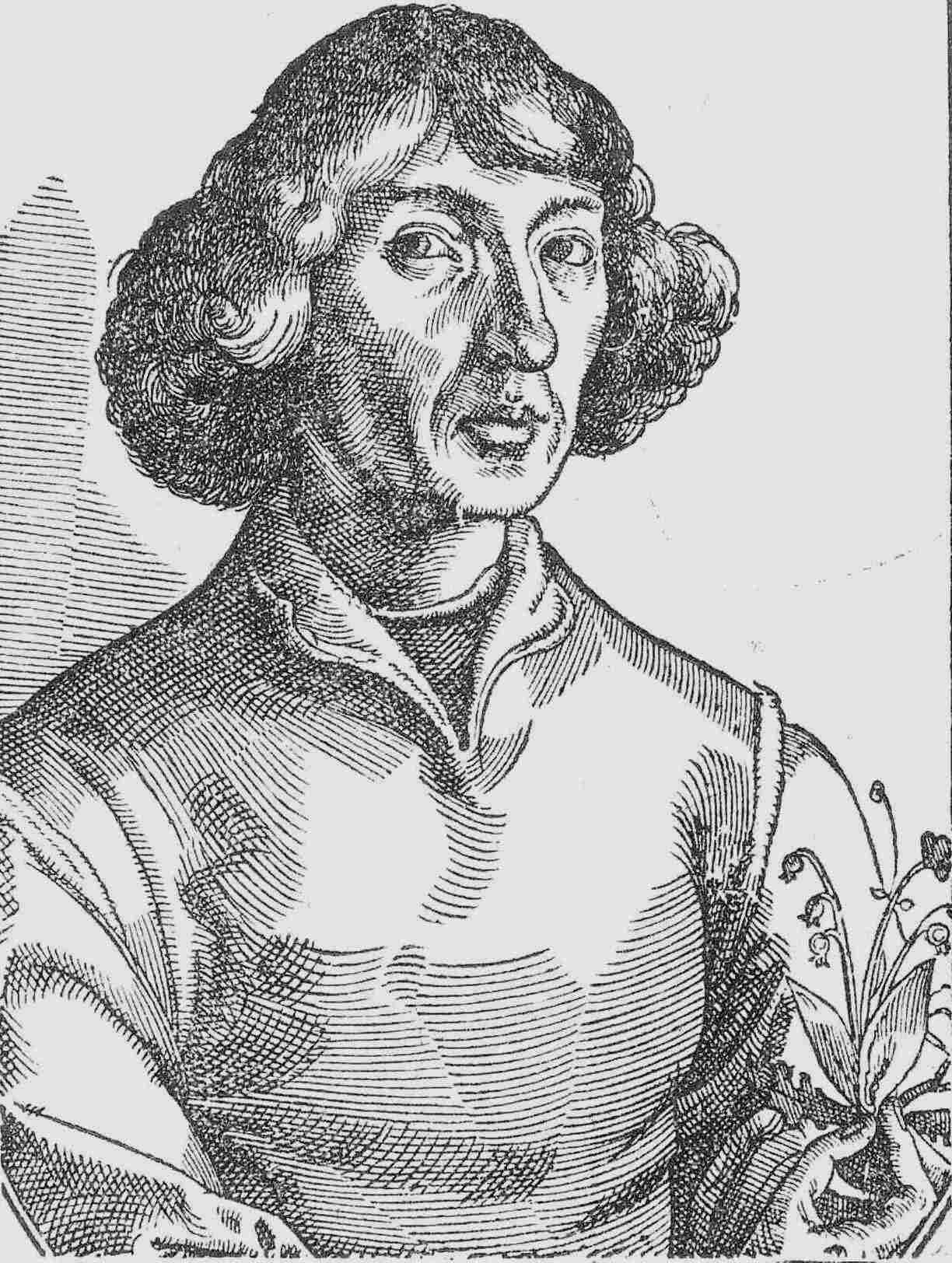 Painting
Secondary source
Christoph Murer (after Tobias Stimmer) · 1587
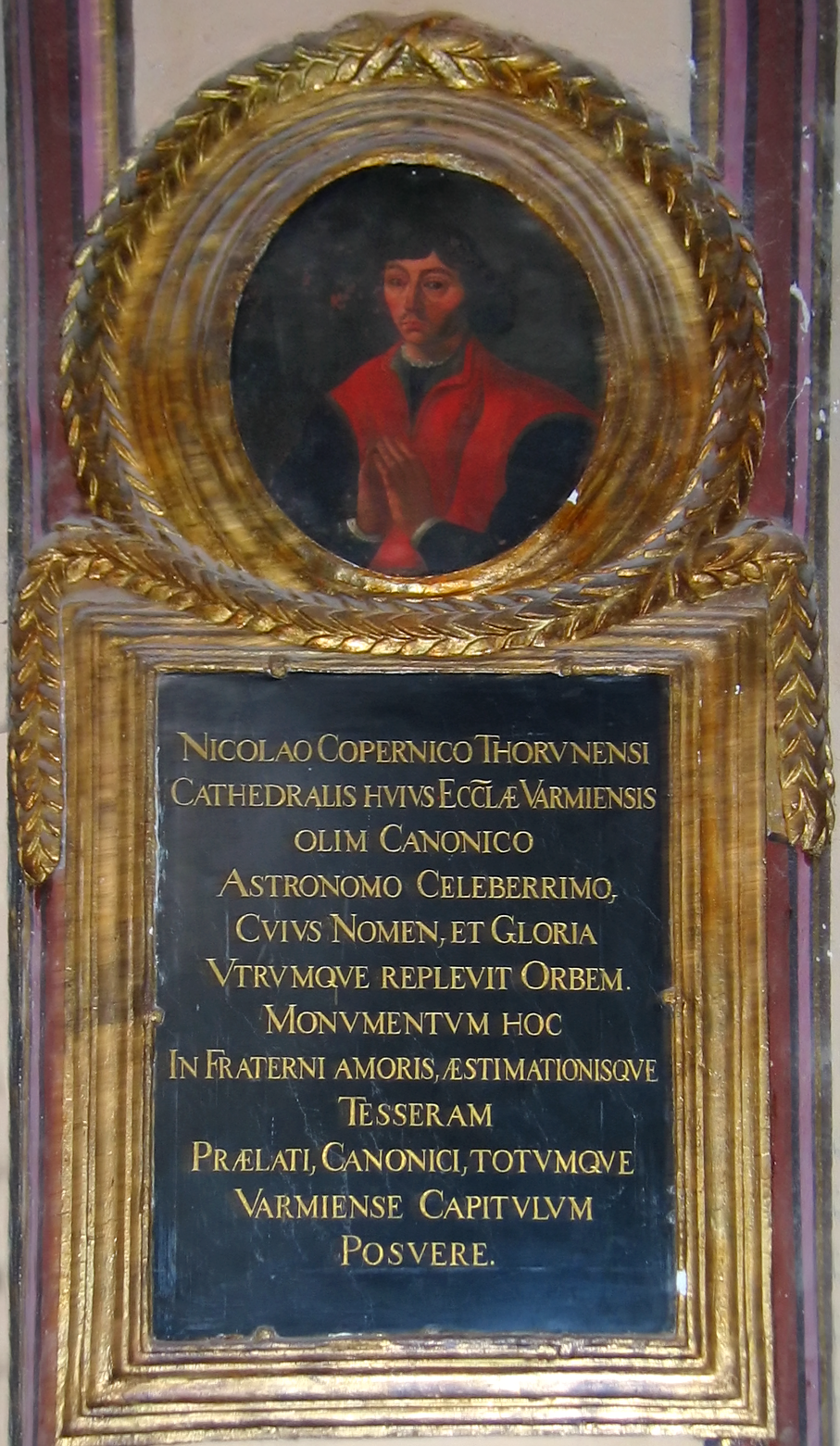 Artifact
Secondary source
1735
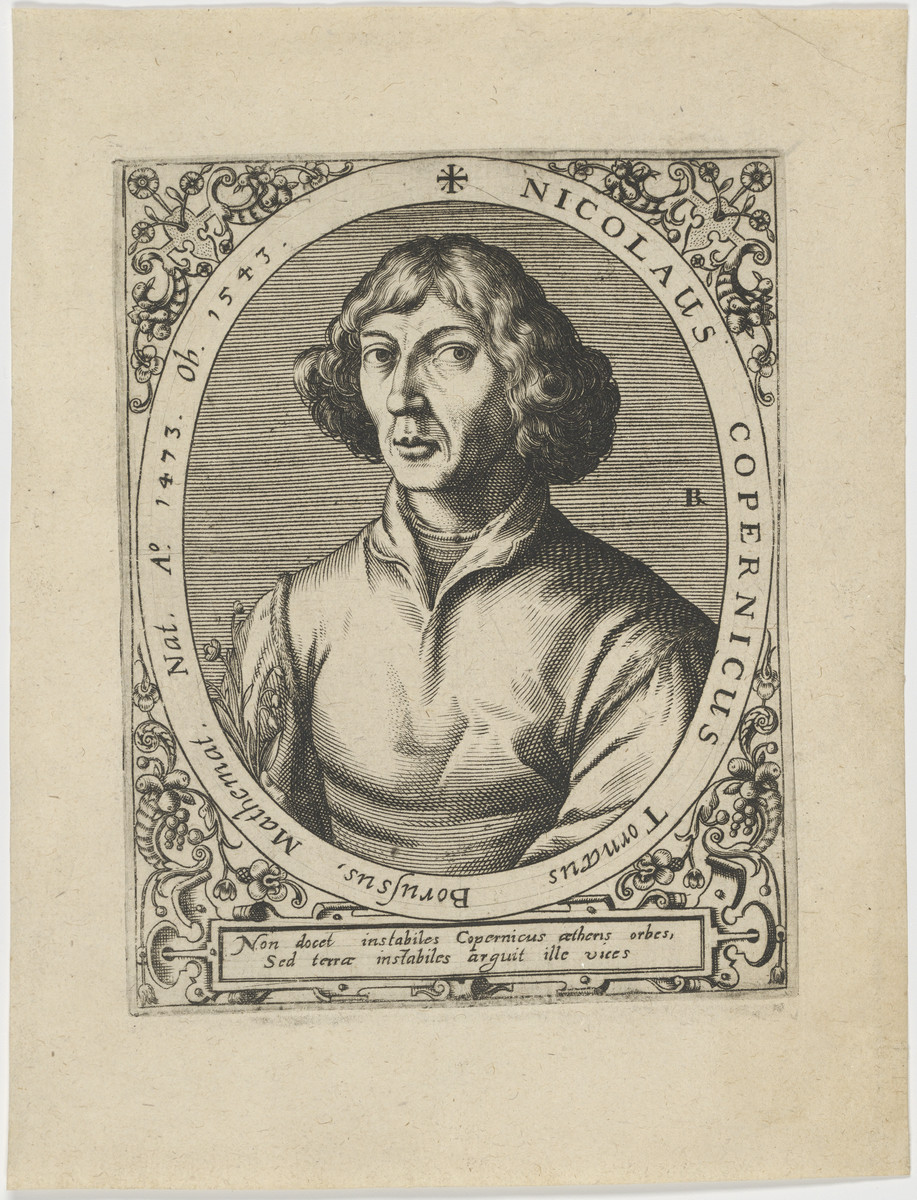 Painting
Secondary source
Robert Boissard · 1598
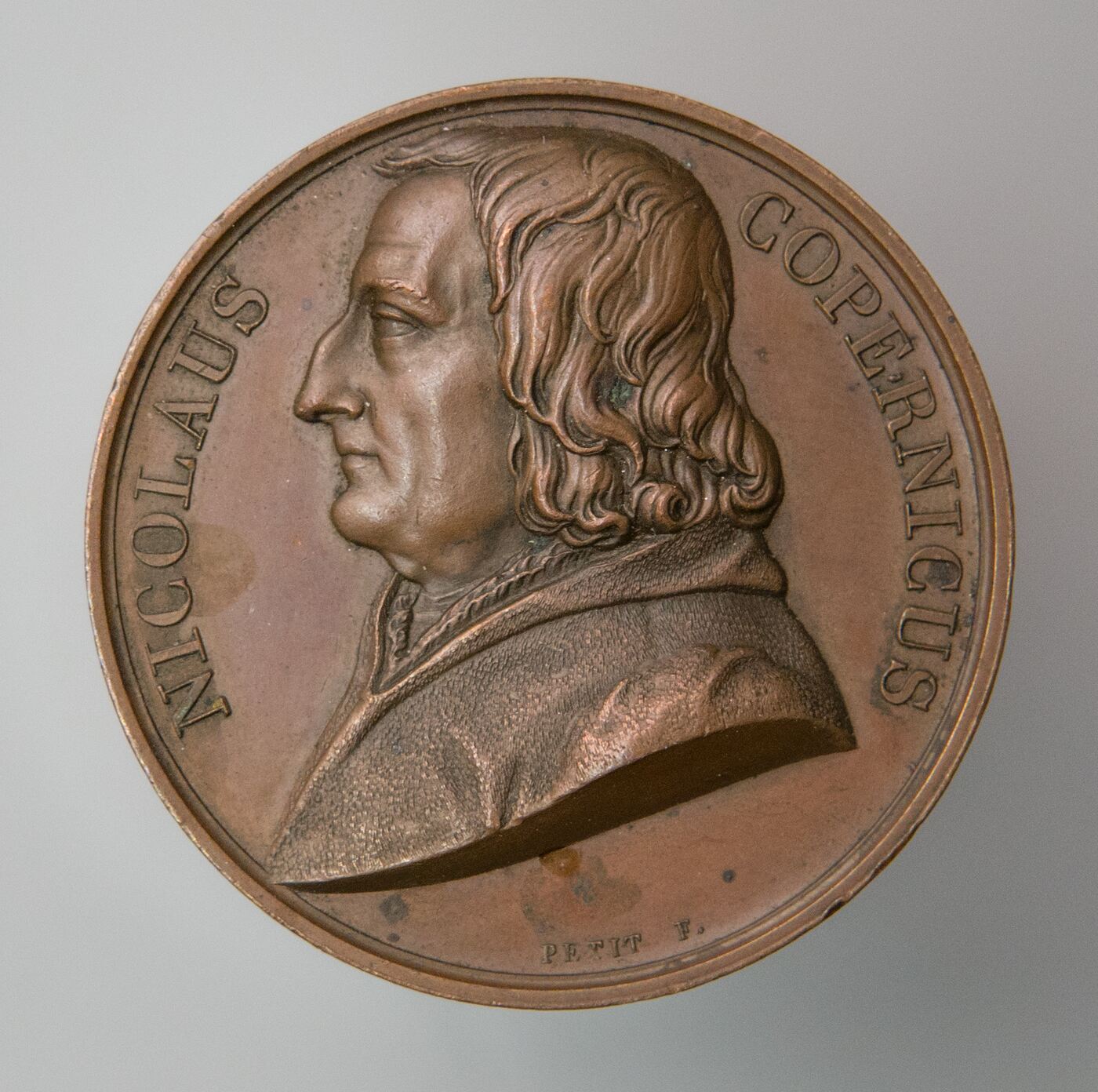 Artifact
Secondary source
Pierre Amédée Durand · 1818
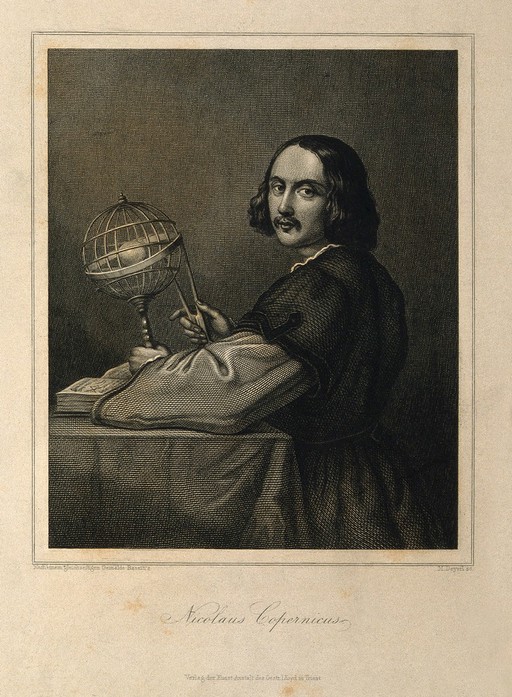 Painting
Secondary source
M. Deyerl · 1512
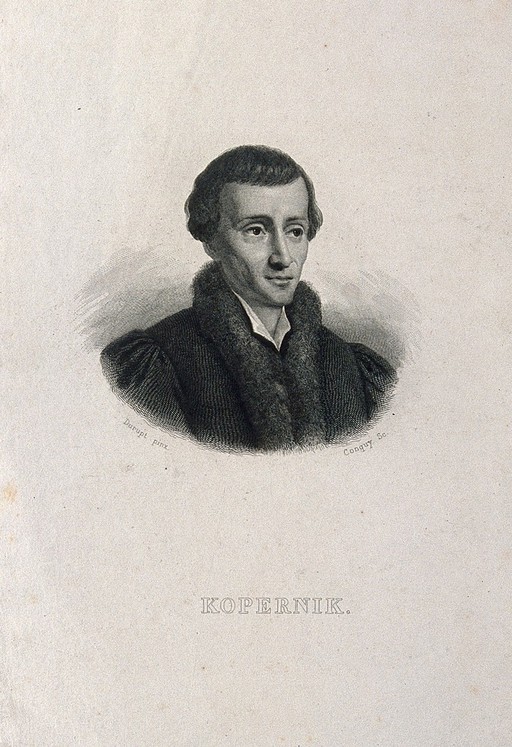 Painting
Secondary source
E. Conquy
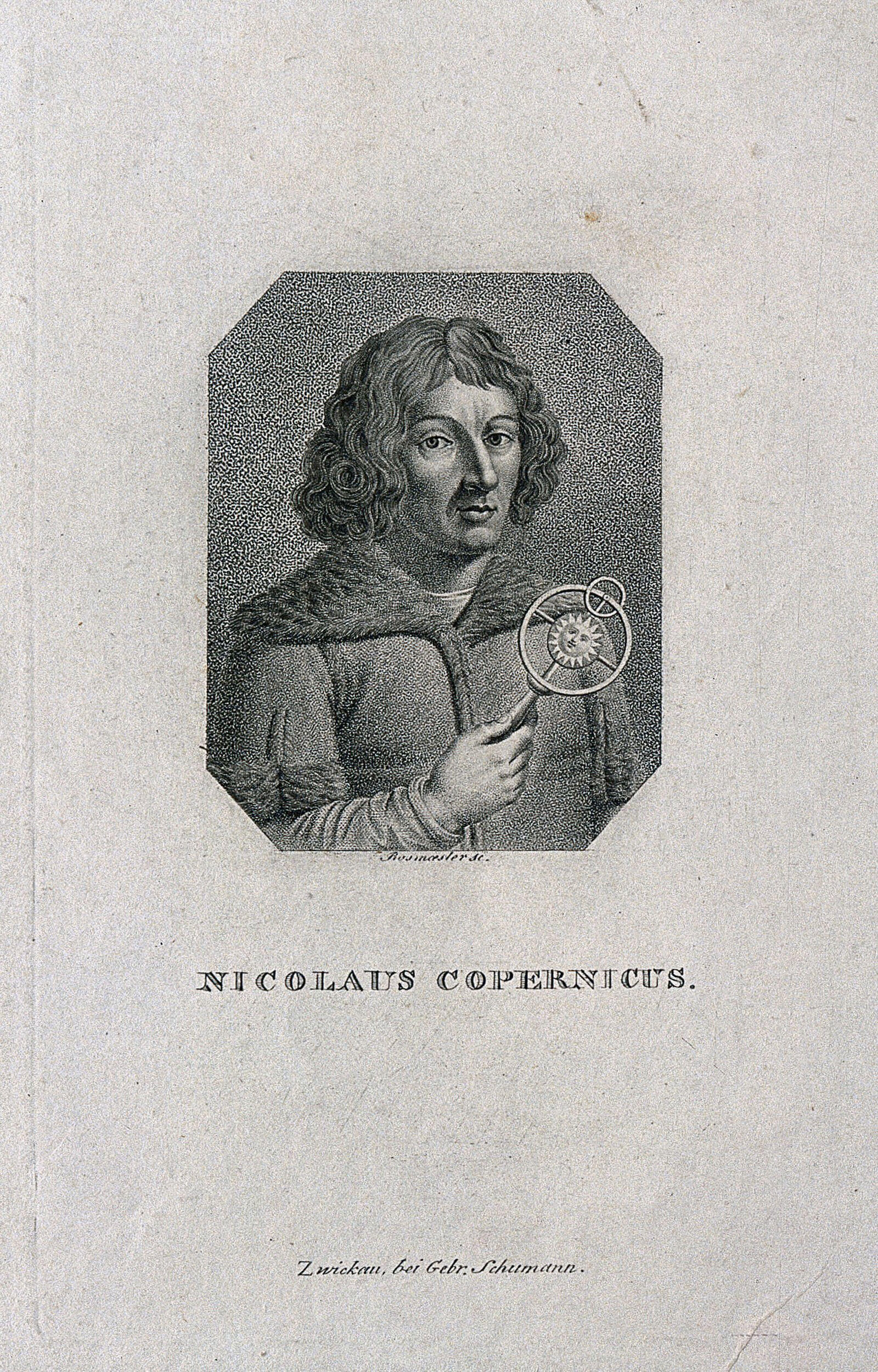 Painting
Secondary source
Francesco Pieraccini
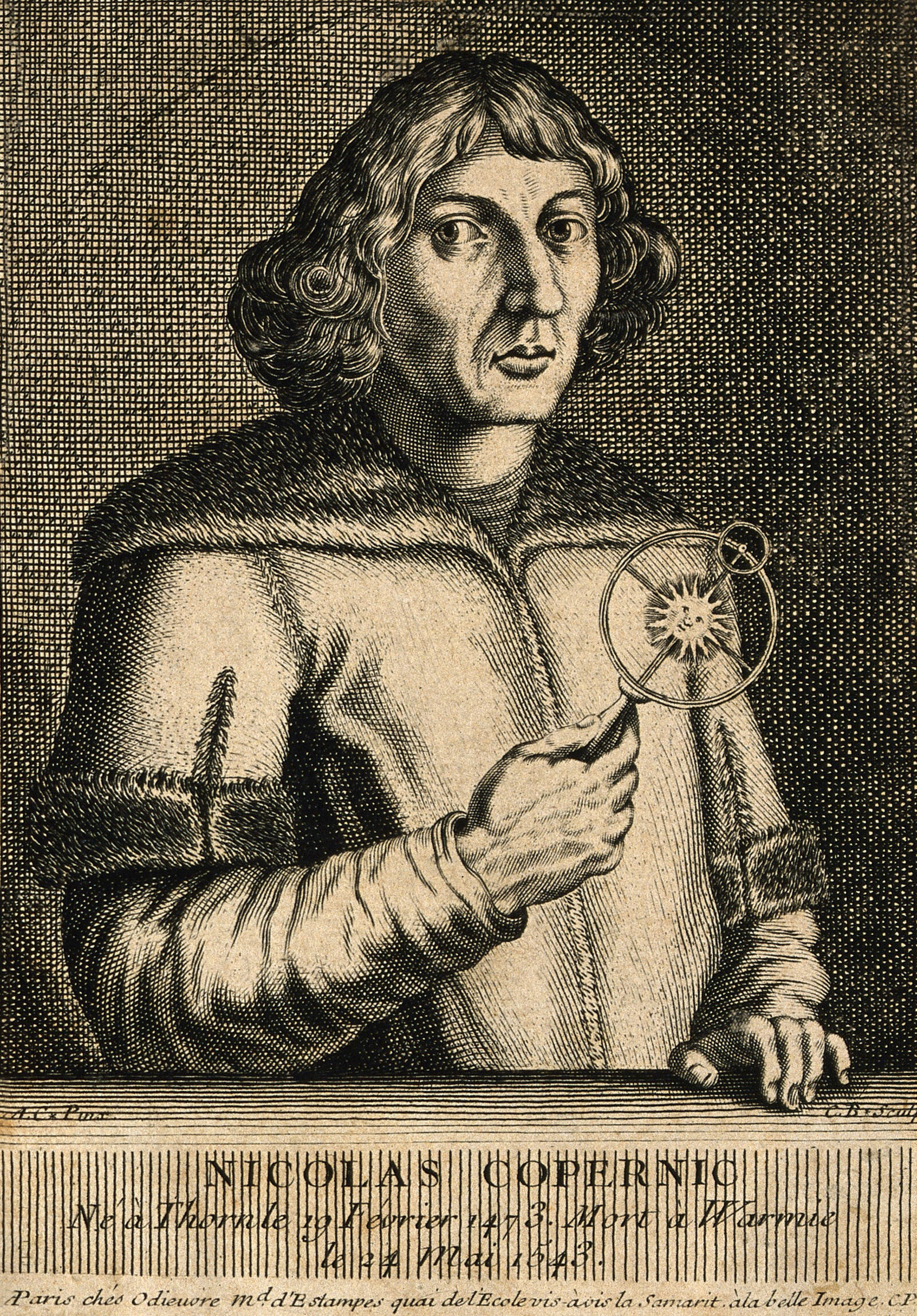 Painting
Secondary source
Anne Claude Philippe, Comte de Caylus · between 1755 and 1765
 Painting
Secondary source
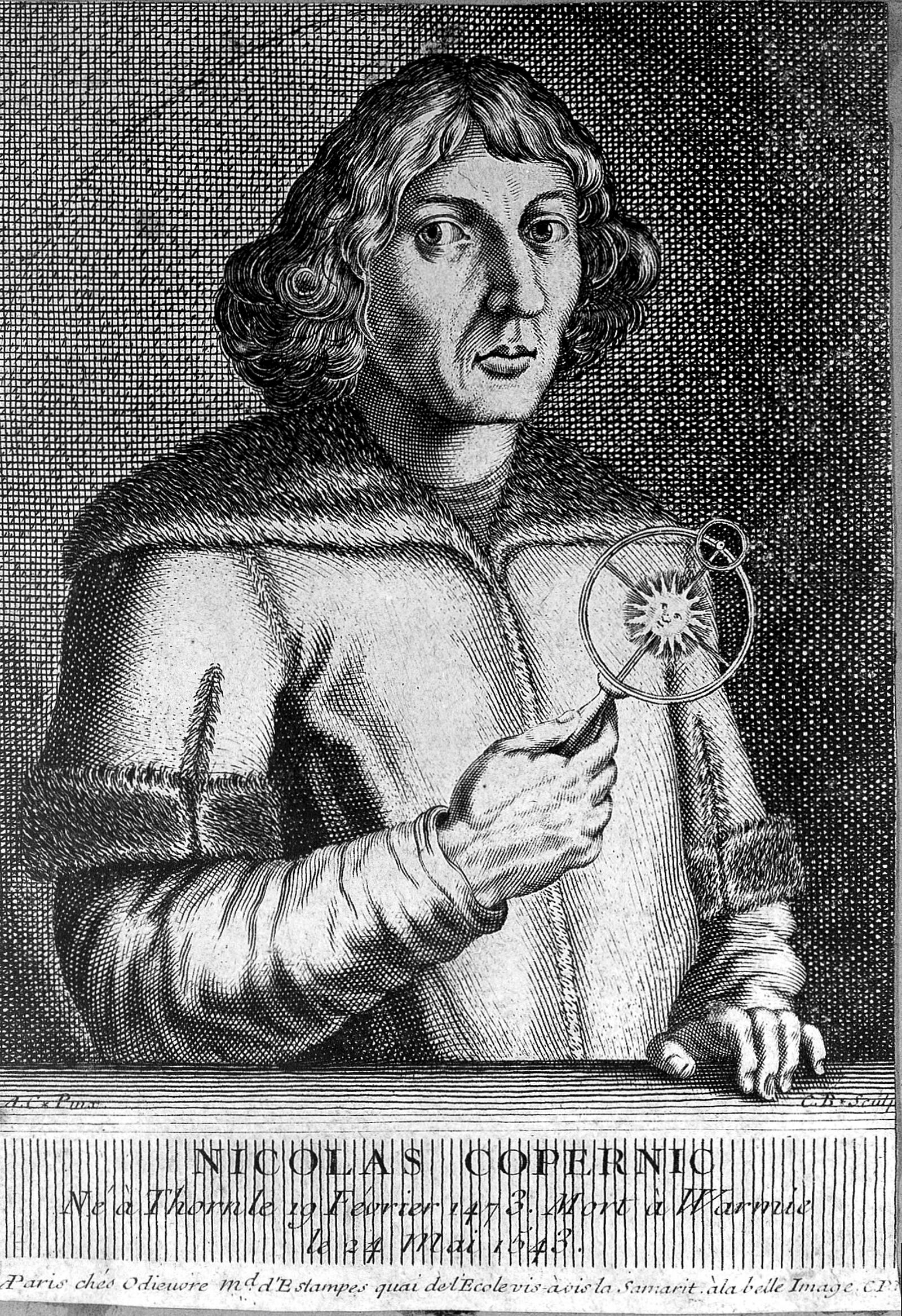
C. B.
 Painting
Secondary source
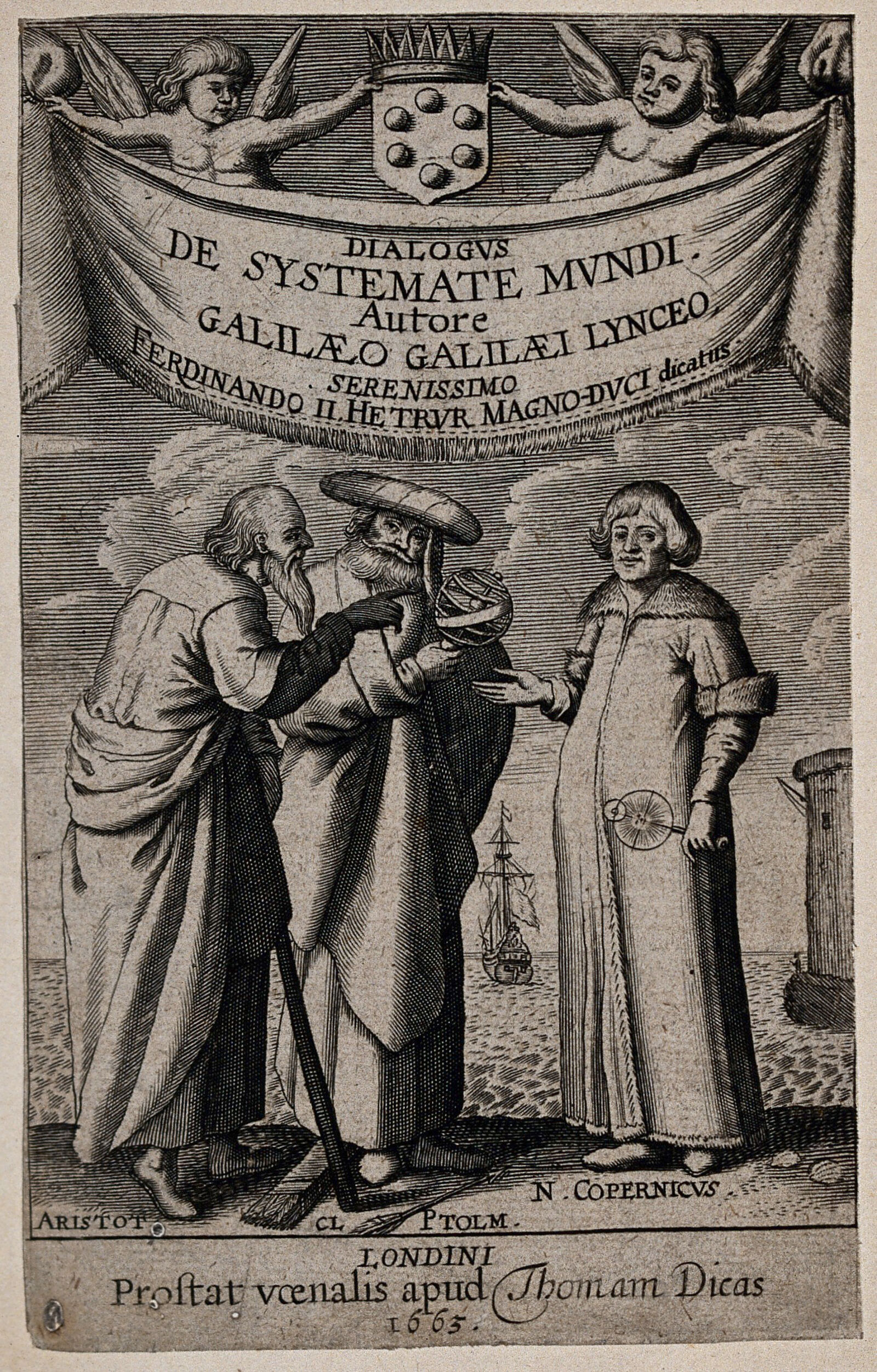
Stefano della Bella · 1663
Secondary source
J. L. E. Dreyer · 1906
Tertiary source
1914
 Book
Secondary source
Copernicus-Verein für Wissenschaft und Kunst, Thorn · 1874
 Book
Secondary source
Robert Stawell Ball · 1907
 Book
Secondary source
Joseph Bertrand · 1865
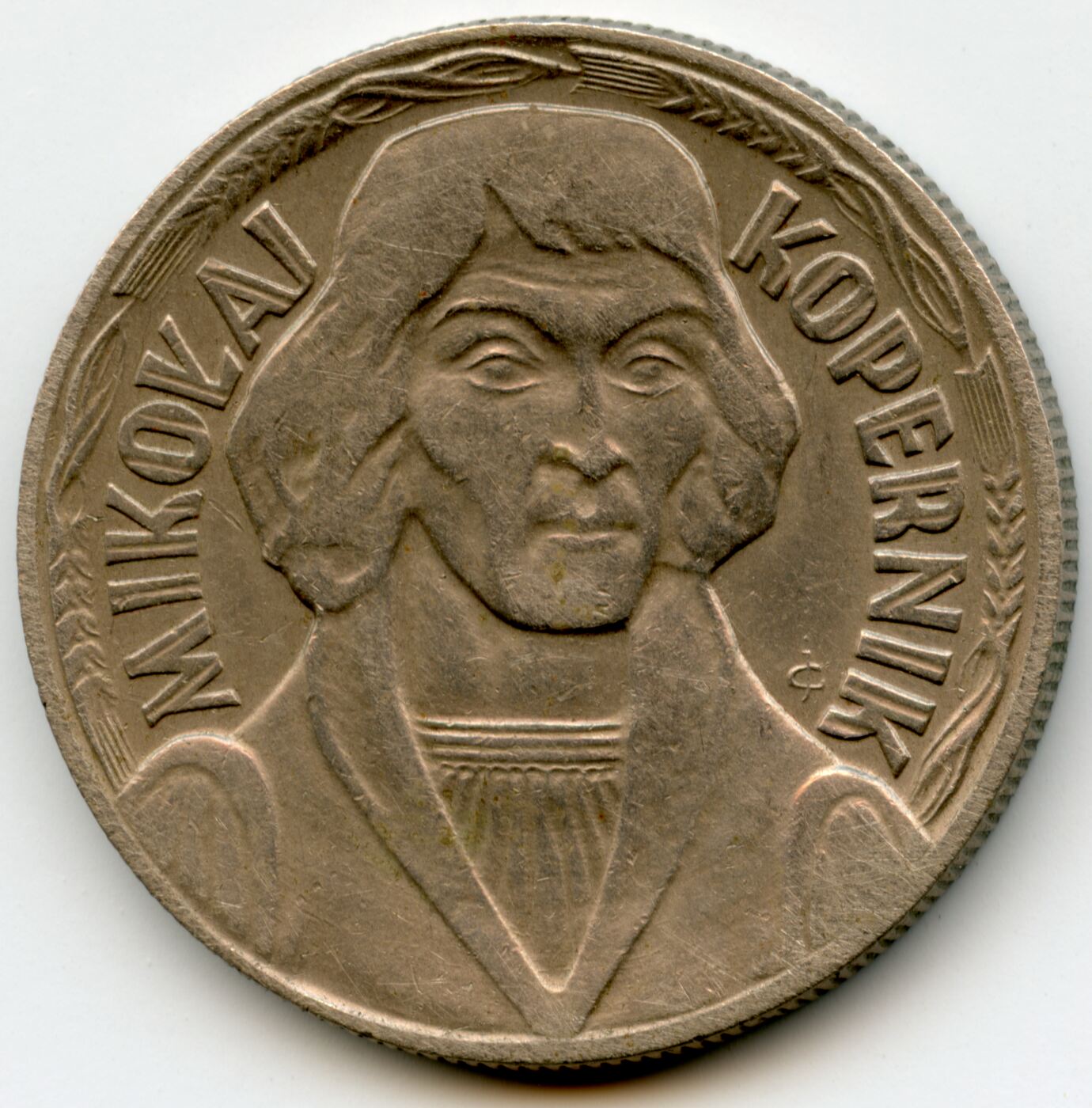 Artifact
Secondary source
Józef Gosławski · 1968
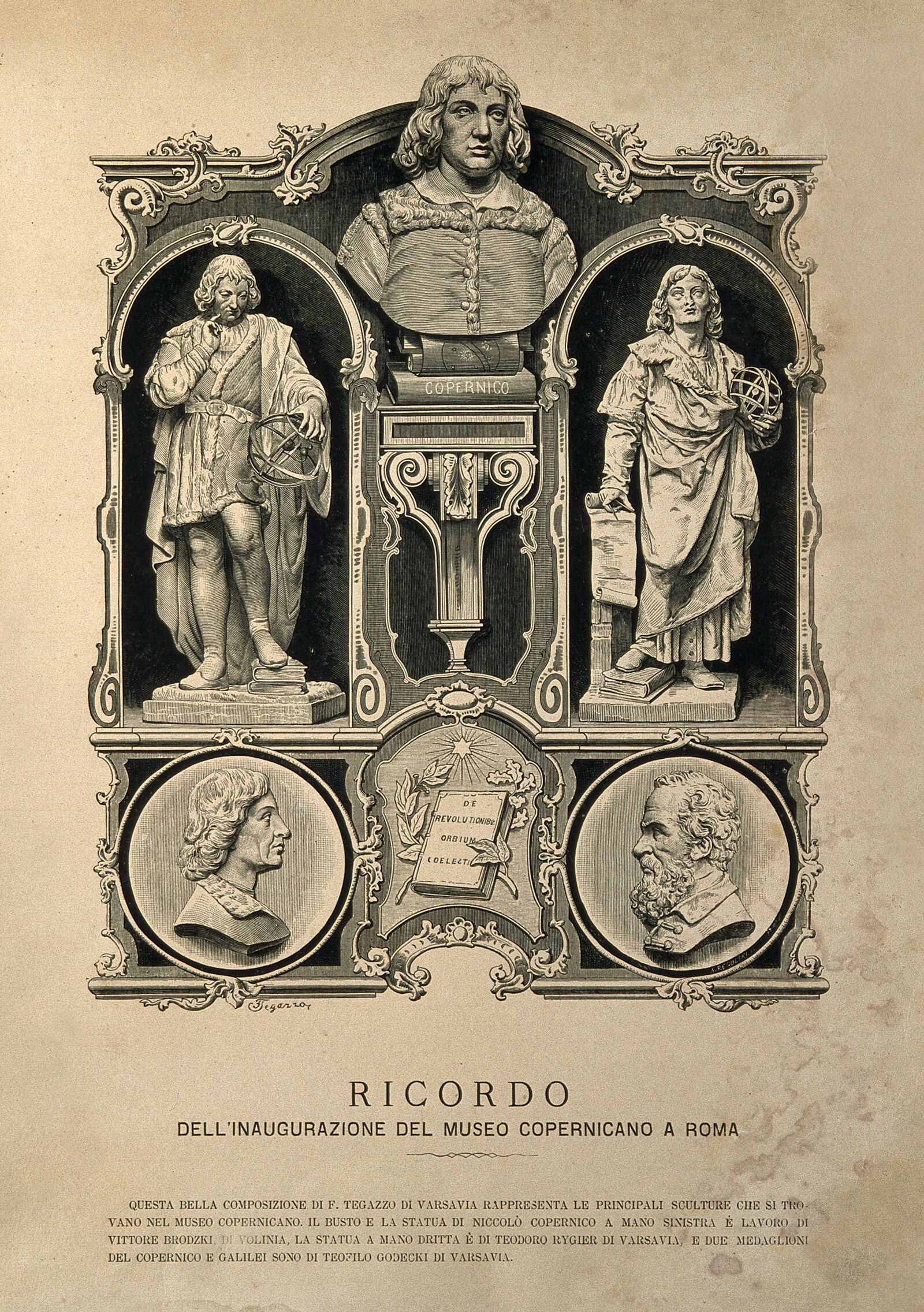 Painting
Secondary source
Franciszek Tegazzo · 1870-1879
Want the full shelf? Chat with Nicolaus Copernicus in the app and open the Sources panel — every quote links back to the original.
2 collections
Ready-made collections from the Humy team that feature Nicolaus Copernicus. Preview any of them, then try it free.
Paying customers



























Dr. Michael Calvert
Assistant Superintendent, South Allegheny School District, Pennsylvania
Been using Humy in his district since 2024
“We enjoyed the program last year and used it frequently.”

Jacob Chisom
World and American History, Monticello High School, Arkansas
Been using Humy in his classroom since 2024
“My students say it’s a welcome change of pace. I’m not a fan of the “sage on the stage” model, so I try to incorporate research-oriented and self-paced activities. With Humy, students have to take charge of their learning. They’ve become more adept at critical thinking, forming better questions, and improving their reading comprehension. The interview feature has been my go-to tool. I create assignments where students must ask historical figures a set number of questions, then summarize the responses to ensure they’re truly absorbing the material. This approach lets them actively explore the past rather than passively consuming information.”
Roger Campbell
7th-grade World History, Lancaster County, Pennsylvania
Been using Humy in his classroom since 2024
“Humy has helped me bring historical figures, sometimes long past, to life. When my students interact with these figures in real-time, it eliminates some of the perceived “ancient” characteristics of my curriculum. This has shifted my students’ thinking away from viewing history as abstract or irrelevant. Real-time interactions make historical figures relatable, even allowing students to ask off-topic questions that help put historical lives in a more relevant context for 13-year-olds. The feature I use the most is the interview feature. After teaching a topic, most recently Gandhi and Joan of Arc, I have the students ask pointed, focused questions. We practice good conversation techniques beforehand, teaching them to listen (or read) carefully and formulate thoughtful follow-up questions rather than just interrogating. It helps students practice effective conversation skills.”
Dr. Michael Calvert
Assistant Superintendent, South Allegheny School District, Pennsylvania
Been using Humy in his district since 2024
“We enjoyed the program last year and used it frequently.”
Jacob Chisom
World and American History, Monticello High School, Arkansas
Been using Humy in his classroom since 2024
“My students say it’s a welcome change of pace. I’m not a fan of the “sage on the stage” model, so I try to incorporate research-oriented and self-paced activities. With Humy, students have to take charge of their learning. They’ve become more adept at critical thinking, forming better questions, and improving their reading comprehension. The interview feature has been my go-to tool. I create assignments where students must ask historical figures a set number of questions, then summarize the responses to ensure they’re truly absorbing the material. This approach lets them actively explore the past rather than passively consuming information.”
Roger Campbell
7th-grade World History, Lancaster County, Pennsylvania
Been using Humy in his classroom since 2024
“Humy has helped me bring historical figures, sometimes long past, to life. When my students interact with these figures in real-time, it eliminates some of the perceived “ancient” characteristics of my curriculum. This has shifted my students’ thinking away from viewing history as abstract or irrelevant. Real-time interactions make historical figures relatable, even allowing students to ask off-topic questions that help put historical lives in a more relevant context for 13-year-olds. The feature I use the most is the interview feature. After teaching a topic, most recently Gandhi and Joan of Arc, I have the students ask pointed, focused questions. We practice good conversation techniques beforehand, teaching them to listen (or read) carefully and formulate thoughtful follow-up questions rather than just interrogating. It helps students practice effective conversation skills.”
FAQ
Like any LLM, the AI version of Nicolaus Copernicus can get details wrong. Open one of these sources in a new tab to verify what you’ve read.

Italian astronomer and physicist.

Renaissance mathematician, astrologer, and advisor to Queen Elizabeth I.

Danish astronomer who made significant contributions to the understanding of the speed of light.

Renaissance physician, alchemist, and astrologer.

Renowned French philosopher and mathematician.

Renowned chemist and physicist, regarded as one of the founders of modern chemistry.
Ready when you are
20 messages free · No credit card · Available in 50+ languages.