


Secondary sourceArtifact1388
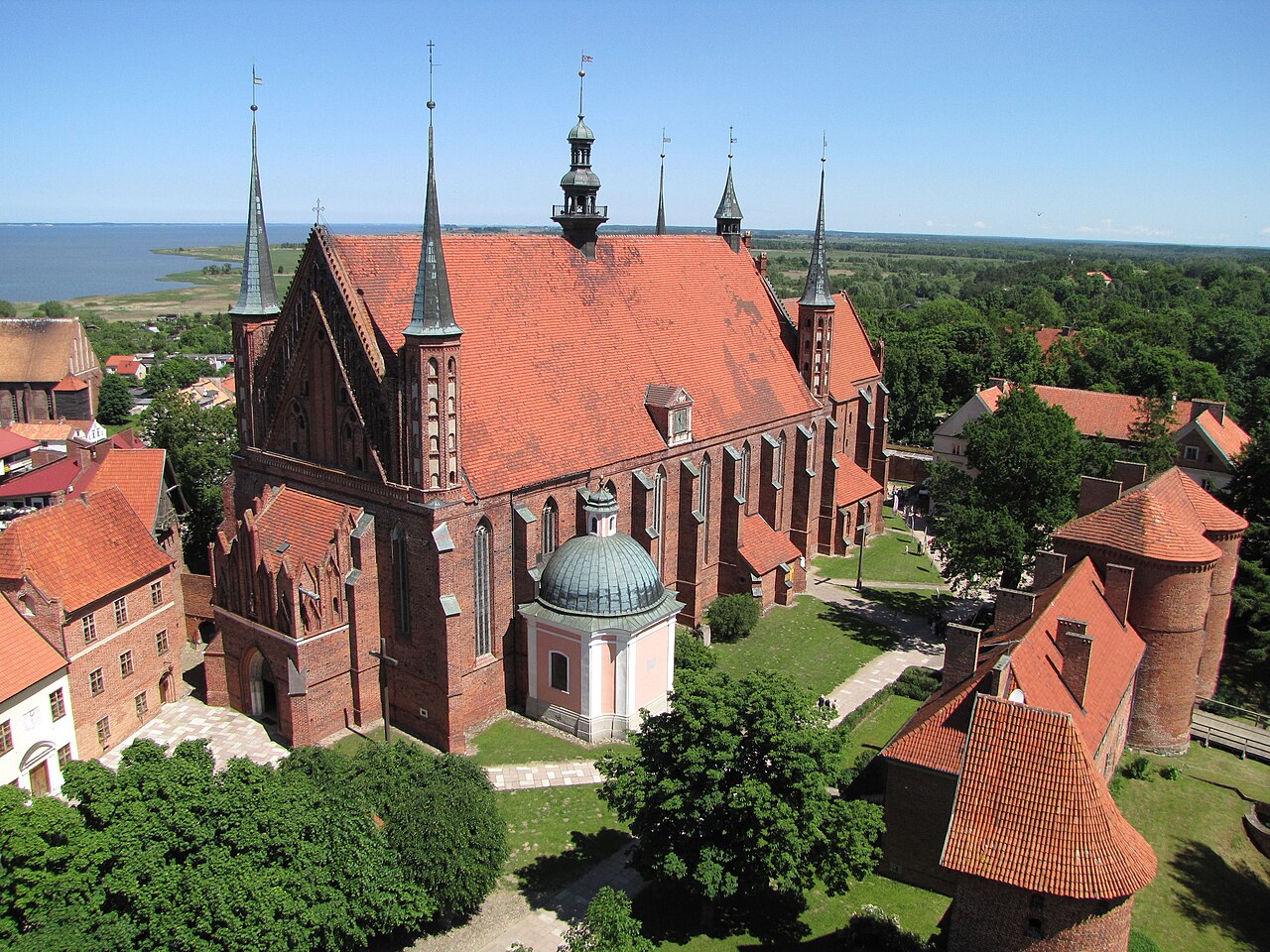
Frombork Cathedral
1388
The Warmian cathedral where Copernicus served as canon for over forty years, made his observations, wrote his great work, and was buried.
The cathedral where Copernicus worked as canon for decades, wrote his major work, died, and was buried.
About this source
What it is
This is the Archcathedral Basilica of the Assumption of the Blessed Virgin Mary and Saint Andrew in Frombork, Poland, built of brick and stone between 1329 and 1388 on the site of an earlier timber church.
Why it matters
Nicolaus Copernicus worked here as a canon from 1512 to 1516 and again from 1522 until his death in 1543. It was in Frombork that he wrote his major astronomical work, and he died and was buried in the cathedral. Archaeologists later identified a grave here as his, confirmed by DNA testing. The cathedral also suffered looting during the Polish–Swedish wars, when many of Copernicus's manuscripts were taken to Sweden, and it was damaged again in World War II before being rebuilt.
Look closer
- Why would a canon of a cathedral also have time to do astronomical research?
- What does the loss of Copernicus's manuscripts to war and looting tell you about how historical evidence can disappear?
- How did scientists confirm, centuries later, that a grave found here was really his?
This artifact is part of the curated material that grounds the AI version of Nicolaus Copernicus on Humy.ai — when students ask about related events, the AI can quote it and cite it.
More Nicolaus Copernicus sources
Meet the AI Nicolaus Copernicus →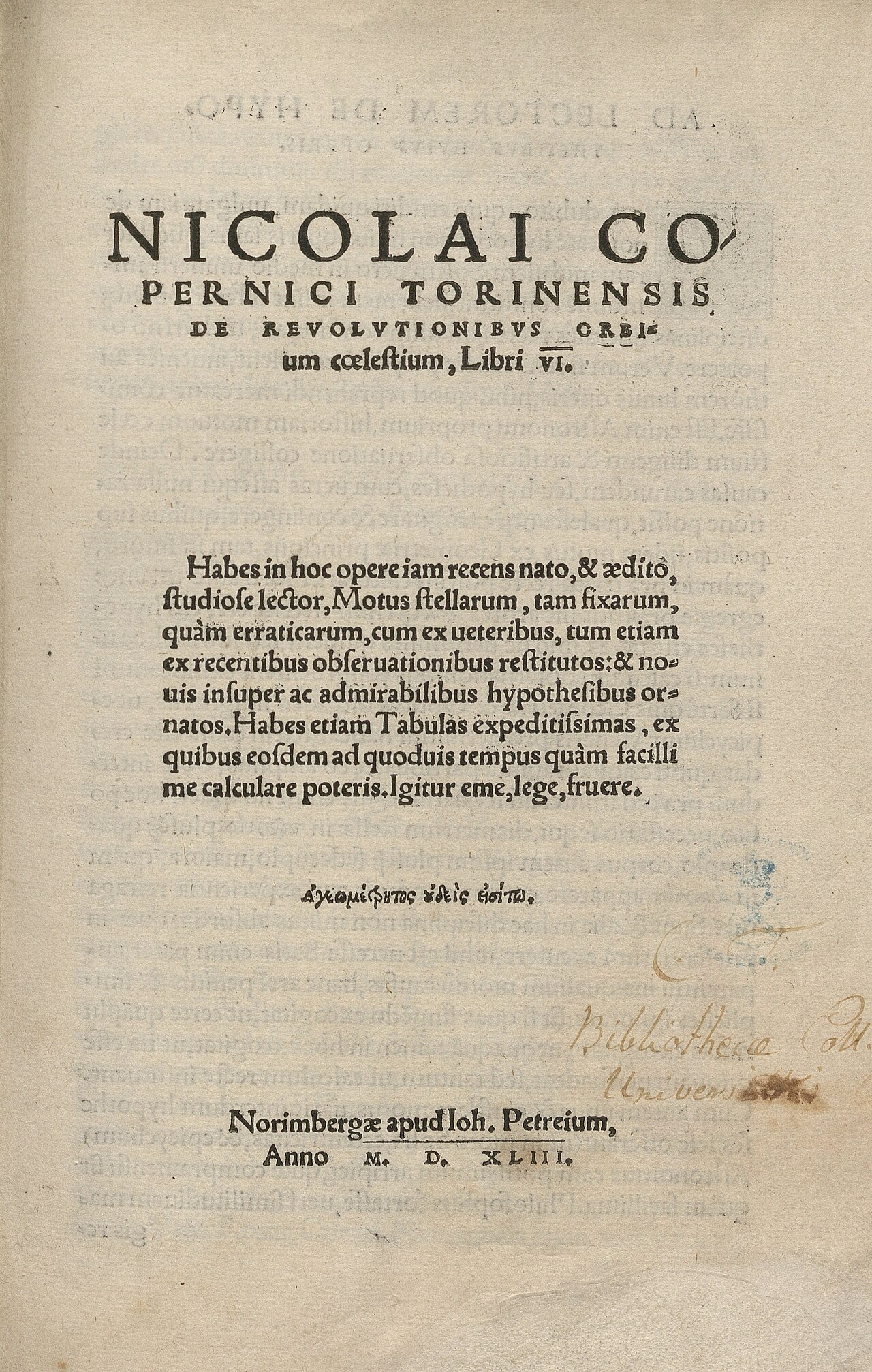 Book
Primary source
De revolutionibus orbium coelestium
Nicolaus Copernicus · 1543
 Painting
Secondary source
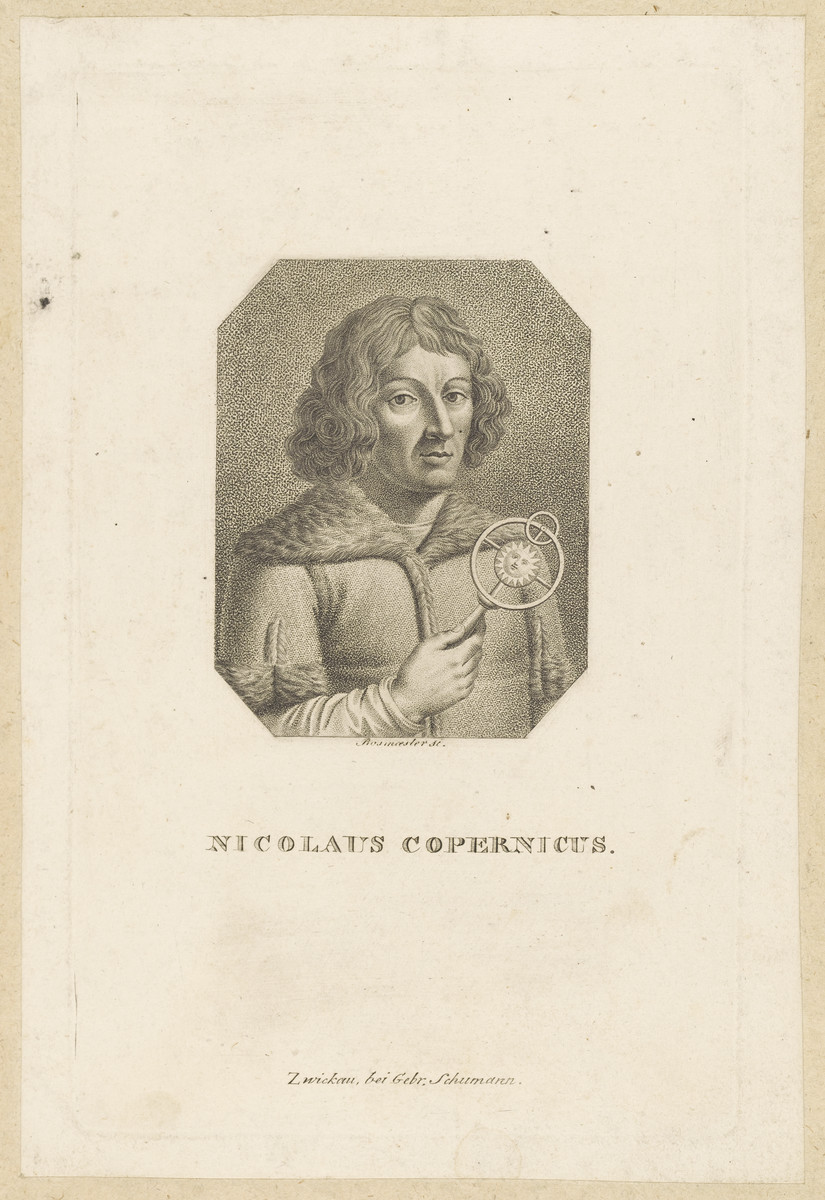
Portrait of Nicolaus Copernicus (Schumann print)
Gebrüder Schumann
 Artifact
Primary source
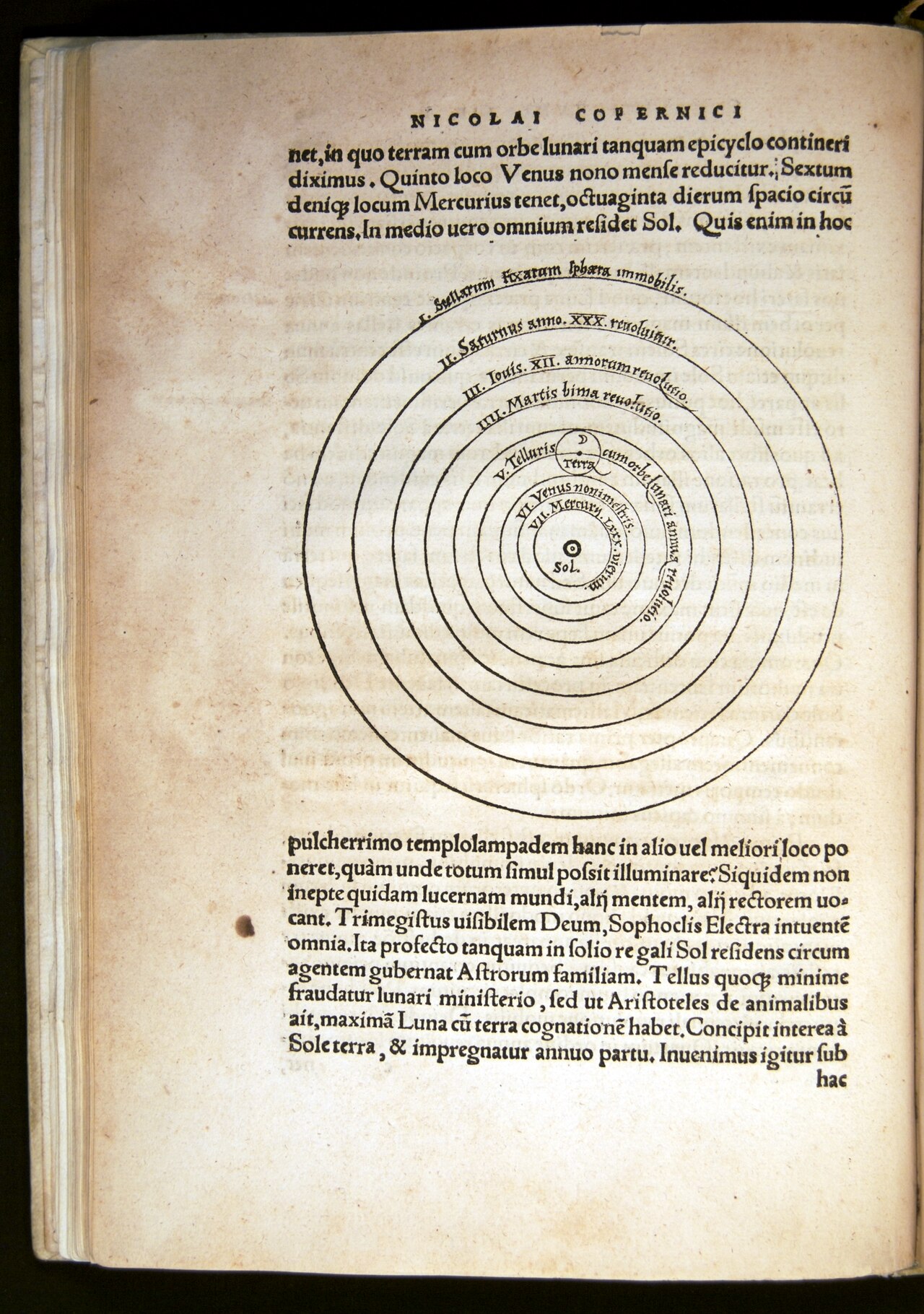
Copernicus's Diagram of the Planetary System
Nicolaus Copernicus · 1543
 Painting
Secondary source
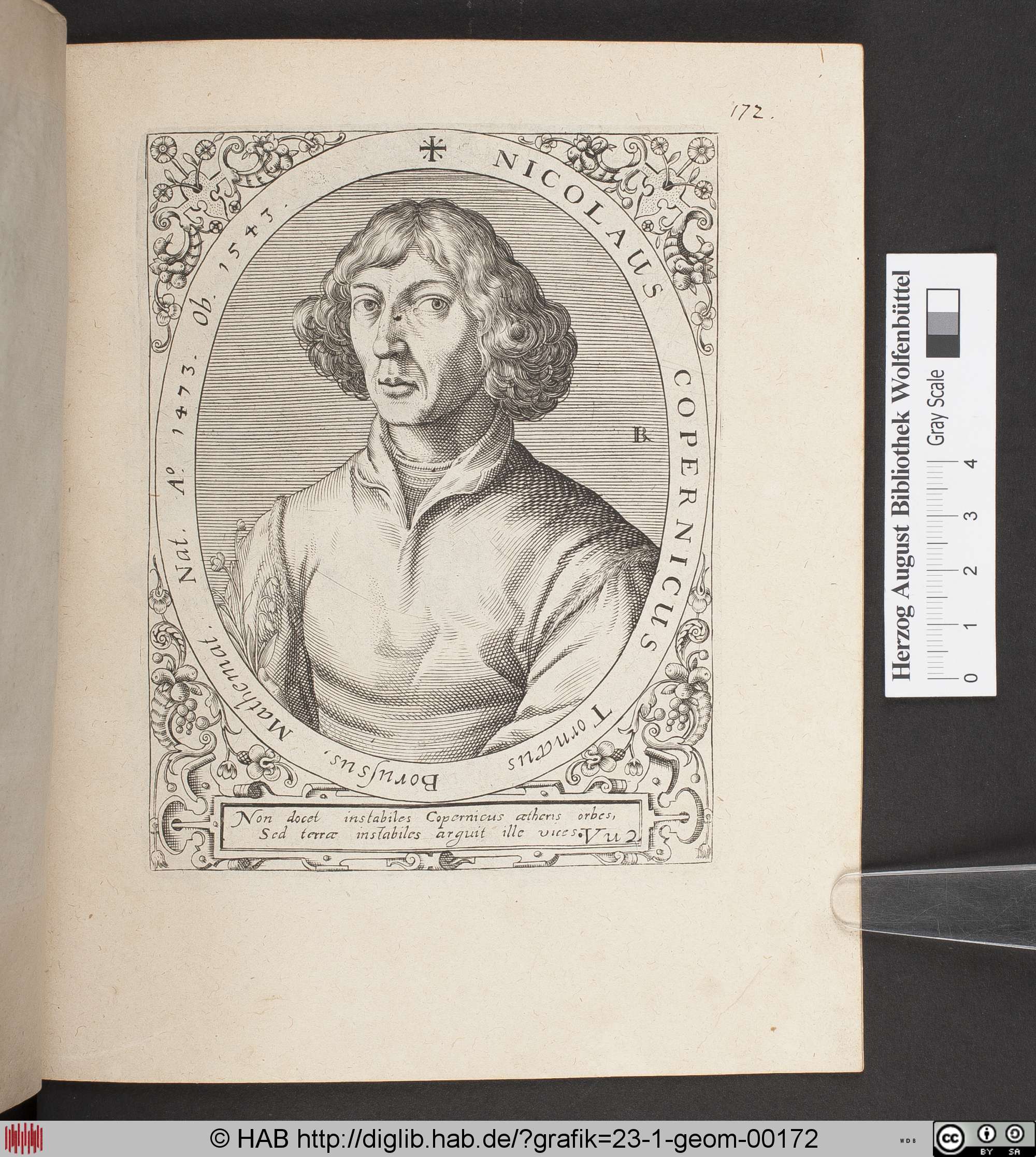
Engraved Portrait of Nicolaus Copernicus (Herzog August Library)
Unbekannt
 Painting
Secondary source
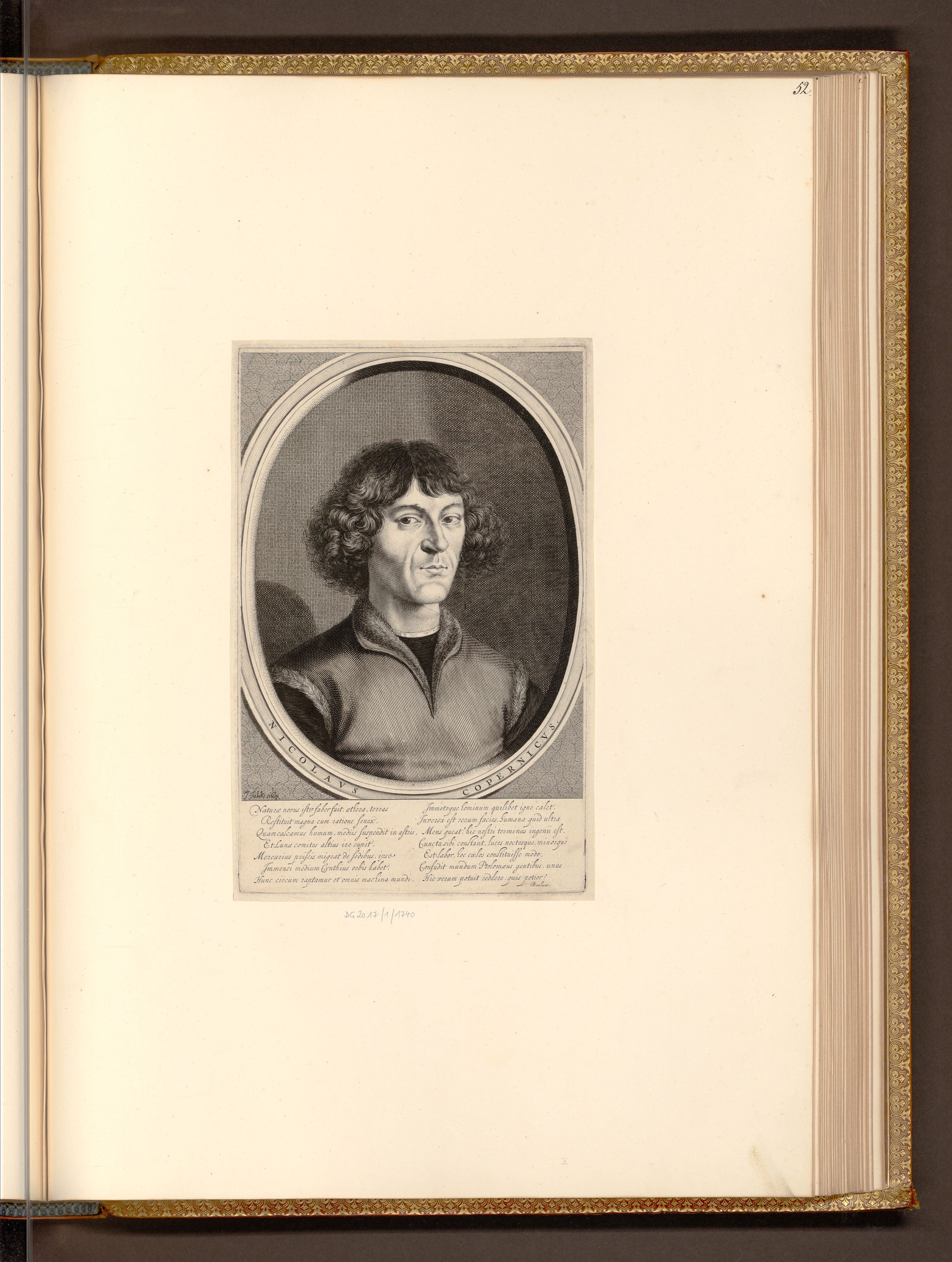
Portrait of Nicolaus Copernicus (Albertina Museum)
Ready when you are
Start chatting with Nicolaus Copernicus now.
20 messages free · No credit card · Available in 50+ languages.