


Primary sourceBook1632
Dialogue Concerning the Two Chief World Systems
Galileo Galilei · 1632
Galileo's 1632 Italian-language book comparing the Copernican and Ptolemaic systems, which led to his trial.
Galileo's own defence of Copernicanism, the book whose publication triggered his trial by the Inquisition.
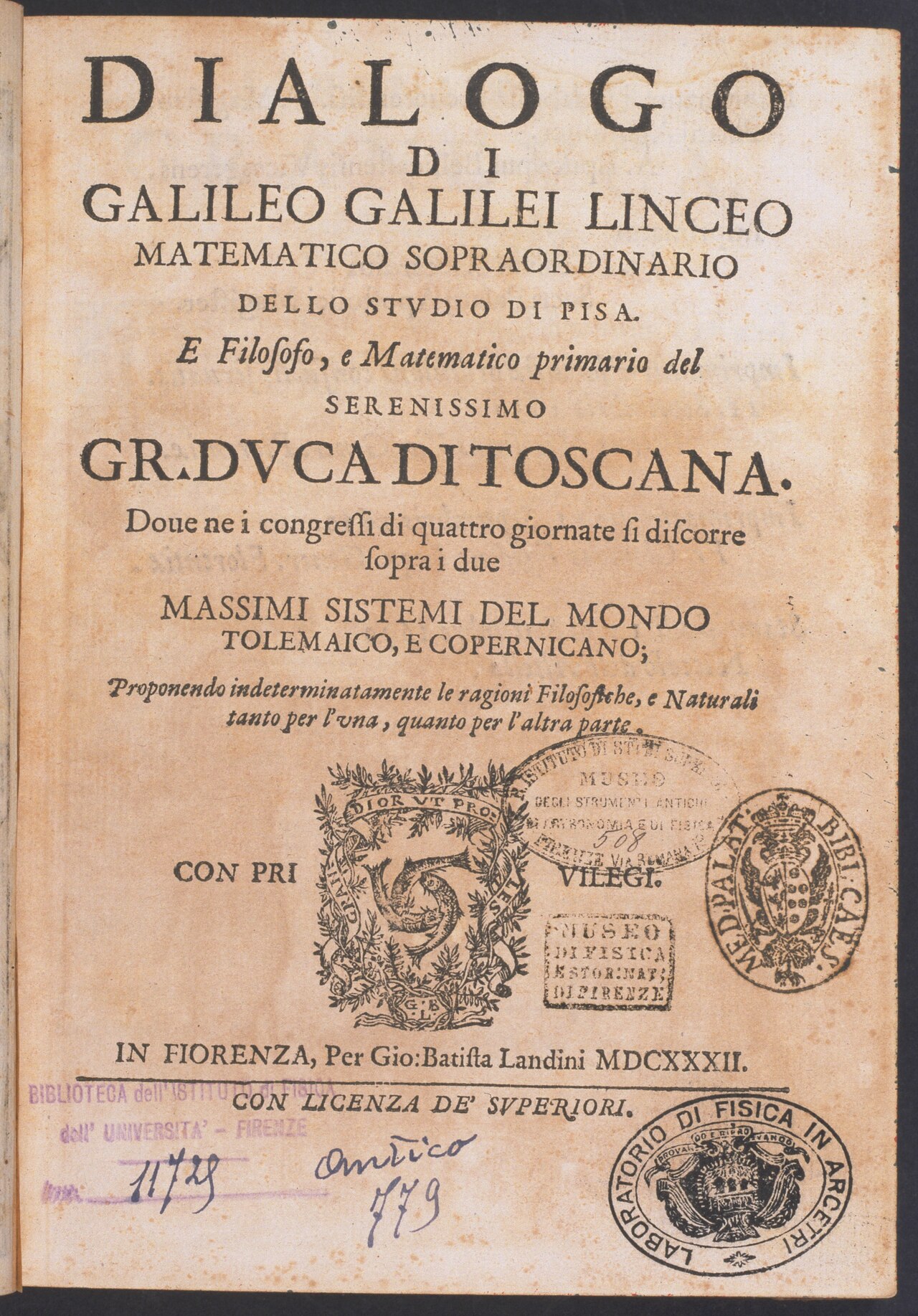
About this source
What it is
This book, written in Italian by Galileo Galilei and published in Florence in 1632, is structured as four days of dialogue between three characters debating whether the Earth or the Sun is the centre of the universe.
Why it matters
Although formally presenting both sides, the book clearly favours the Copernican, Sun-centred view. Its publication, under licence from the Inquisition, led in 1633 to Galileo being found 'vehemently suspect of heresy', and the book was banned for two centuries. It shows how dangerous new scientific ideas could be when they clashed with religious authority.
Look closer
- Why might Galileo have chosen to write in Italian rather than Latin, and as a dialogue rather than a straightforward argument?
- What might the character names Salviati, Sagredo and Simplicio tell you about Galileo's intentions?
- Why do you think the book still needed official Church approval before it could be printed?
This book is part of the curated material that grounds the AI version of Galileo Galilei and Nicolaus Copernicus on Humy.ai — when students ask about related events, the AI can quote it and cite it.
More Galileo Galilei sources
Meet the AI Galileo Galilei →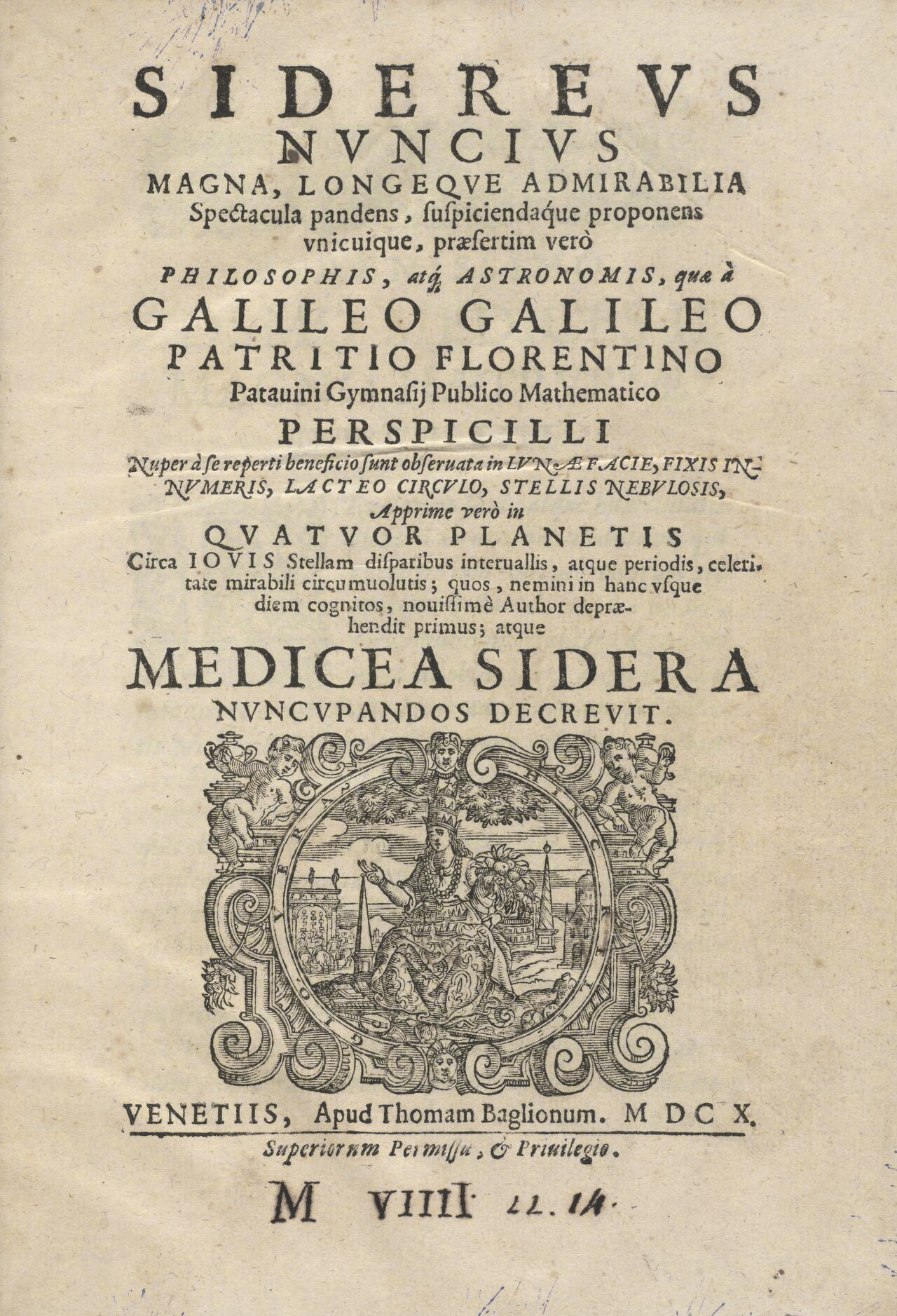 Book
Primary source
Sidereus Nuncius
Galileo Galilei · 1610
 Painting
Primary source
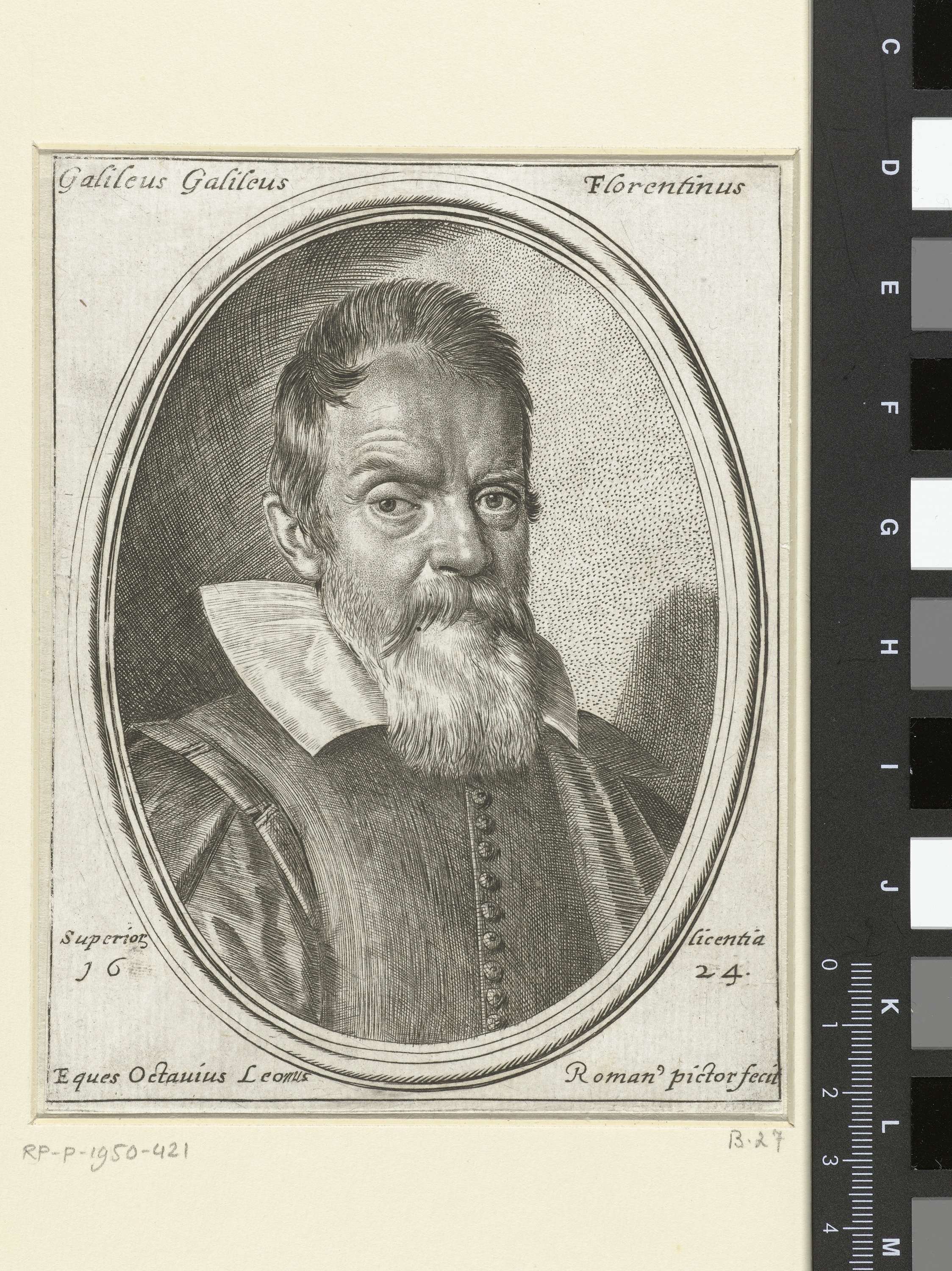
Portrait of Galileo Galilei (1624 print)
1624
 Painting
Primary source
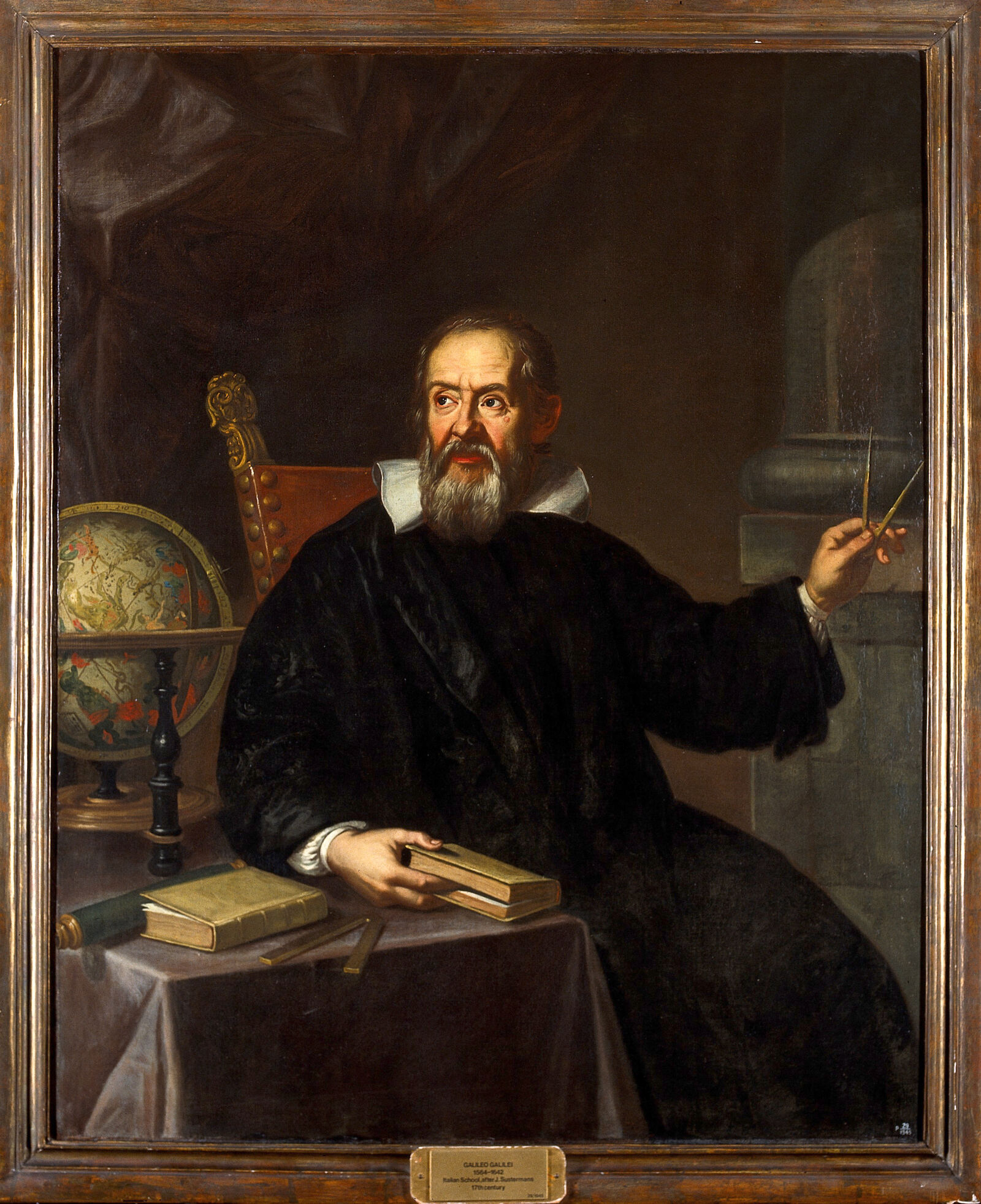
Oil Portrait of Galileo in His Study
Unknown Italian painter · 18th century (?)
 Painting
Primary source
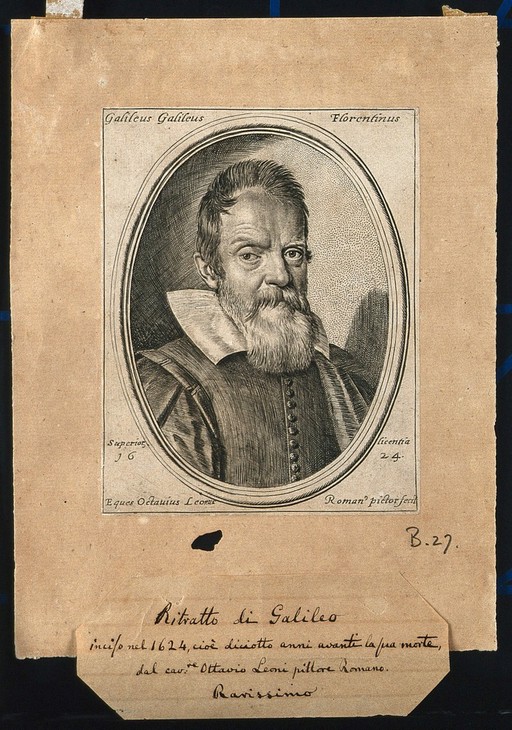
Galileo Galilei, line engraving by Ottavio Leoni
Ottavio Leoni · 1624
 Letter
Primary source
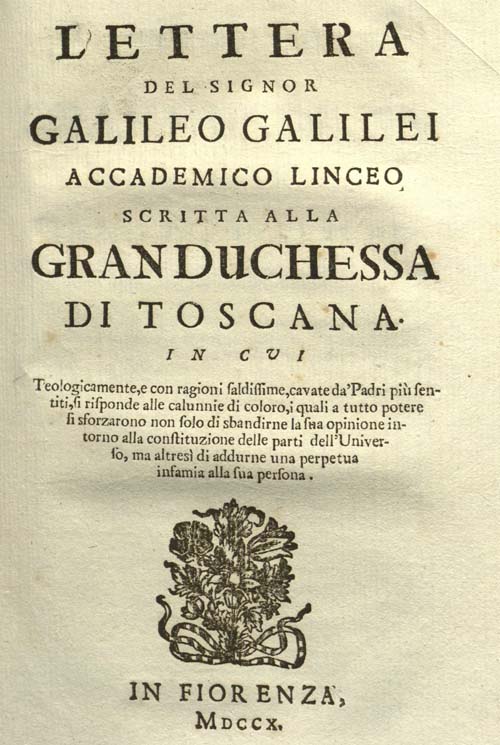
Letter to the Grand Duchess Christina
Galileo Galilei · 1615
Ready when you are
Start chatting with Galileo Galilei now.
20 messages free · No credit card · Available in 50+ languages.