


Primary sourceBook1610
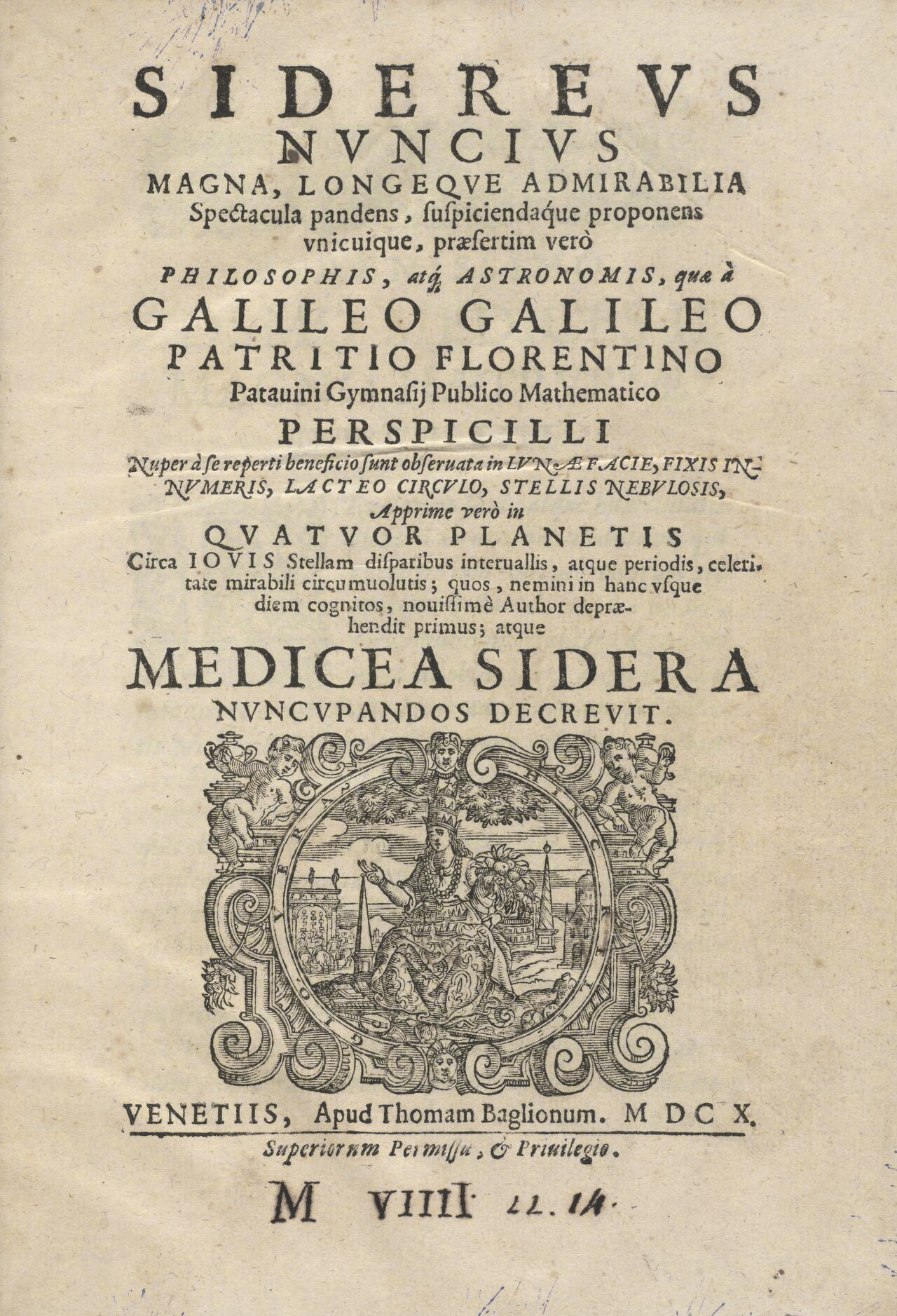
Sidereus Nuncius
Galileo Galilei · 1610
Galileo's 1610 pamphlet reporting his first telescope observations of the Moon, countless stars and Jupiter's moons.
Galileo's own report of his first telescope discoveries, the work that made him famous.
About this source
What it is
Sidereus Nuncius (the 'Starry Messenger') is a short treatise published by Galileo Galilei in Latin in March 1610, printed in Venice. It was the first published scientific work based on telescope observations.
Why it matters
The book reported mountains on the Moon, thousands of previously invisible stars, and four moving 'stars' near Jupiter that Galileo realised were its moons. These findings undermined the old Aristotelian idea of a perfect unchanging heaven centred on Earth, and made Galileo instantly famous across Europe.
Look closer
- Why would drawings and diagrams matter so much in a book reporting new discoveries?
- What does the decorative title page tell you about how books were made and sold in 1610?
- How might Galileo's rivals have reacted to such bold claims before anyone else could repeat his observations?
This book is part of the curated material that grounds the AI version of Galileo Galilei, Nicolaus Copernicus and Johannes Kepler on Humy.ai — when students ask about related events, the AI can quote it and cite it.
More Galileo Galilei sources
Meet the AI Galileo Galilei →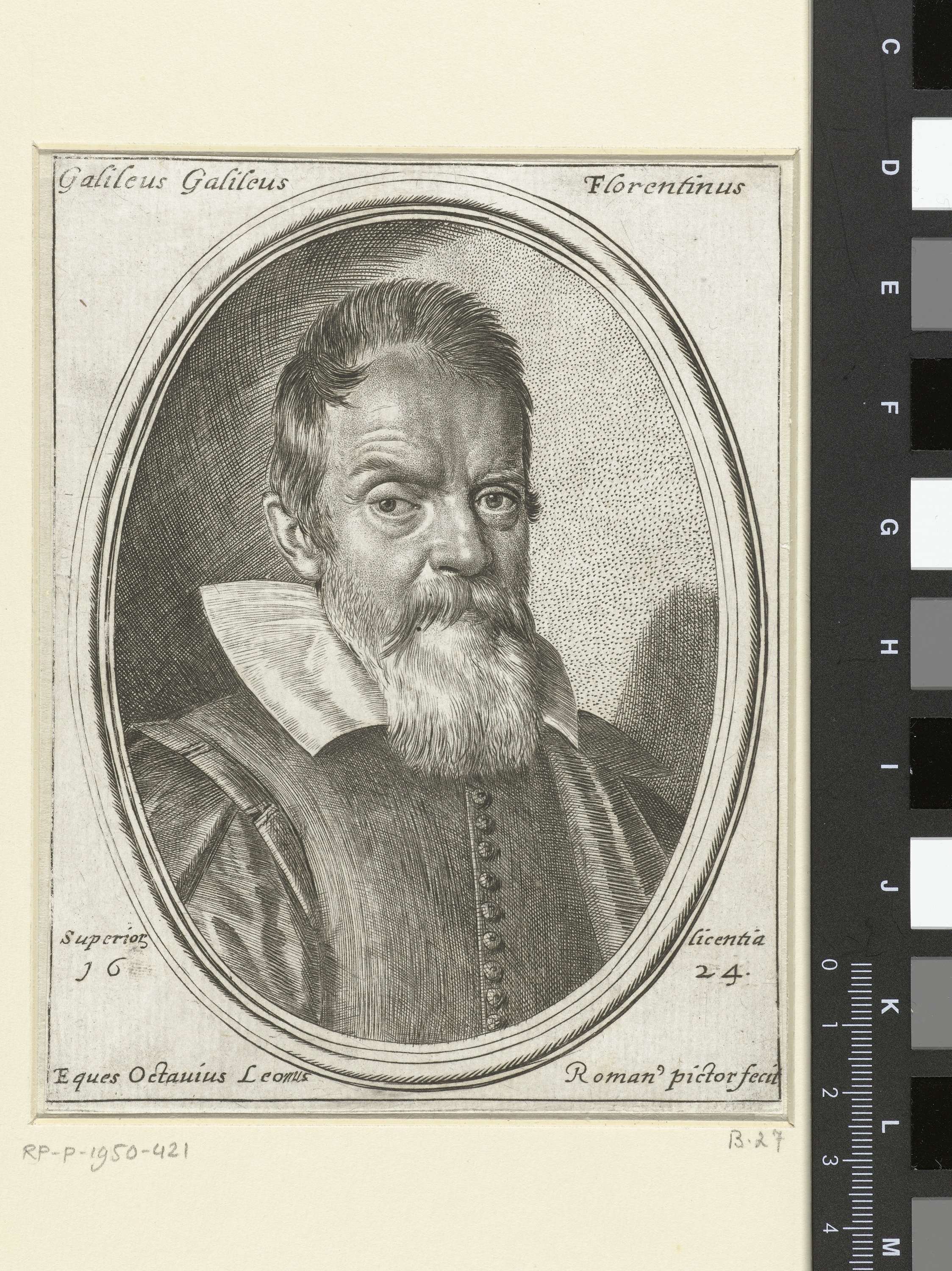 Painting
Primary source
Portrait of Galileo Galilei (1624 print)
1624
 Painting
Primary source
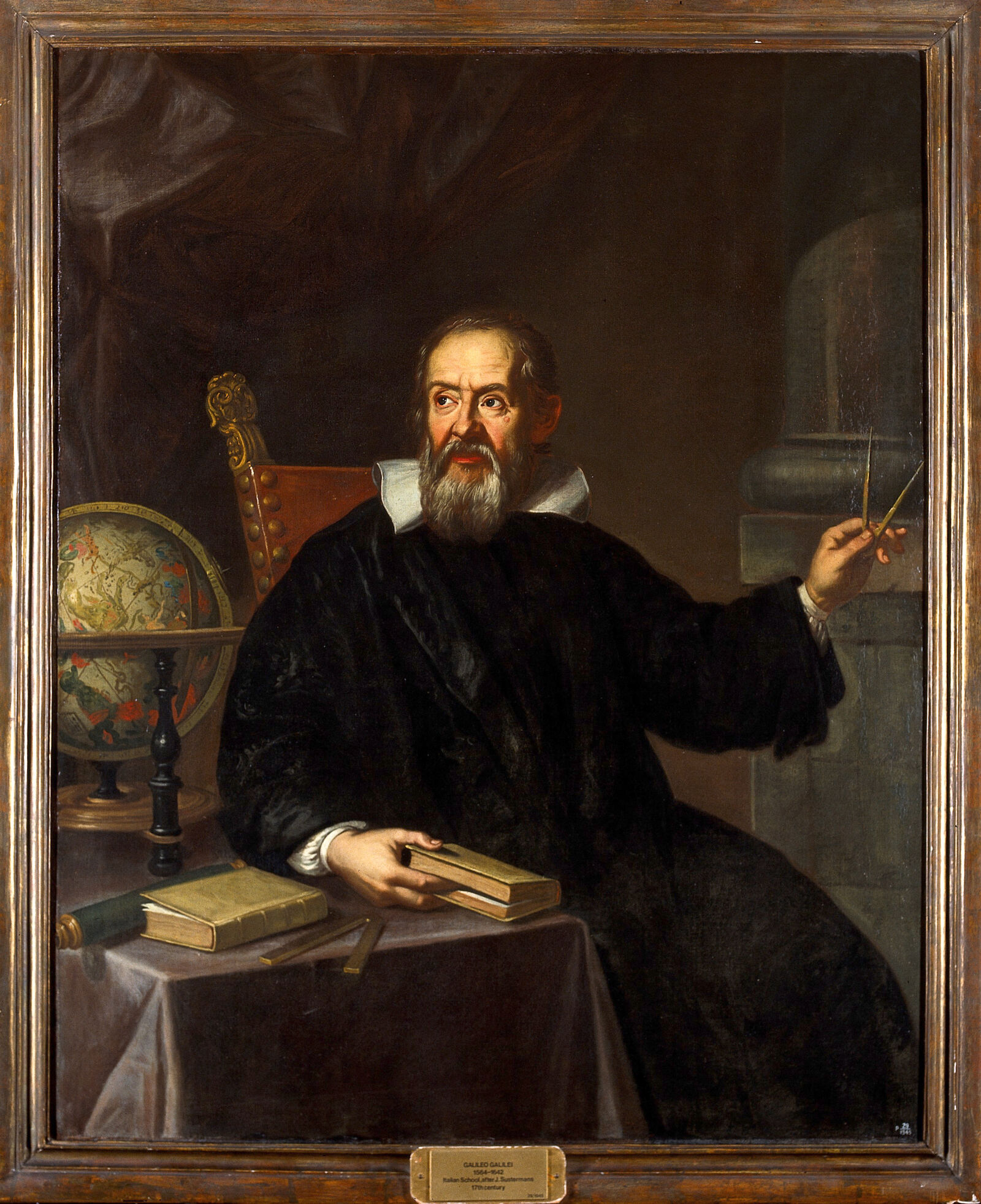
Oil Portrait of Galileo in His Study
Unknown Italian painter · 18th century (?)
 Painting
Primary source
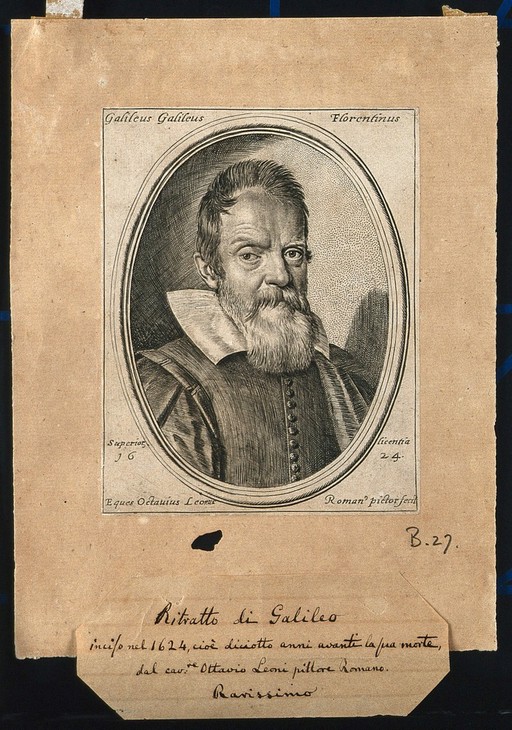
Galileo Galilei, line engraving by Ottavio Leoni
Ottavio Leoni · 1624
 Book
Primary source
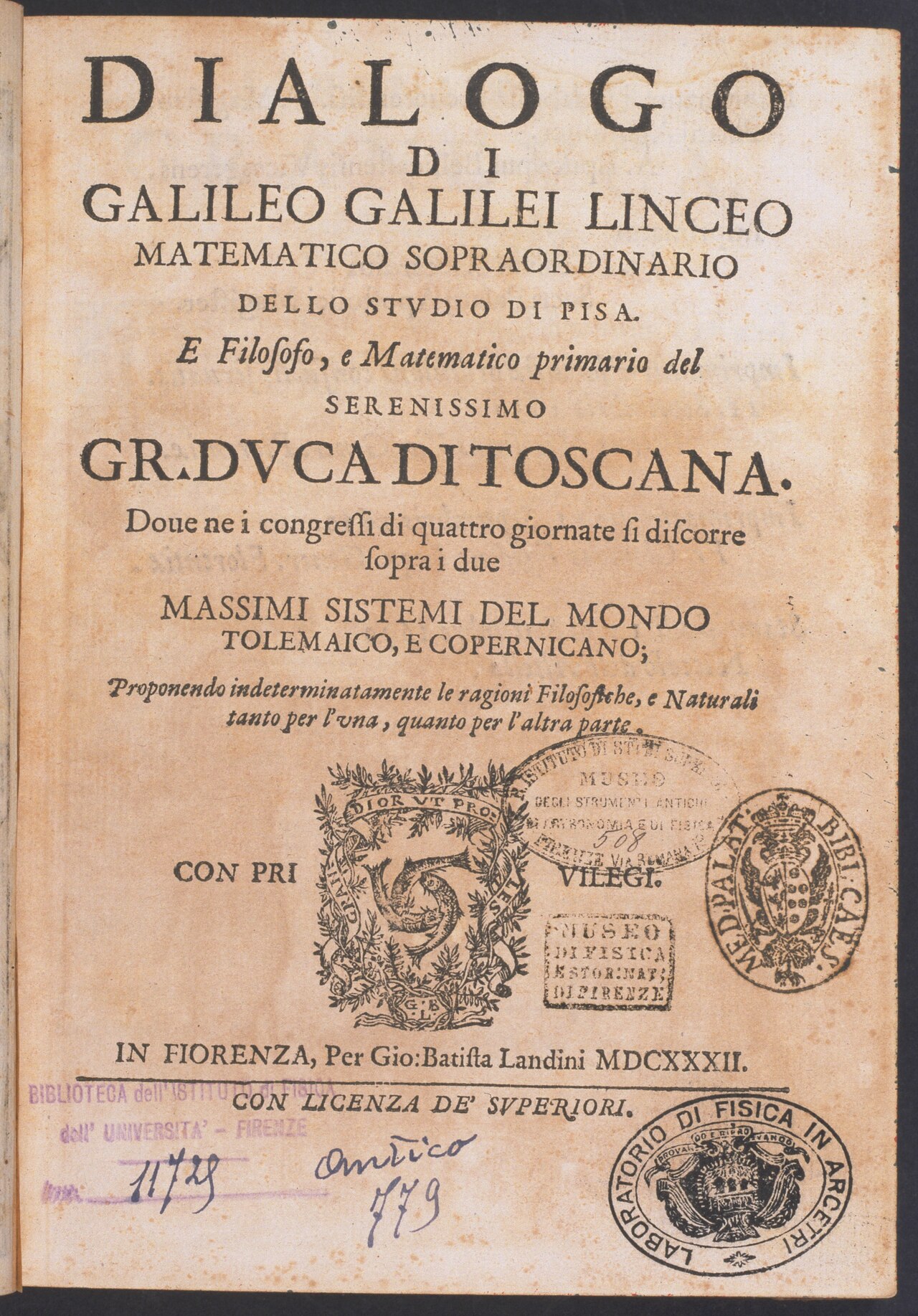
Dialogue Concerning the Two Chief World Systems
Galileo Galilei · 1632
 Letter
Primary source
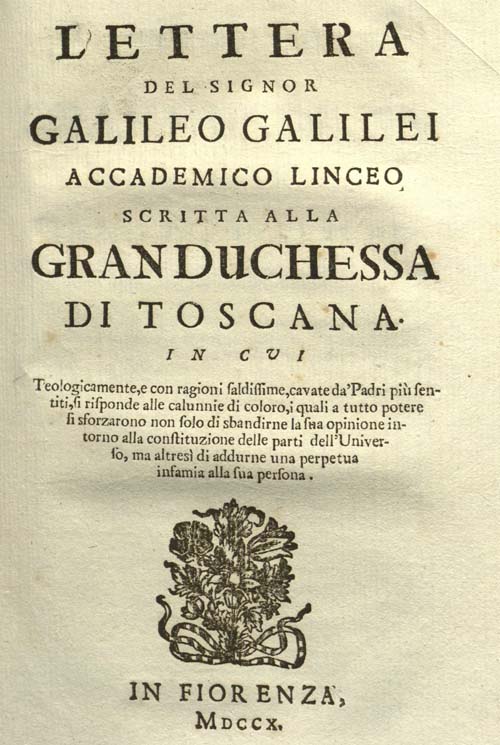
Letter to the Grand Duchess Christina
Galileo Galilei · 1615
Ready when you are
Start chatting with Galileo Galilei now.
20 messages free · No credit card · Available in 50+ languages.