


Primary sourceLetter1615
Letter to the Grand Duchess Christina
Galileo Galilei · 1615
Galileo's 1615 essay arguing that scripture and the new astronomy need not contradict each other.
Galileo's own argument for reconciling his astronomy with scripture, written as the controversy over his ideas grew.
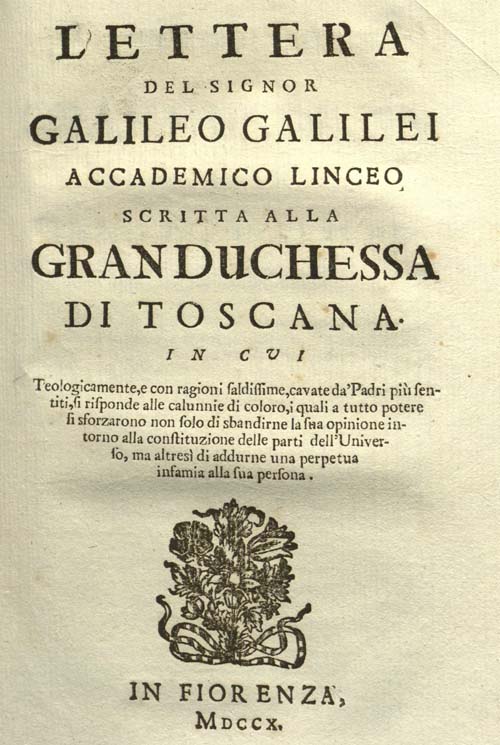
About this source
What it is
This is a letter-essay written by Galileo Galilei in 1615, addressed to Christina of Lorraine, Grand Duchess of Tuscany. It expands an earlier letter to his student Benedetto Castelli about a dispute over whether the Earth's motion contradicted the Bible.
Why it matters
Galileo argued that the Bible teaches people how to reach heaven, not how the heavens physically work, and that scripture uses everyday language rather than literal scientific description. The letter became a key document in the long debate between science and religion, written as controversy over Copernican astronomy grew more dangerous for Galileo.
Look closer
- Why would Galileo address a powerful noblewoman rather than publish his argument immediately?
- What does his use of quotations from Church figures like St Augustine suggest about how he tried to defend himself?
- Why wasn't the letter printed until after Galileo's later condemnation by the Inquisition?
This letter is part of the curated material that grounds the AI version of Galileo Galilei and Nicolaus Copernicus on Humy.ai — when students ask about related events, the AI can quote it and cite it.
More Galileo Galilei sources
Meet the AI Galileo Galilei →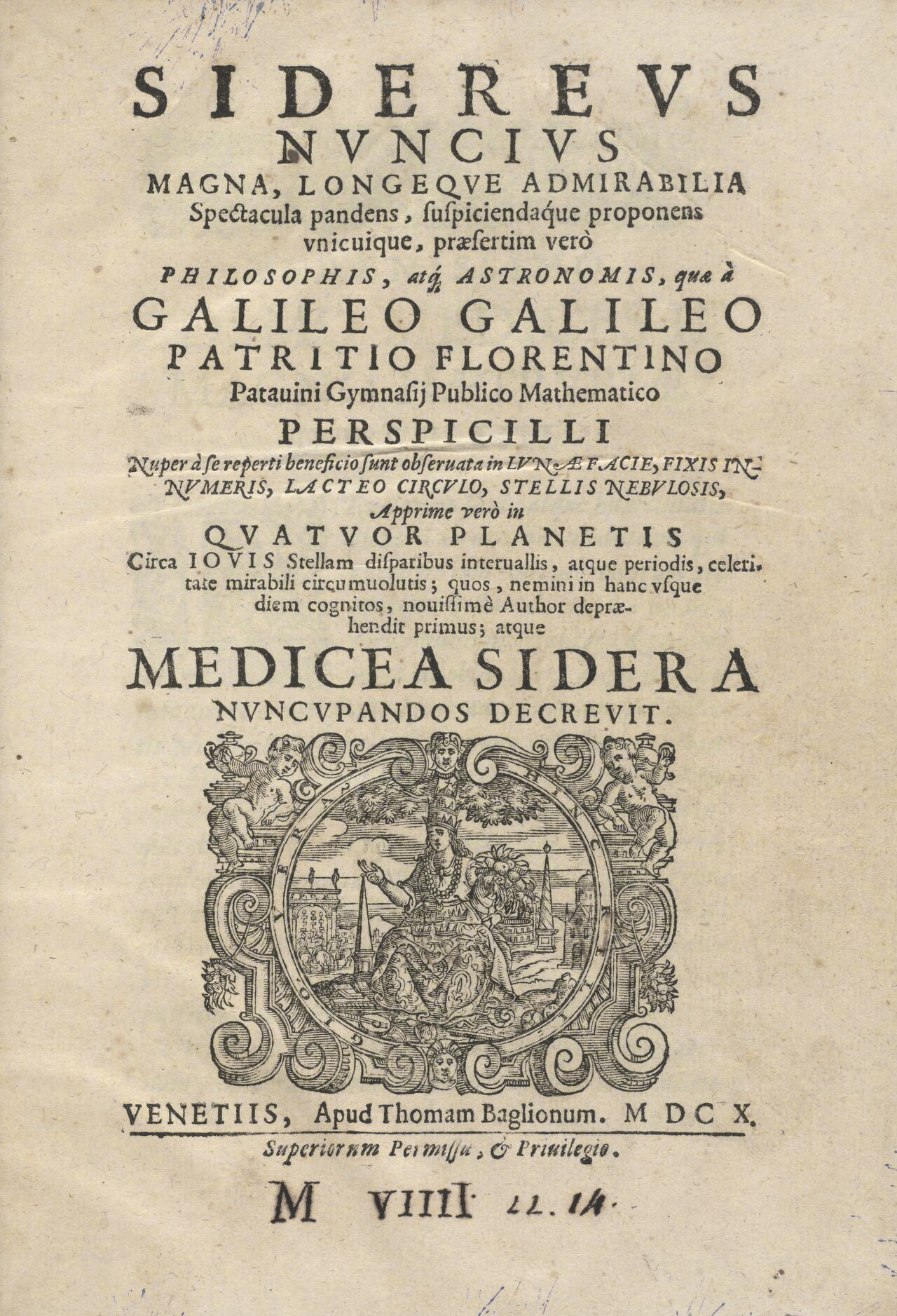 Book
Primary source
Sidereus Nuncius
Galileo Galilei · 1610
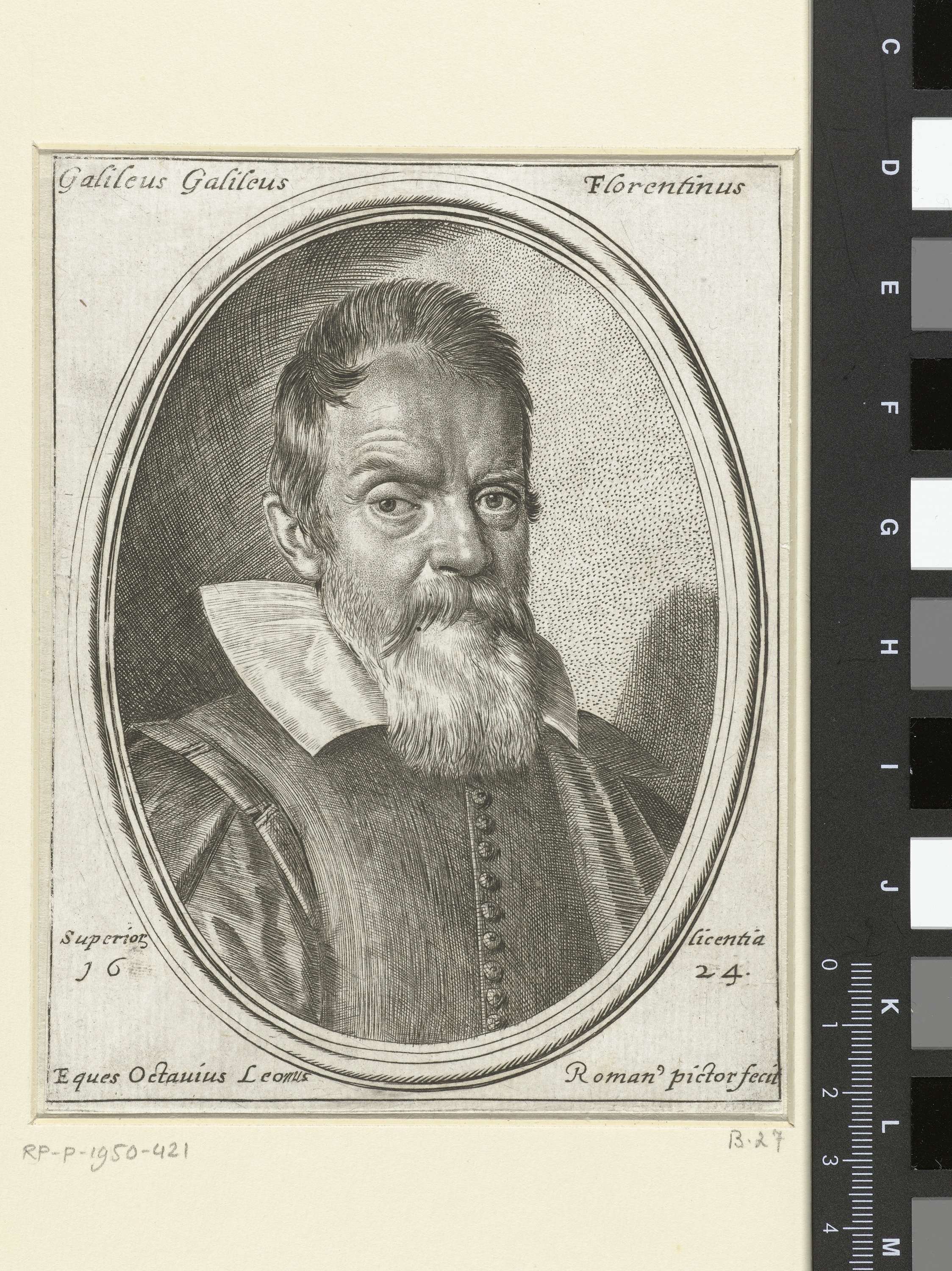 Painting
Primary source
Portrait of Galileo Galilei (1624 print)
1624
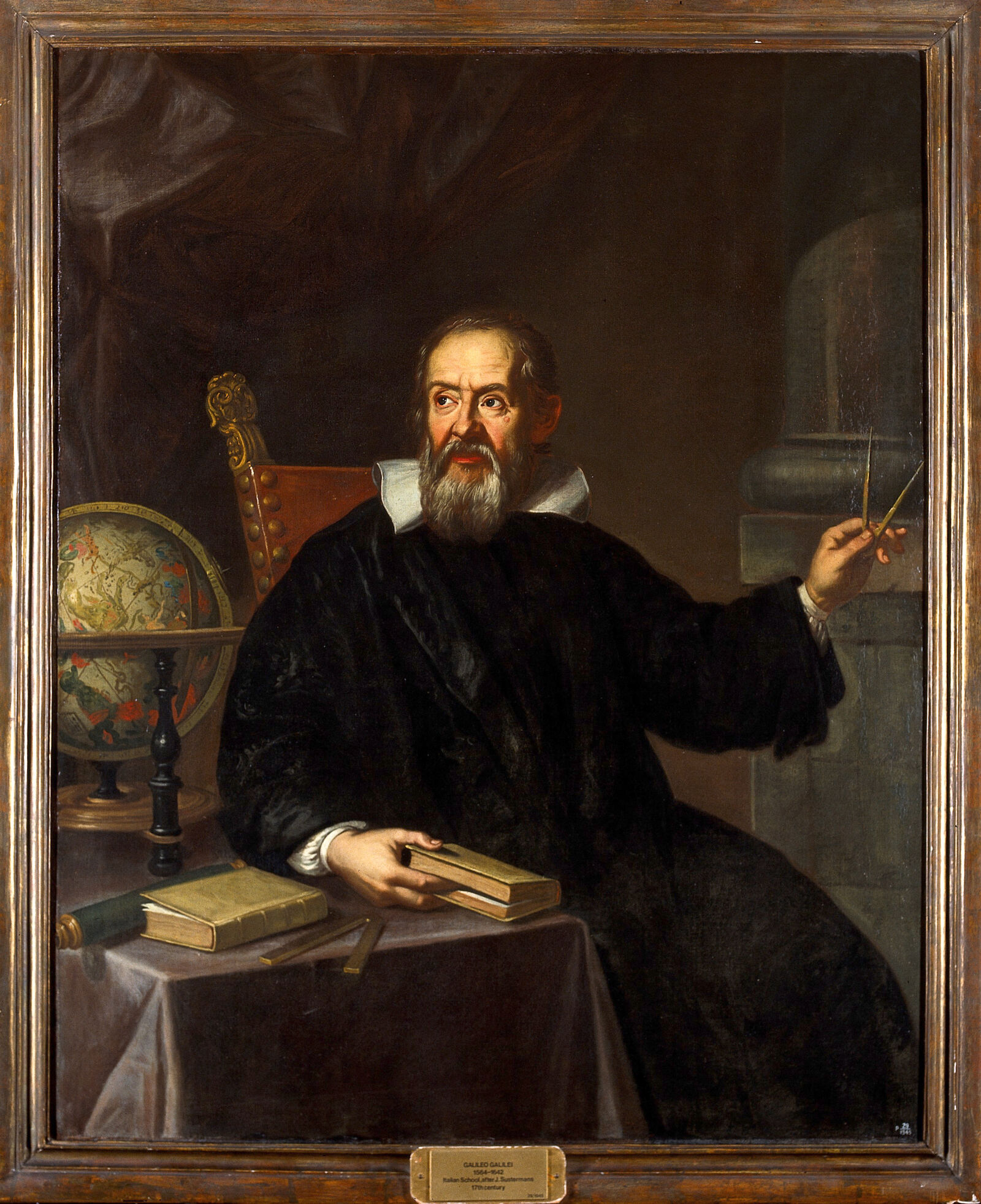 Painting
Primary source
Oil Portrait of Galileo in His Study
Unknown Italian painter · 18th century (?)
 Painting
Primary source
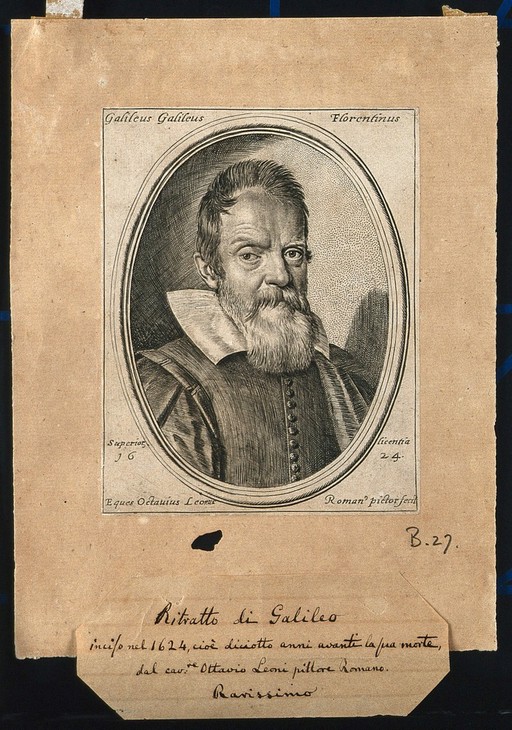
Galileo Galilei, line engraving by Ottavio Leoni
Ottavio Leoni · 1624
 Book
Primary source
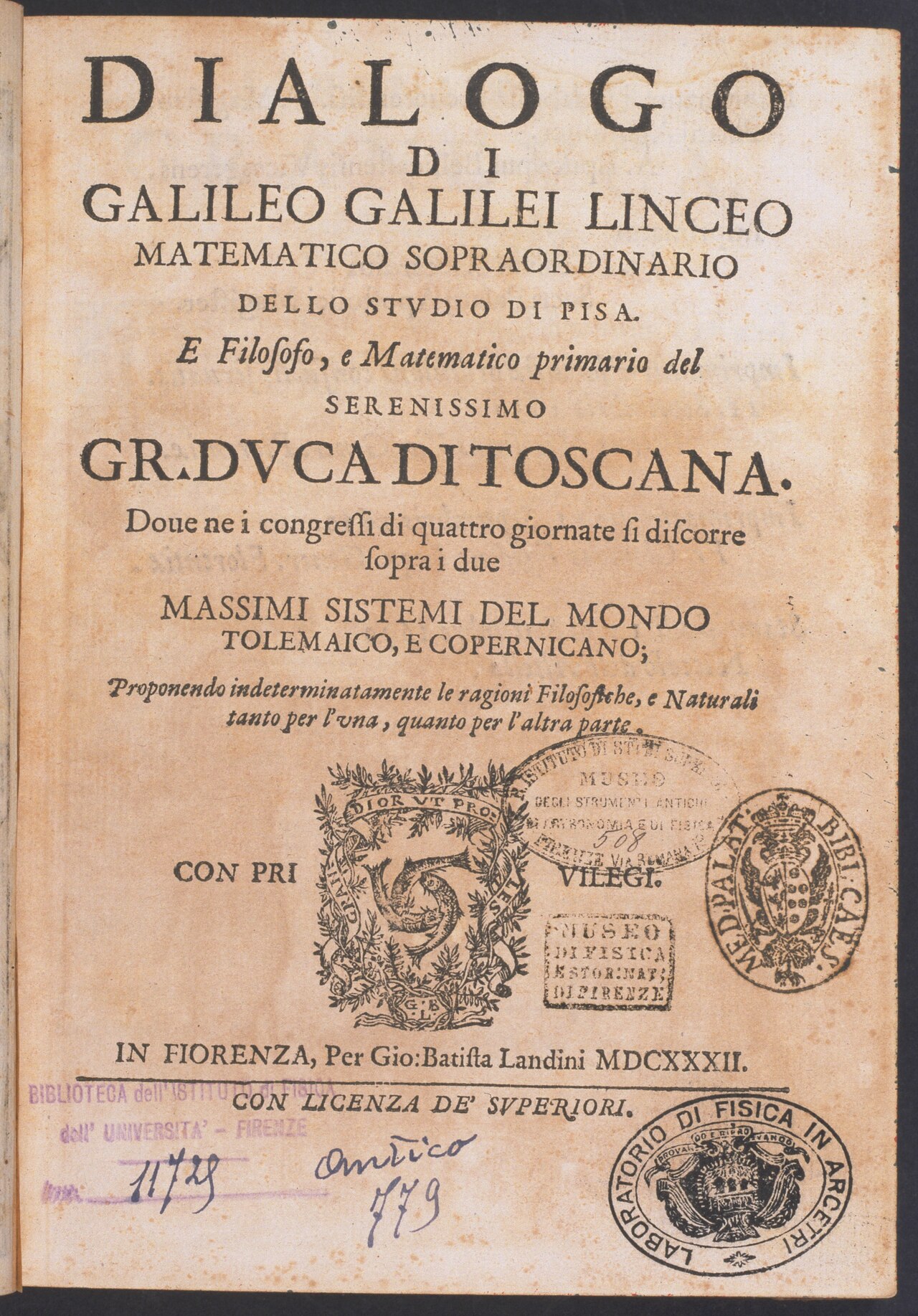
Dialogue Concerning the Two Chief World Systems
Galileo Galilei · 1632
Ready when you are
Start chatting with Galileo Galilei now.
20 messages free · No credit card · Available in 50+ languages.