


Secondary sourceBook1917
The Gradual Acceptance of the Copernican Theory of the Universe
Dorothy Stimson · 1917
A 1917 scholarly history tracing how Copernicus's heliocentric theory gradually came to be accepted by astronomers and scholars.
A later scholarly study analyzing how Copernicus's heliocentric theory was accepted over time.
 PDF · 158 pages
About this source
What it is
This is a scanned book written by Dorothy Stimson in 1917. It is a historical study, not written by Copernicus himself, that examines how his theory of the Sun-centered universe spread and was accepted over time.
Why it matters
Copernicus proposed that the Earth and planets orbit the Sun, a radical idea in his time. This book shows that new scientific ideas are not accepted overnight — it took many decades and many thinkers to confirm and spread Copernicus's theory. It helps us understand the slow process of scientific change.
Look closer
- Why might it take a long time for a new scientific idea to be accepted by society?
- What kinds of evidence might the author have used to trace this acceptance?
- How is a historian's account different from a primary document written by Copernicus himself?
This book is part of the curated material that grounds the AI version of Nicolaus Copernicus on Humy.ai — when students ask about related events, the AI can quote it and cite it.
More Nicolaus Copernicus sources
Meet the AI Nicolaus Copernicus →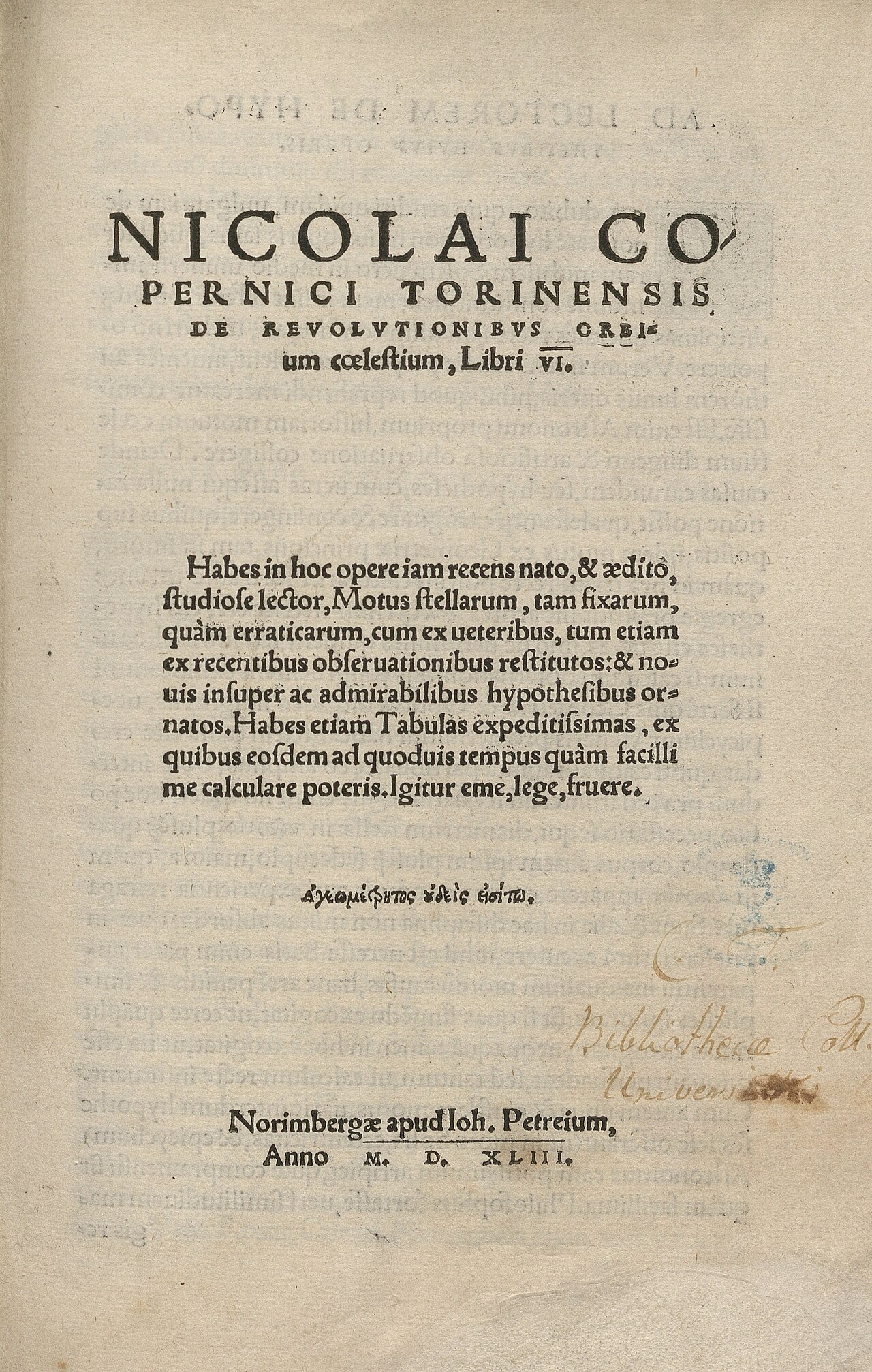 Book
Primary source
De revolutionibus orbium coelestium
Nicolaus Copernicus · 1543
 Painting
Secondary source
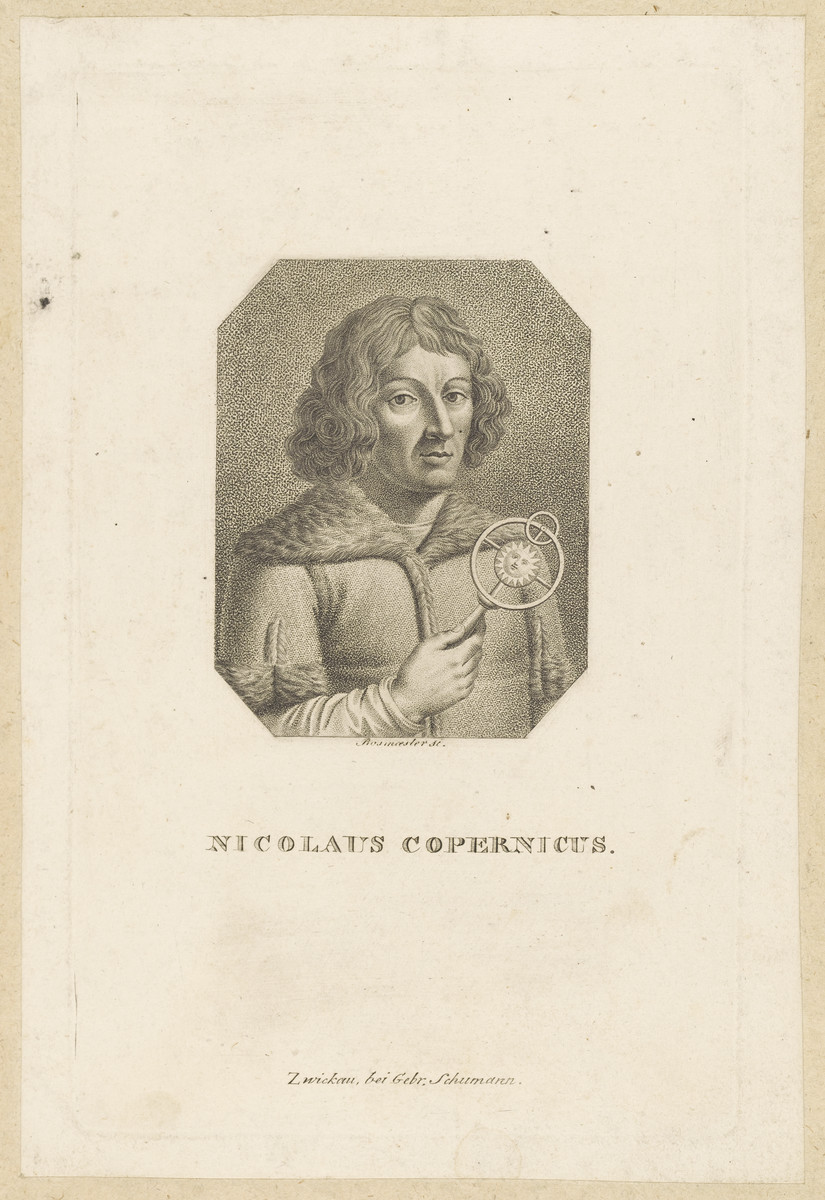
Portrait of Nicolaus Copernicus (Schumann print)
Gebrüder Schumann
 Artifact
Primary source
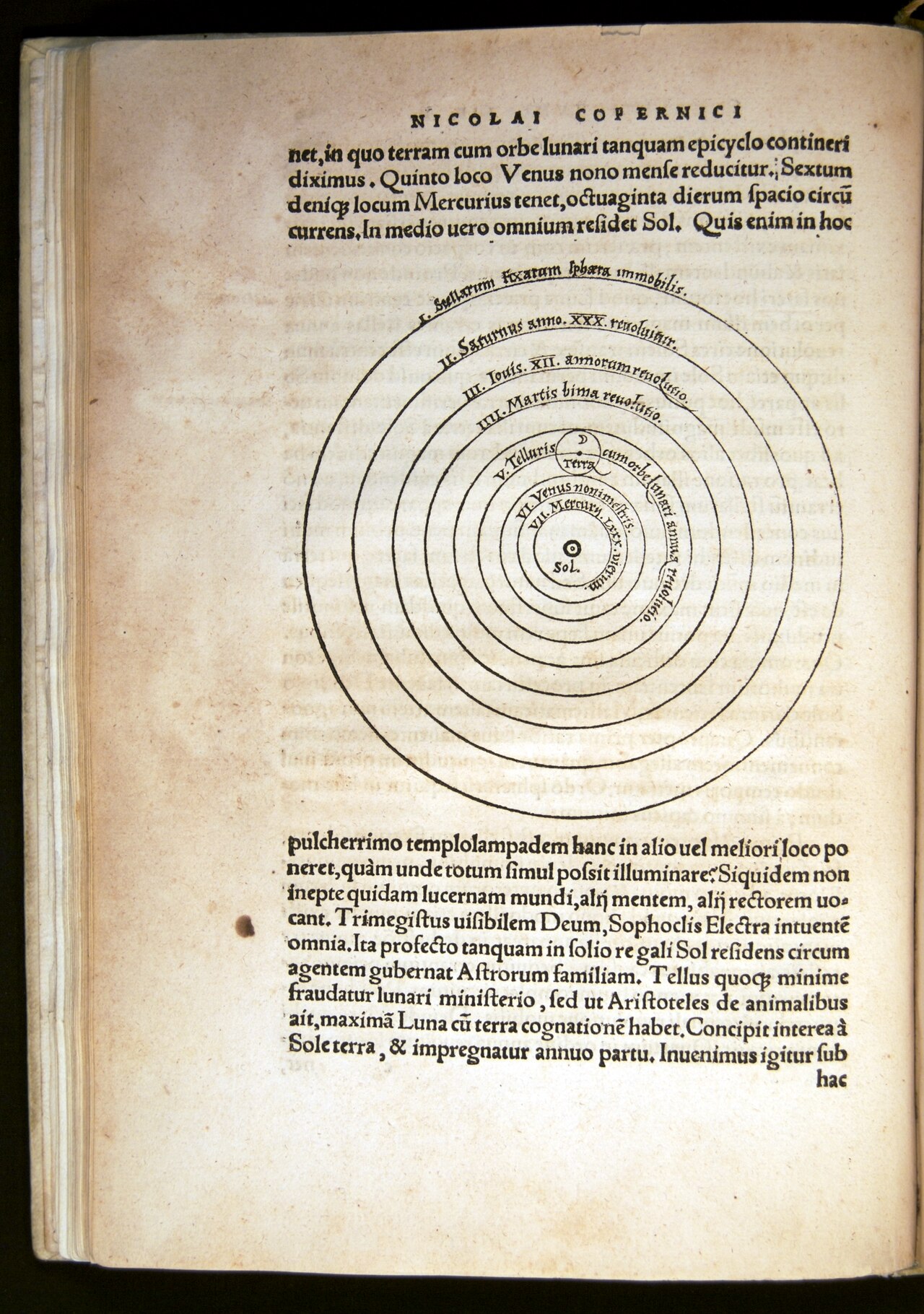
Copernicus's Diagram of the Planetary System
Nicolaus Copernicus · 1543
 Painting
Secondary source
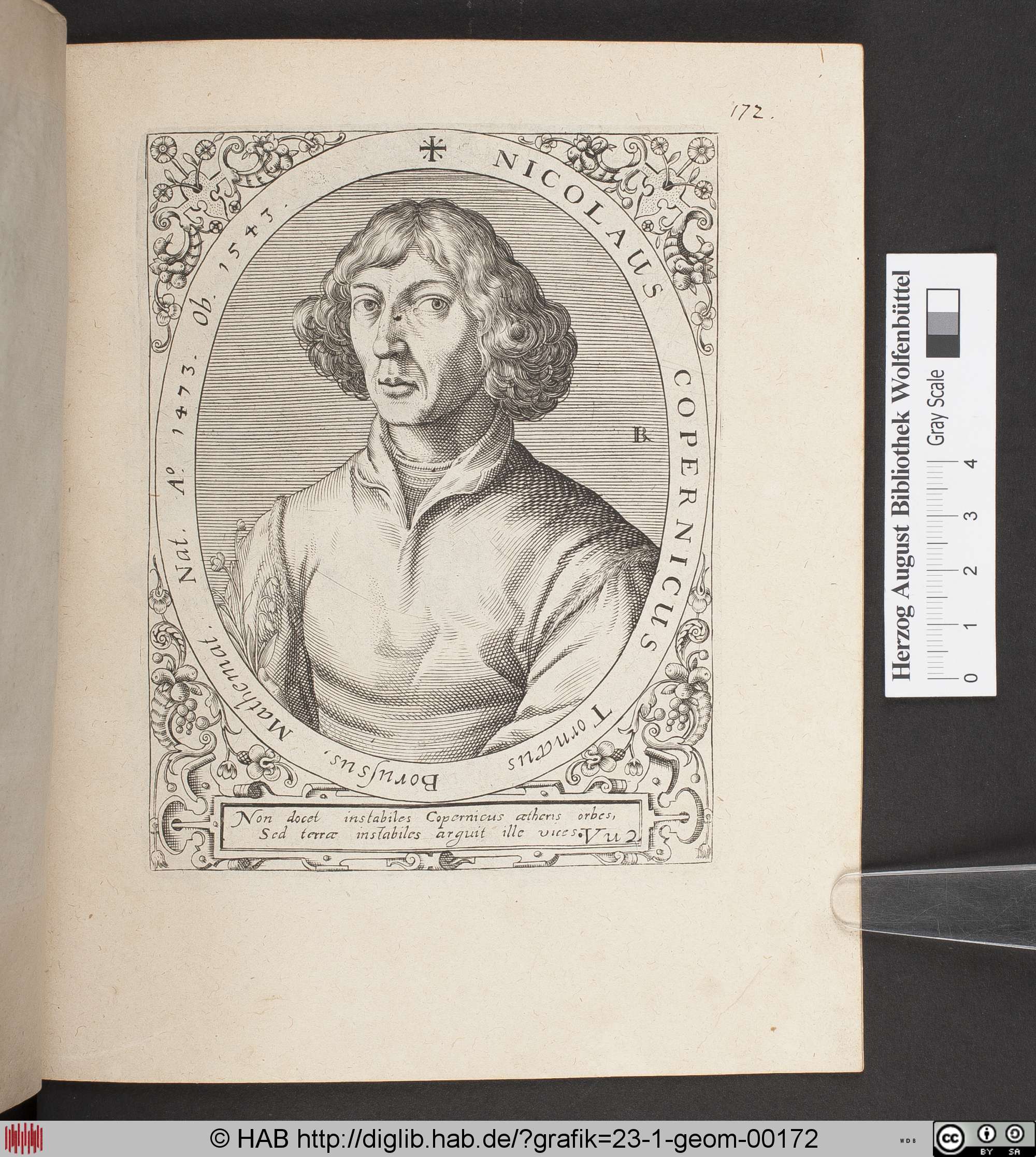
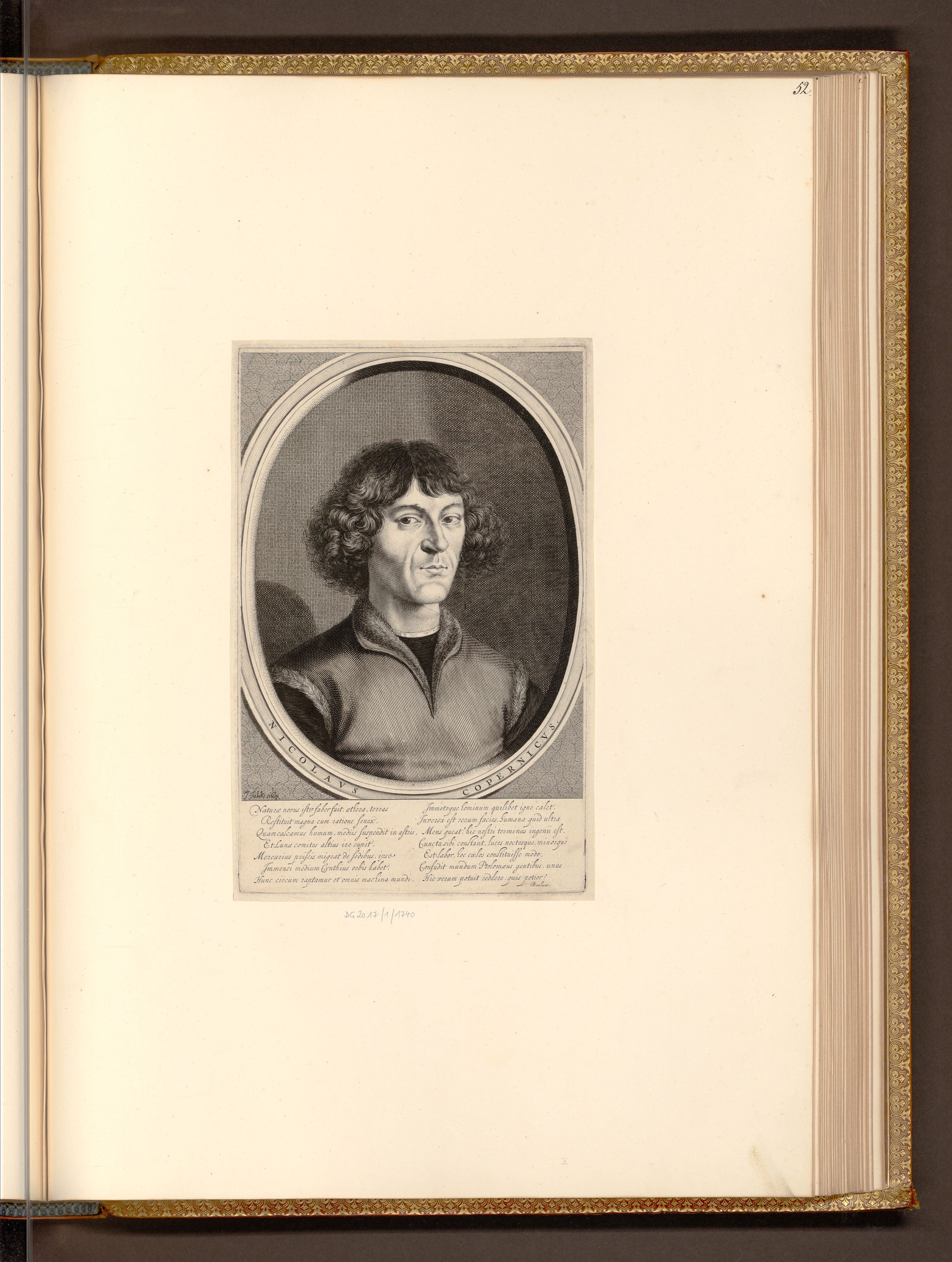
Engraved Portrait of Nicolaus Copernicus (Herzog August Library)
Unbekannt
 Painting
Secondary source
Portrait of Nicolaus Copernicus (Albertina Museum)
Ready when you are
Start chatting with Nicolaus Copernicus now.
20 messages free · No credit card · Available in 50+ languages.