


Secondary sourcePainting1663
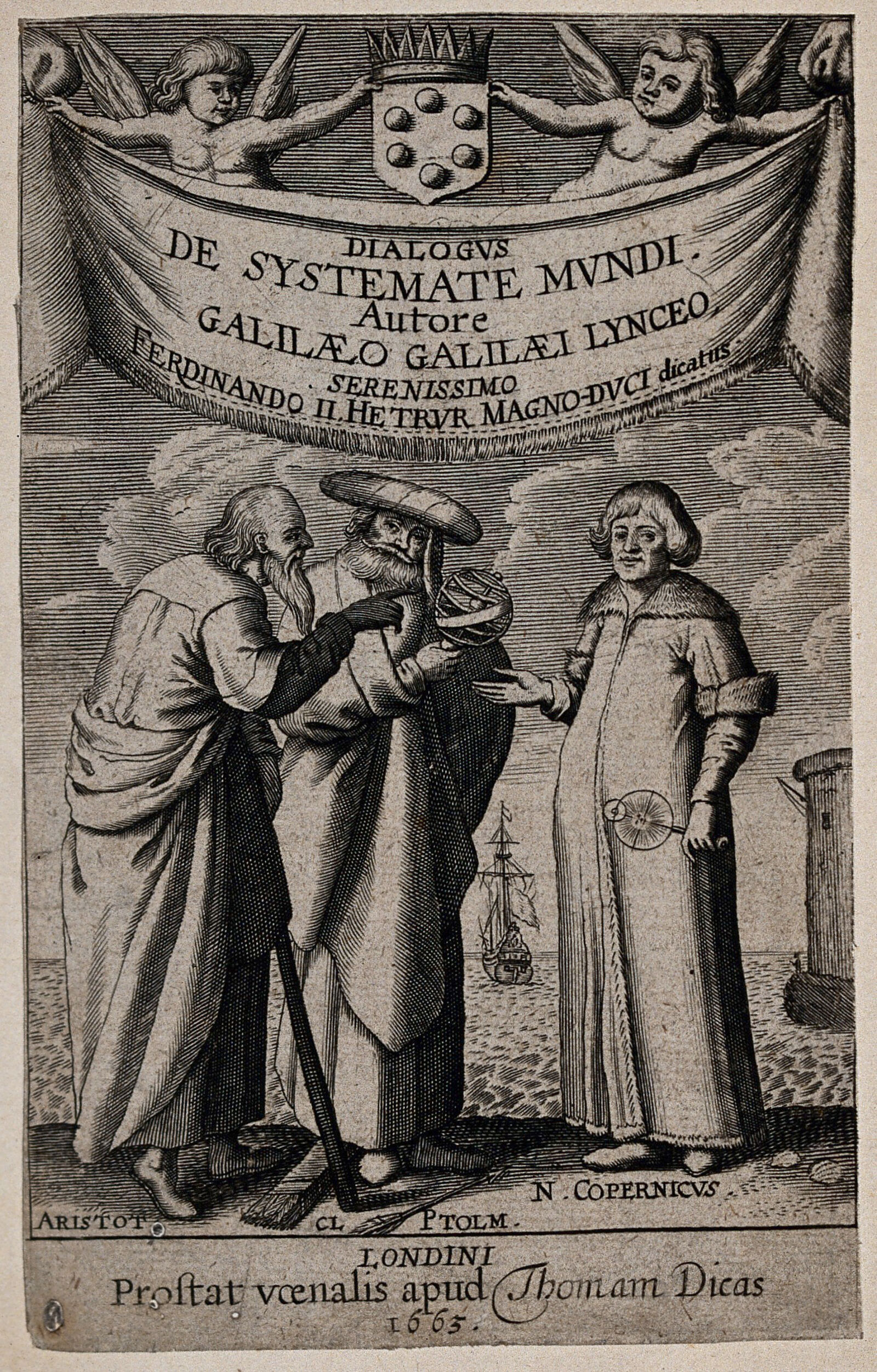
Copernicus debating Aristotle and Ptolemy
Stefano della Bella · 1663
A 1663 engraved frontispiece showing an imagined debate between Copernicus and two ancient authorities about whether the Earth moves.
Shows Copernicus imagined as one side of a famous debate about whether the Earth moves, set in a frontispiece to Galileo's book.
About this source
What it is
This engraved frontispiece shows three bearded men in robes standing on a ground with a ship at sea. A title banner held by two cherubs reads 'Dialogus de systemate mundi' by Galileo Galilei. The figure labelled N. Copernicus stands at right in a fur-trimmed coat holding a small astronomical instrument. Two older men, labelled Aristot and Ptolm, gesture toward him, and one holds a globe. The engraving is dated 1663 and is held by the Wellcome Collection in London. The creator is recorded as Stefano della Bella, after a 1632 original.
Why it matters
The scene is imagined, not a recorded meeting. It stages the dispute between the idea of a moving Earth and the ancient views of Aristotle and Ptolemy, who held that the Earth is at the center. The ship in the background is an argument from the book's text: motion of a ship does not disturb what moves inside it, so a moving Earth need not disturb things on its surface. Galileo's book helped spread this debate.
Look closer
- Who is shown as the winner or loser of the debate, based on posture and gesture?
- Why might a book about the Earth's motion be introduced with a picture of an argument?
- What does the image leave out about the evidence each side actually used?
This painting is part of the curated material that grounds the AI version of Nicolaus Copernicus on Humy.ai — when students ask about related events, the AI can quote it and cite it.
More Nicolaus Copernicus sources
Meet the AI Nicolaus Copernicus →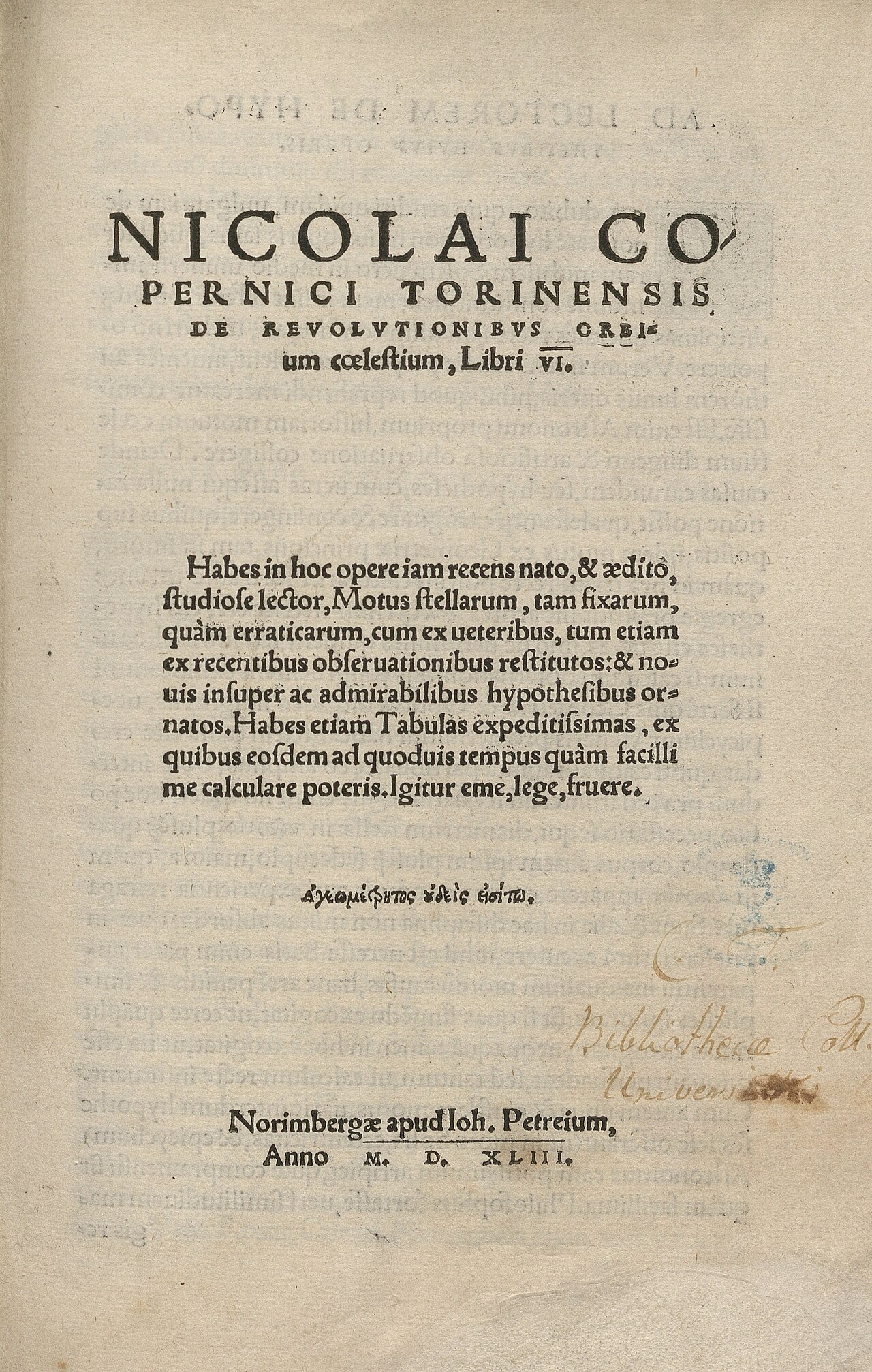 Book
Primary source
De revolutionibus orbium coelestium
Nicolaus Copernicus · 1543
 Painting
Secondary source
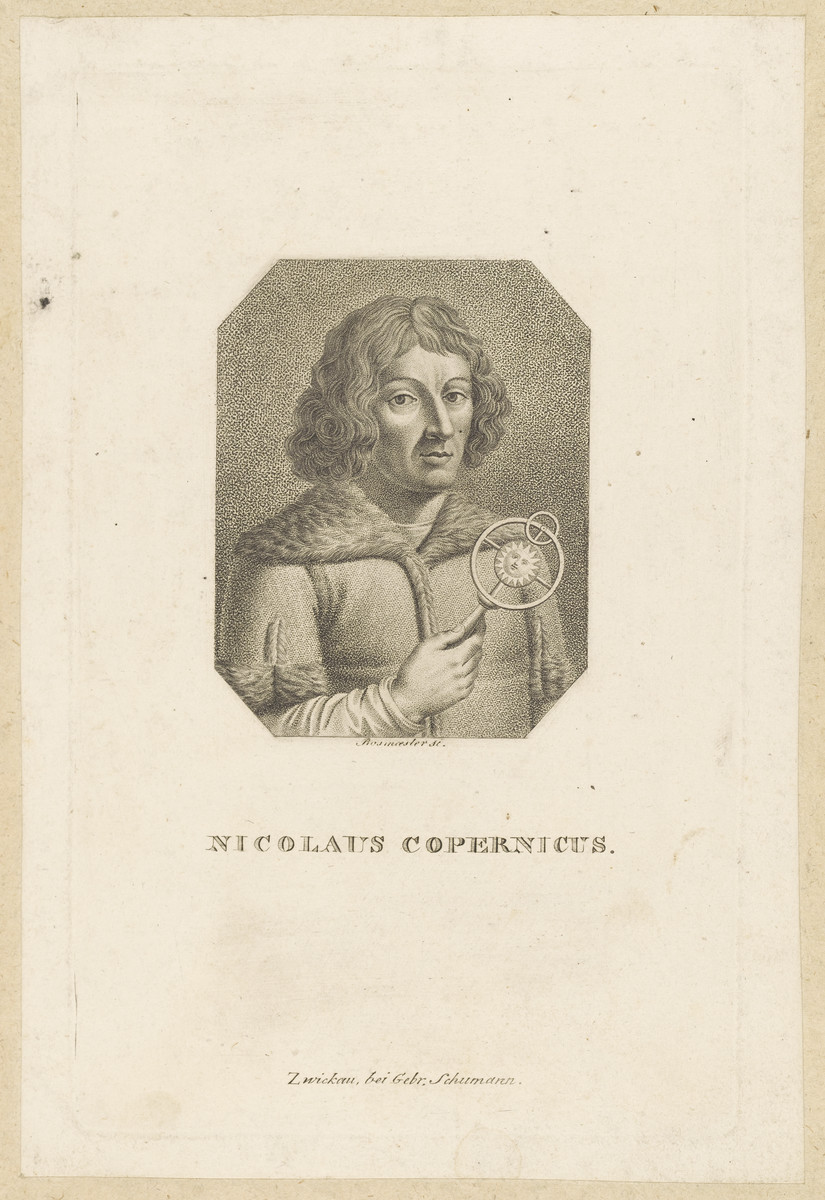
Portrait of Nicolaus Copernicus (Schumann print)
Gebrüder Schumann
 Artifact
Primary source
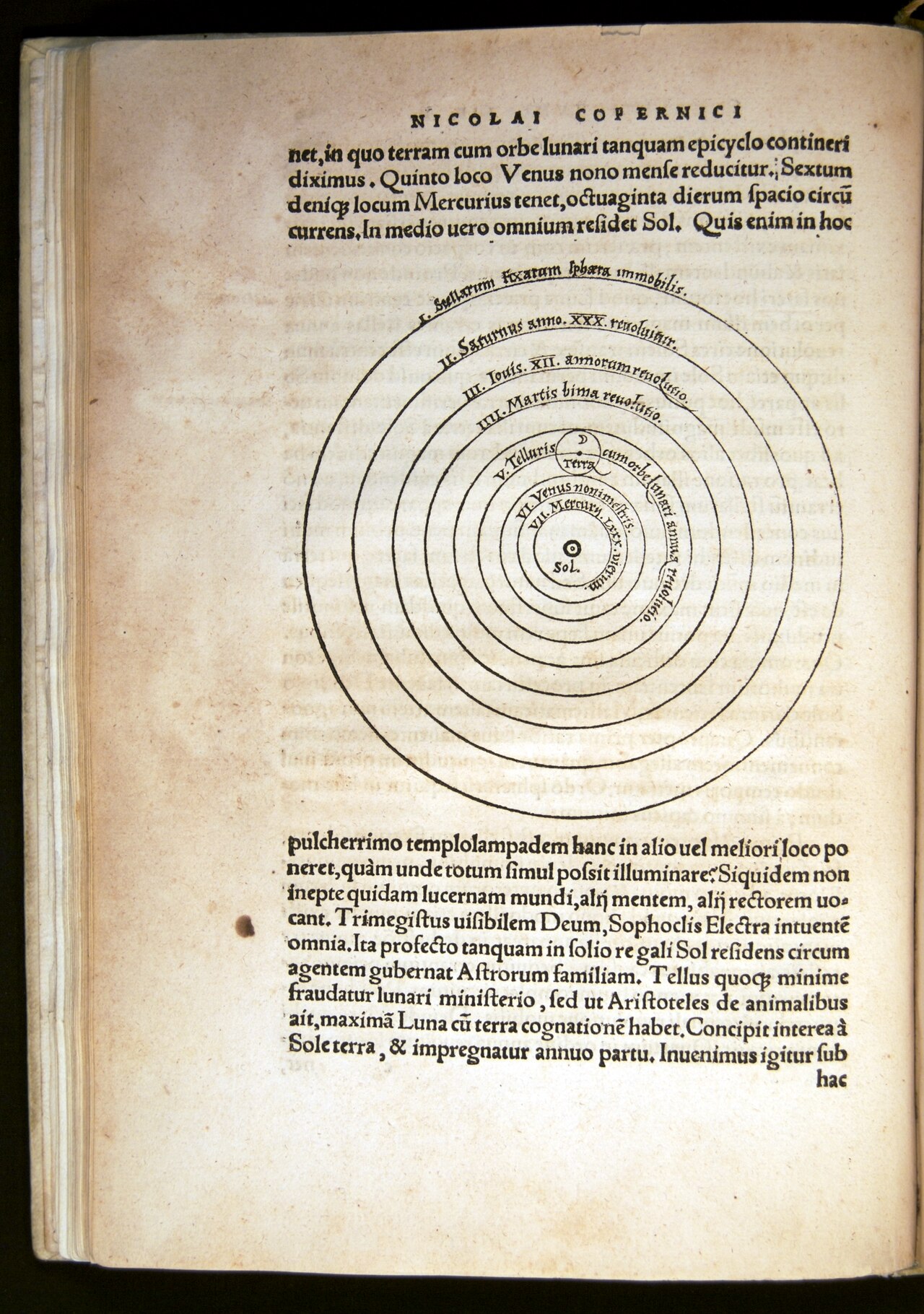
Copernicus's Diagram of the Planetary System
Nicolaus Copernicus · 1543
 Painting
Secondary source
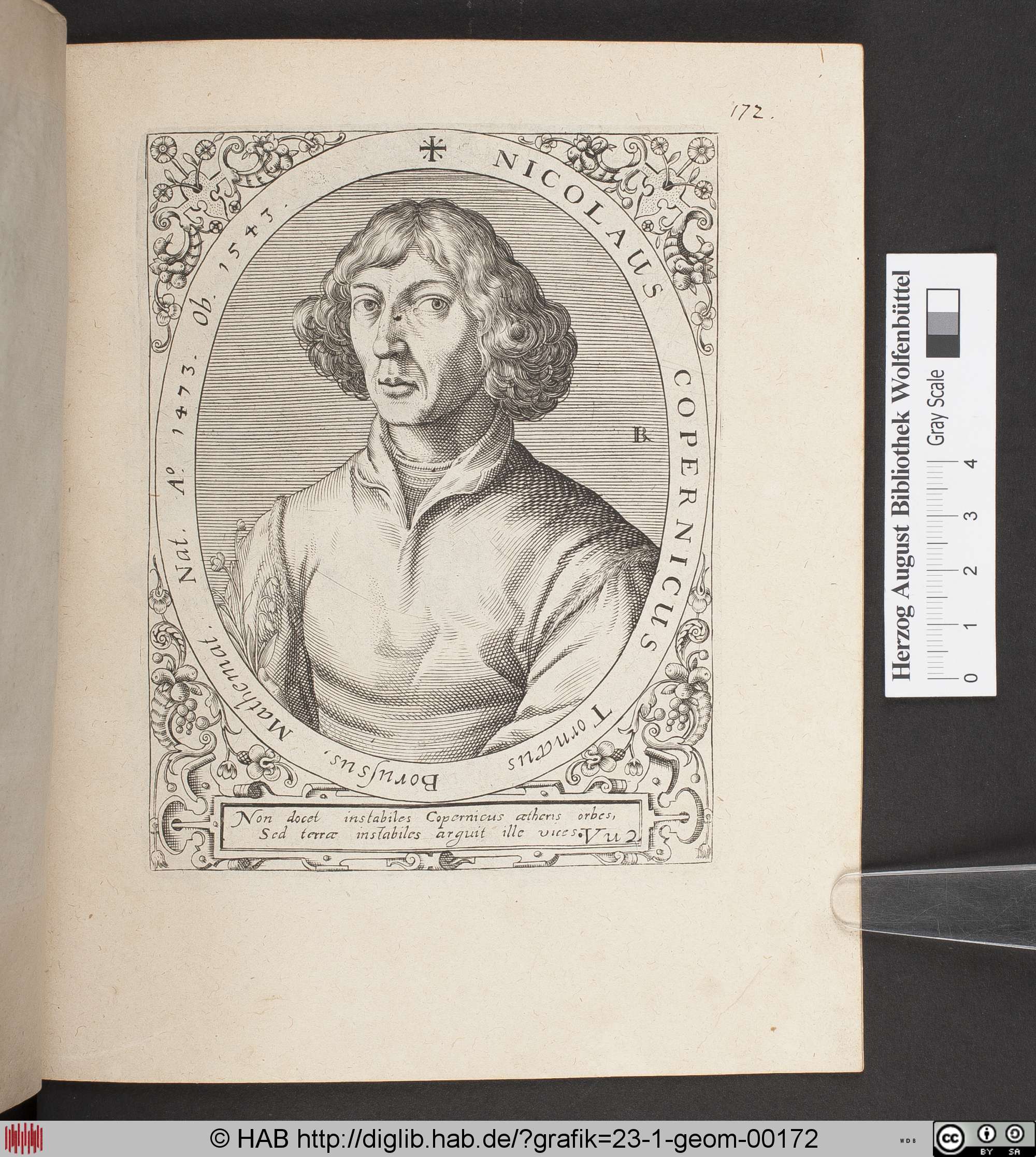
Engraved Portrait of Nicolaus Copernicus (Herzog August Library)
Unbekannt
 Painting
Secondary source
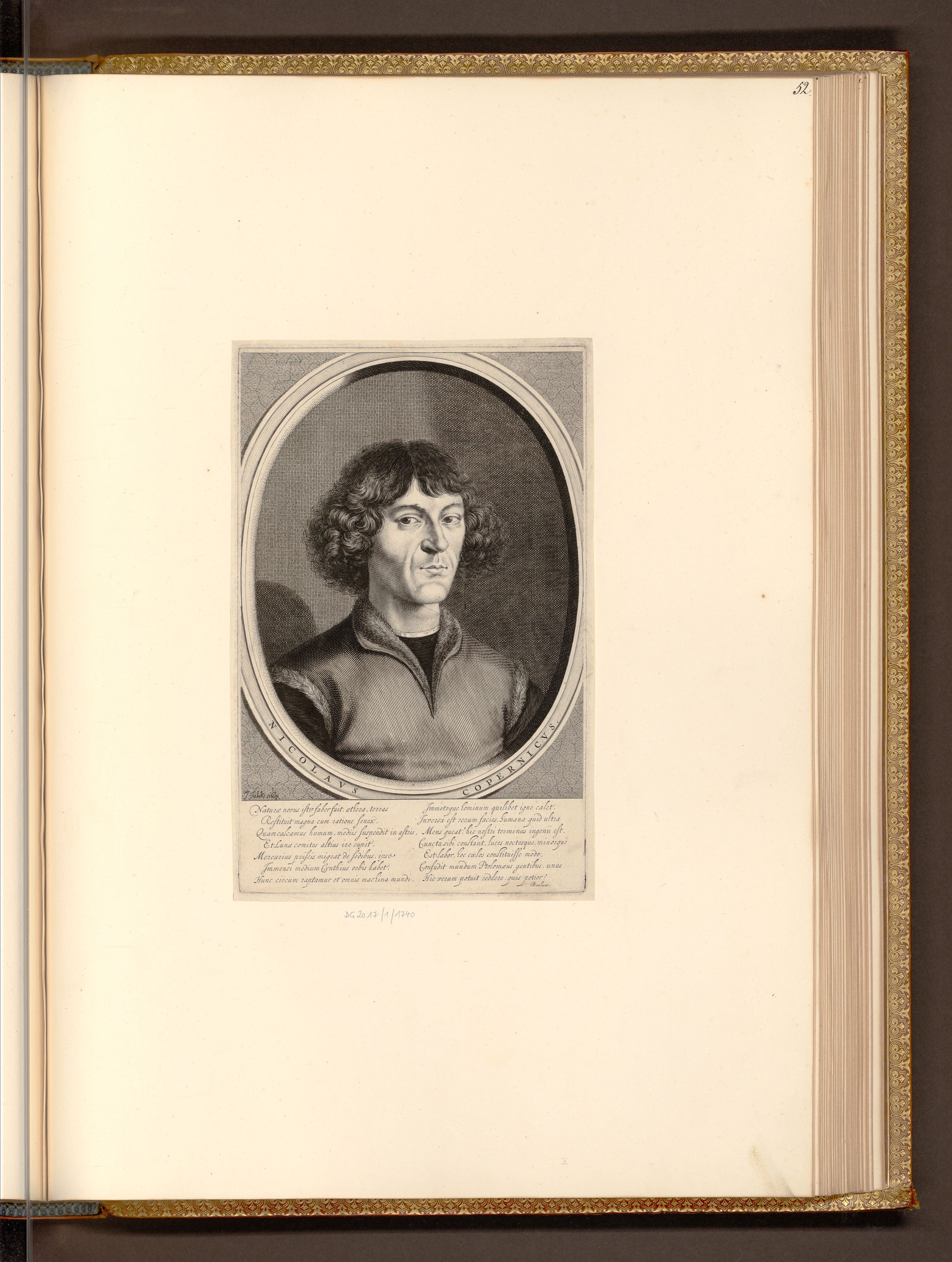
Portrait of Nicolaus Copernicus (Albertina Museum)
Ready when you are
Start chatting with Nicolaus Copernicus now.
20 messages free · No credit card · Available in 50+ languages.