


Primary sourceArtifactc. 1517
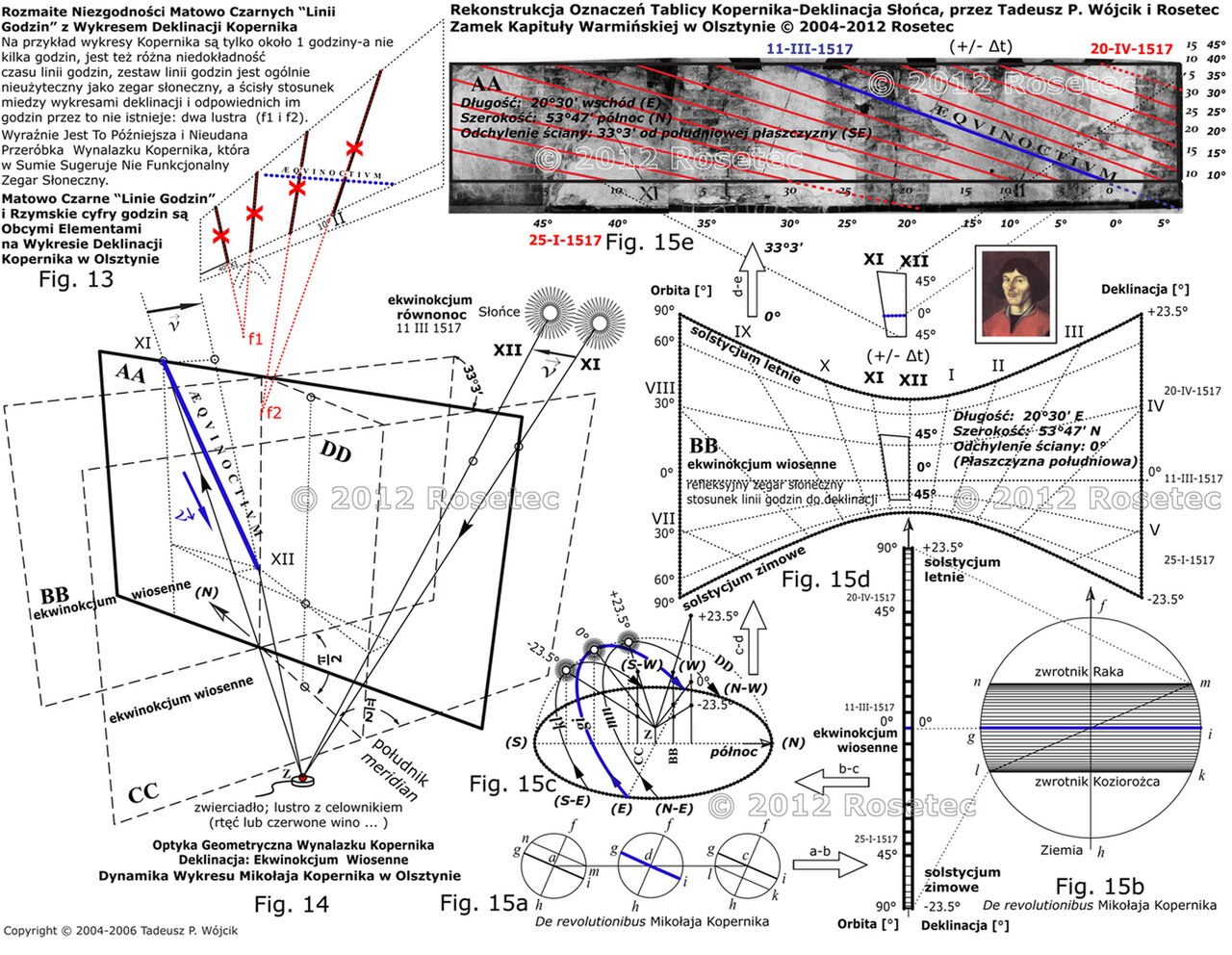
Astronomical Table on the Wall of Olsztyn Castle
Nicolaus Copernicus (attributed) · c. 1517
A solar-observation table drawn on a castle cloister wall around 1517, traditionally attributed to Copernicus.
A rare surviving trace of Copernicus's own astronomical observing practice, attributed to him.
About this source
What it is
This is a table marked on the cloister wall of Olsztyn Castle, used for observing the sun, dated to around 1517. It is traditionally attributed to Nicolaus Copernicus and is kept today as part of the Museum of Warmia and Masuria in the castle.
Why it matters
Very few physical traces of Copernicus's own observing practice survive. If the attribution is correct, this wall table shows the simple, practical methods he used to track the sun's position before telescopes existed, work that fed into his later astronomical theories.
Look closer
- What does it mean for something to be "traditionally attributed" to a person rather than certainly known to be theirs?
- Why might an astronomer mark observations directly onto a wall rather than on paper?
- How does a tool like this connect to the bigger ideas Copernicus later published?
This artifact is part of the curated material that grounds the AI version of Nicolaus Copernicus on Humy.ai — when students ask about related events, the AI can quote it and cite it.
More Nicolaus Copernicus sources
Meet the AI Nicolaus Copernicus →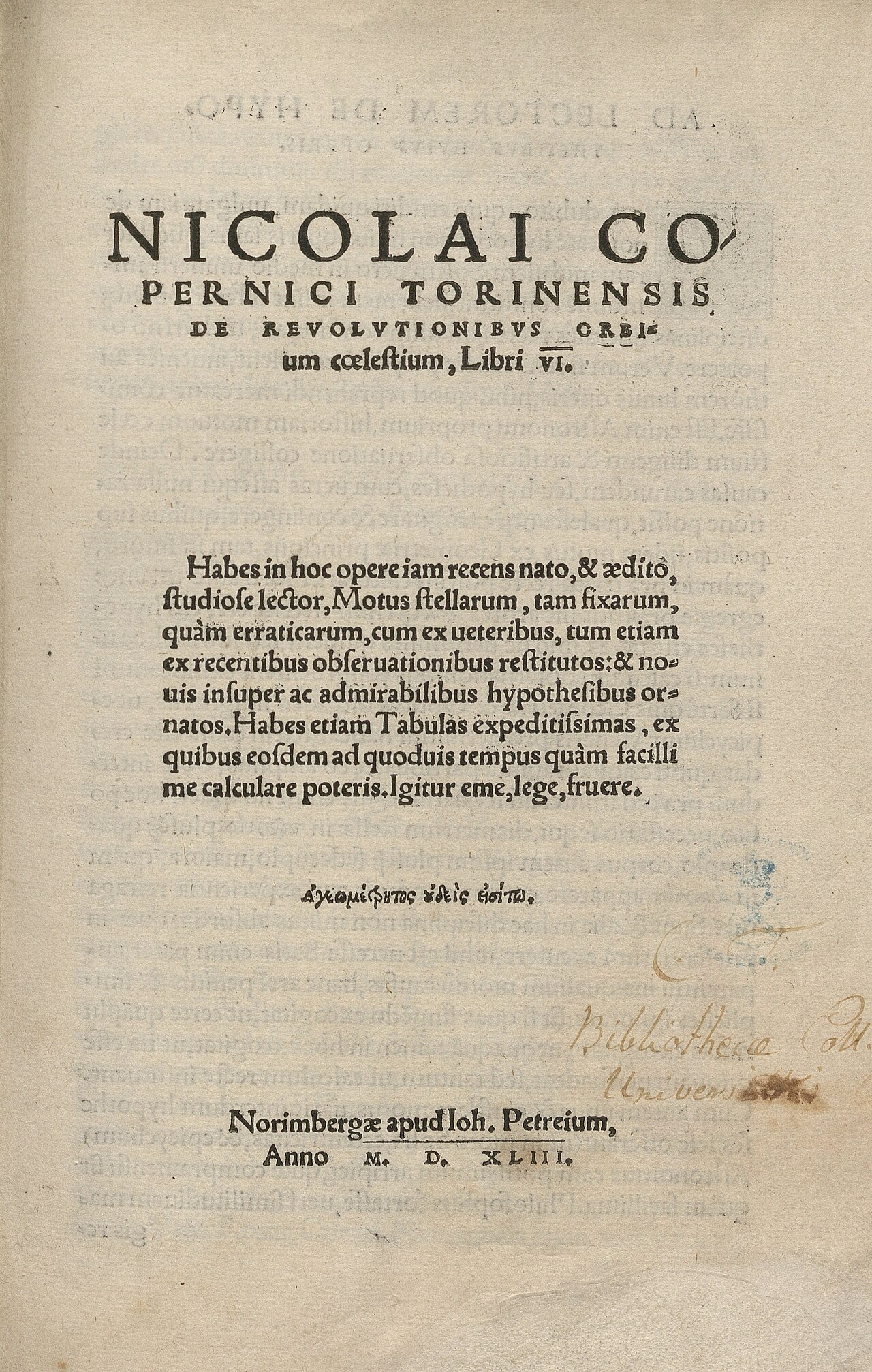 Book
Primary source
De revolutionibus orbium coelestium
Nicolaus Copernicus · 1543
 Painting
Secondary source
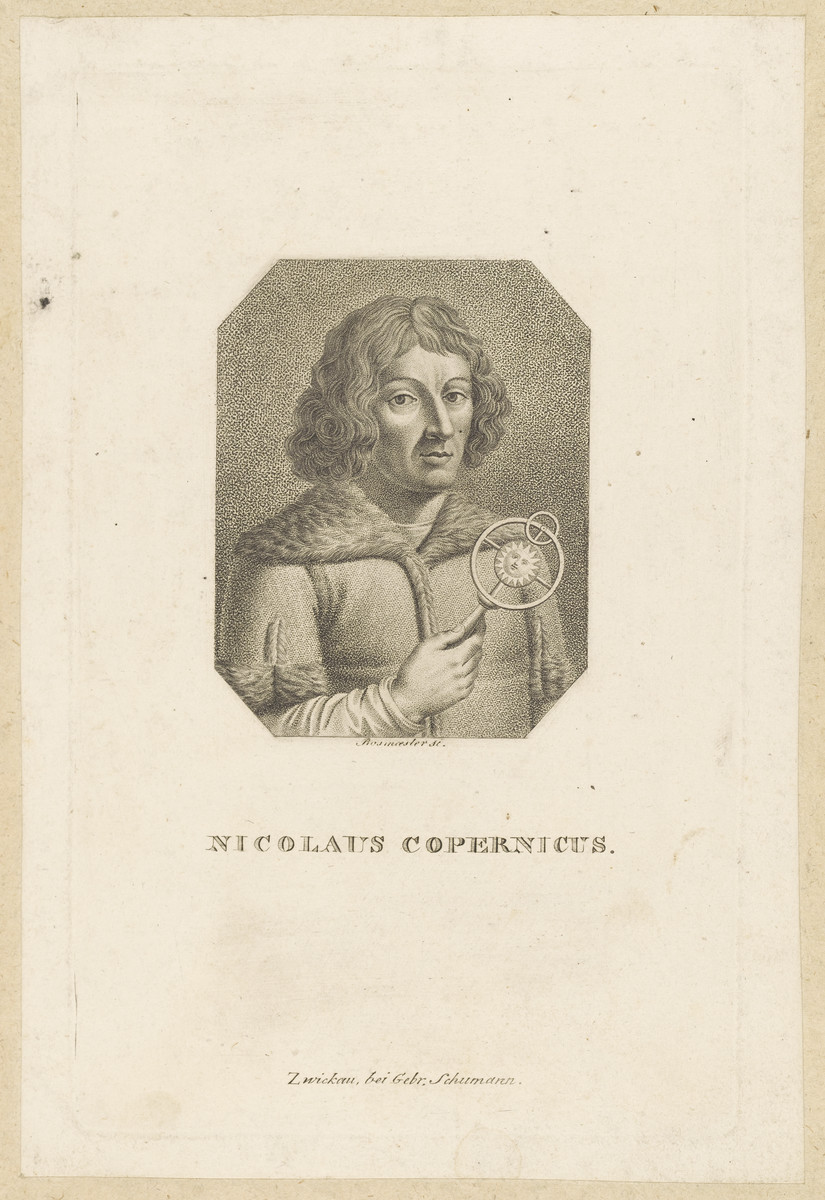
Portrait of Nicolaus Copernicus (Schumann print)
Gebrüder Schumann
 Artifact
Primary source
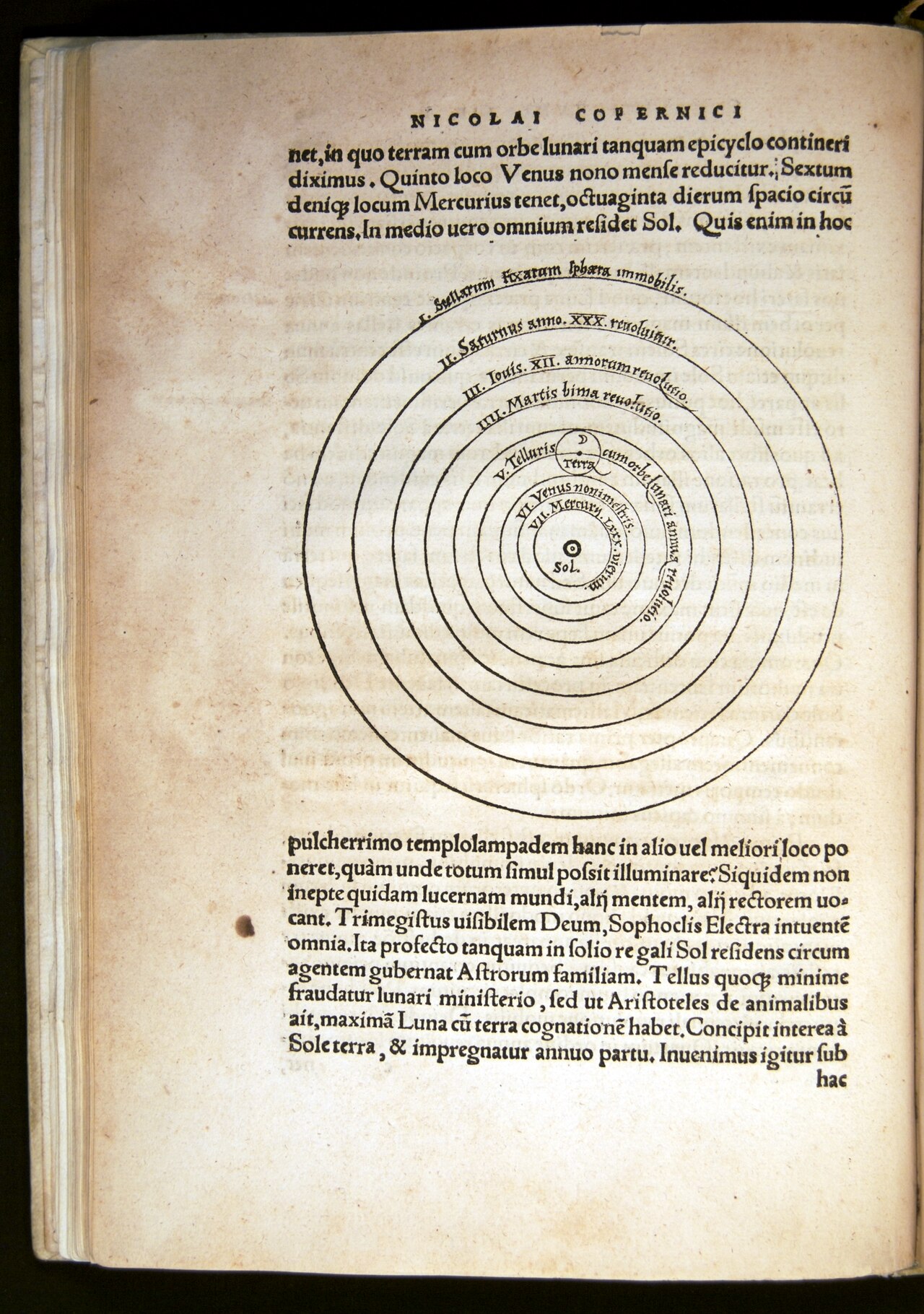
Copernicus's Diagram of the Planetary System
Nicolaus Copernicus · 1543
 Painting
Secondary source
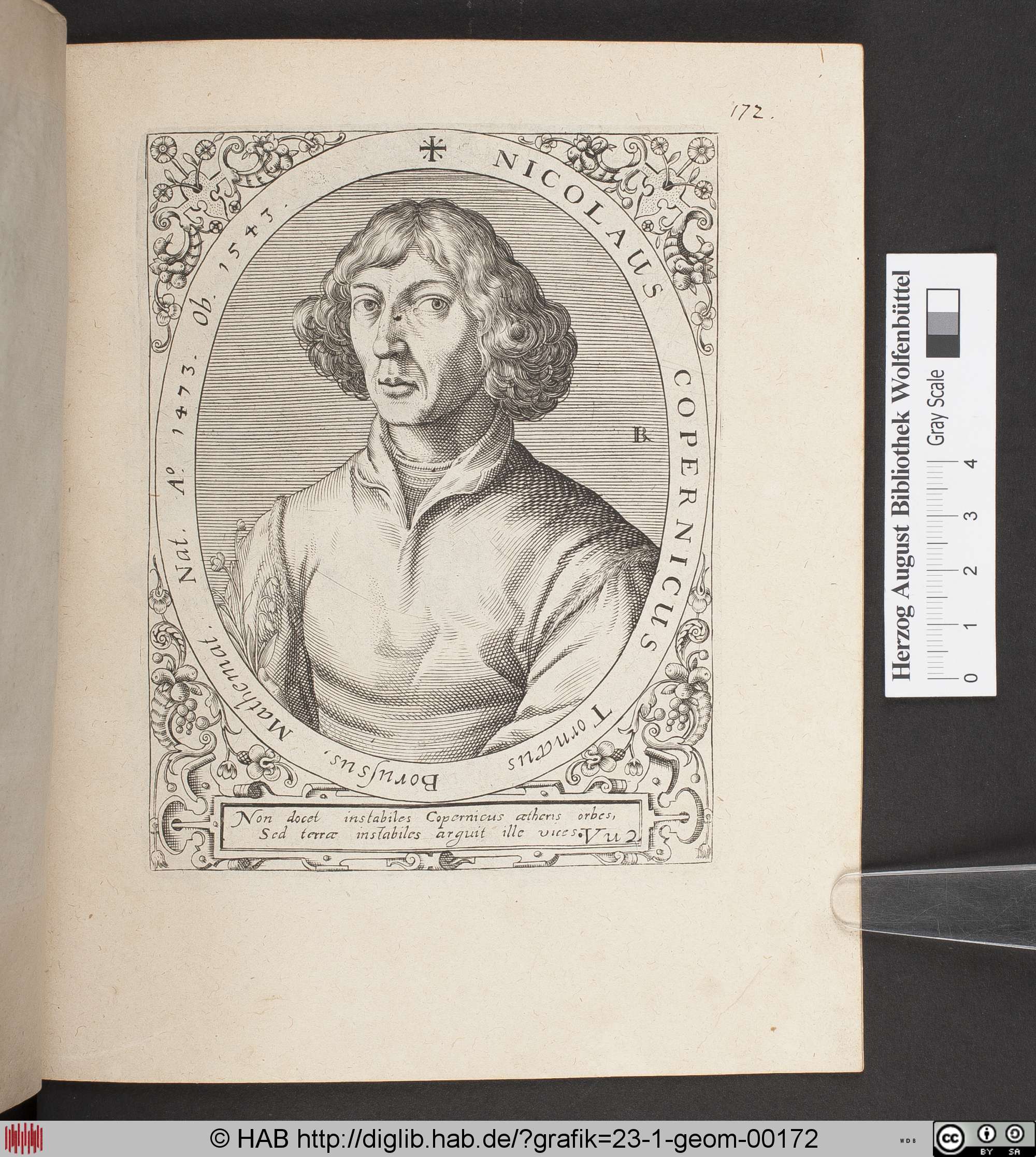
Engraved Portrait of Nicolaus Copernicus (Herzog August Library)
Unbekannt
 Painting
Secondary source
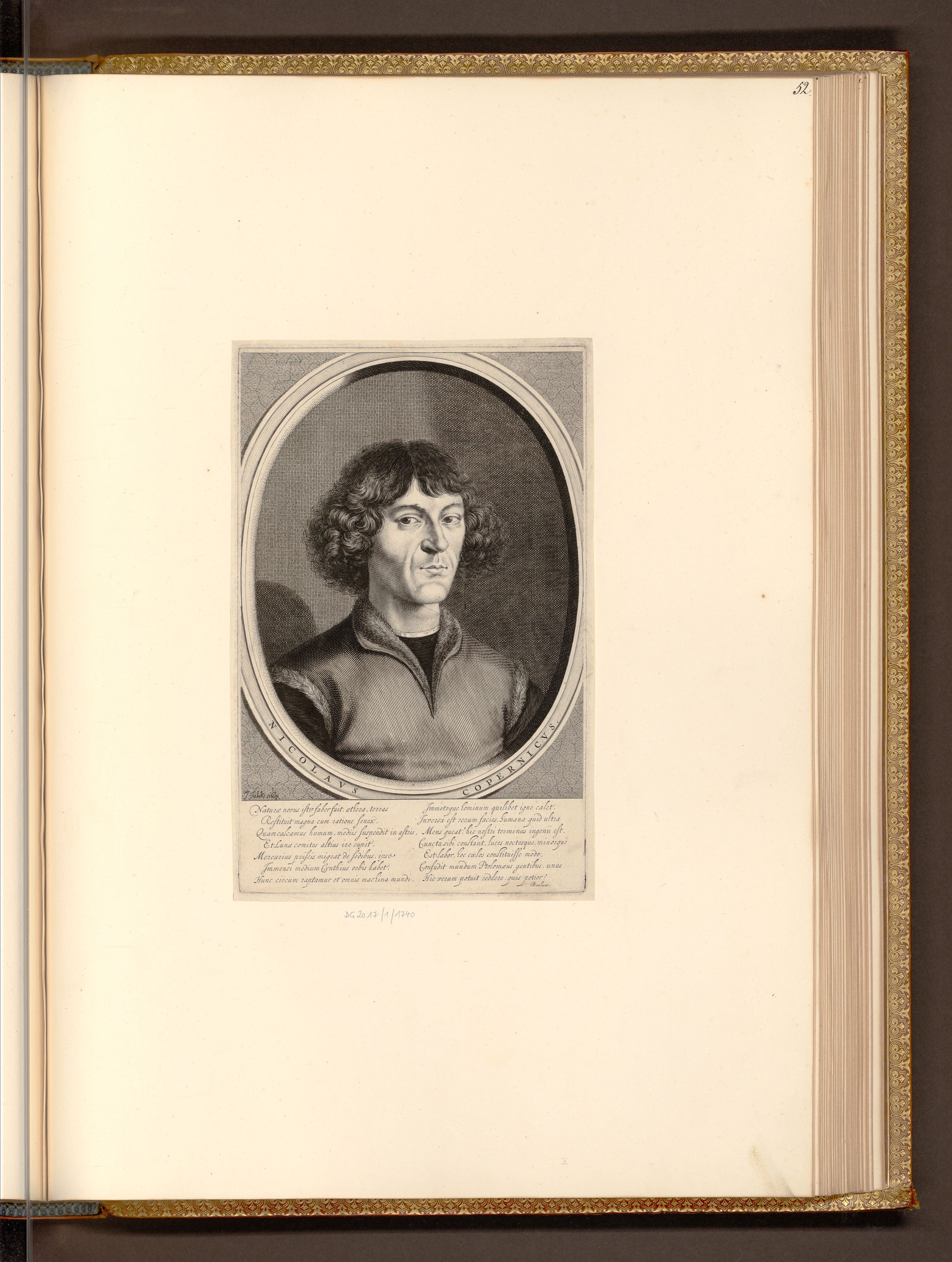
Portrait of Nicolaus Copernicus (Albertina Museum)
Ready when you are
Start chatting with Nicolaus Copernicus now.
20 messages free · No credit card · Available in 50+ languages.