


Secondary sourceDocument1551
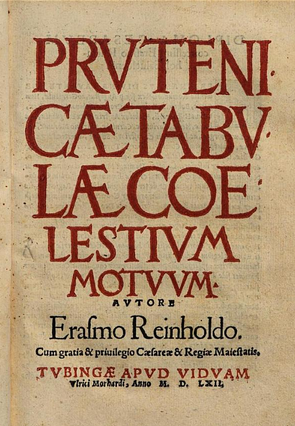
Prutenic Tables
Erasmus Reinhold · 1551
Astronomical tables by Erasmus Reinhold, published in 1551 and computed from Copernicus's heliocentric models.
These tables, built from Copernicus's models, show how his heliocentric theory was first turned into practical astronomical use.
About this source
What it is
The Prutenic Tables are a set of astronomical tables (an ephemeris) by the astronomer Erasmus Reinhold, published in 1551 and reprinted several times afterward. They were funded by Duke Albert I of Prussia and were based on Nicolaus Copernicus's models from his book De revolutionibus orbium coelestium.
Why it matters
These tables show how Copernicus's ideas were first put to practical use, even before most astronomers accepted heliocentrism itself. They became popular in German-speaking lands and helped establish Copernicus's reputation as a great mathematician and astronomer. They eventually replaced older tables that had been used for centuries, and later influenced calendar reform and Kepler's own tables.
Look closer
- Why might a practical tool like this spread faster than the theory behind it?
- What does it tell us that people used Copernicus's calculations before accepting his model of the universe?
- What is missing from a title page like this that a modern book cover would include?
This document is part of the curated material that grounds the AI version of Nicolaus Copernicus on Humy.ai — when students ask about related events, the AI can quote it and cite it.
More Nicolaus Copernicus sources
Meet the AI Nicolaus Copernicus →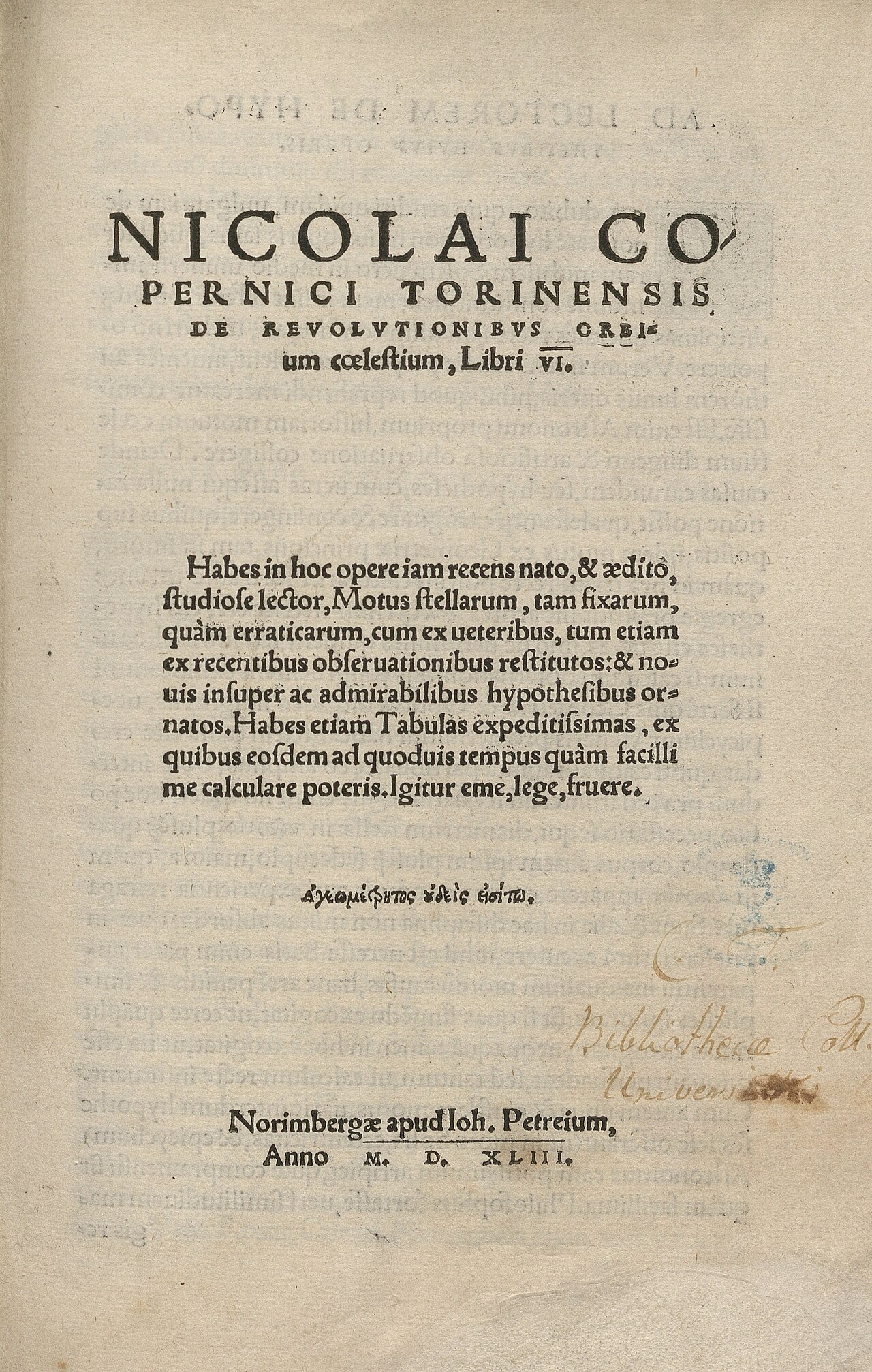 Book
Primary source
De revolutionibus orbium coelestium
Nicolaus Copernicus · 1543
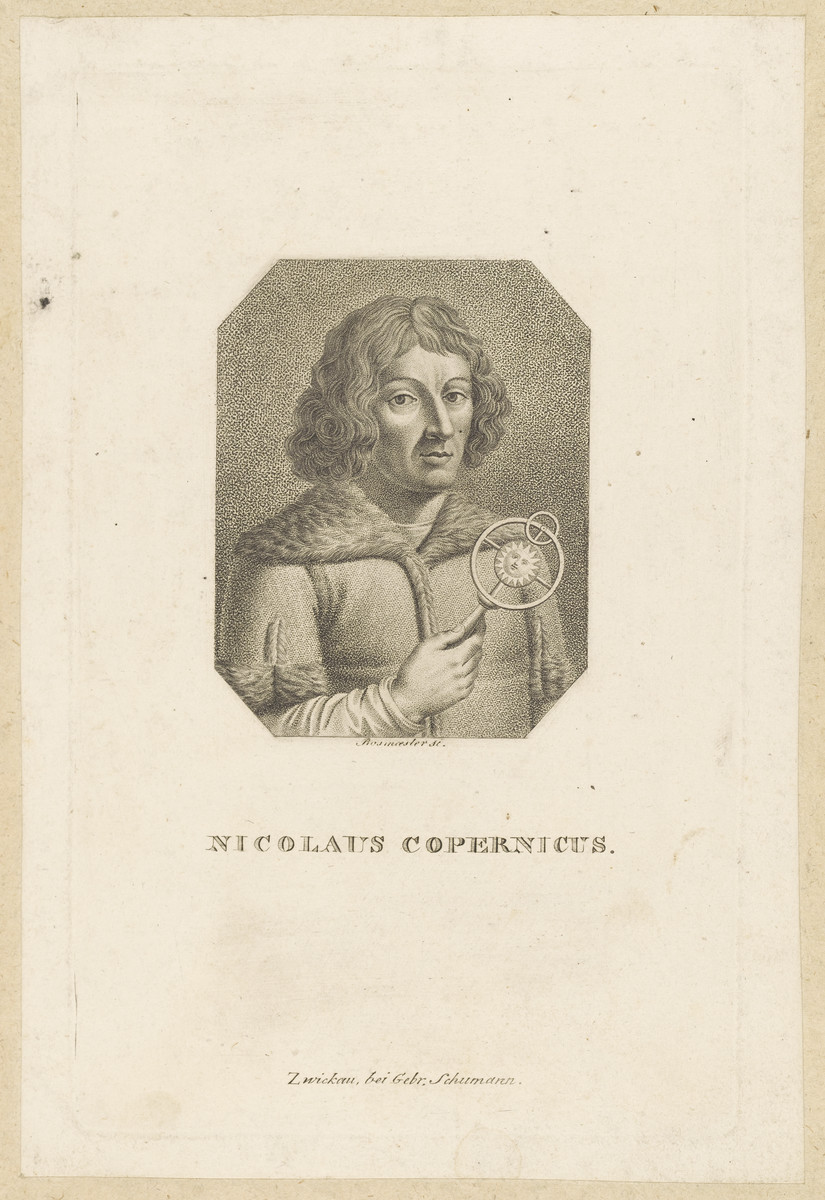 Painting
Secondary source
Portrait of Nicolaus Copernicus (Schumann print)
Gebrüder Schumann
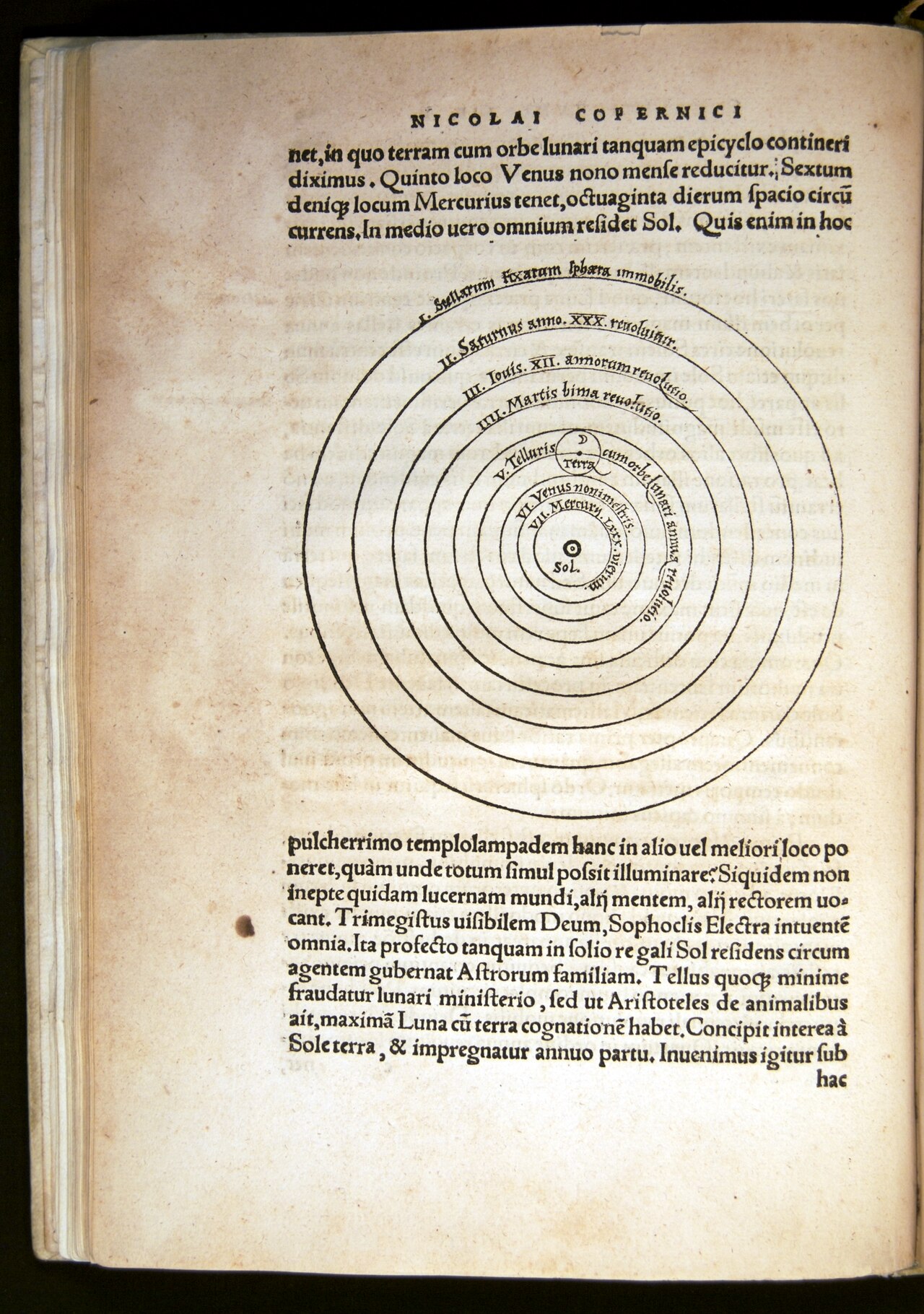 Artifact
Primary source
Copernicus's Diagram of the Planetary System
Nicolaus Copernicus · 1543
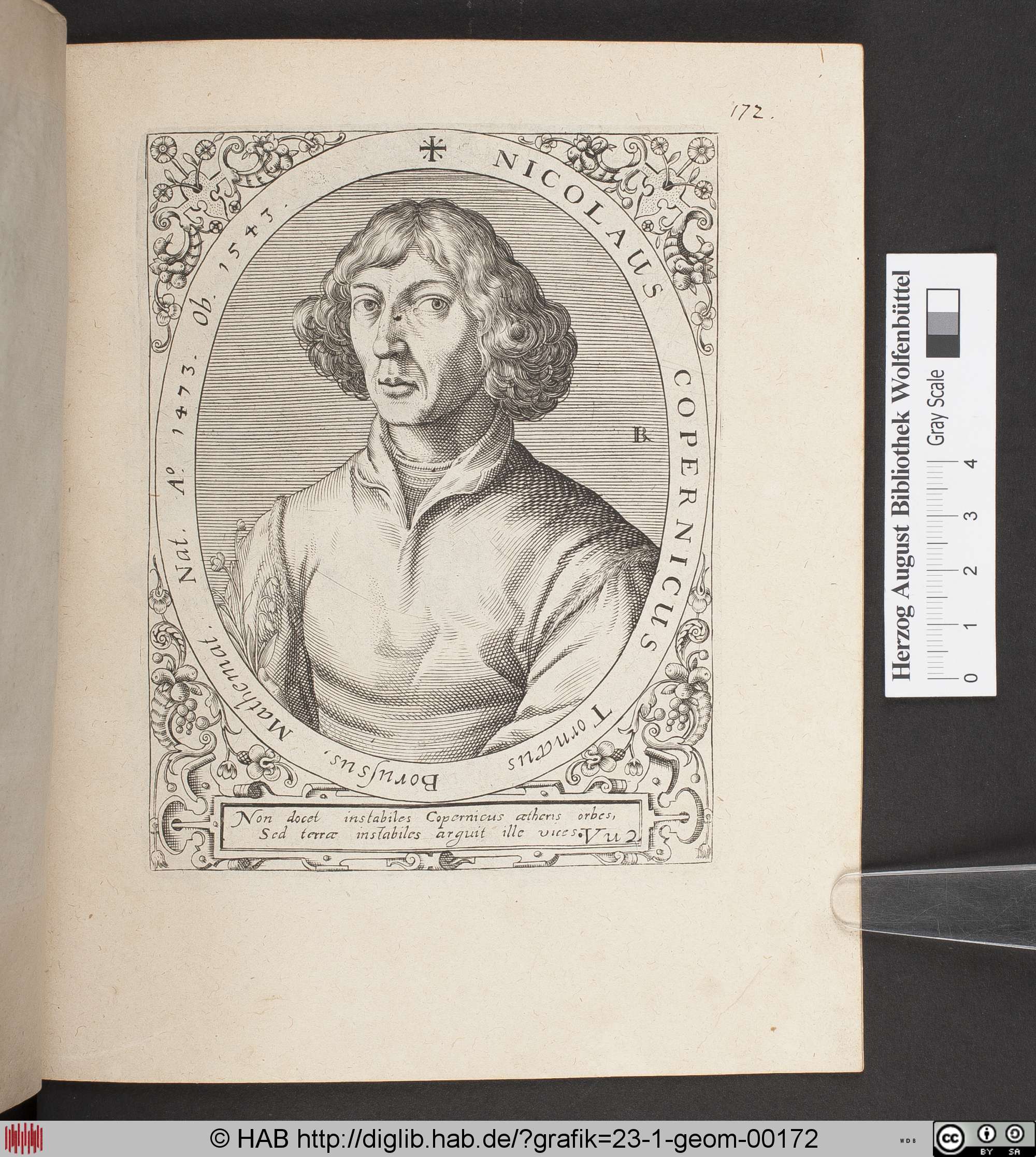 Painting
Secondary source
Engraved Portrait of Nicolaus Copernicus (Herzog August Library)
Unbekannt
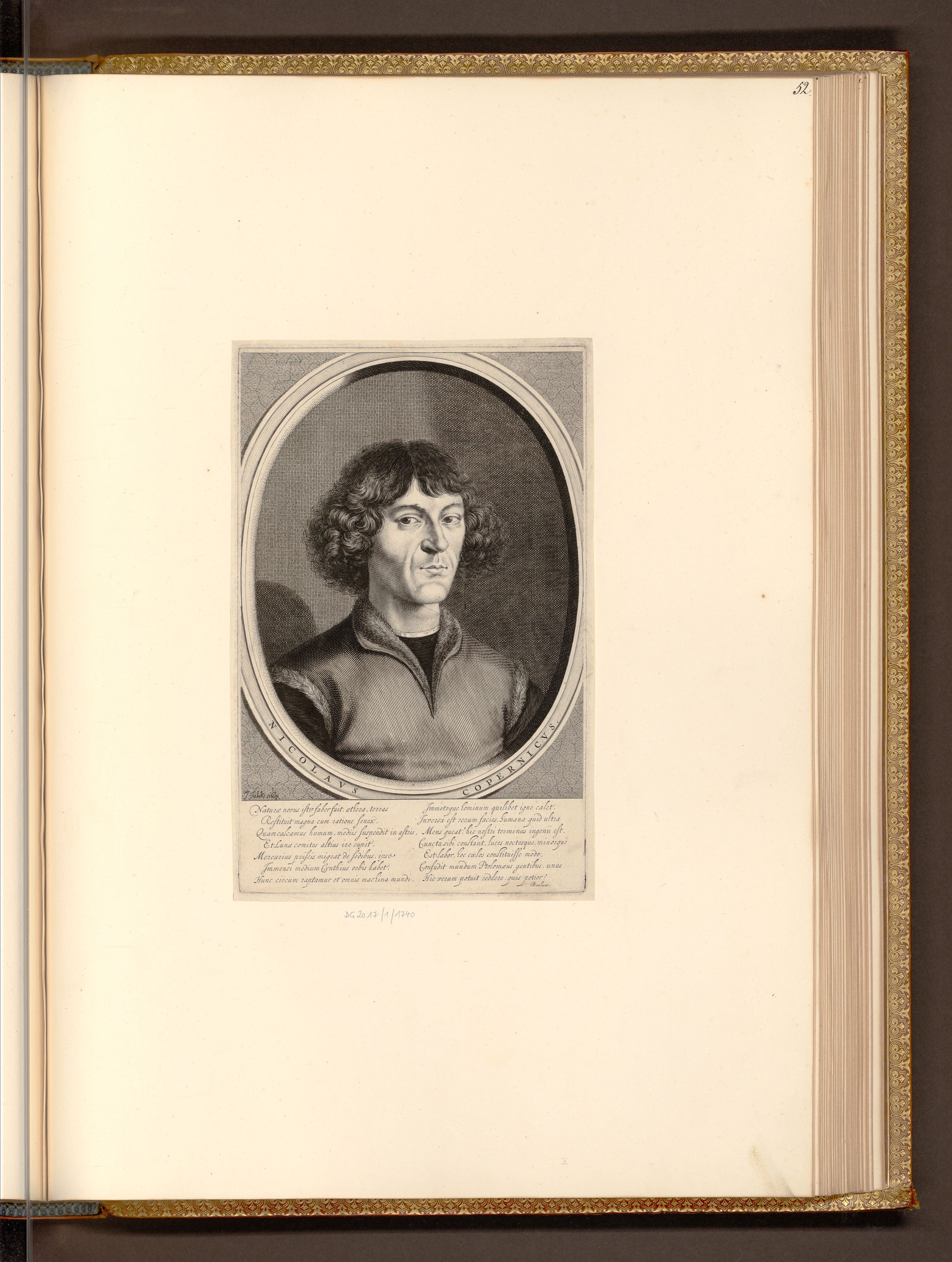 Painting
Secondary source
Portrait of Nicolaus Copernicus (Albertina Museum)
Ready when you are
Start chatting with Nicolaus Copernicus now.
20 messages free · No credit card · Available in 50+ languages.