


Primary sourceArtifact1353
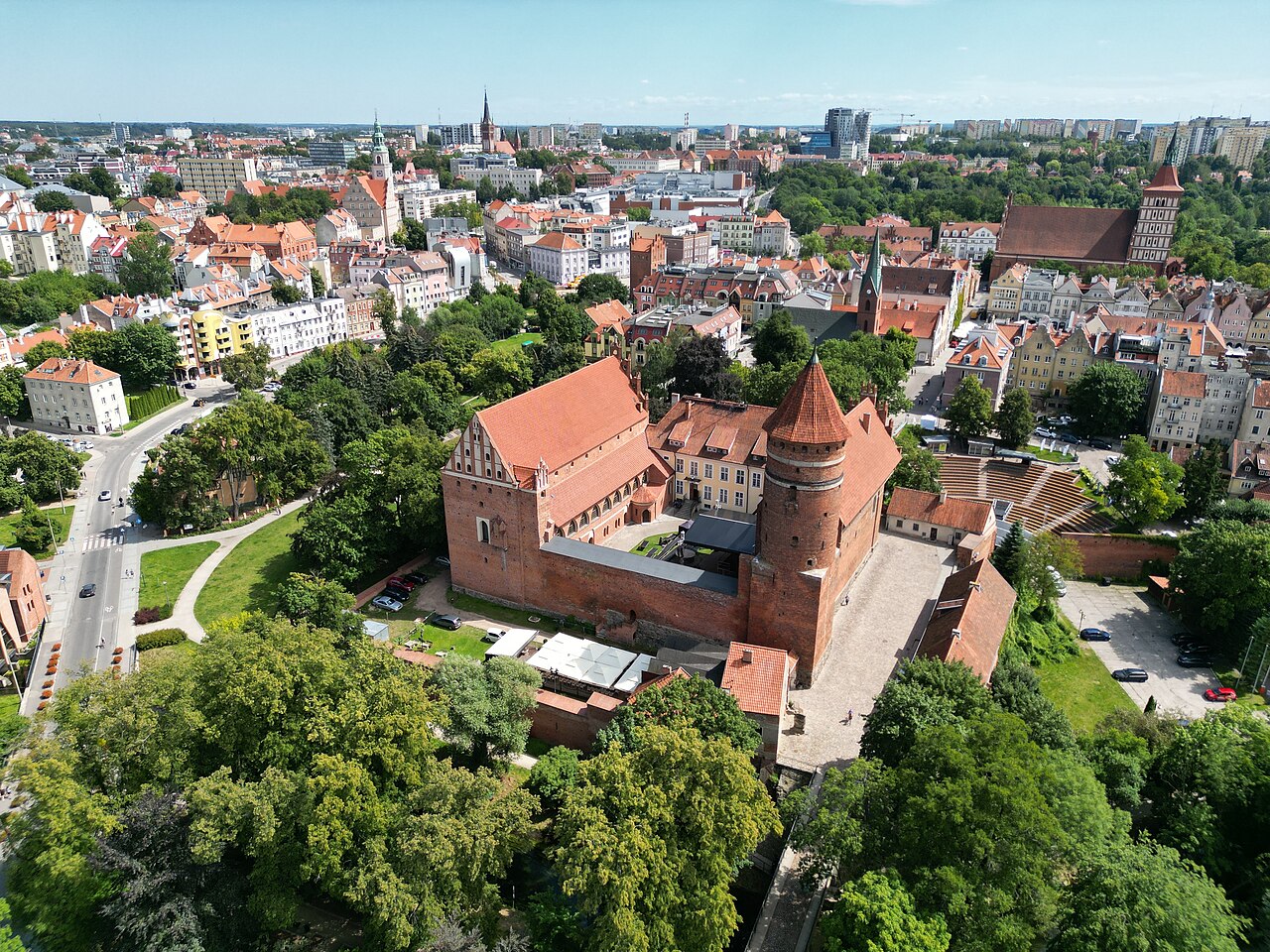
Castle of Warmian Bishops in Olsztyn
1353
A 14th-century Gothic castle where Copernicus lived and worked as administrator, organising its defence in 1520–21.
Copernicus lived and worked here as administrator, organising defence and making astronomical observations.
About this source
What it is
This Brick Gothic castle in Olsztyn, Poland, was built in the 14th century as a stronghold for the Warmian Cathedral Chapter. Nicolaus Copernicus served as its administrator between 1516 and 1521. It now houses the Museum of the Warmian-Masurian Voivodeship.
Why it matters
While living at the castle, Copernicus managed the chapter's estates, inventoried its archive, wrote an economic treatise, and organised the Polish defence against a Teutonic siege. He also made astronomical observations and calculations here that fed into his heliocentric theory, and an astronomical table he made in 1517 survives at the castle.
Look closer
- What does it tell us that Copernicus combined military and administrative duties with scientific work?
- Why might a castle built for defence also become a place for scholarship?
- What questions would you ask if you could examine the surviving astronomical table yourself?
This artifact is part of the curated material that grounds the AI version of Nicolaus Copernicus on Humy.ai — when students ask about related events, the AI can quote it and cite it.
More Nicolaus Copernicus sources
Meet the AI Nicolaus Copernicus →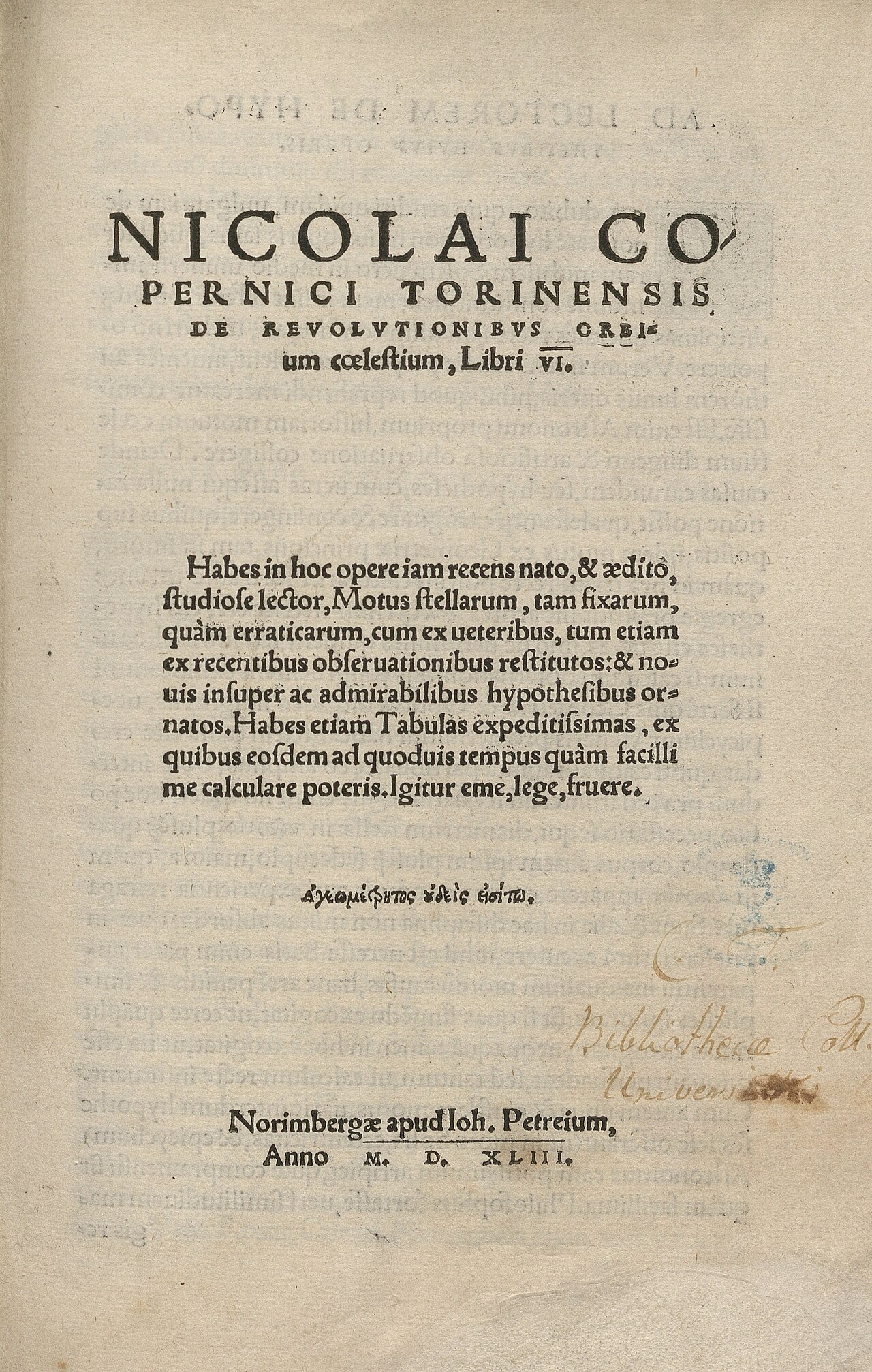 Book
Primary source
De revolutionibus orbium coelestium
Nicolaus Copernicus · 1543
 Painting
Secondary source
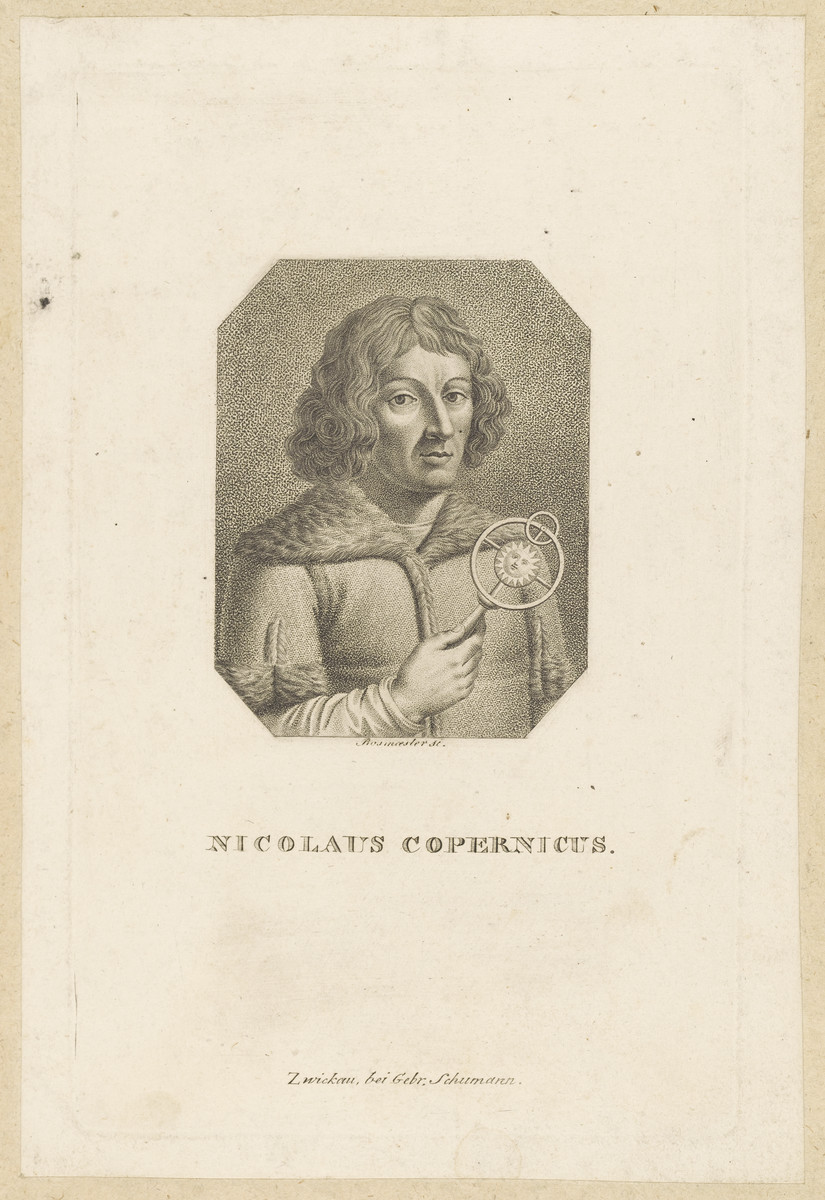
Portrait of Nicolaus Copernicus (Schumann print)
Gebrüder Schumann
 Artifact
Primary source
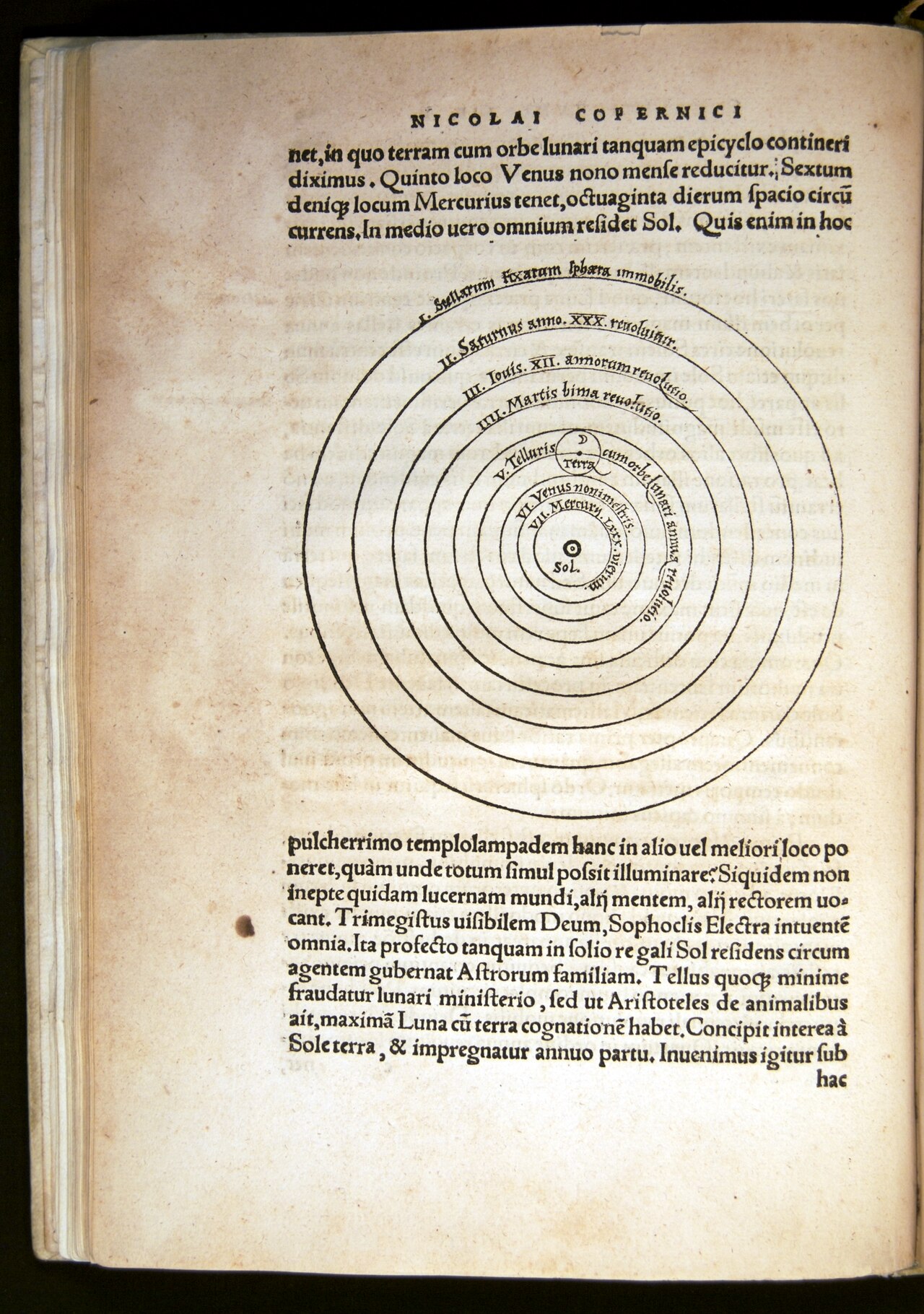
Copernicus's Diagram of the Planetary System
Nicolaus Copernicus · 1543
 Painting
Secondary source
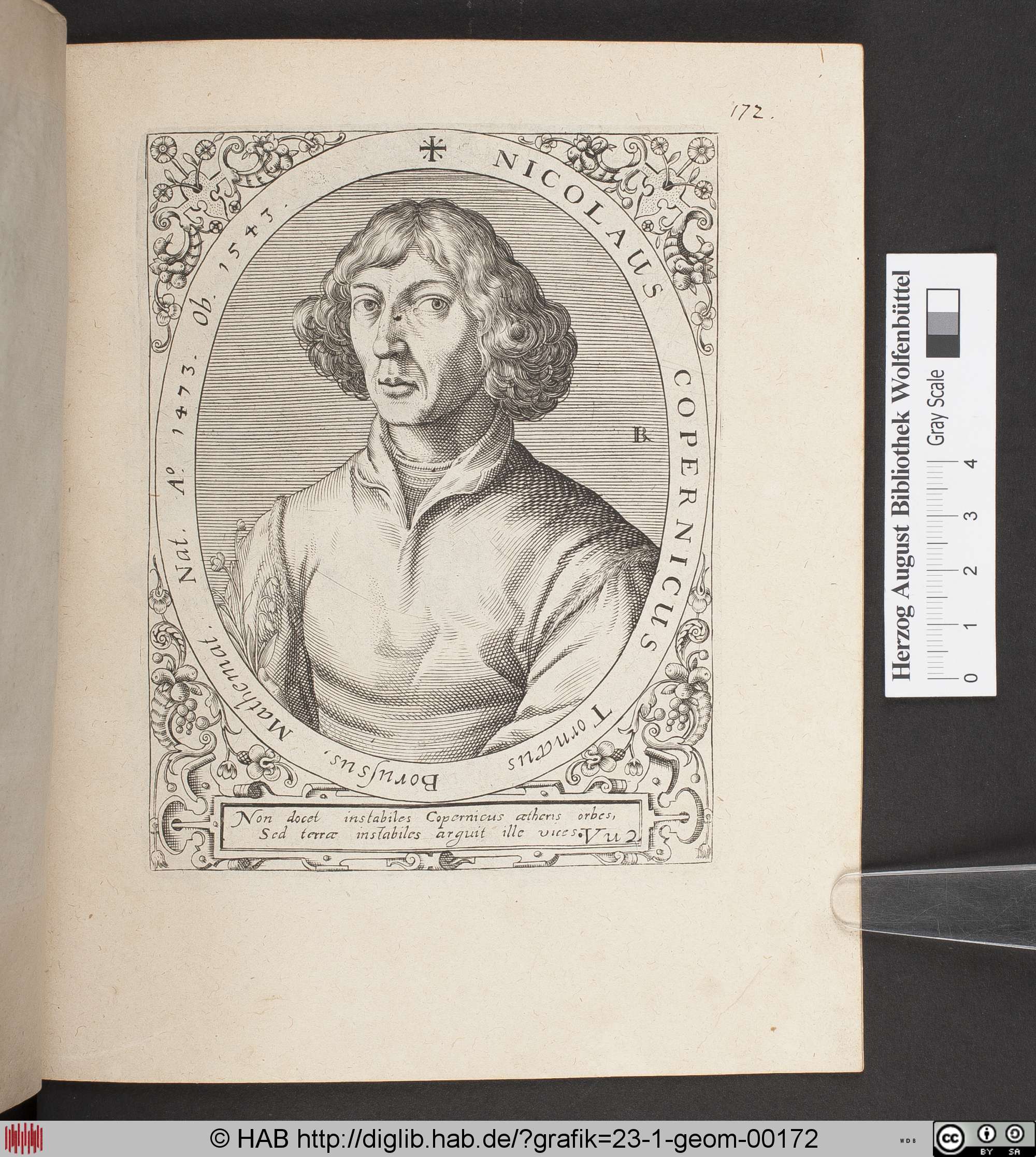
Engraved Portrait of Nicolaus Copernicus (Herzog August Library)
Unbekannt
 Painting
Secondary source
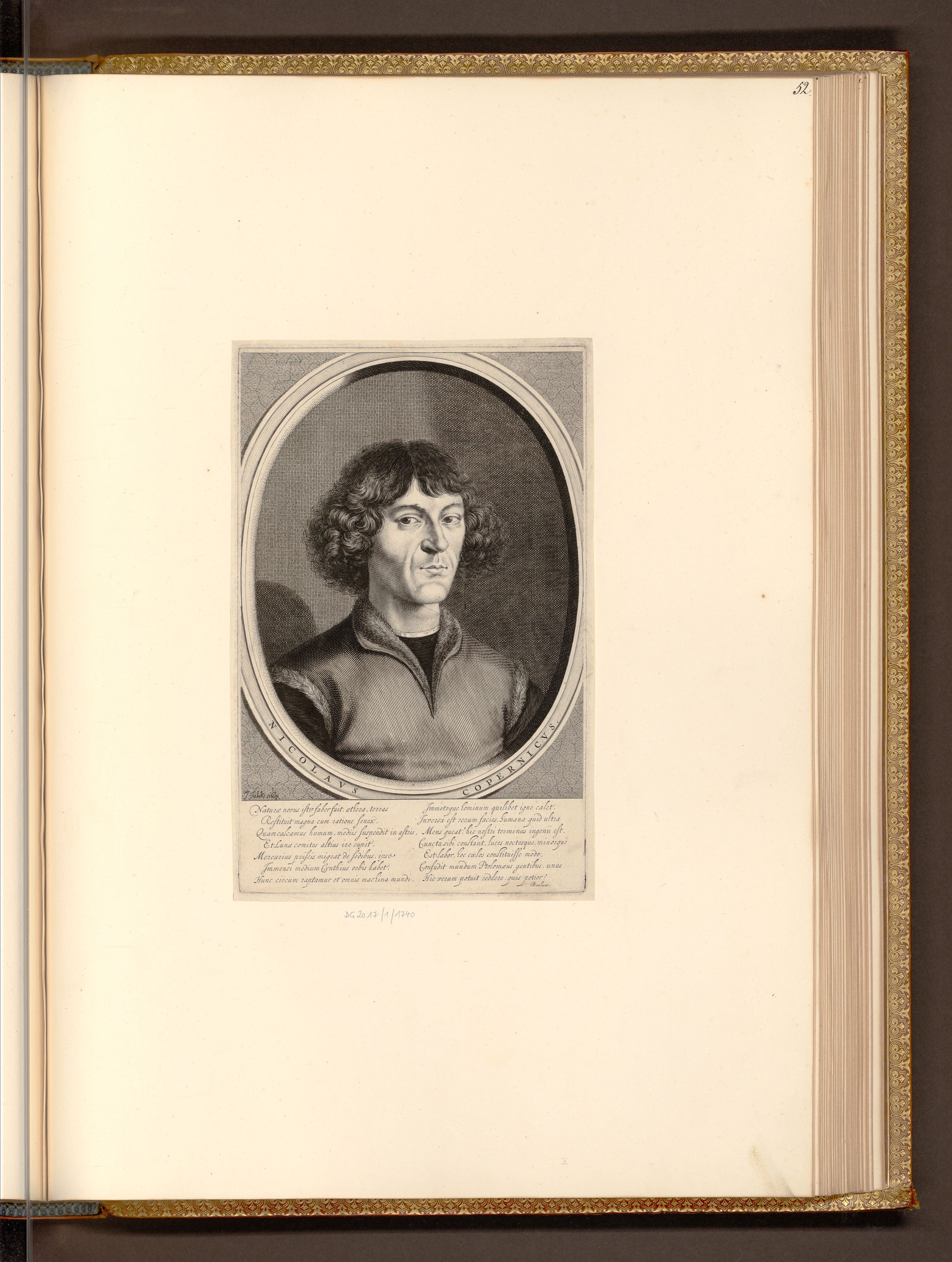
Portrait of Nicolaus Copernicus (Albertina Museum)
Ready when you are
Start chatting with Nicolaus Copernicus now.
20 messages free · No credit card · Available in 50+ languages.