


Secondary sourceDocument1908
The Law of Oresme, Copernicus, and Gresham
Thomas Willing Balch · 1908
A 1908 paper tracing the history of a monetary principle, connecting Copernicus's economic ideas to later economists.
A later study linking Copernicus's monetary ideas to a broader tradition of economic thought.
 PDF · 40 pages
About this source
What it is
This is a paper by Thomas Willing Balch, read before the American Philosophical Society on 23 April 1908. It traces a monetary law across three thinkers: the medieval scholar Nicolas Oresme, Nicolaus Copernicus, and the Elizabethan financier Sir Thomas Gresham.
Why it matters
The paper shows that Copernicus's observations about money and coinage were part of a longer tradition of economic thought, later associated with the famous principle now known as Gresham's Law. It demonstrates how Copernicus's ideas were studied and connected to other thinkers long after his death.
Look closer
- Why might a modern economist look back at writers from such different centuries and countries?
- What does it suggest about Copernicus that his economic ideas are still discussed centuries later?
- What sources did the author use to write this paper, and how reliable might they be?
This document is part of the curated material that grounds the AI version of Nicolaus Copernicus on Humy.ai — when students ask about related events, the AI can quote it and cite it.
More Nicolaus Copernicus sources
Meet the AI Nicolaus Copernicus →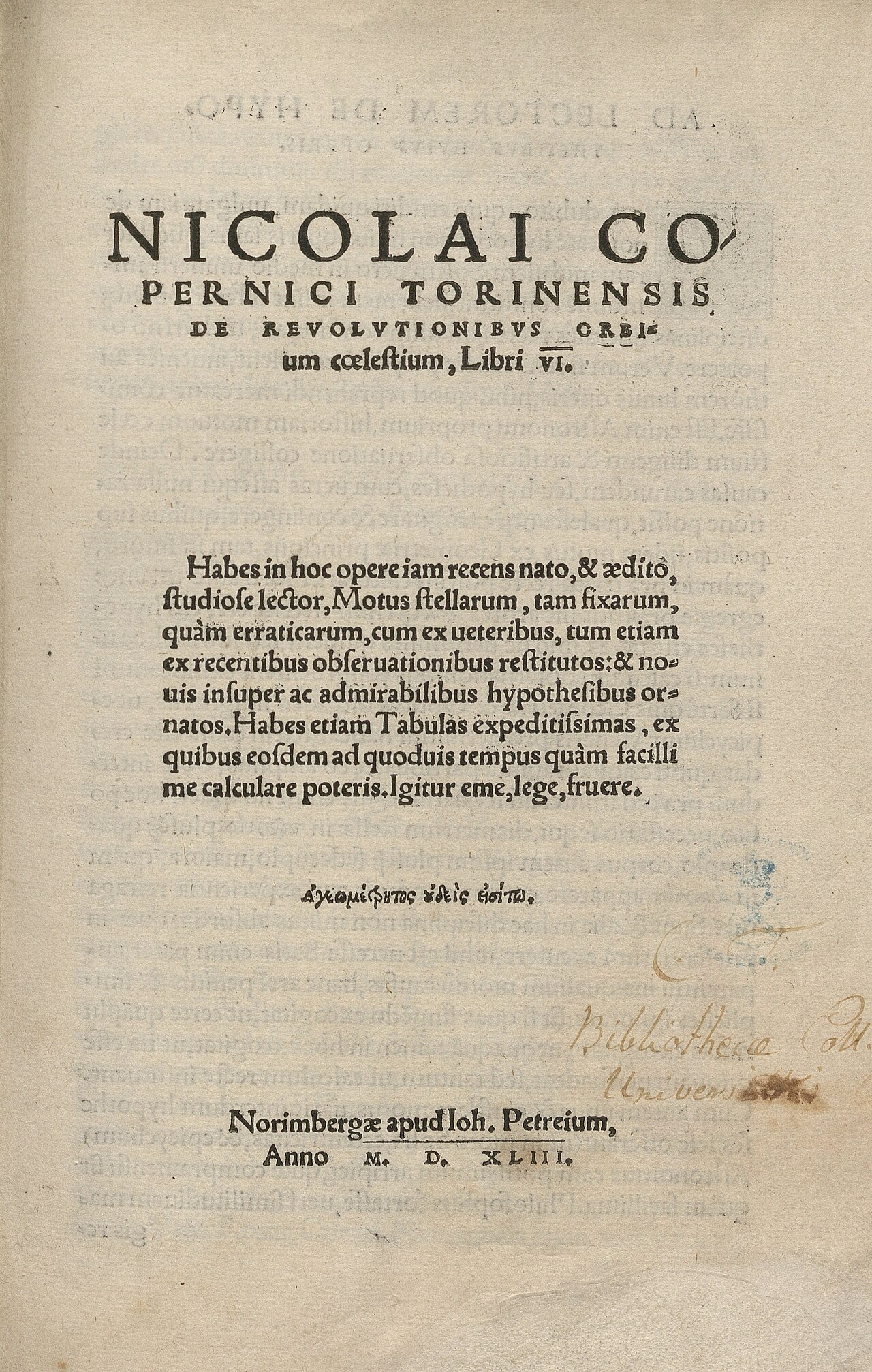 Book
Primary source
De revolutionibus orbium coelestium
Nicolaus Copernicus · 1543
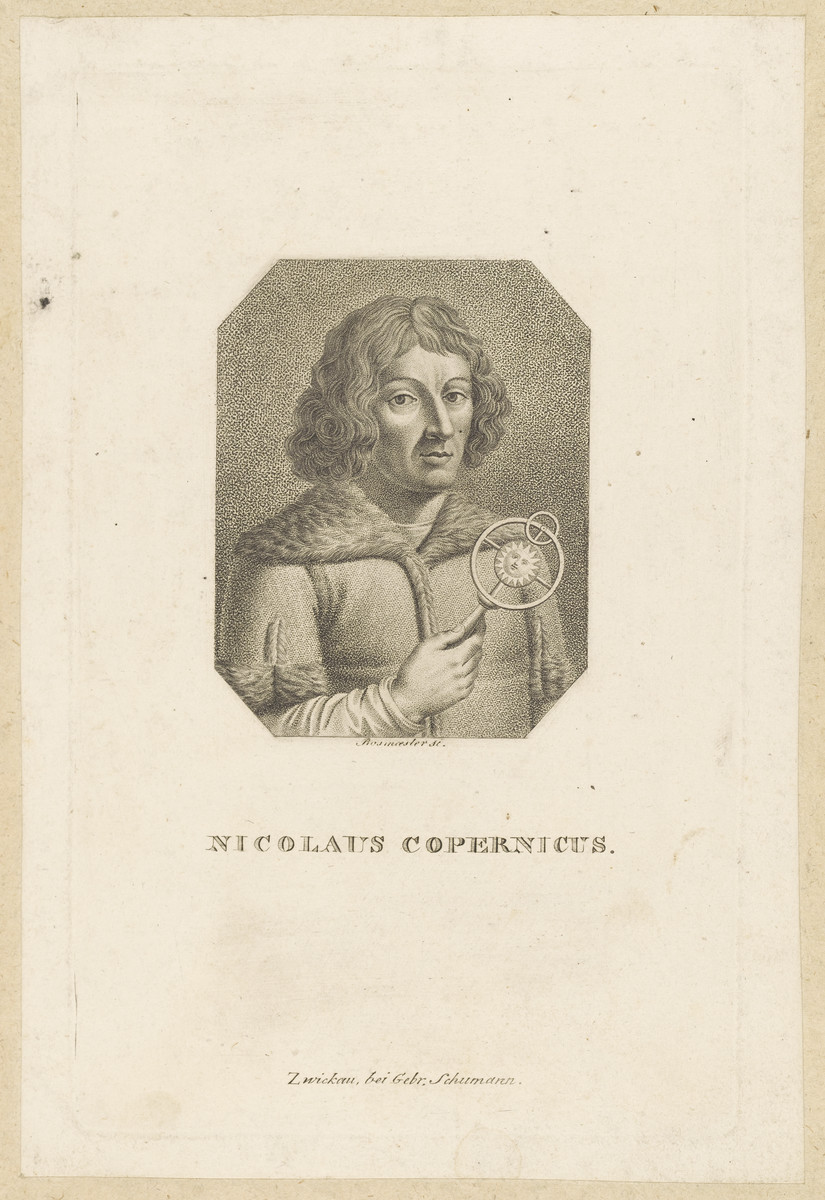 Painting
Secondary source
Portrait of Nicolaus Copernicus (Schumann print)
Gebrüder Schumann
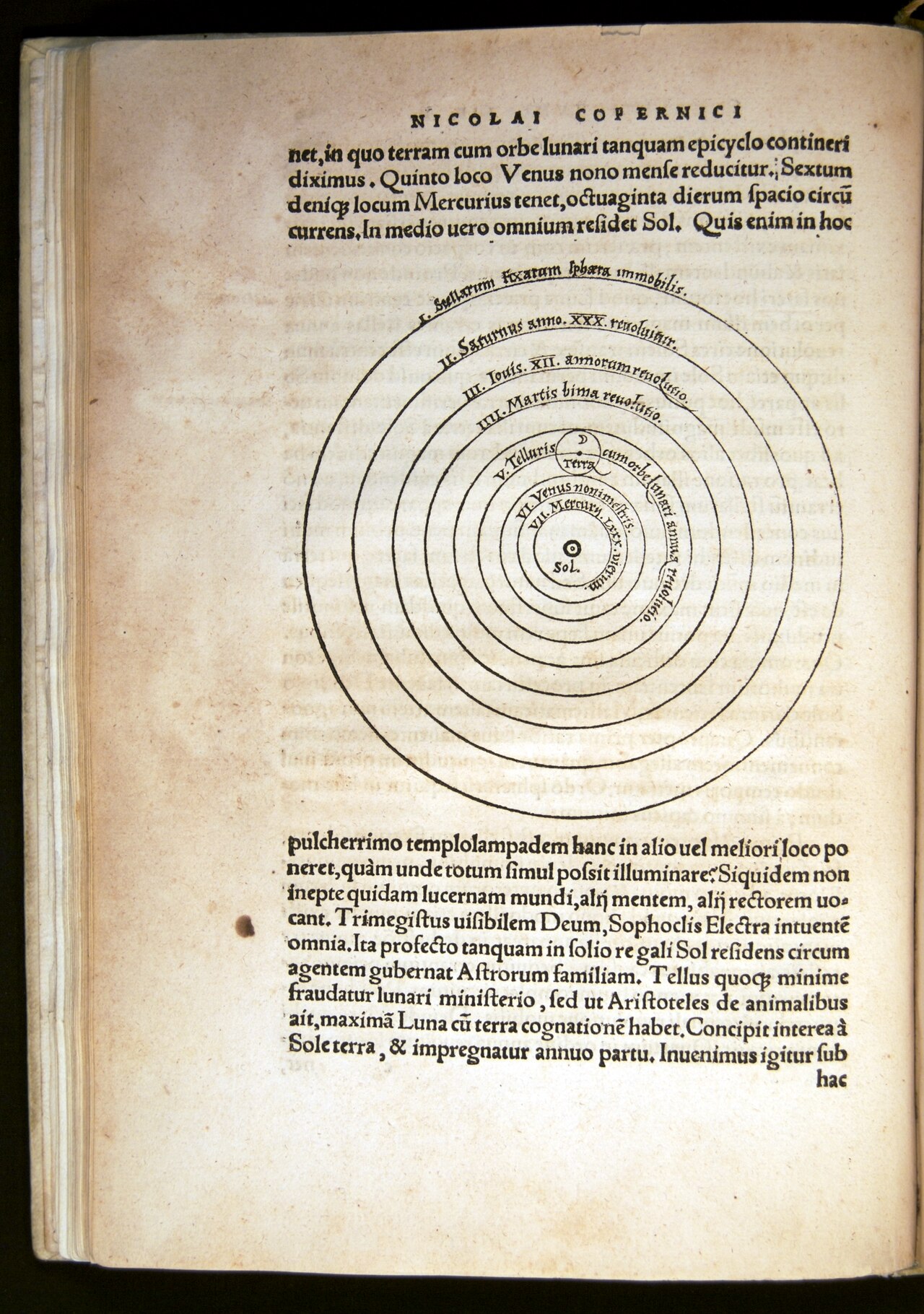 Artifact
Primary source
Copernicus's Diagram of the Planetary System
Nicolaus Copernicus · 1543
 Painting
Secondary source
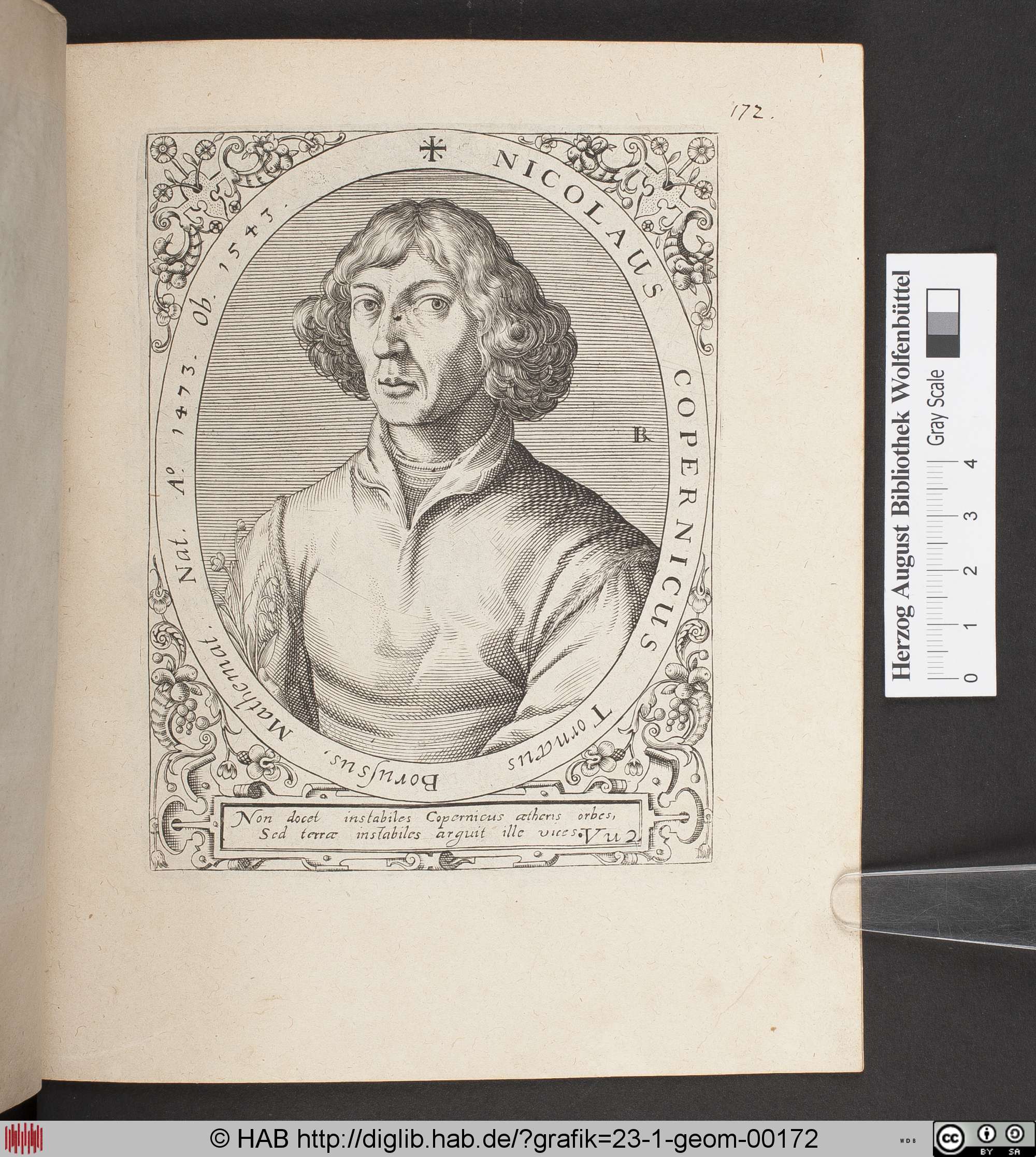
Engraved Portrait of Nicolaus Copernicus (Herzog August Library)
Unbekannt
 Painting
Secondary source
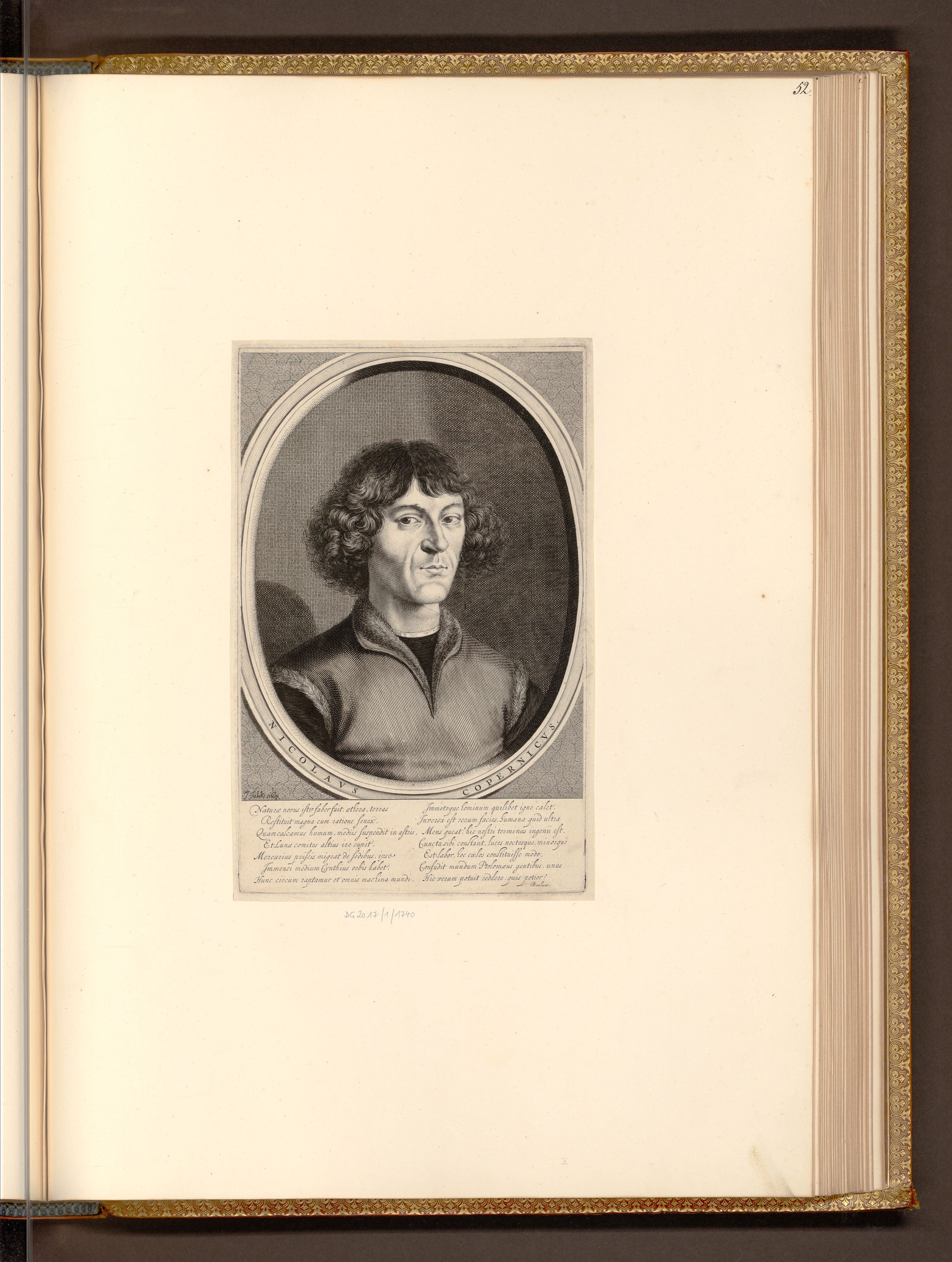
Portrait of Nicolaus Copernicus (Albertina Museum)
Ready when you are
Start chatting with Nicolaus Copernicus now.
20 messages free · No credit card · Available in 50+ languages.