


Secondary sourceSculpture1830
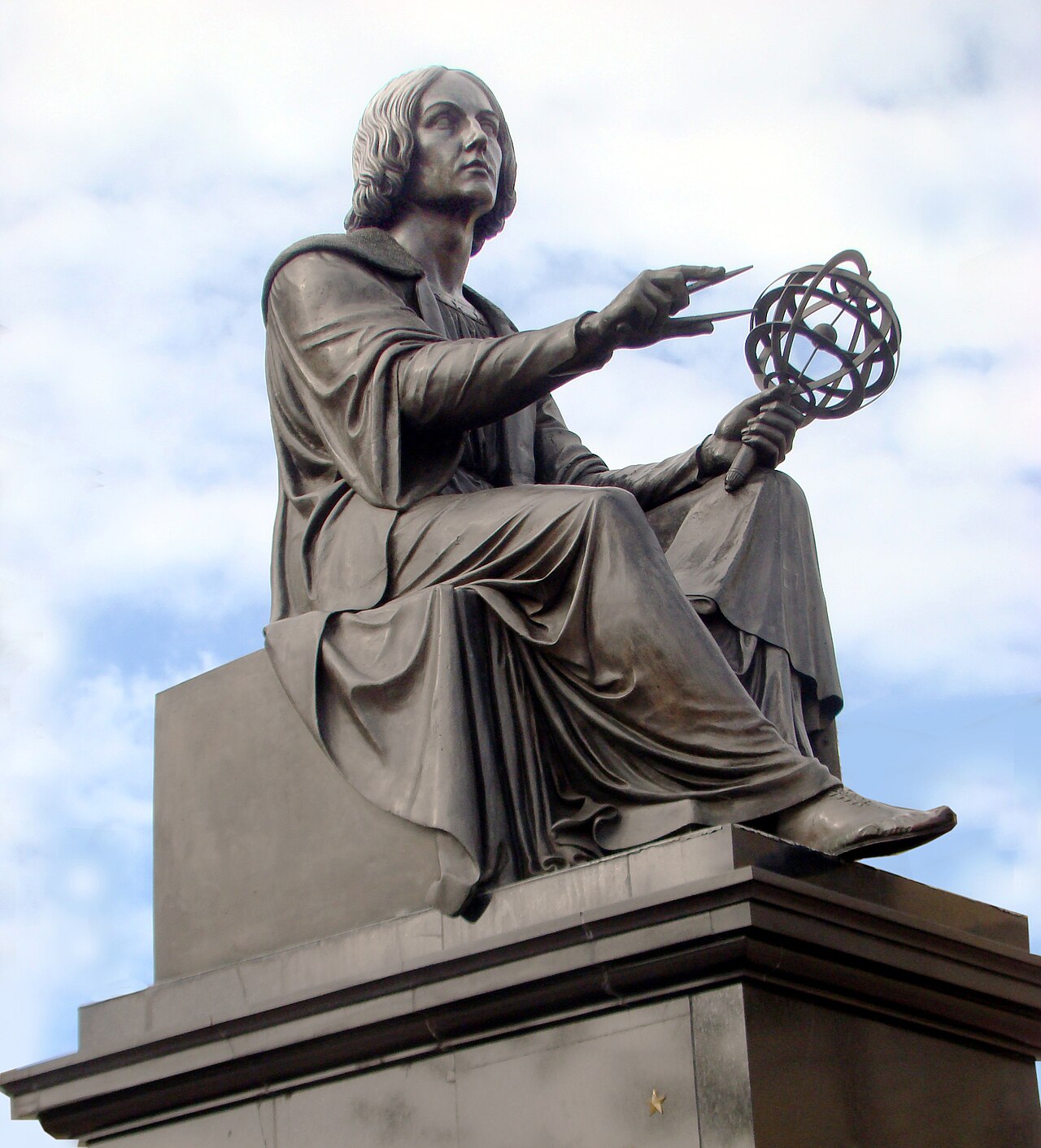
Nicolaus Copernicus Monument in Warsaw
Bertel Thorvaldsen · 1830
A bronze statue of Copernicus by Bertel Thorvaldsen, completed in 1830 and standing before the Staszic Palace in Warsaw.
This monument, a landmark of Polish national memory, became a symbolic battleground over Copernicus's national identity during Nazi occupation.
About this source
What it is
This bronze monument of Nicolaus Copernicus, holding a compass and armillary sphere, was designed by the Danish sculptor Bertel Thorvaldsen in 1822 and erected in Warsaw by 1830. It was funded by public donations and the scientist Stanisław Staszic, and stands before the Staszic Palace, home of the Polish Academy of Sciences.
Why it matters
The monument is a major symbol of Polish national pride in Copernicus. During the Nazi occupation of Warsaw, the Germans replaced its inscriptions with one claiming Copernicus for Germany; Polish resistance fighters removed the plaque in an act of defiance. The statue survived being removed for melting down during the war and was later restored.
Look closer
- Why might different nations have wanted to claim Copernicus as their own?
- What does the history of this statue's inscriptions tell us about how monuments can become political battlegrounds?
- What do the objects Copernicus holds in the statue tell us about how he wanted to be remembered?
This sculpture is part of the curated material that grounds the AI version of Nicolaus Copernicus on Humy.ai — when students ask about related events, the AI can quote it and cite it.
More Nicolaus Copernicus sources
Meet the AI Nicolaus Copernicus →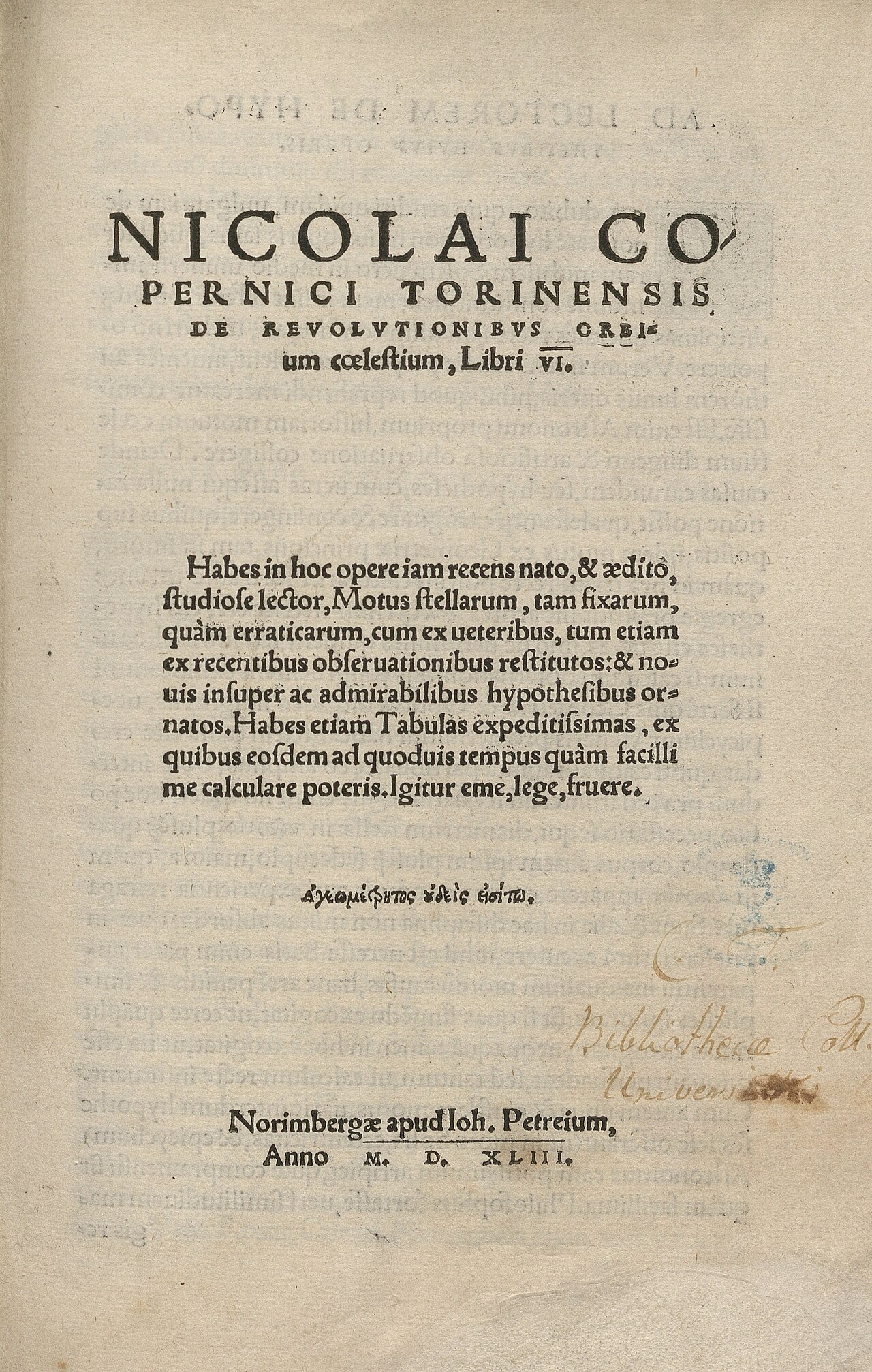 Book
Primary source
De revolutionibus orbium coelestium
Nicolaus Copernicus · 1543
 Painting
Secondary source
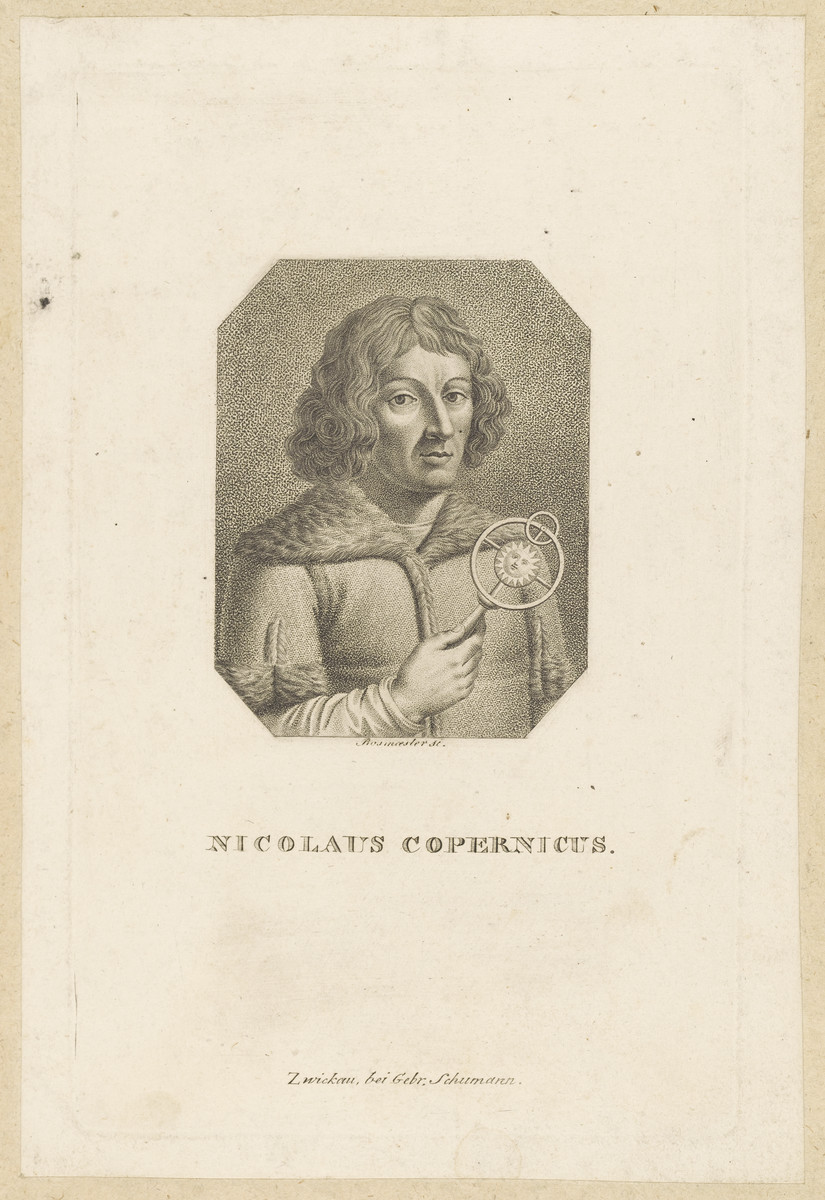
Portrait of Nicolaus Copernicus (Schumann print)
Gebrüder Schumann
 Artifact
Primary source
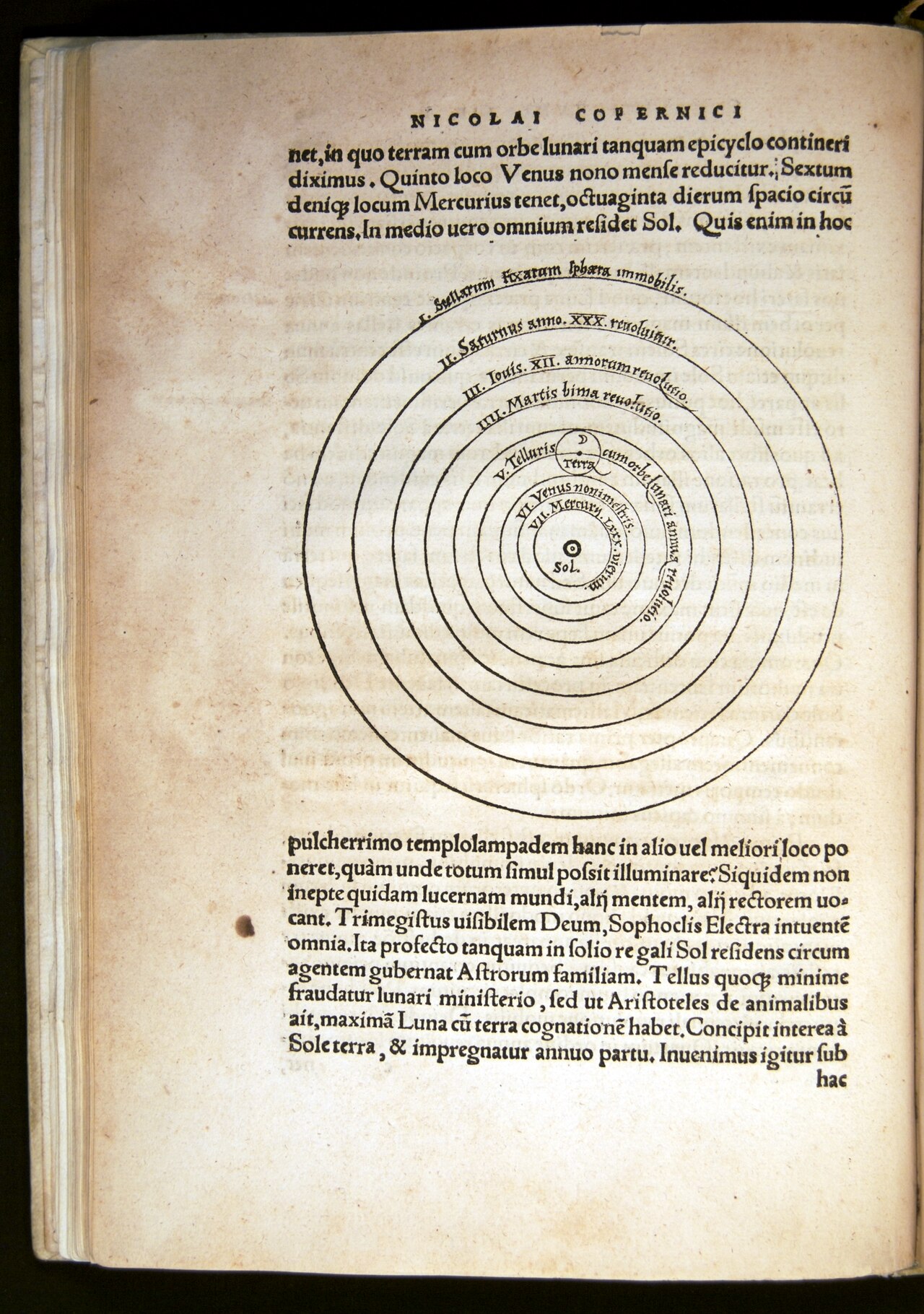
Copernicus's Diagram of the Planetary System
Nicolaus Copernicus · 1543
 Painting
Secondary source
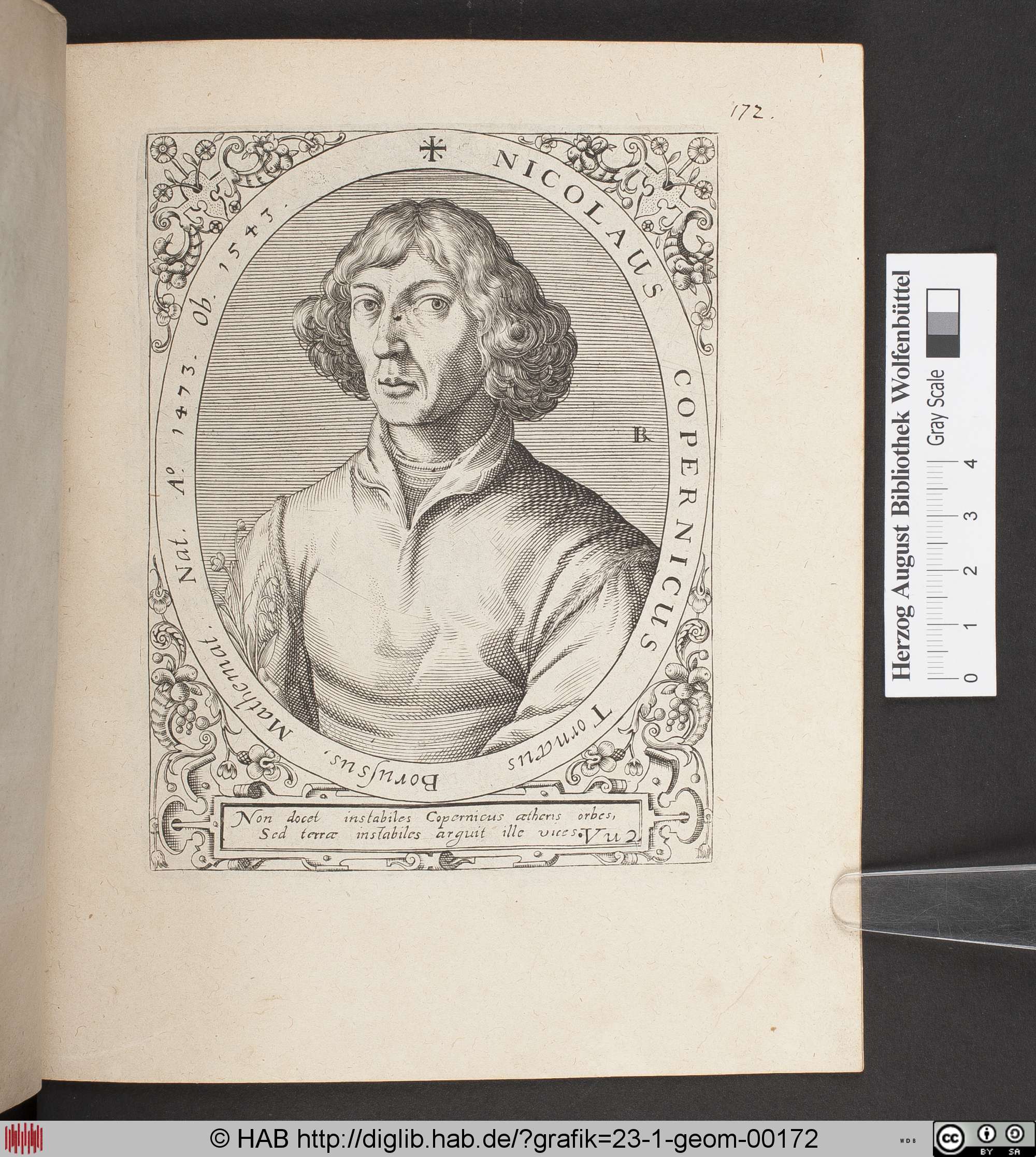
Engraved Portrait of Nicolaus Copernicus (Herzog August Library)
Unbekannt
 Painting
Secondary source
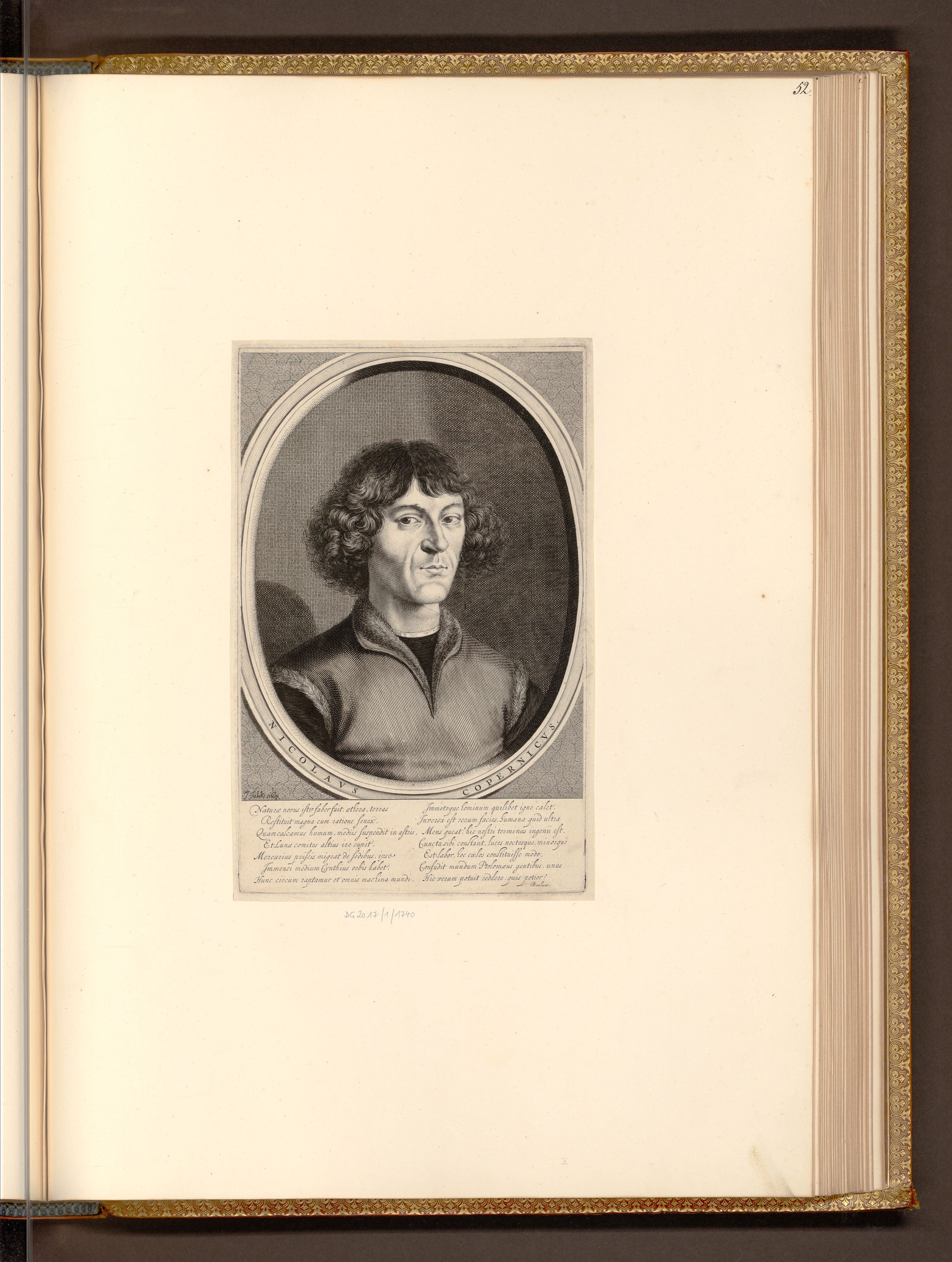
Portrait of Nicolaus Copernicus (Albertina Museum)
Ready when you are
Start chatting with Nicolaus Copernicus now.
20 messages free · No credit card · Available in 50+ languages.