


Primary sourceBook1540
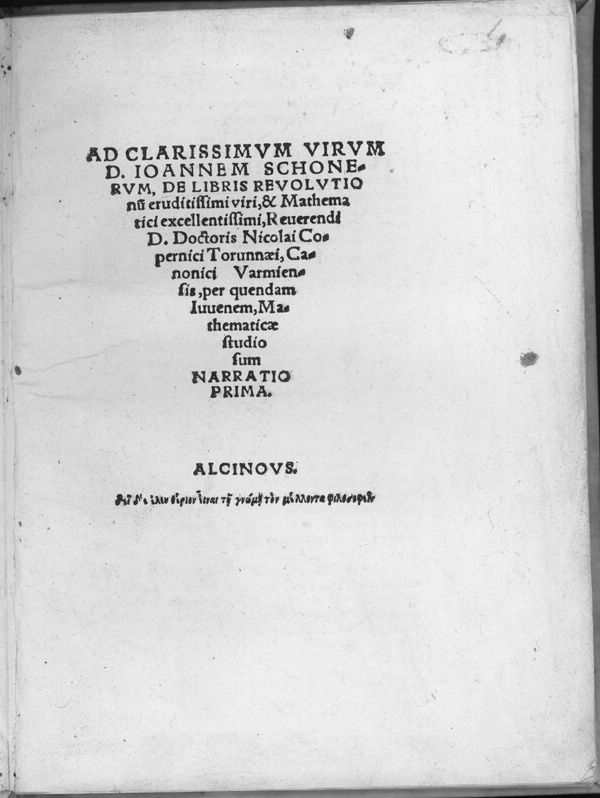
Narratio Prima
Georg Joachim Rheticus · 1540
The first printed account of Copernicus's heliocentric theory, written in 1540 by his pupil Georg Joachim Rheticus.
Written by his only pupil, this book first announced Copernicus's heliocentric theory in print, three years before his own book.
About this source
What it is
The Narratio Prima is a short book written by Georg Joachim Rheticus in 1540 and printed in Danzig. It takes the form of an open letter to the astronomer Johannes Schöner, summarising the theory of Rheticus's teacher, Nicolaus Copernicus.
Why it matters
Rheticus arrived in Frauenburg in 1539 to become Copernicus's only pupil, and this book was the very first printed account of Copernicus's heliocentric ideas, appearing three years before Copernicus's own De revolutionibus. Its favourable reception helped persuade the still-hesitant Copernicus to finally allow his full work to be printed. It later gained renewed importance when Johannes Kepler had it reprinted alongside his own first book decades later.
Look closer
- Why might Copernicus have needed a pupil like Rheticus to help convince him to publish?
- What does it tell us that Copernicus's ideas reached print through a student's account before his own book appeared?
- How might an outsider's summary of a theory differ from the original author's own explanation?
This book is part of the curated material that grounds the AI version of Nicolaus Copernicus on Humy.ai — when students ask about related events, the AI can quote it and cite it.
More Nicolaus Copernicus sources
Meet the AI Nicolaus Copernicus →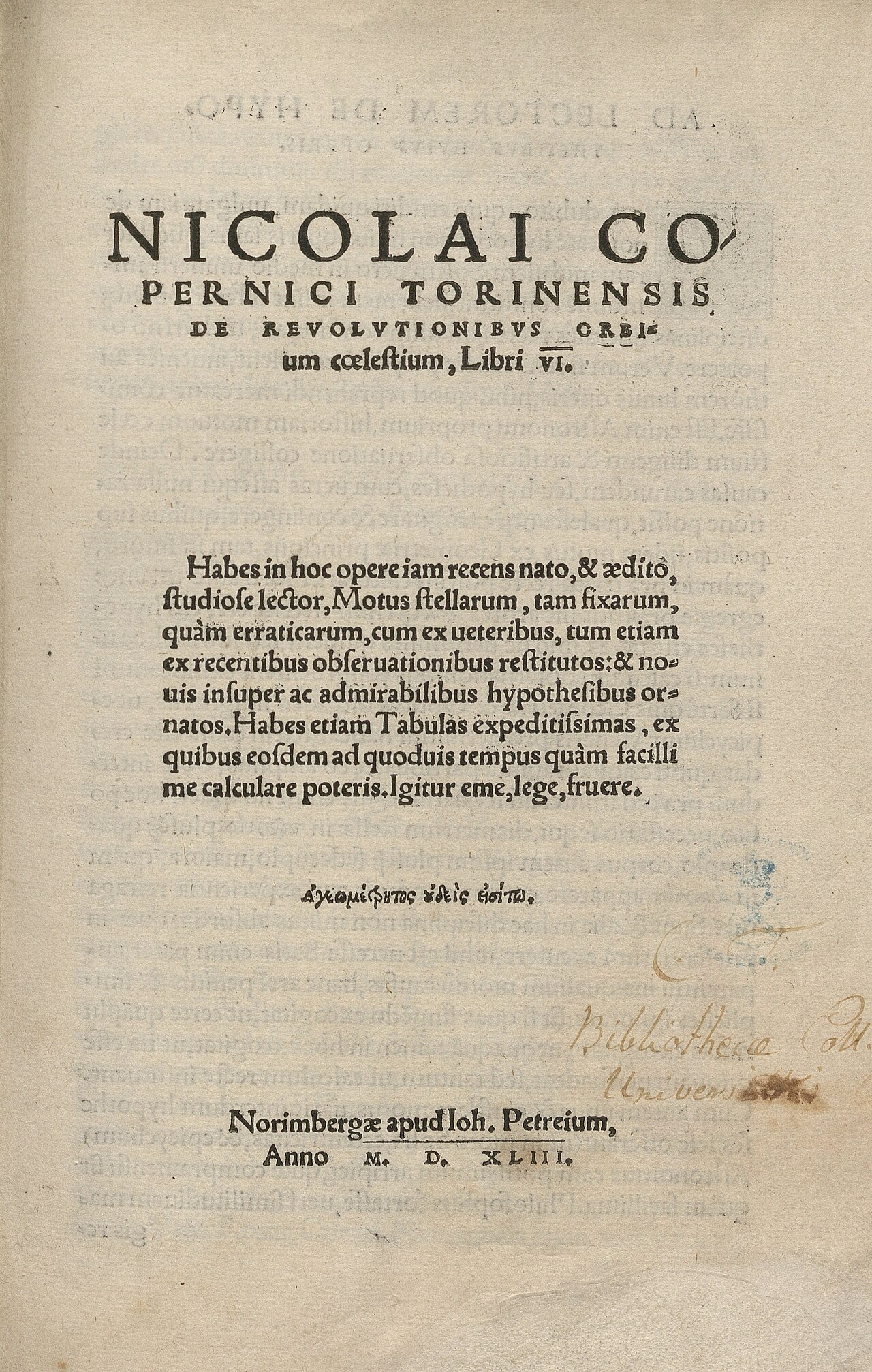 Book
Primary source
De revolutionibus orbium coelestium
Nicolaus Copernicus · 1543
 Painting
Secondary source
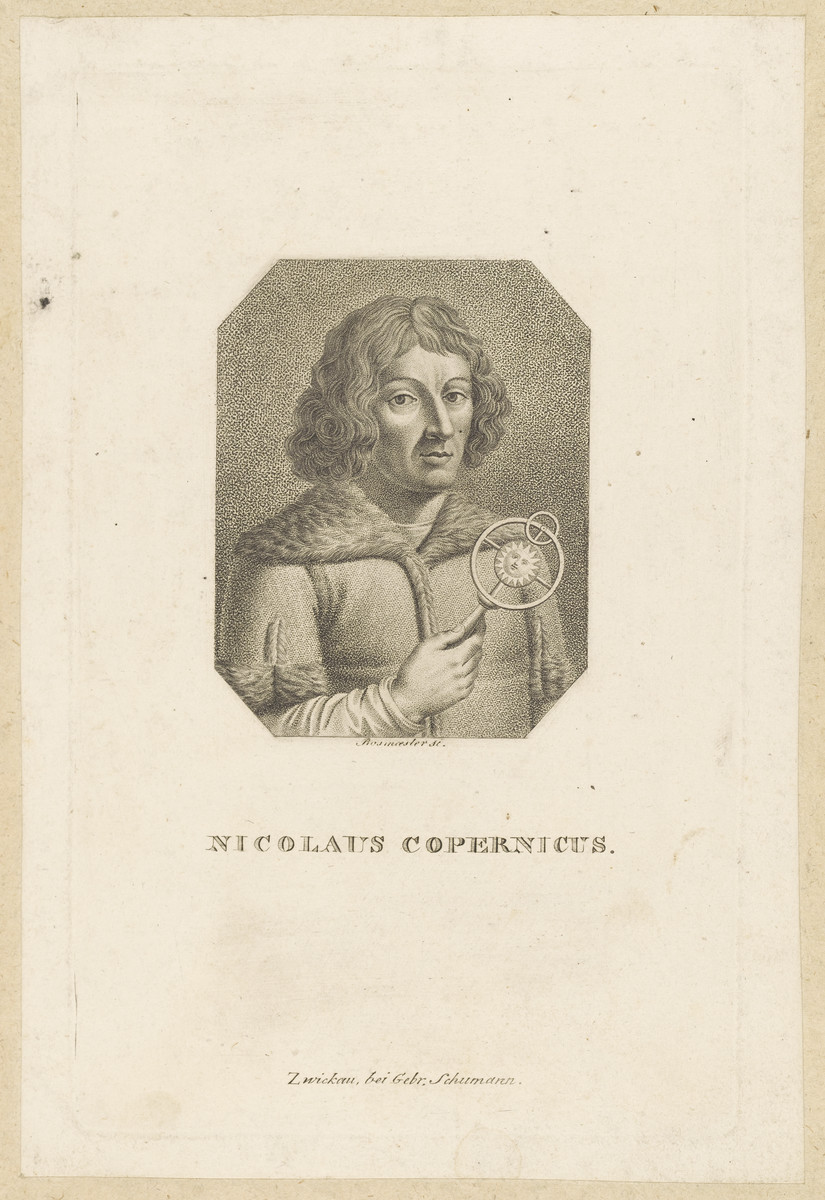
Portrait of Nicolaus Copernicus (Schumann print)
Gebrüder Schumann
 Artifact
Primary source
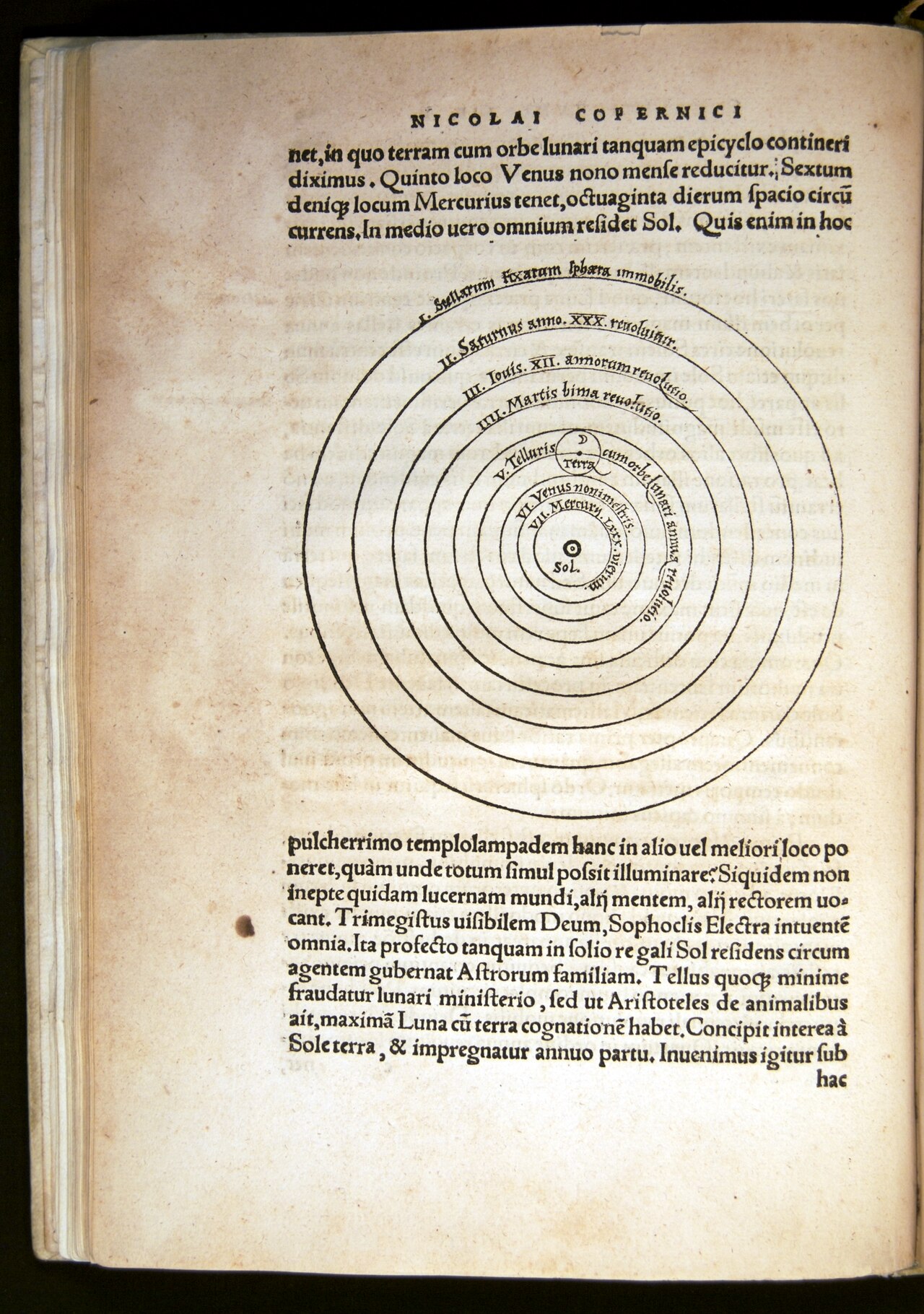
Copernicus's Diagram of the Planetary System
Nicolaus Copernicus · 1543
 Painting
Secondary source
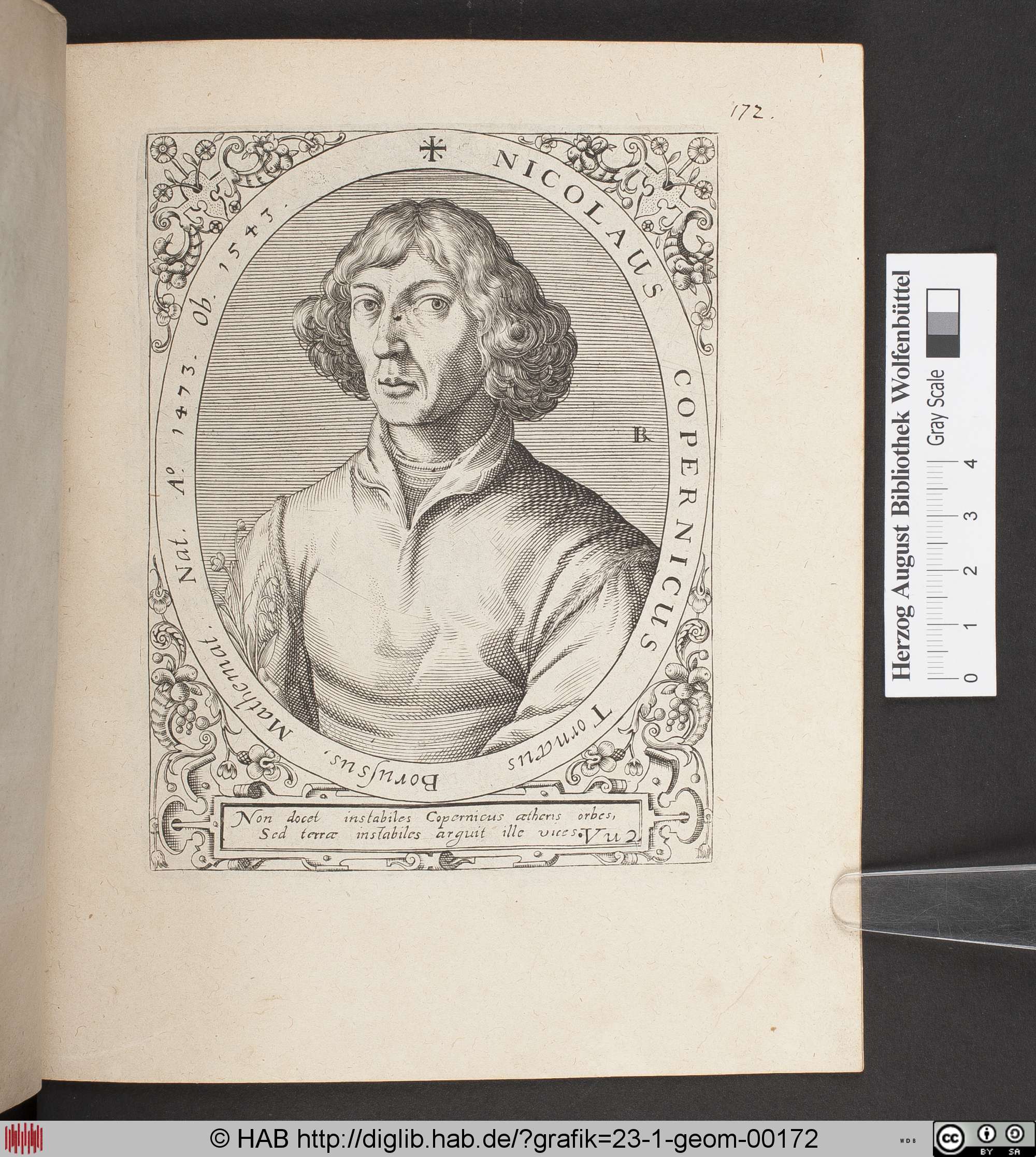
Engraved Portrait of Nicolaus Copernicus (Herzog August Library)
Unbekannt
 Painting
Secondary source
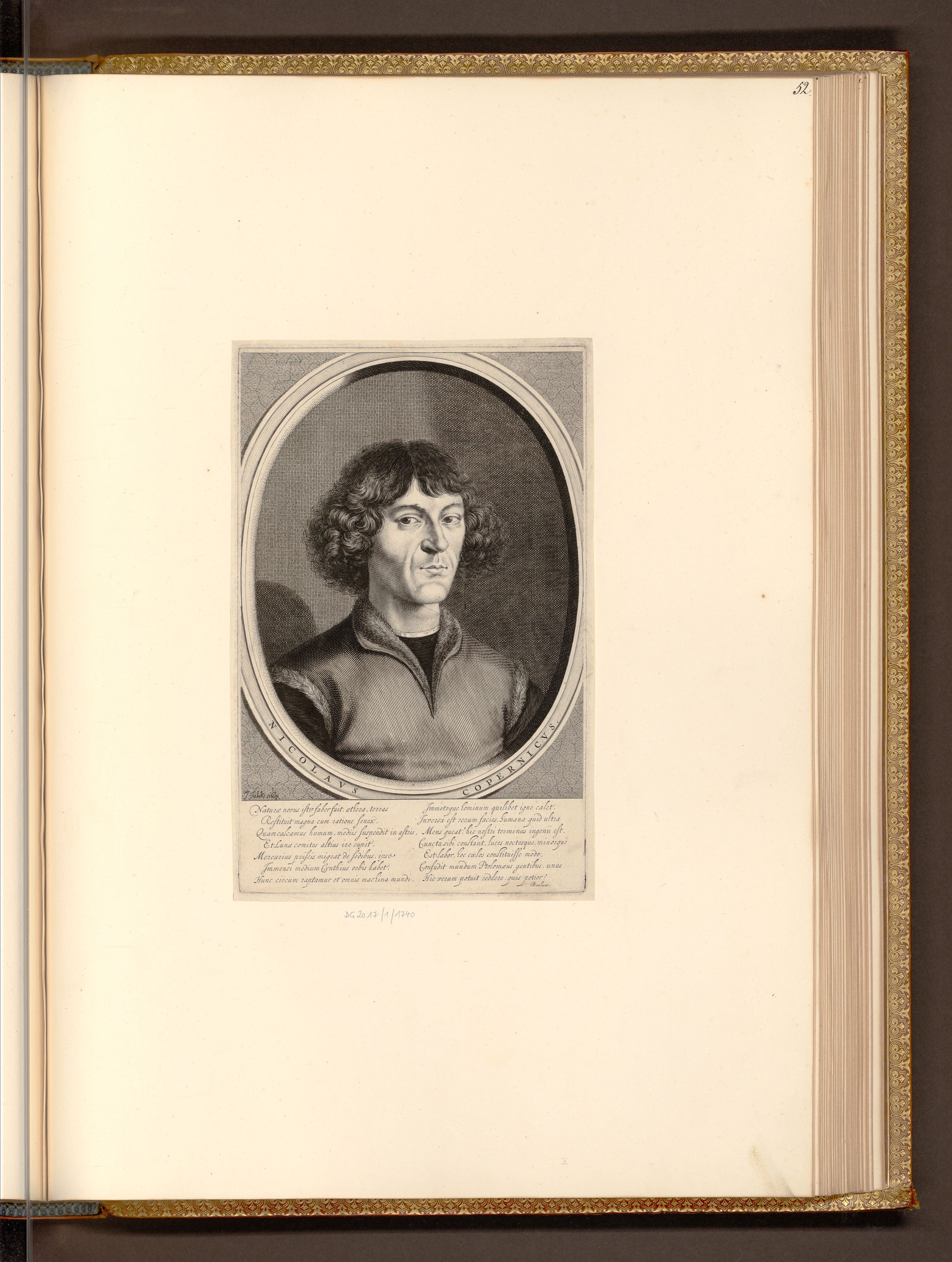
Portrait of Nicolaus Copernicus (Albertina Museum)
Ready when you are
Start chatting with Nicolaus Copernicus now.
20 messages free · No credit card · Available in 50+ languages.