


Primary sourcePainting1913
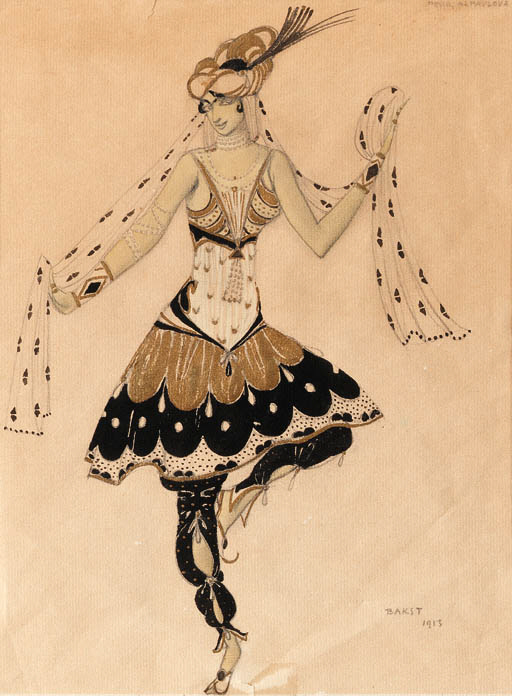
Costume design for Pavlova's Hindu Ballet
Léon Bakst · 1913
A signed costume design by Léon Bakst, made for the Hindu Ballet that Pavlova commissioned for her own dances. It shows a dancer in a feathered turban and sheer veils.
Shows a costume Pavlova commissioned from Bakst for her own Hindu Ballet, revealing her direct role in shaping the production.
About this source
What it is
This is a pencil and watercolor costume design by Léon Bakst, signed 'Bakst 1913' at the lower right. It shows a dancer in a gold and black outfit with a feathered turban. She holds a sheer patterned veil in each hand and wears black ribbon-laced leggings, with one leg raised. The image is a reproduction from Wikimedia Commons, and the record gives its title as 'Costume pour Ballet Hindou pour Anna Pavlova'.
Why it matters
Pavlova commissioned this work for her own production, so the costume shows what she asked for in her dances. Bakst was a designer who worked with the Ballets Russes. His designs helped shape how audiences in the early 1900s imagined other cultures on stage, and this drawing is one example of that work.
Look closer
- Which parts of the costume might a European audience have read as Indian, and why?
- What does the drawing show about movement, such as the raised leg and the veils?
- What does this design leave out, such as the music or the stage setting?
This painting is part of the curated material that grounds the AI version of Anna Pavlova on Humy.ai — when students ask about related events, the AI can quote it and cite it.
More Anna Pavlova sources
Meet the AI Anna Pavlova →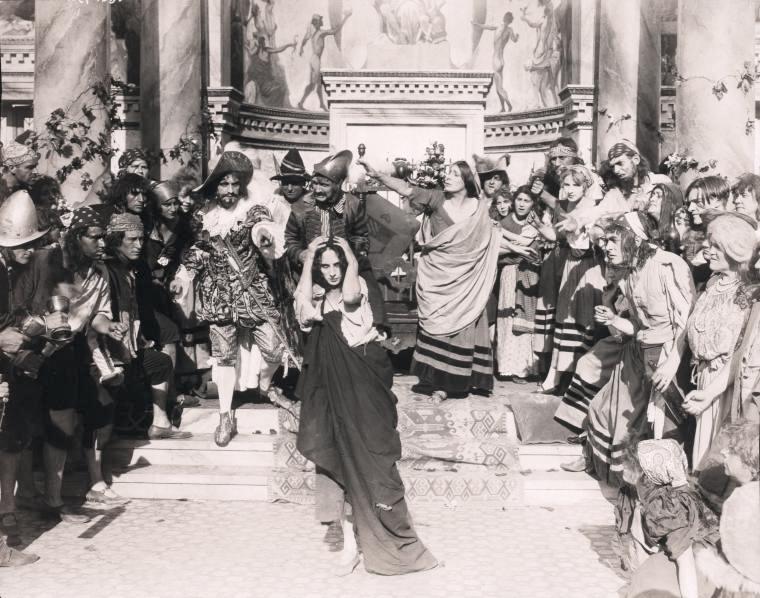 Documentary
Primary source
The Dumb Girl of Portici
Lois Weber and Phillips Smalley · 1916
 Painting
Primary source
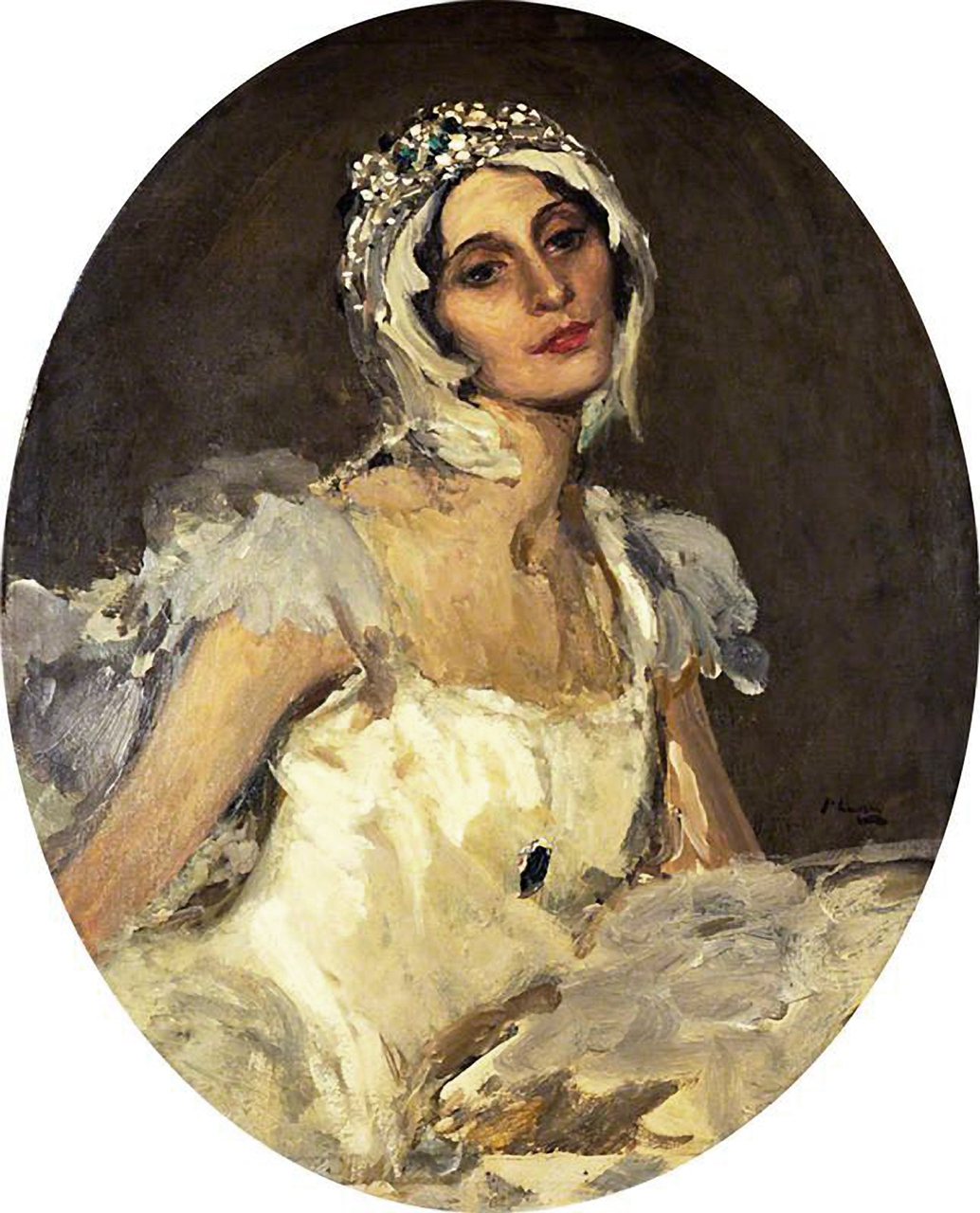
Anna Pavlova as 'The Dying Swan'
John Lavery · 1911
 Photograph
Primary source
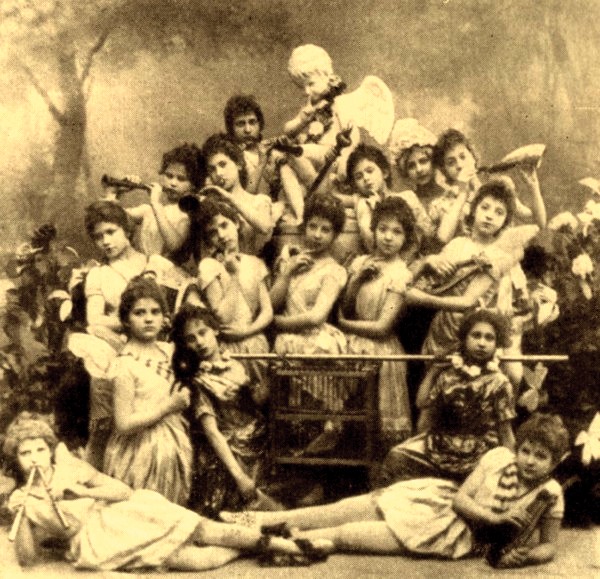
Fairy Tale - Students of the Imperial Ballet School, 1891
Unknown photographer of the Imperial Mariinsky Theatre · 1891
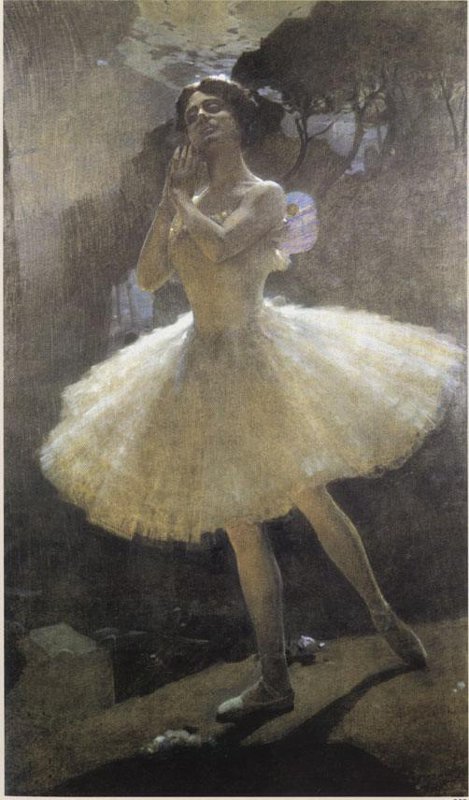 Painting
Primary source
Anna Pavlova as Giselle
Alfred Eberling · 1906
PaintingPrimary source
Anna Pavlova
John Lavery · 1911
Ready when you are
Start chatting with Anna Pavlova now.
20 messages free · No credit card · Available in 50+ languages.