


Primary sourceArtifact1794
Cotton Gin
Eli Whitney · 1794
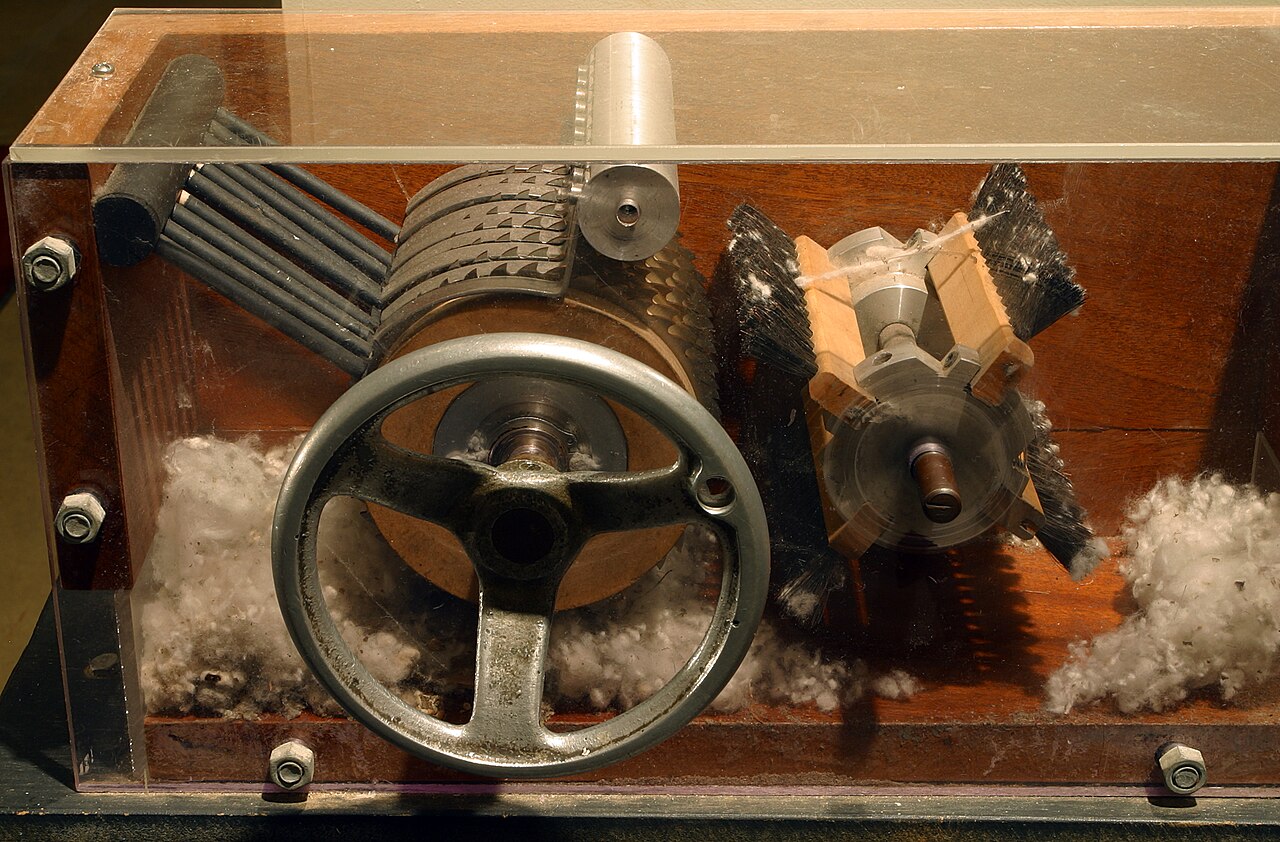
A working model of the machine Whitney patented in 1794 to separate cotton fiber from seeds, which transformed American agriculture and slavery.
Whitney's cotton gin supplied the raw cotton that fed the textile mills Slater built in New England.
About this source
What it is
This is a cotton gin, a machine that separates cotton fibers from seeds using toothed cylinders, a wire screen, and brushes. Eli Whitney patented his improved version in 1794, and a working model is preserved, including one on display at the Eli Whitney Museum.
Why it matters
Before this invention, removing seeds from cotton by hand took enormous labor. Whitney's gin could clean far more cotton in a day, making cotton suddenly profitable on a large scale. Demand for cotton then grew rapidly across the South. But the machine did not reduce the need for enslaved workers to grow and pick the cotton — instead it increased it, since plantation owners expanded their land and enslaved labor to meet rising demand. This makes the cotton gin a key example of how a single technology could reshape an economy and deepen slavery at the same time.
Look closer
- Why might reducing one kind of labor increase the demand for another?
- What parts of the machine can you identify from the description?
- What does this object leave out about the people most affected by it?
This artifact is part of the curated material that grounds the AI version of Samuel Slater and Eli Whitney on Humy.ai — when students ask about related events, the AI can quote it and cite it.
More Samuel Slater sources
Meet the AI Samuel Slater →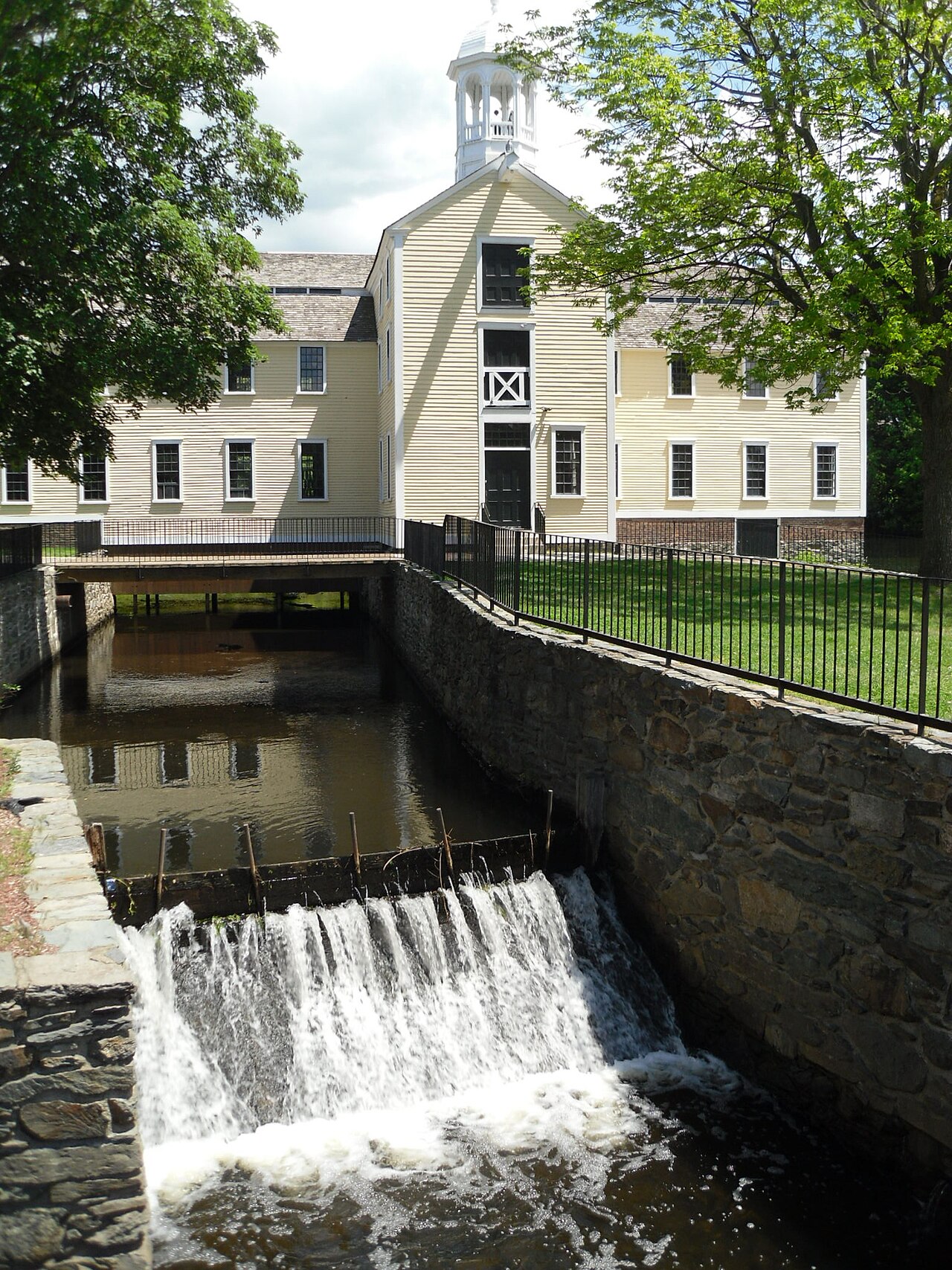 Artifact
Secondary source
Slater Mill Historic Site
Samuel Slater · 1955 (museum opening); mill built 1793
 Artifact
Secondary source
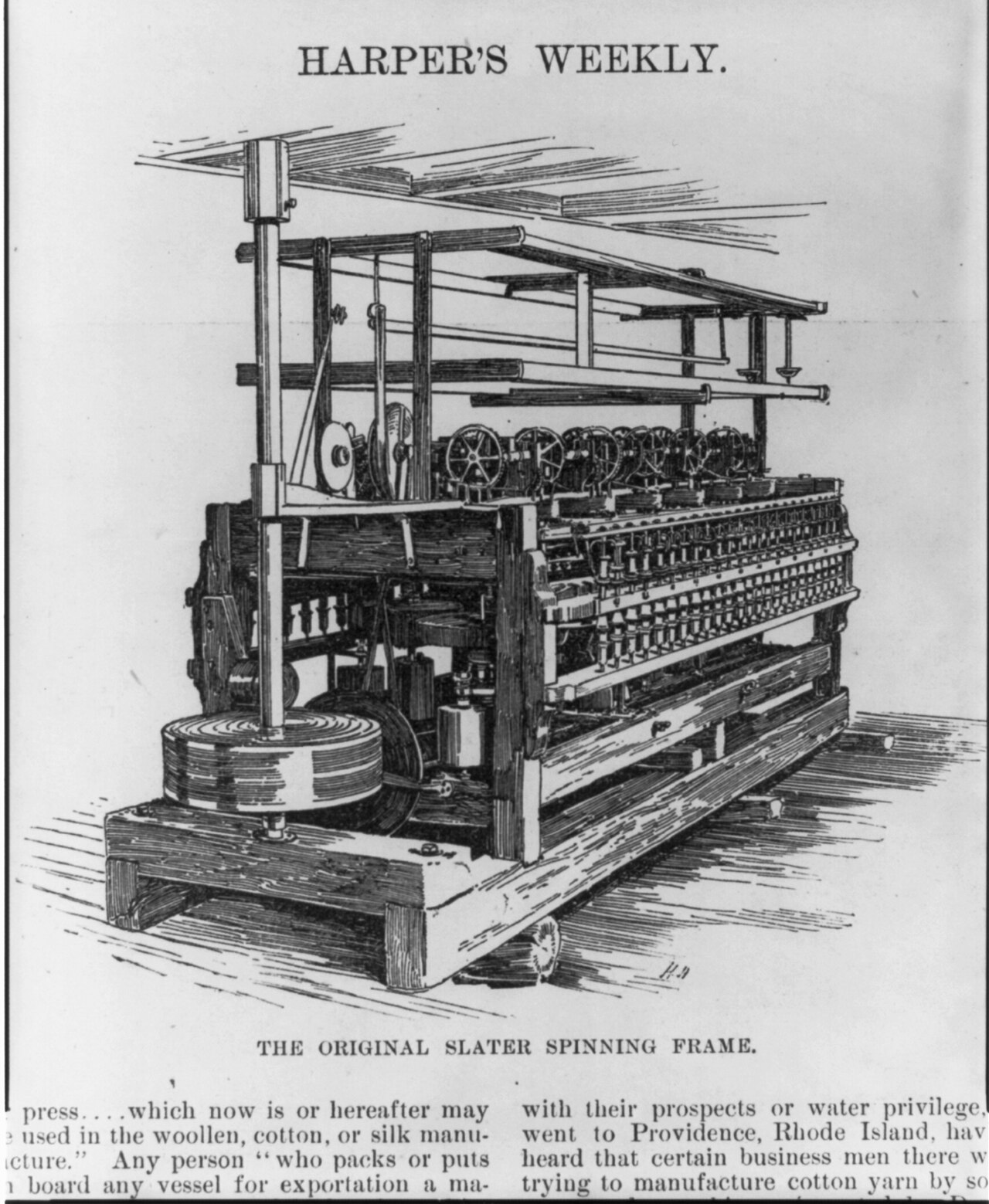
Slater Spinning Frame
Samuel Slater · c. 1790
 Photograph
Secondary source
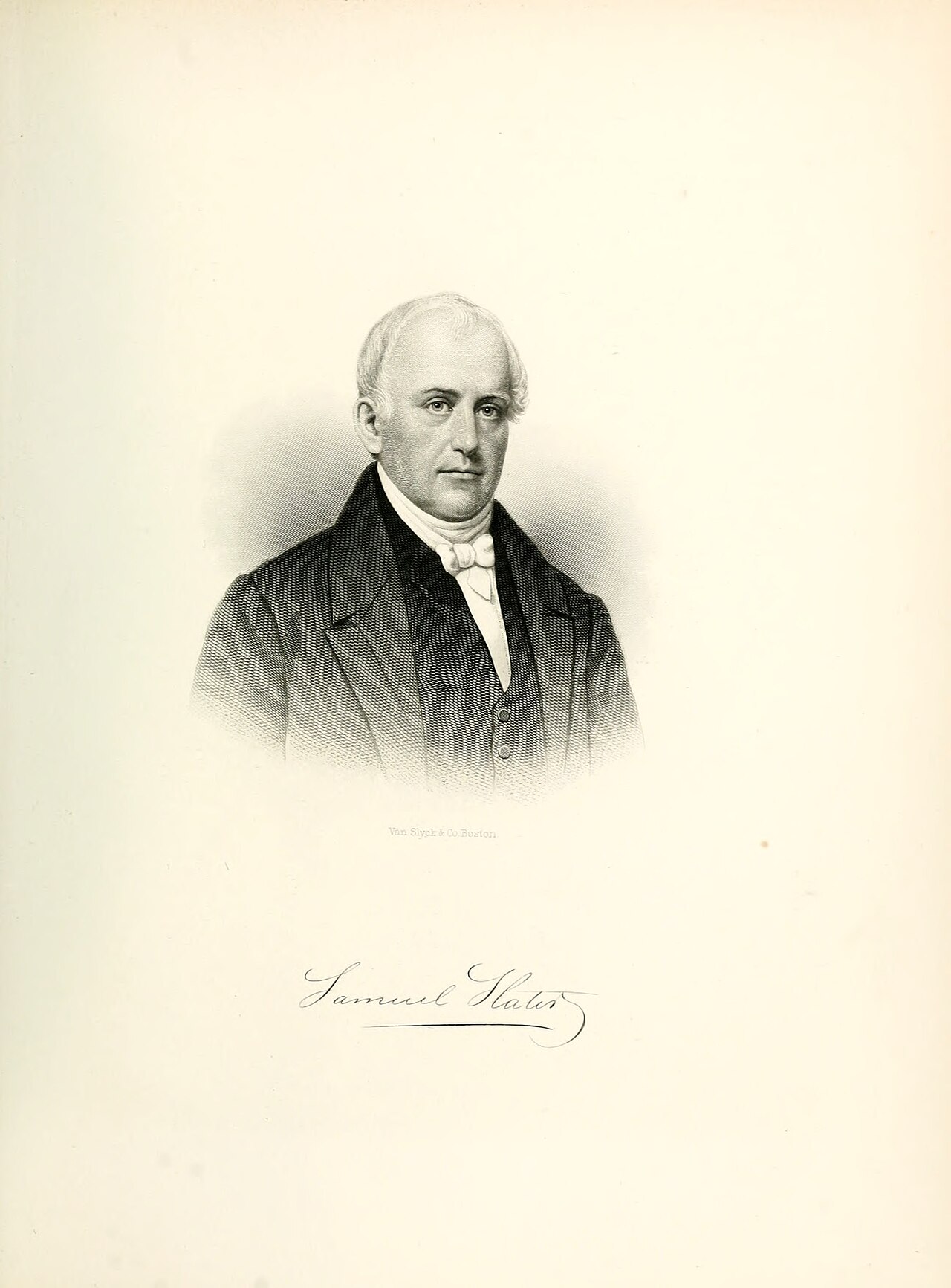
Samuel Slater Biographical Engraving
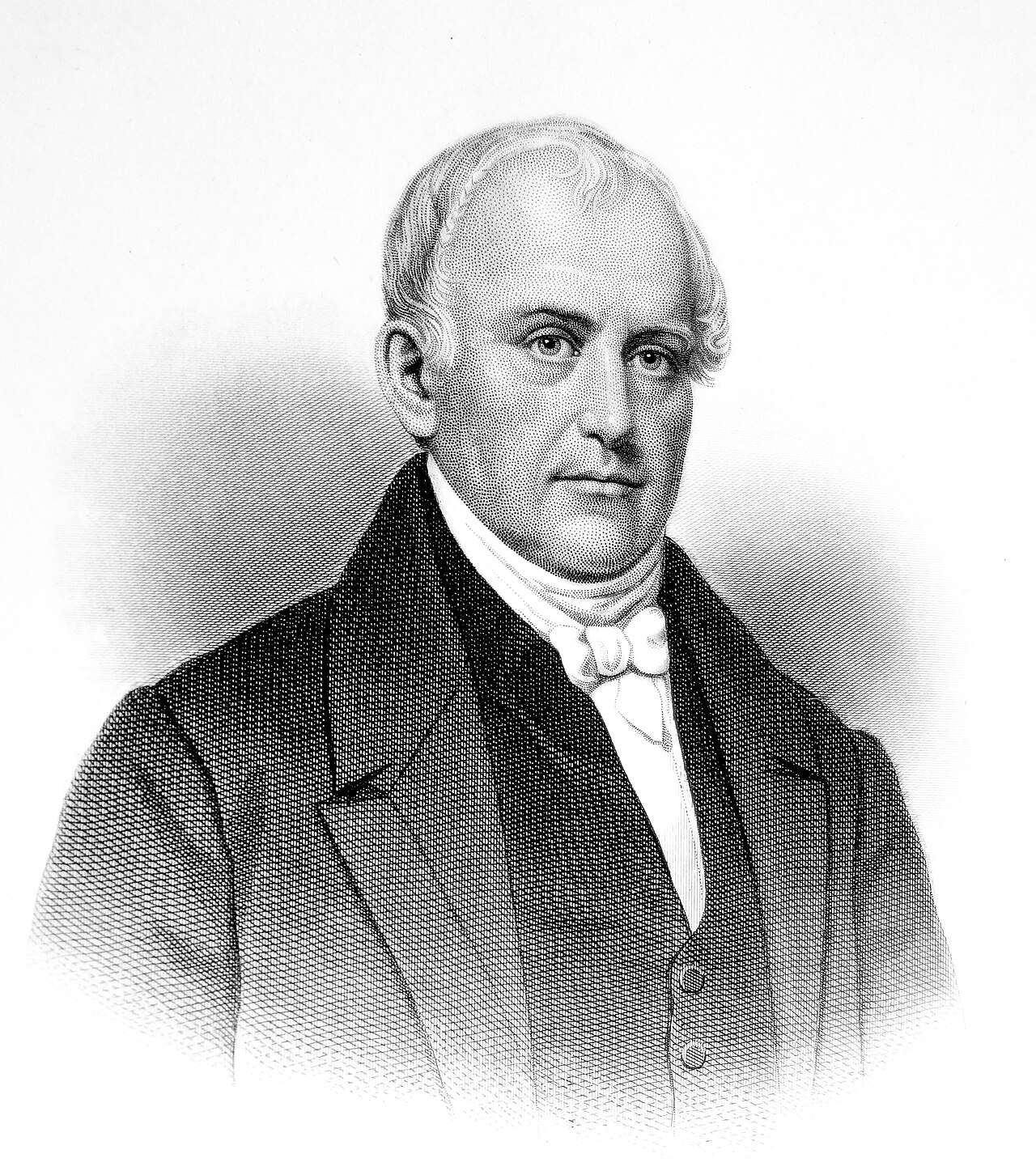 Painting
Secondary source
Samuel Slater, Industrialist
National Biographical Publishing Company
 Document
Primary source
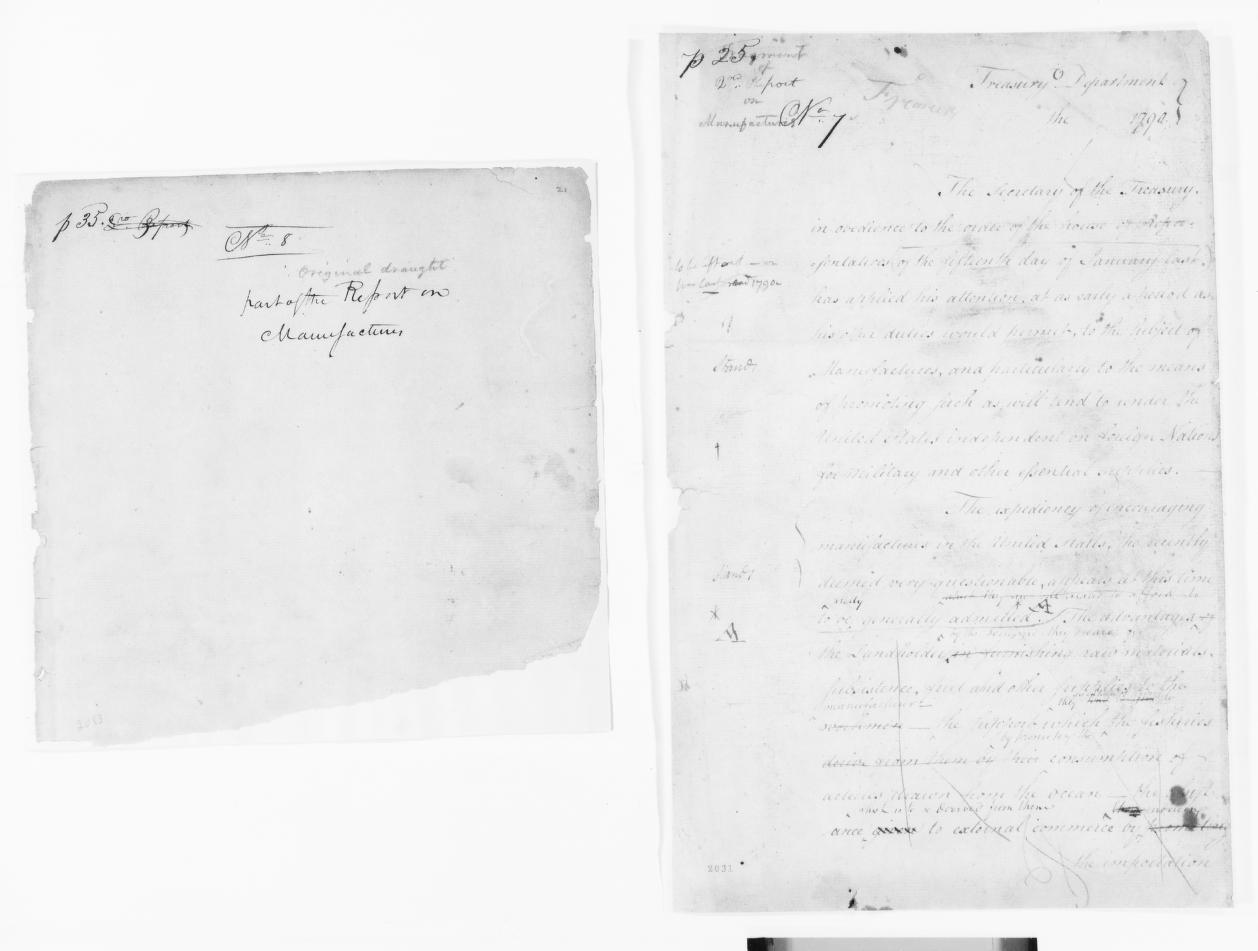
Report on Manufactures
Alexander Hamilton · 5 December 1791
Ready when you are
Start chatting with Samuel Slater now.
20 messages free · No credit card · Available in 50+ languages.