


Secondary sourceArtifact
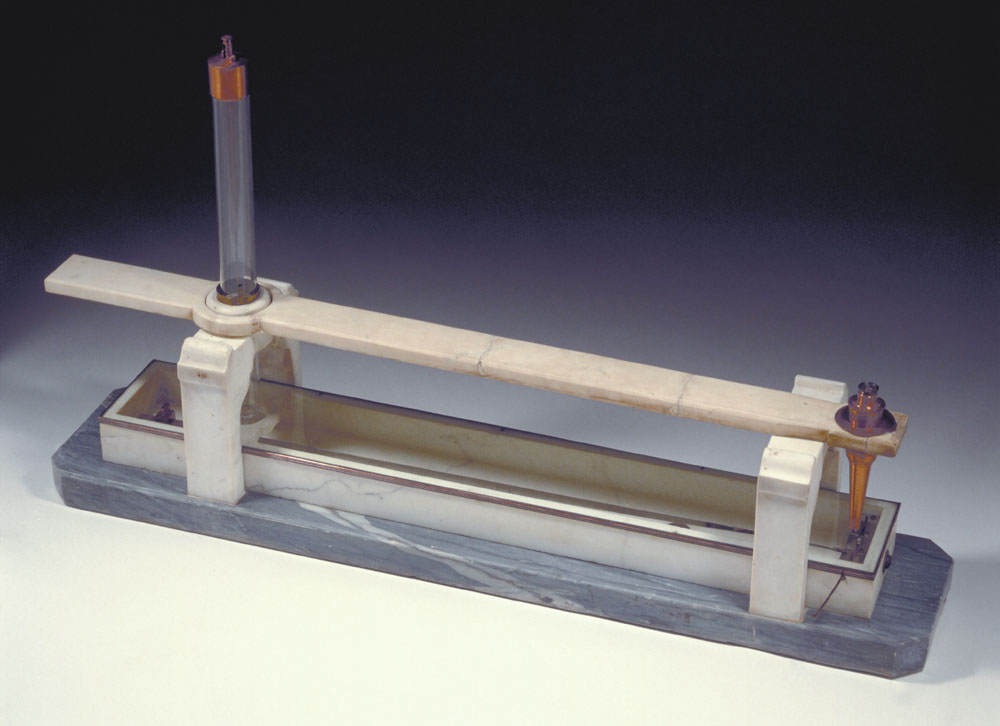
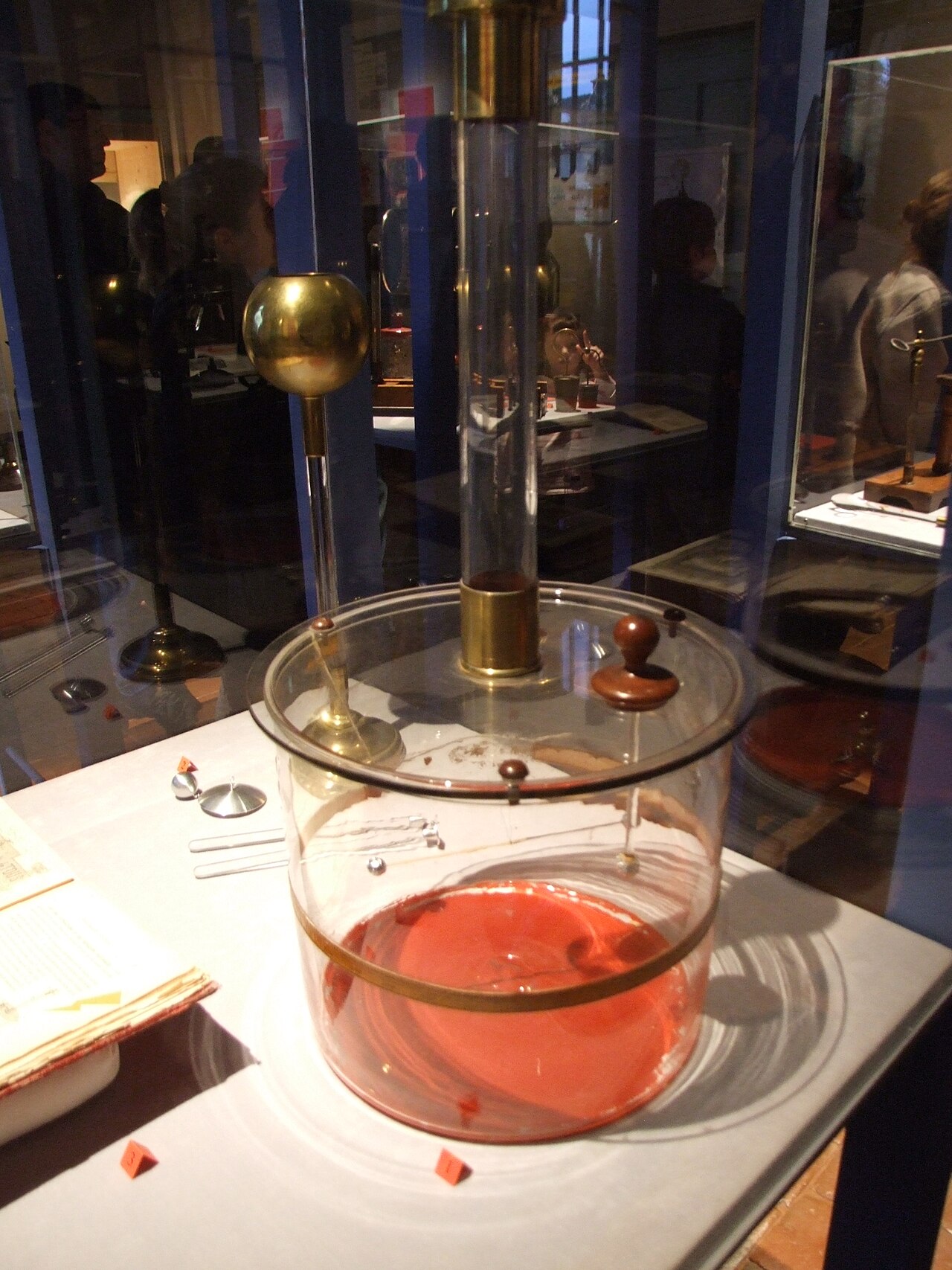
Coulomb-type Declinometer
A surviving magnetic declinometer of the Coulomb type, showing how his instrument designs spread into later scientific apparatus.
This instrument descends from Coulomb's compass-needle designs, showing the lasting influence of his instrument-making.
About this source
What it is
This photograph shows a Coulomb-type declinometer held at the Museo Galileo, made of marble and glass with a horizontal balanced beam, a glass tube, and a glass trough. It was provided to Wikimedia Commons by the museum as part of a GLAM-WIKI project with Wikimedia Italia.
Why it matters
Declinometers measure magnetic directions, and this instrument's design is based on the compass-needle methods developed by Charles-Augustin de Coulomb. Its survival in a museum collection shows how Coulomb's approach to delicate measurement influenced instrument-making long after his own experiments.
Look closer
- What materials was this instrument built from, and why might those materials have been chosen?
- How is this instrument similar to or different from the torsion balance Coulomb himself used?
- Why do museums preserve scientific instruments rather than just written descriptions of them?
This artifact is part of the curated material that grounds the AI version of Charles-Augustin de Coulomb on Humy.ai — when students ask about related events, the AI can quote it and cite it.
More Charles-Augustin de Coulomb sources
Browse all 20 →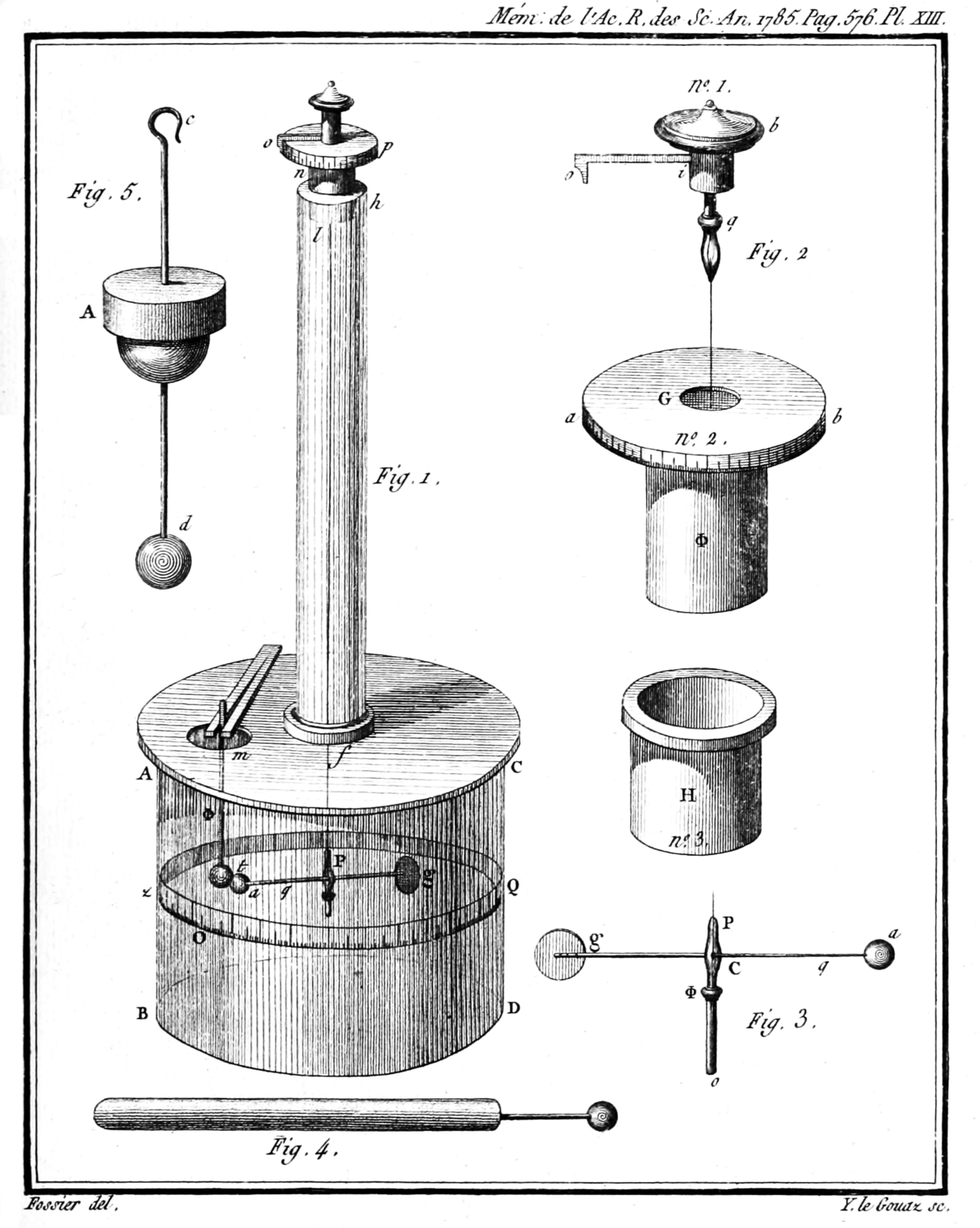 Artifact
Primary source
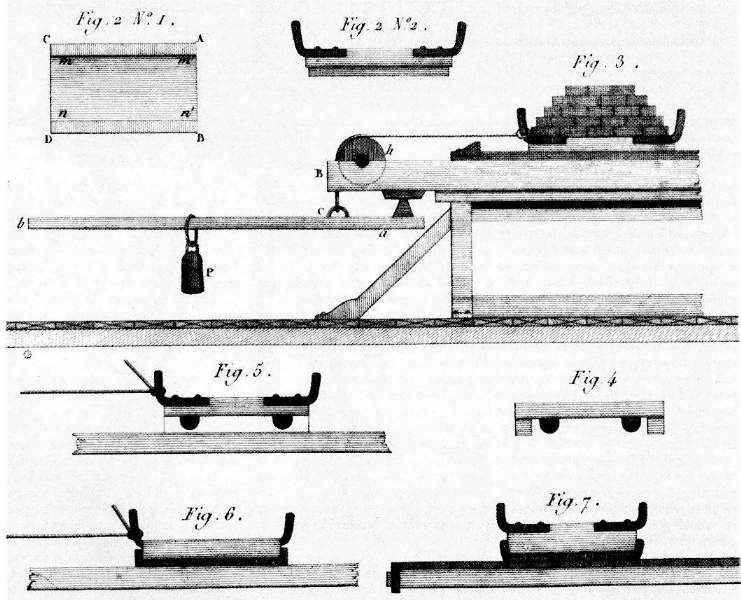
Balance de Coulomb Engraving
Charles-Augustin de Coulomb · 1785
 Document
Primary source
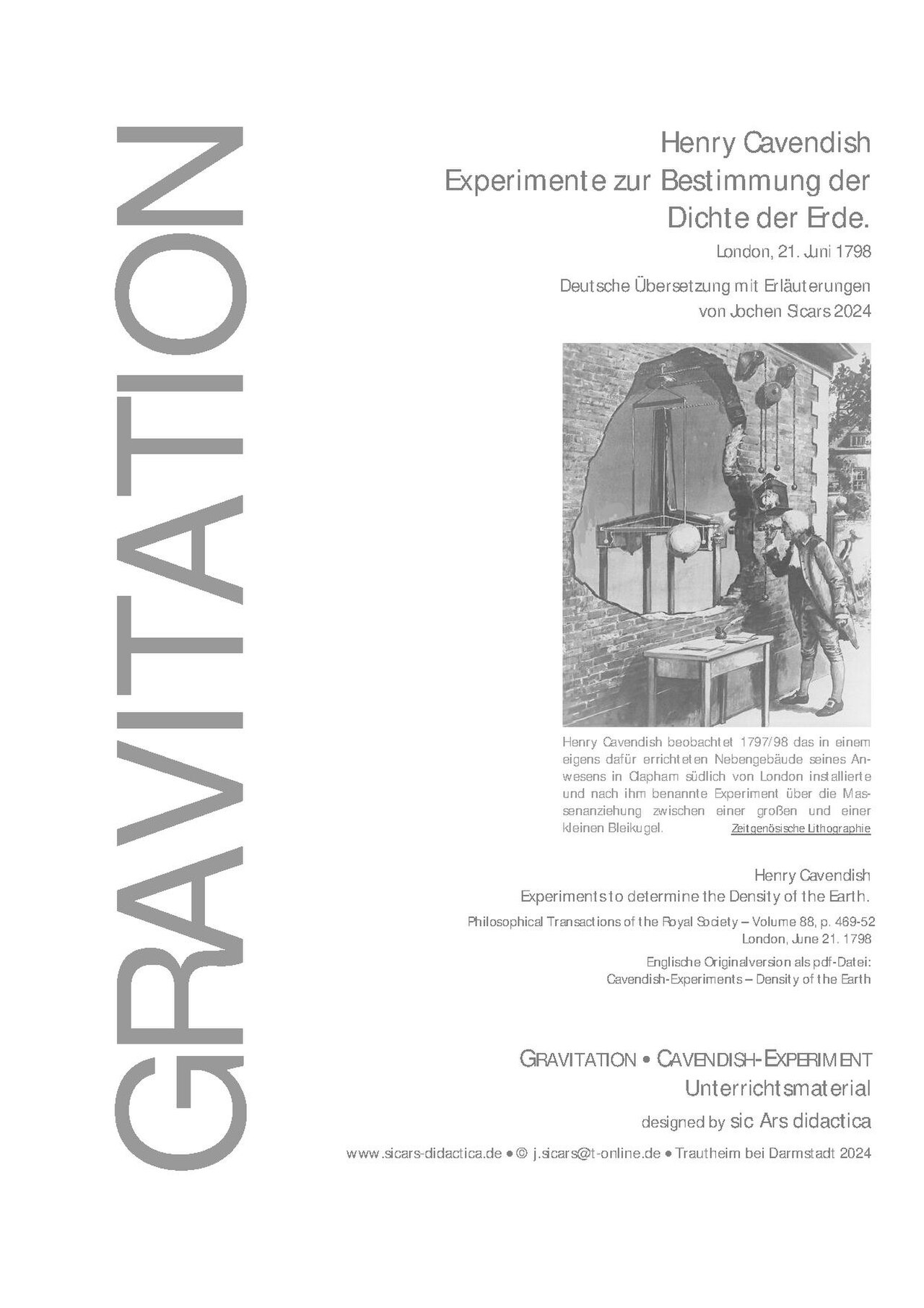
Experimente zur Bestimmung der Dichte der Erde
Henry Cavendish · 2024 (translation of 1798 original)
 Painting
Secondary source
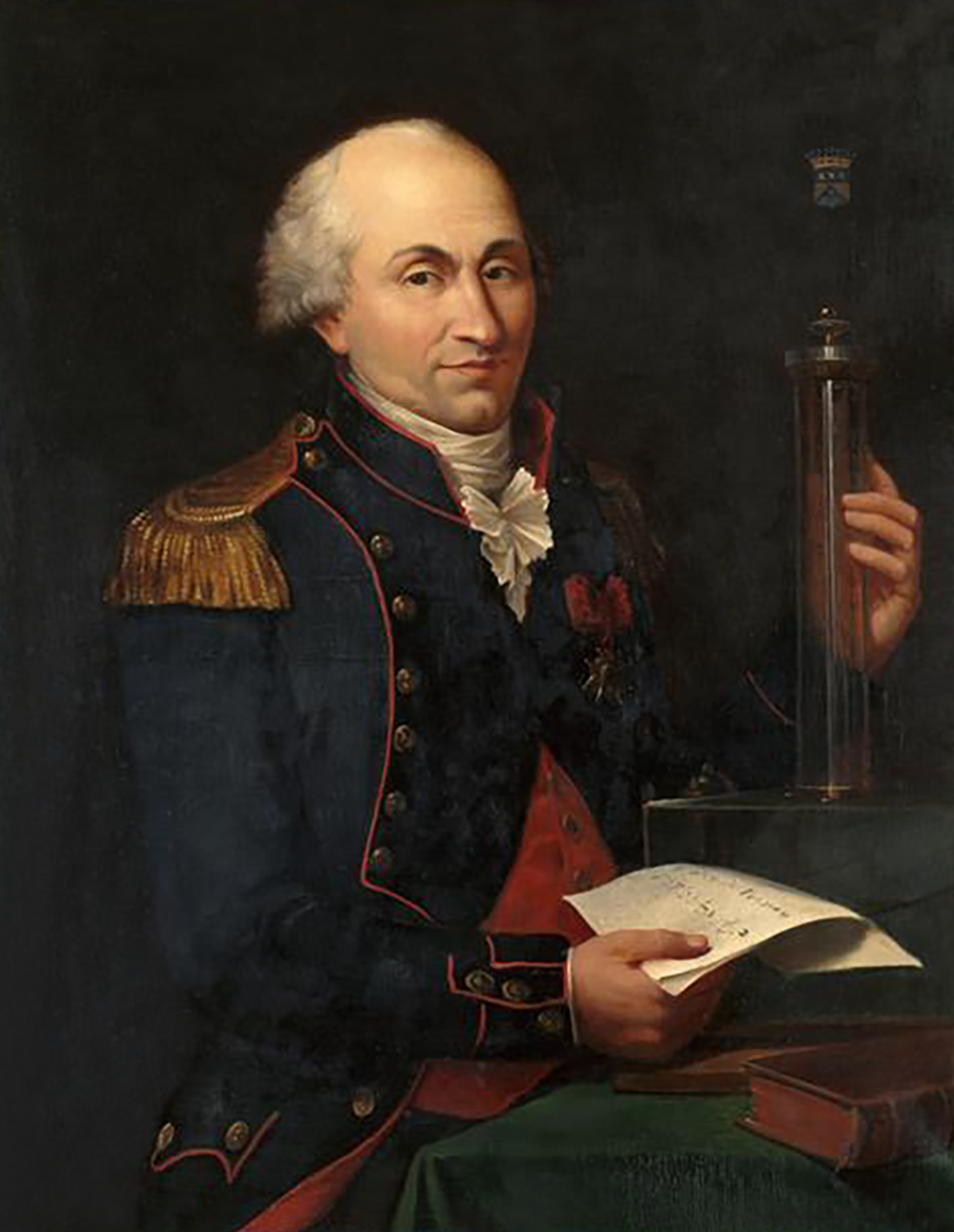
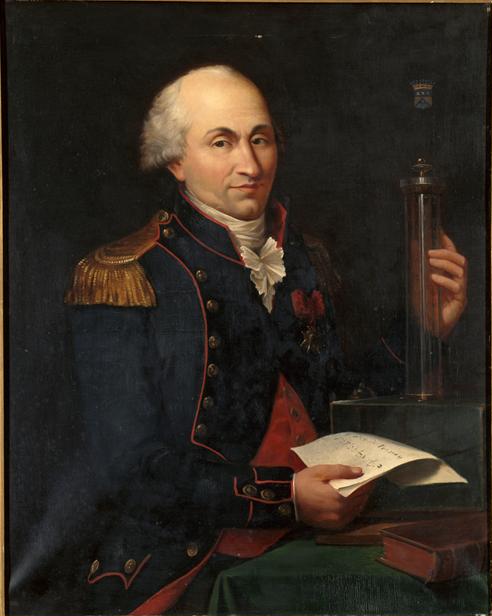
Portrait of Charles-Augustin de Coulomb
 Artifact
Secondary source
Balance de Coulomb Exhibition Display
2008
Free account
Read every Charles-Augustin de Coulomb source
Sign up free →
Ready when you are
Start chatting with Charles-Augustin de Coulomb now.
20 messages free · No credit card · Available in 50+ languages.