


Secondary sourceArtifact1651
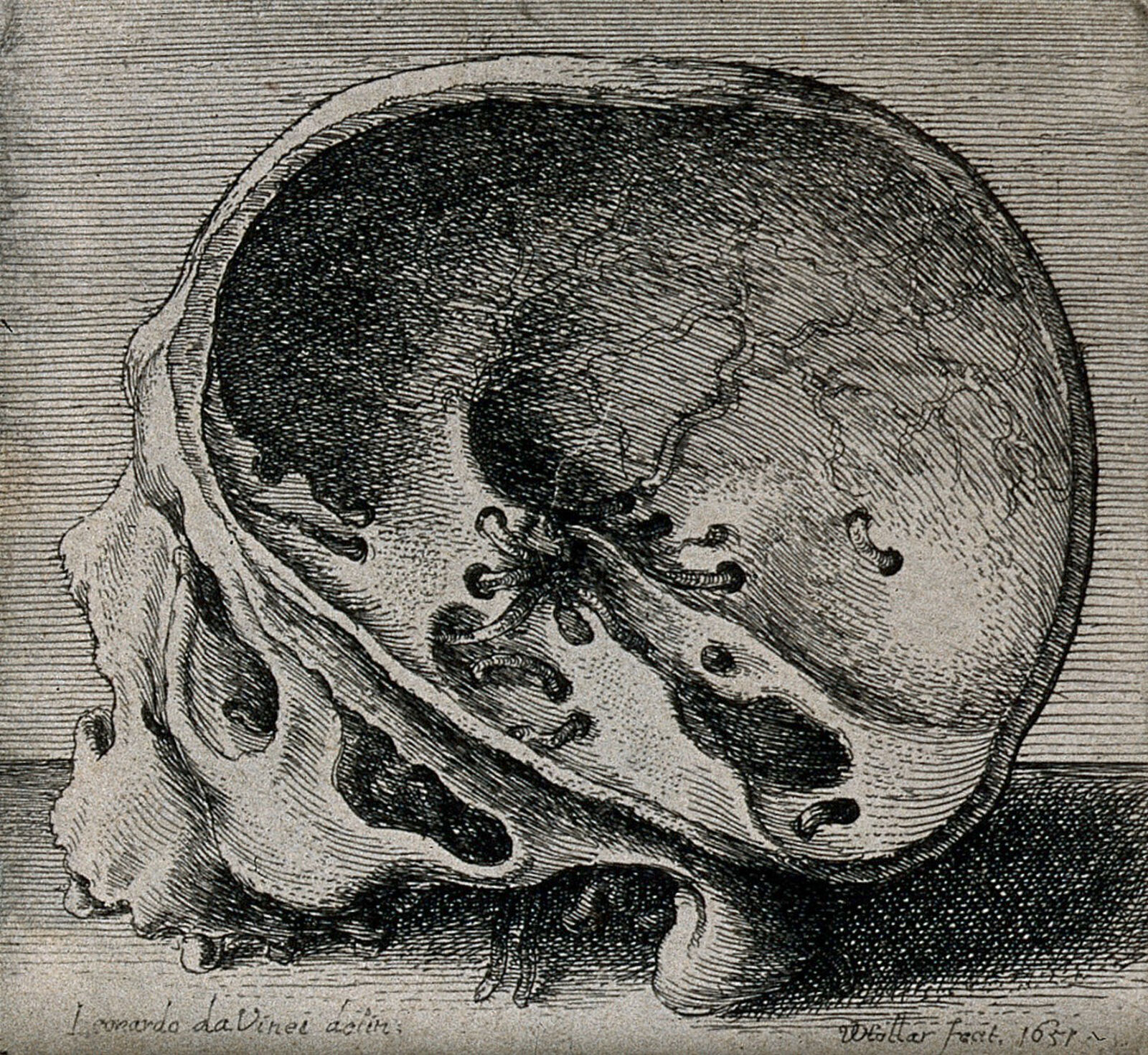
Cross-Section of Skull with Nerves and Vessels
Wenceslaus Hollar · 1651
A 17th-century etching copying Leonardo da Vinci's study of a sectioned human skull.
An etching reproducing Leonardo da Vinci's original study of a sectioned human skull.
About this source
What it is
This etching by Wenceslaus Hollar, dated 1651, shows a human skull cut in profile to reveal its interior, with the brain cavity and nerve and vessel branches visible. It is based on a drawing by Leonardo da Vinci and is held by the Wellcome Collection in London.
Why it matters
Leonardo examined the human skull to understand its structure and the nerves and vessels inside it, part of his broader anatomical research. This later etching, made over a century after his death, shows how his anatomical studies continued to be copied and studied.
Look closer
- What details in the skull drawing suggest careful, firsthand observation?
- Why might a 17th-century printmaker like Hollar want to reproduce Leonardo's anatomical work?
- What might this kind of study have taught doctors of the time?
This artifact is part of the curated material that grounds the AI version of Leonardo da Vinci on Humy.ai — when students ask about related events, the AI can quote it and cite it.
More Leonardo da Vinci sources
Meet the AI Leonardo da Vinci →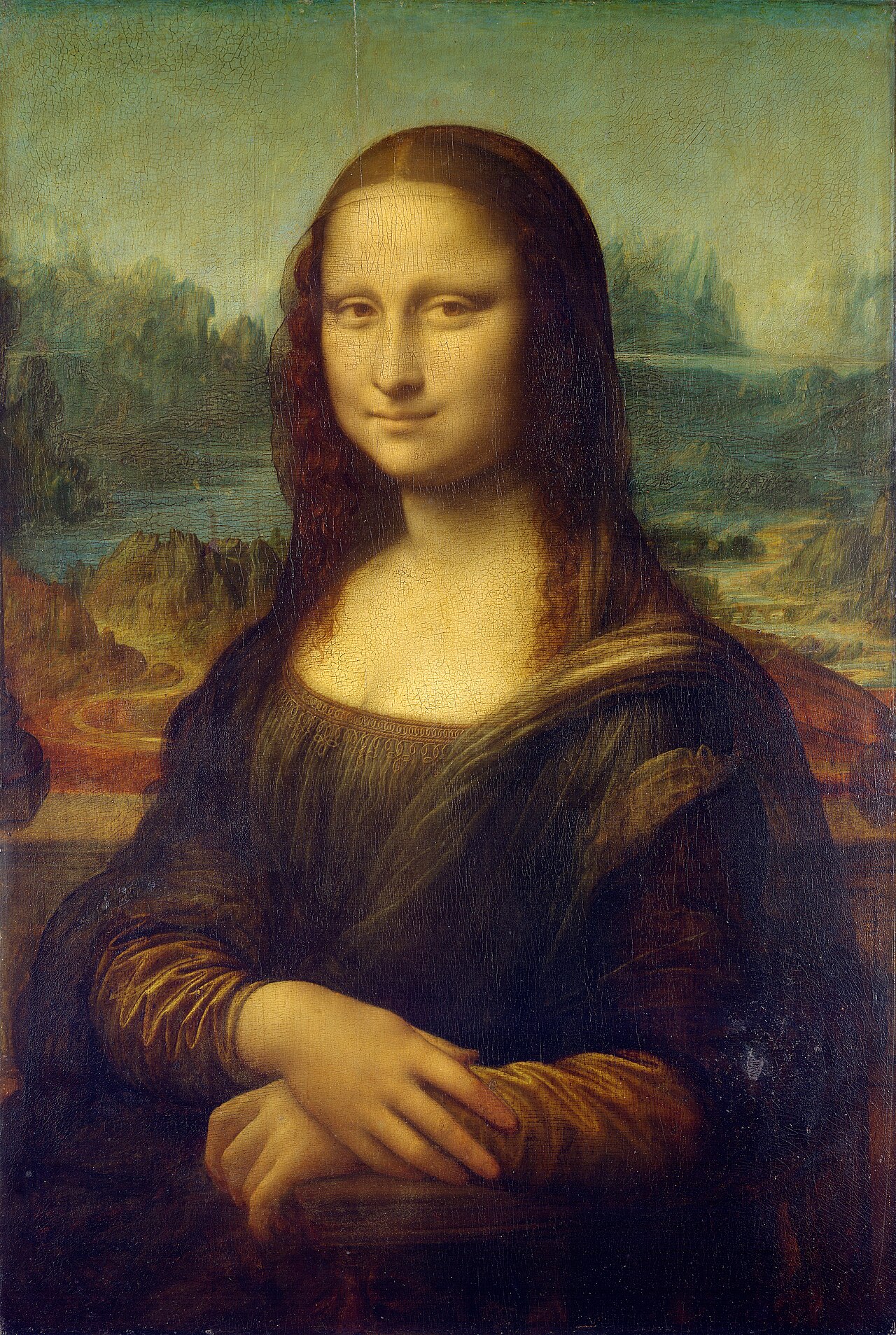 Painting
Primary source
Mona Lisa
Leonardo da Vinci · c. 1503-1519
 Painting
Secondary source
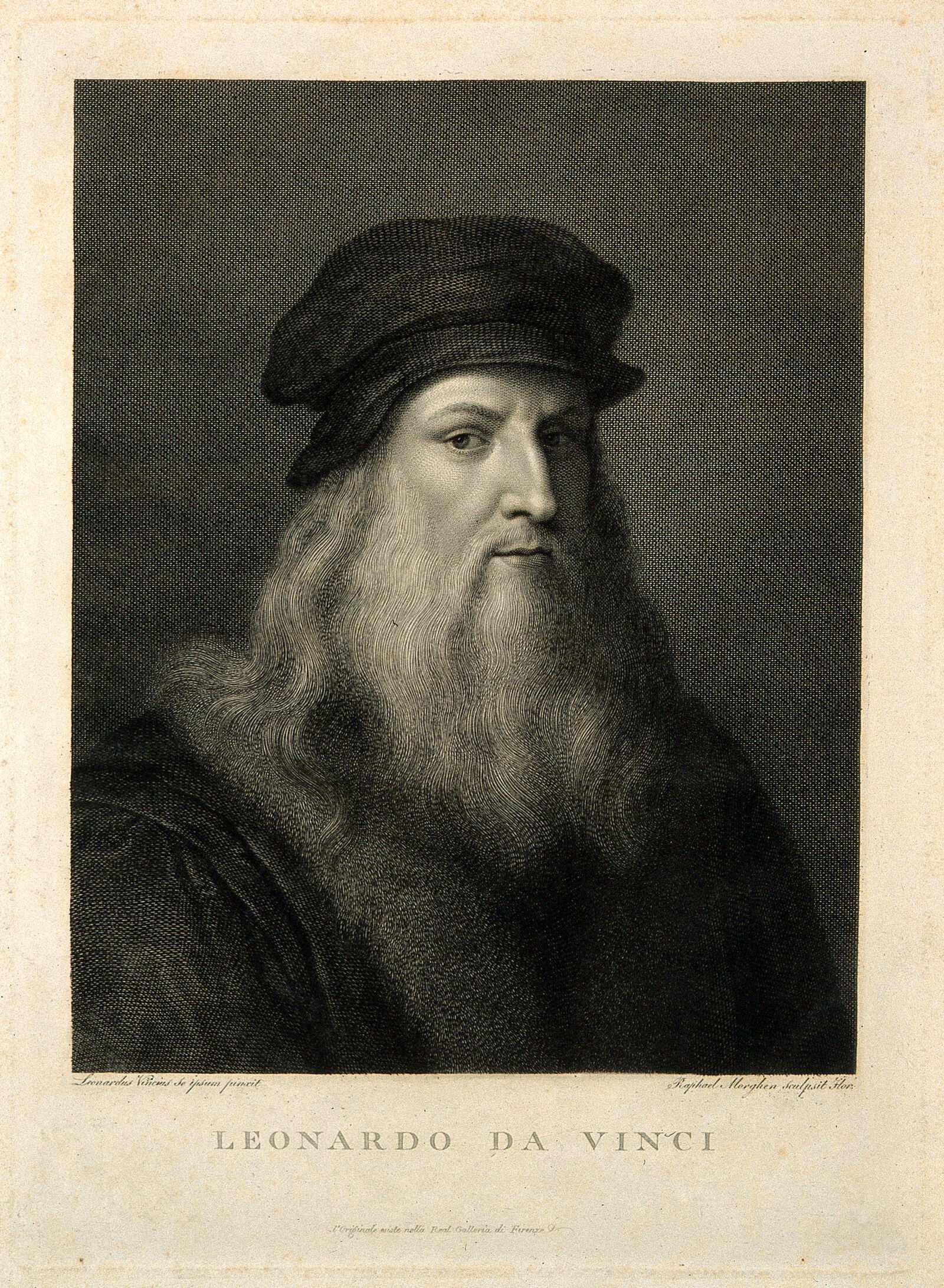
Leonardo da Vinci portrait line engraving by Raphael Morghen
R. Morghen
 Book
Primary source
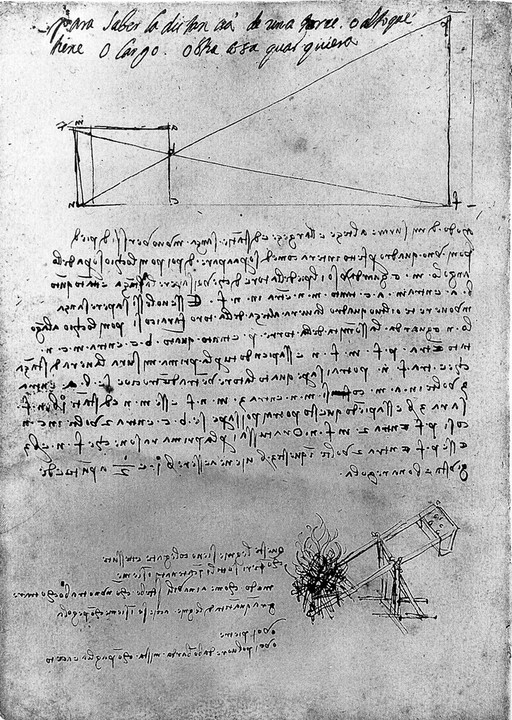
Manuscript Notebook MS B
Leonardo da Vinci
 Painting
Primary source
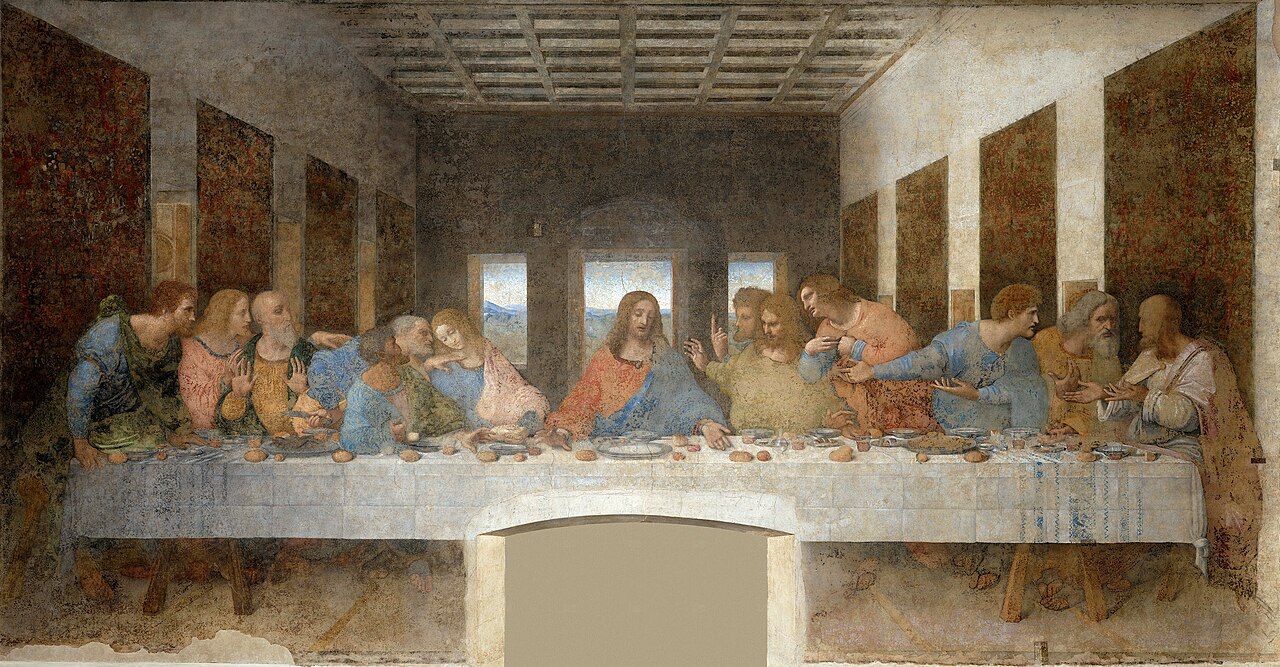
The Last Supper
Leonardo da Vinci · c. 1495-1498
 Painting
Primary source
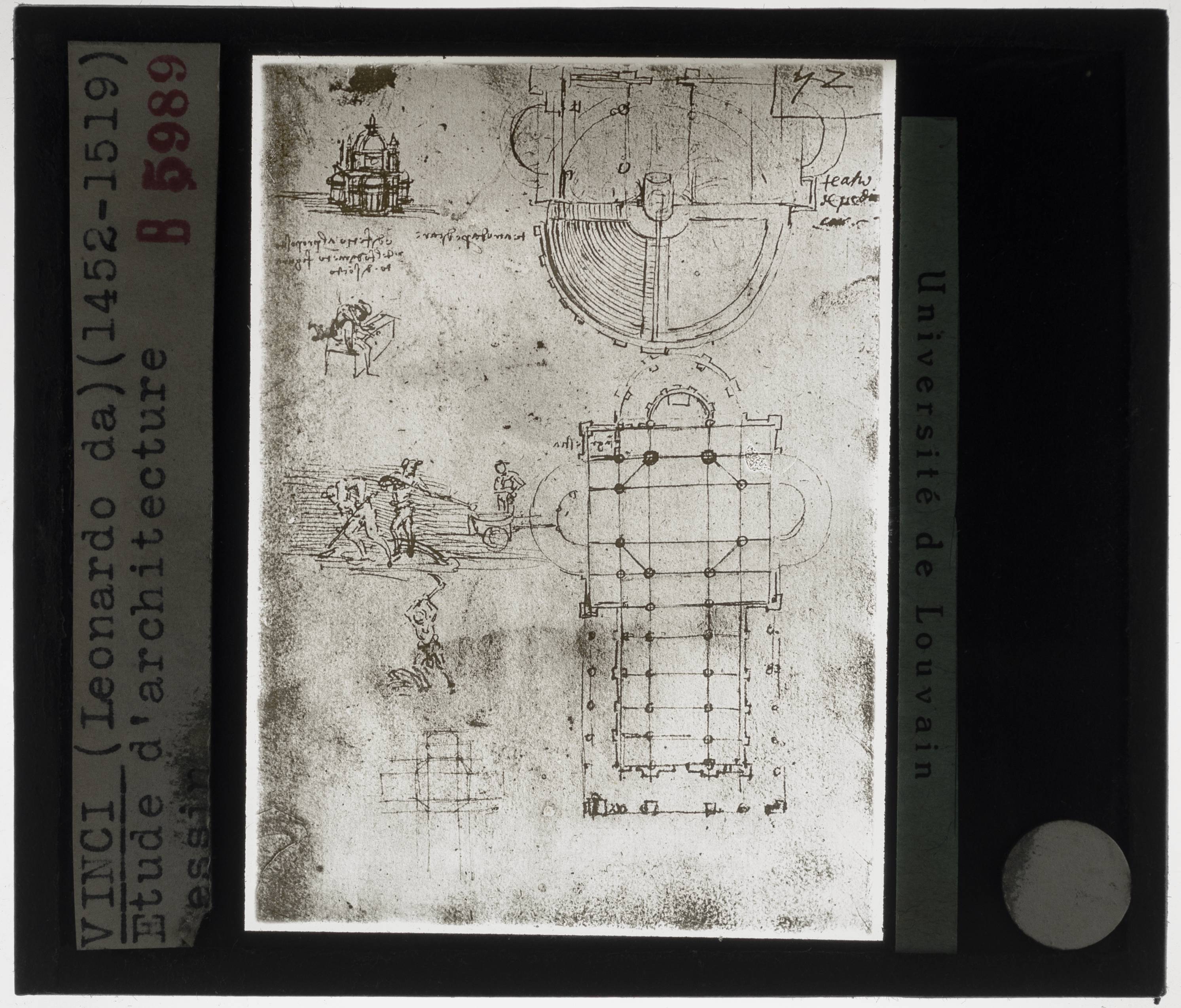
Architectural Studies
Leonardo da Vinci · c. 1500
Ready when you are
Start chatting with Leonardo da Vinci now.
20 messages free · No credit card · Available in 50+ languages.