


Primary sourceArtifact1854
Darwin's Barnacles
1854
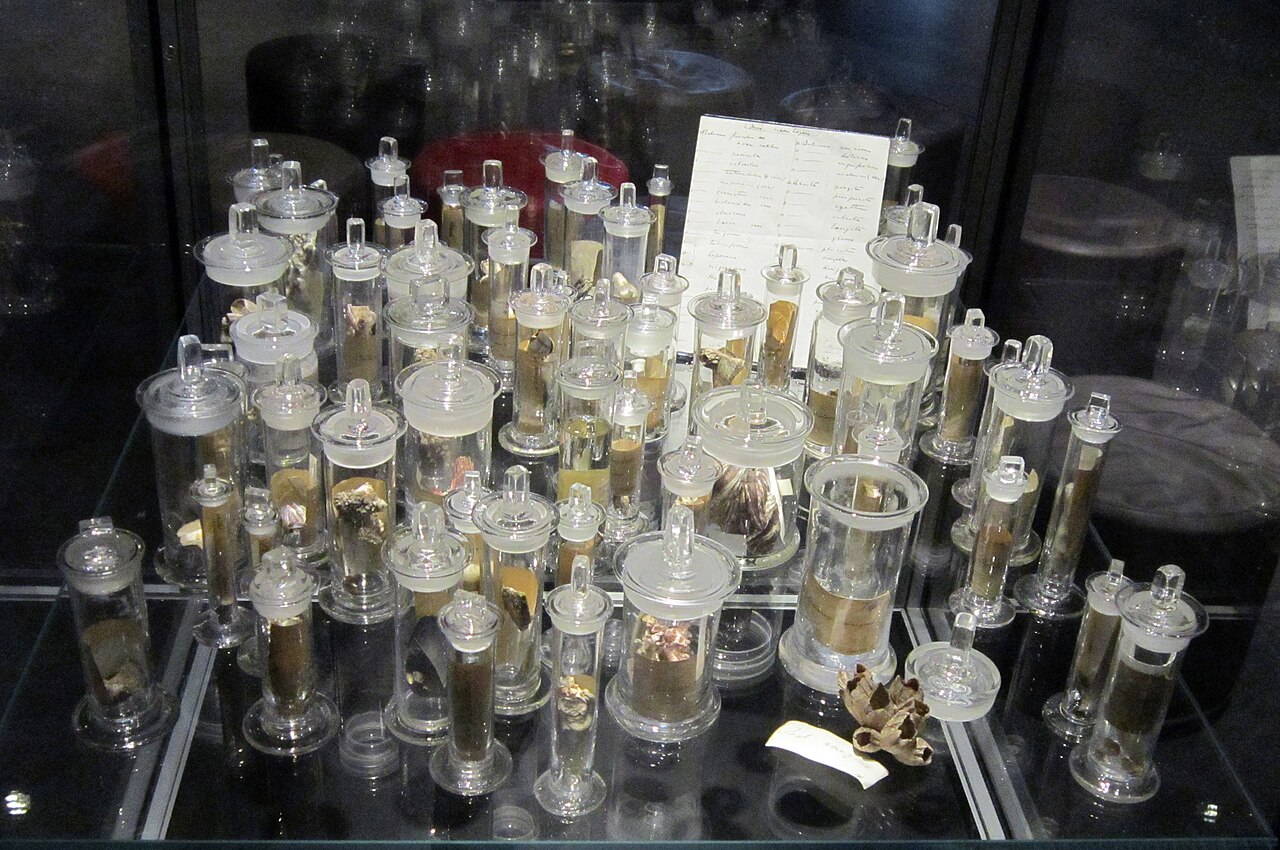
A collection of barnacle specimens from Darwin's own research, given as a gift to Danish naturalists in 1854.
These barnacle specimens were part of Darwin's own research collection and a gift he personally sent to fellow naturalists.
About this source
What it is
Glass jars holding dried barnacle specimens from Charles Darwin's own collection, now held at the Zoological Museum of Copenhagen. Darwin sent them in 1854 as a thank-you gift to the Danish naturalists Japetus Steenstrup and Johan Georg Forchhammer, who had lent him many specimens. A handwritten list of the specimens, in Darwin's own hand, accompanies them.
Why it matters
Before writing his famous theory of evolution, Darwin spent years studying barnacles in minute detail, work that sharpened his skills as a naturalist. This gift shows how scientists of the time shared specimens and knowledge across countries, and how Darwin's research depended on international cooperation with people like Steenstrup and Forchhammer.
Look closer
- Why might Darwin have sent specimens as a gift rather than money or a letter alone?
- What does the handwritten list tell us about Darwin's working methods?
- What does this object reveal about scientific collaboration in the 1850s?
This artifact is part of the curated material that grounds the AI version of Charles Darwin on Humy.ai — when students ask about related events, the AI can quote it and cite it.
More Charles Darwin sources
Meet the AI Charles Darwin →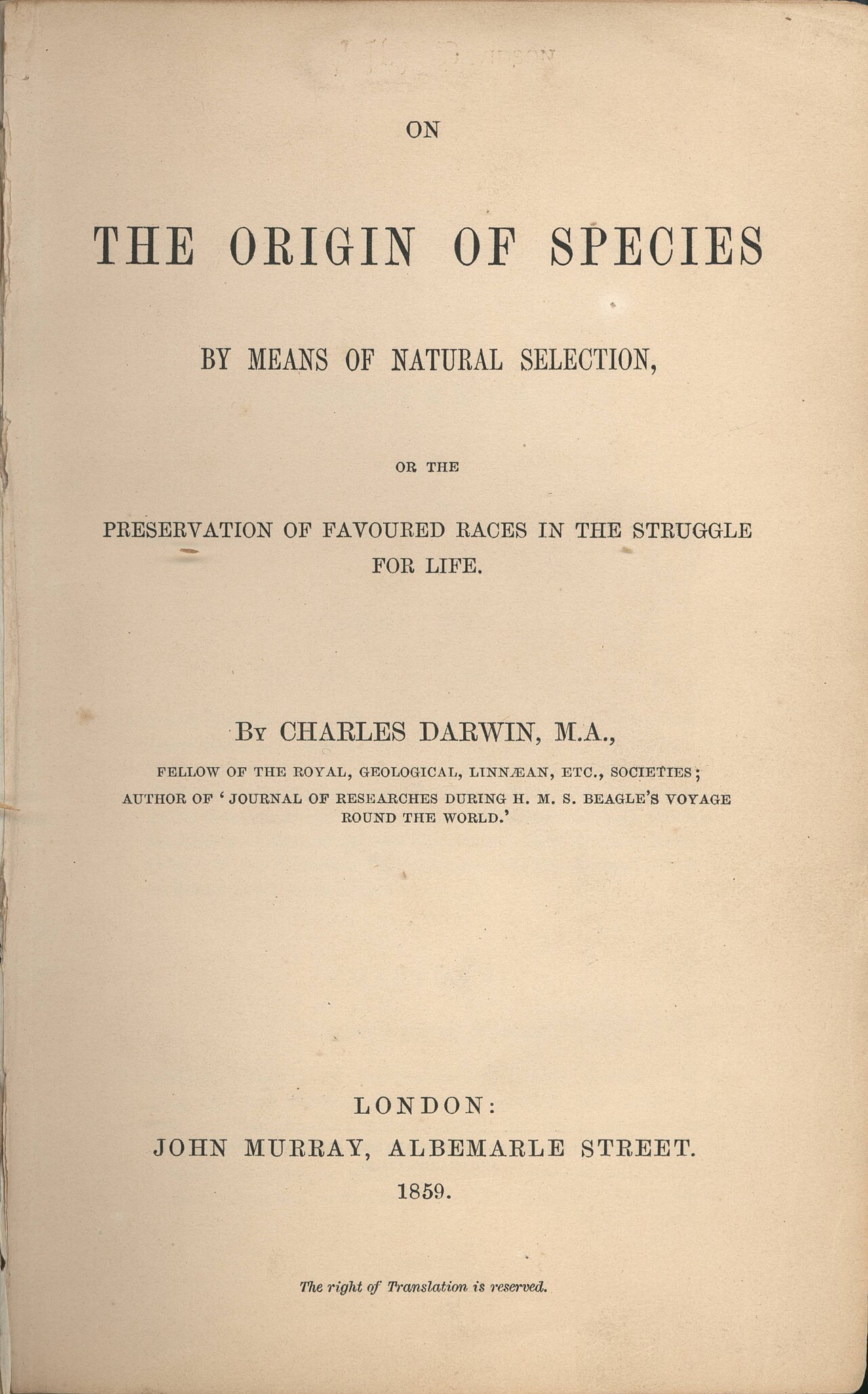 Book
Primary source
On the Origin of Species
Charles Darwin · 1859
 Diary entry
Primary source
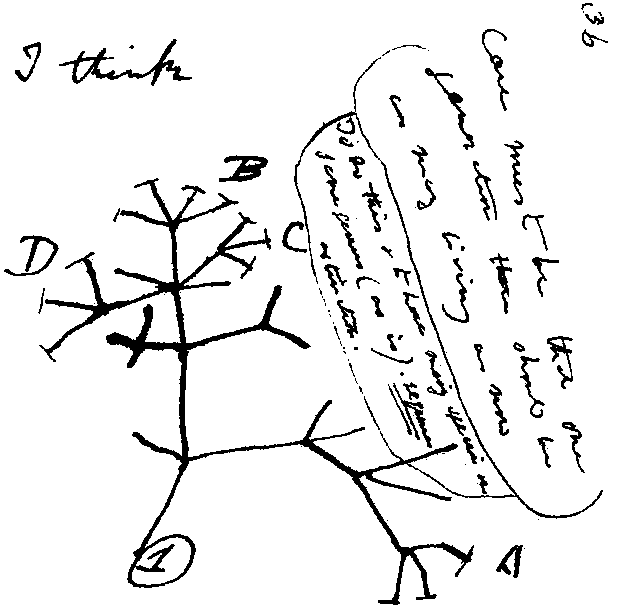
Notebook B 'I think' Tree of Life Sketch
Charles Darwin · c. July 1837
 Document
Primary source
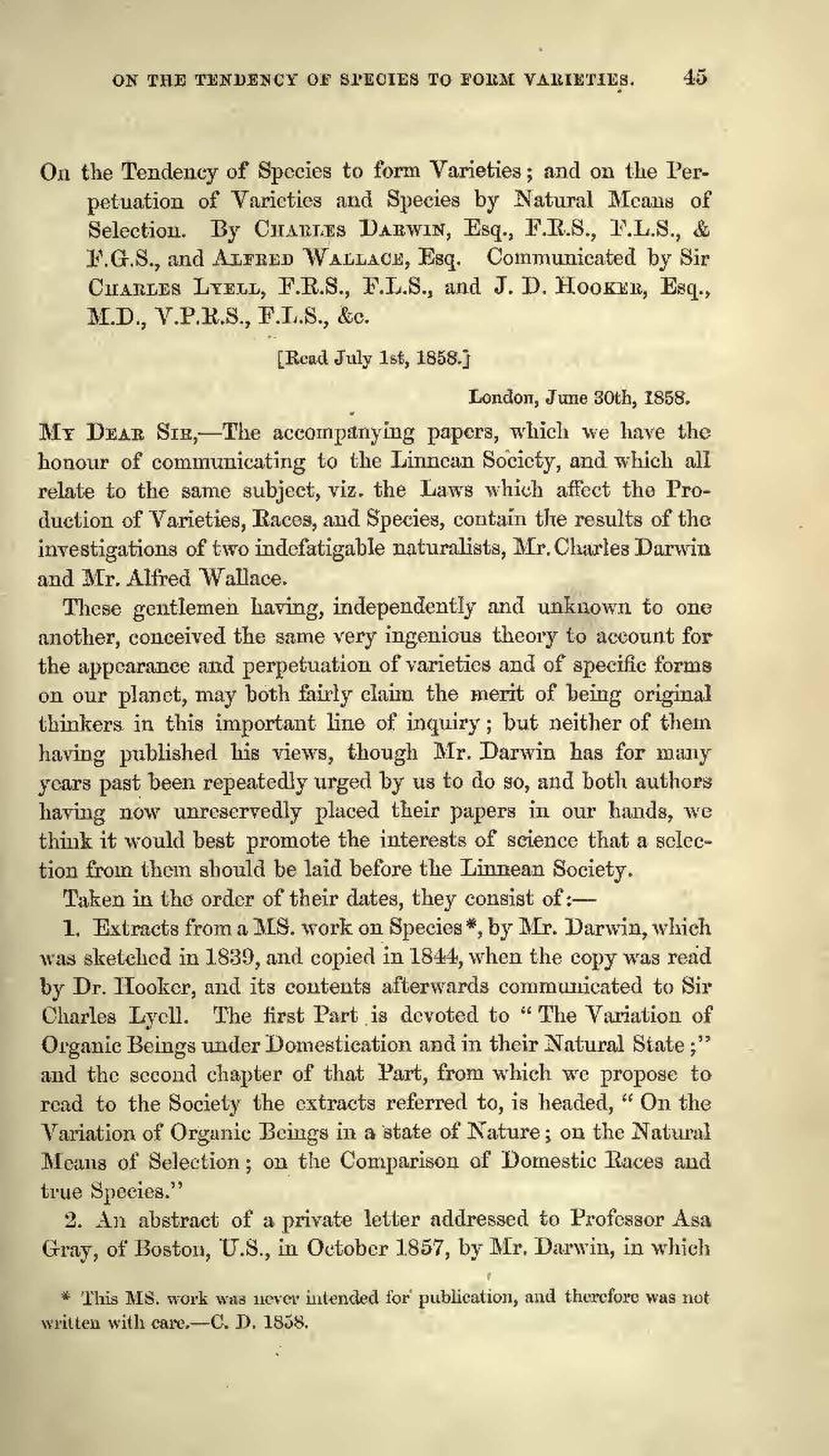
On the Tendency of Species to Form Varieties
Charles Darwin / Alfred Russel Wallace · 1858
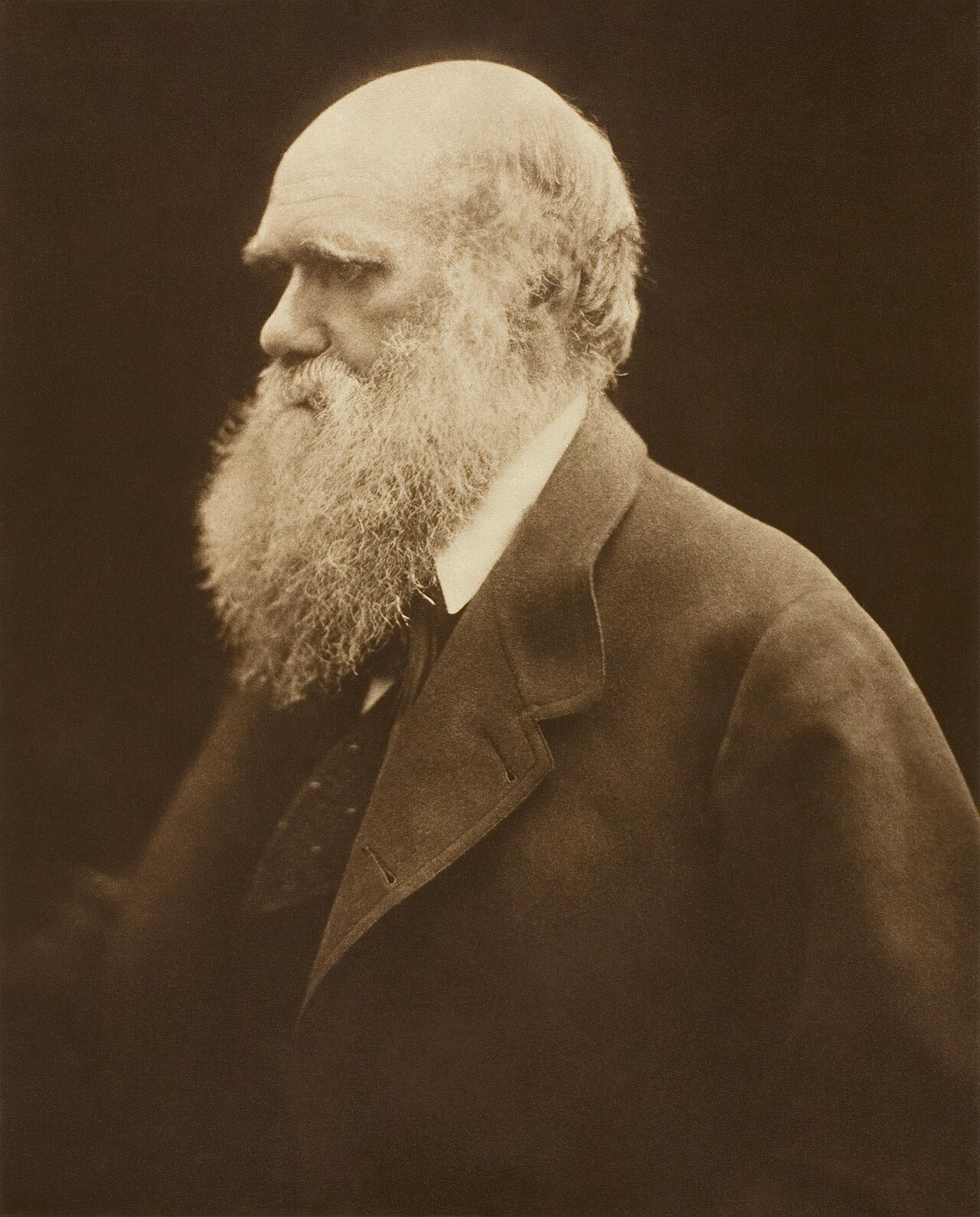 Photograph
Primary source
Charles Darwin by Julia Margaret Cameron
Julia Margaret Cameron · c. 1868
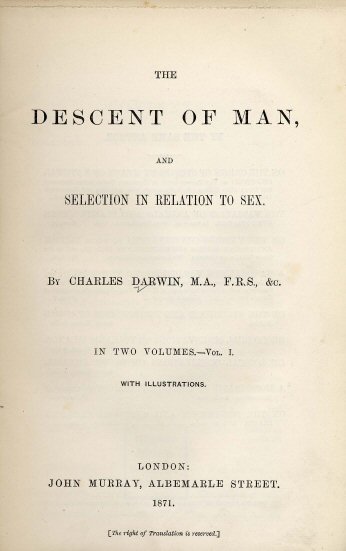 Book
Primary source
The Descent of Man, and Selection in Relation to Sex
Charles Darwin · 1871
Ready when you are
Start chatting with Charles Darwin now.
20 messages free · No credit card · Available in 50+ languages.