


Secondary sourceBookc. 1186-1190
De amore
Andreas Capellanus · c. 1186-1190
A Latin treatise on courtly love that attributes legal-style 'judgments of love' to Queen Eleanor, the root of the legend of her 'courts of love'.
This text invents 'judgments of love' attributed to Eleanor, creating the legend of her 'courts of love'.
About this source
What it is
De amore (On Love), written in Latin by Andreas Capellanus probably between 1186 and 1190, is a treatise on love addressed to a young man named Walter. It includes dialogues between lovers of different social ranks and a set of 'judgements of love' supposedly given by great ladies.
Why it matters
Among those judgements, several are credited to 'Queen Eleanor' and more to 'the Queen', as well as to her daughter Marie of Champagne and niece Isabelle of Vermandois. This text is the main source behind the later legend that Eleanor presided over 'courts of love' at her court in Poitiers, though historians have never been able to verify the connection. It reveals how troubadour ideas of courtly love were linked, rightly or wrongly, to powerful women of the Angevin court.
Look closer
- Why might an author invent 'judgements' and attach a queen's name to them?
- What does this text suggest about how women's reputations could be shaped by writers after the fact?
- Why is it hard to know if Eleanor actually gave such judgements?
This book is part of the curated material that grounds the AI version of Eleanor of Aquitaine on Humy.ai — when students ask about related events, the AI can quote it and cite it.
More Eleanor of Aquitaine sources
Meet the AI Eleanor of Aquitaine →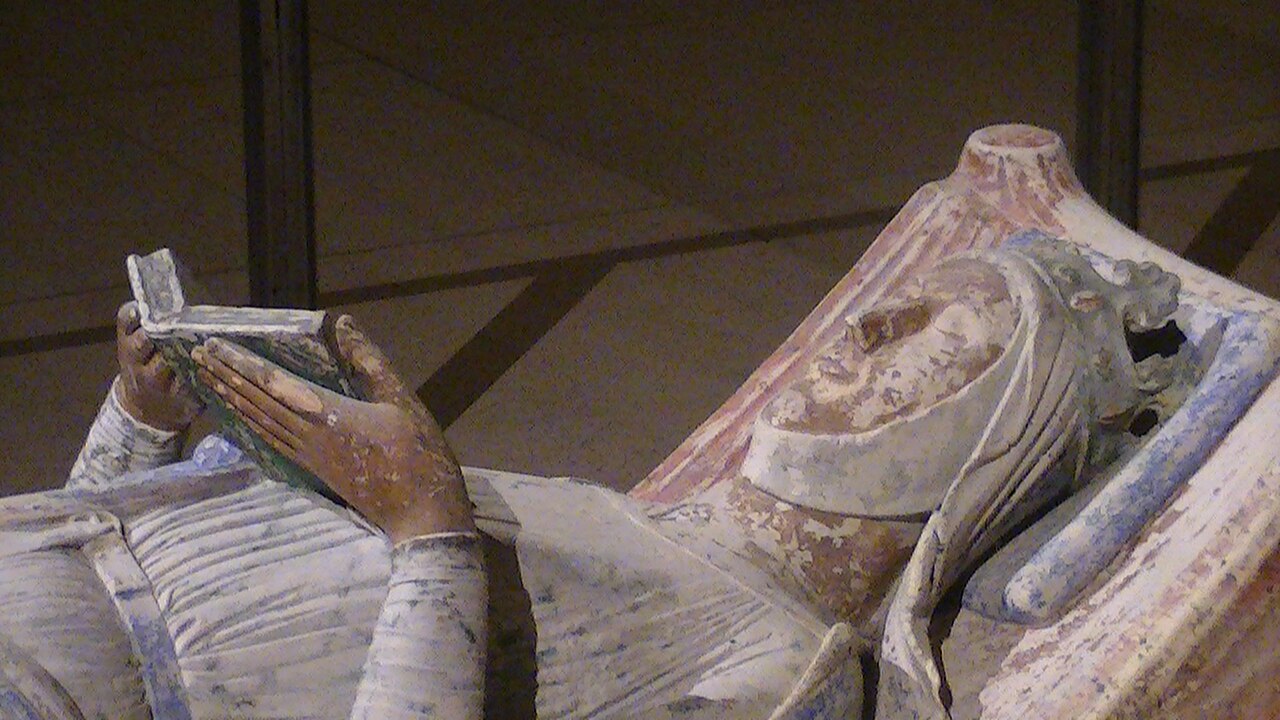 Sculpture
Primary source
Grave of Eleanor of Aquitaine
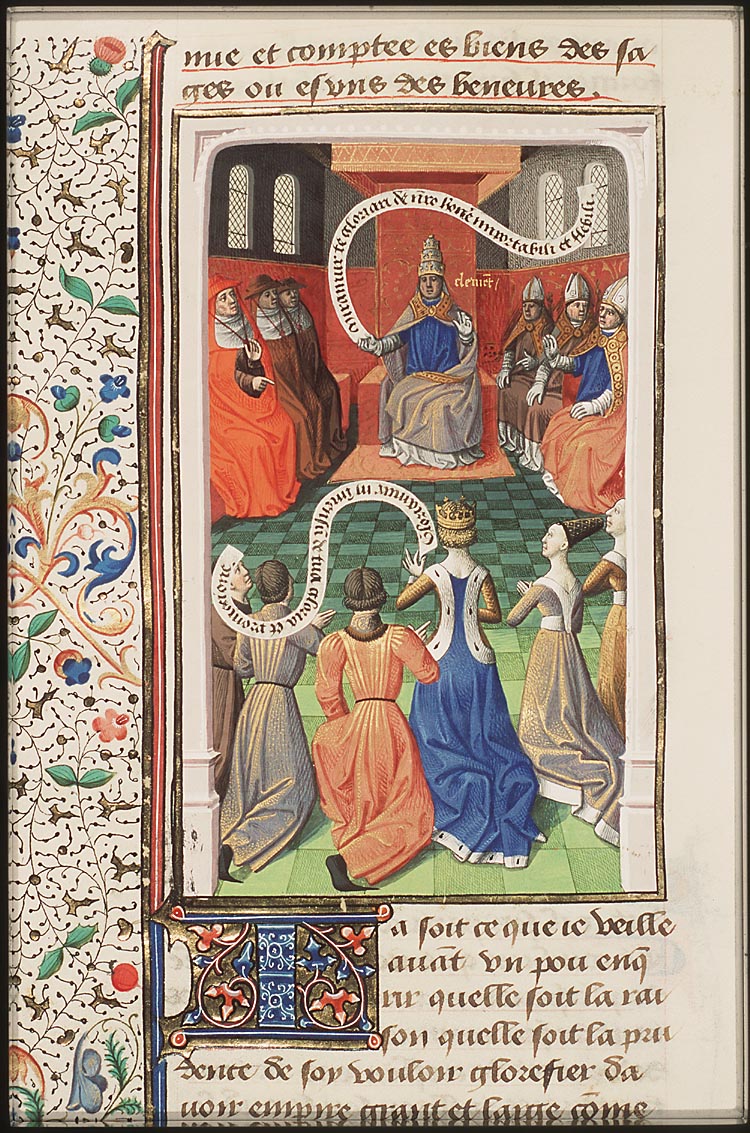 Painting
Secondary source
The Queen of England, Eleanor of Aquitaine, before Pope Clement III
Maïtre François
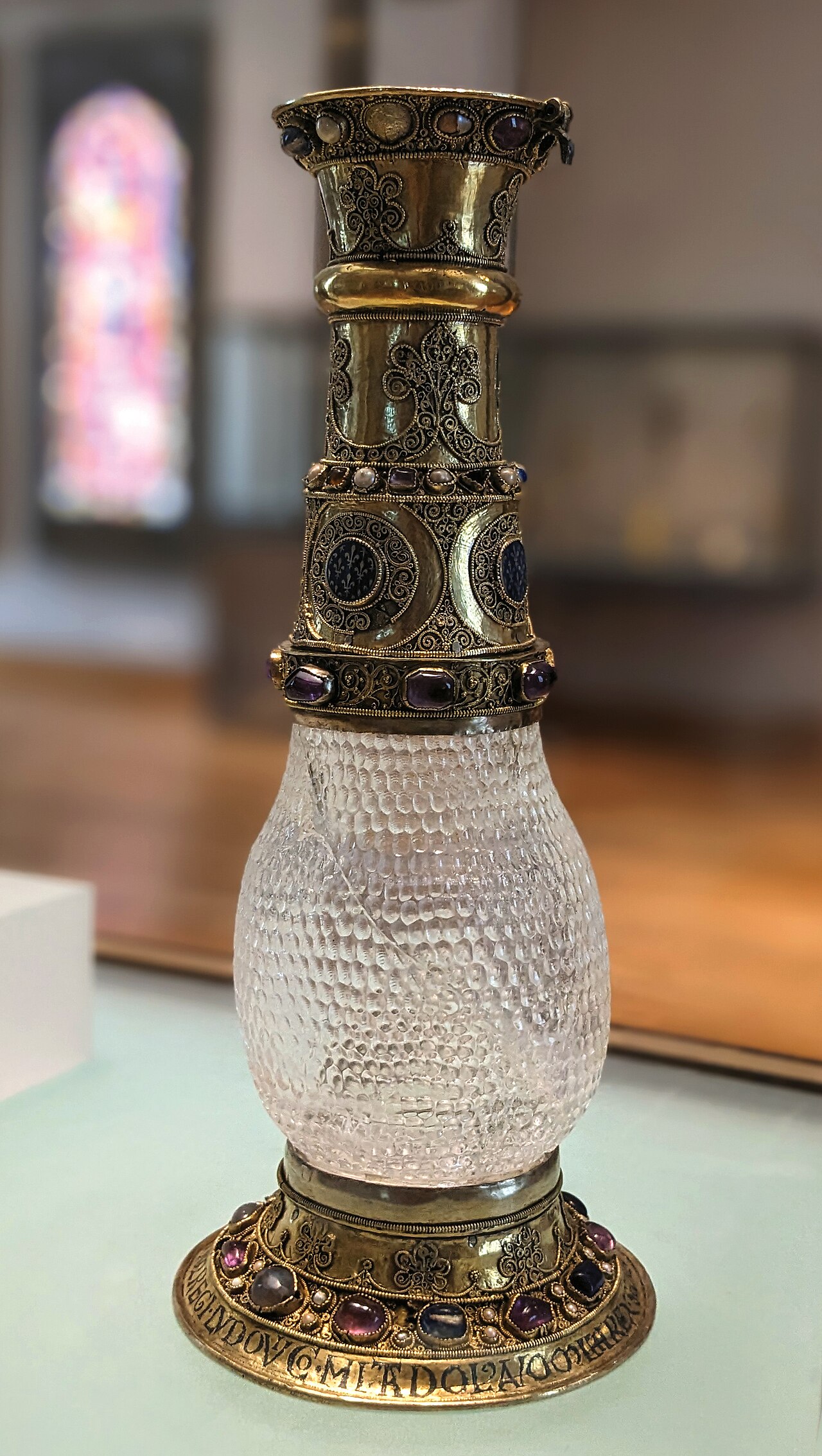 Artifact
Primary source
Crystal Vase of Eleanor of Aquitaine
c. 600 (object), given in the 12th century
 Artifact
Primary source
Crucifixion Window of Poitiers Cathedral
c. 1165-1170
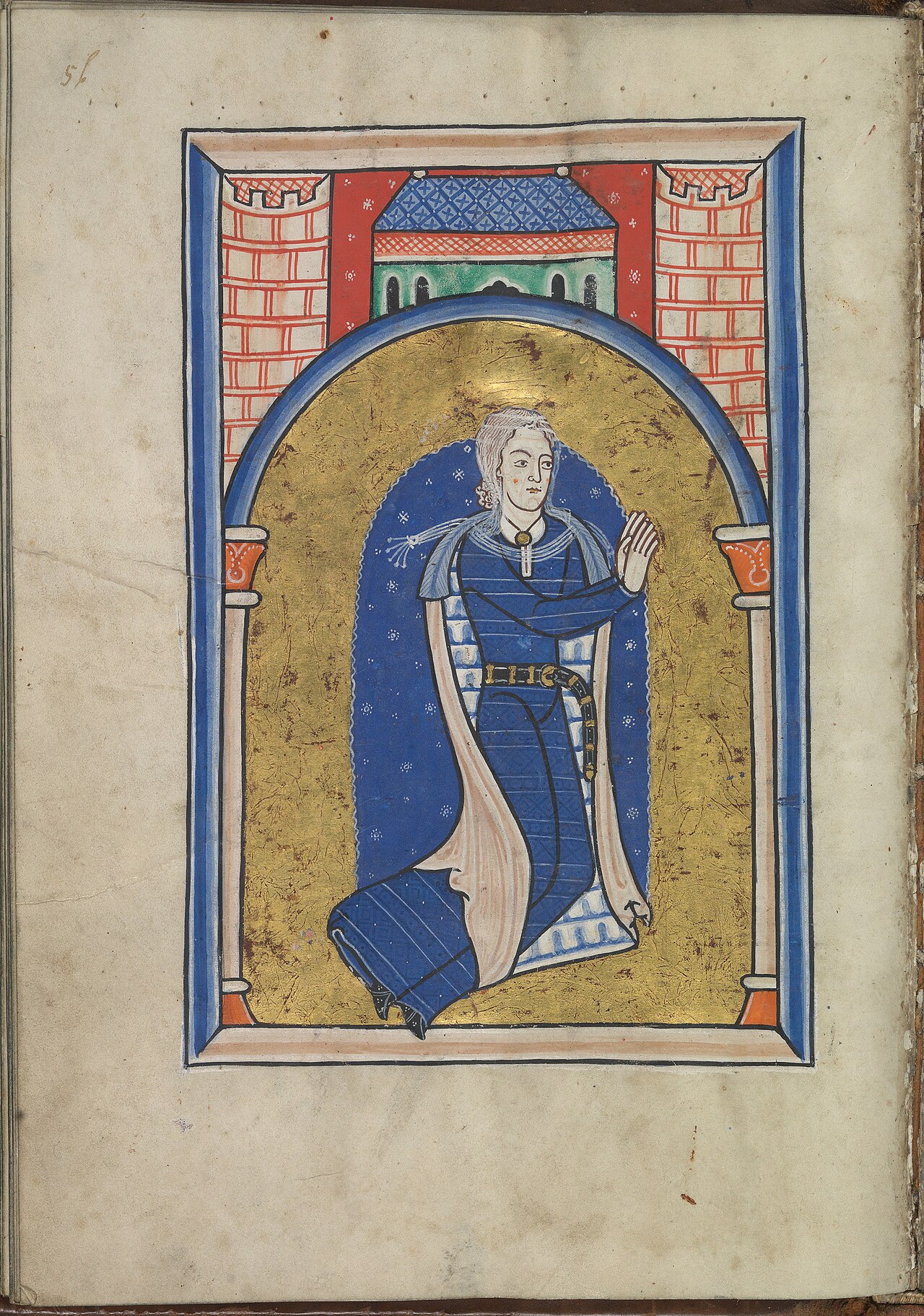 Book
Primary source
Psalter of Eleanor of Aquitaine
c. 1180
Ready when you are
Start chatting with Eleanor of Aquitaine now.
20 messages free · No credit card · Available in 50+ languages.