


Primary sourceBookc. 1636
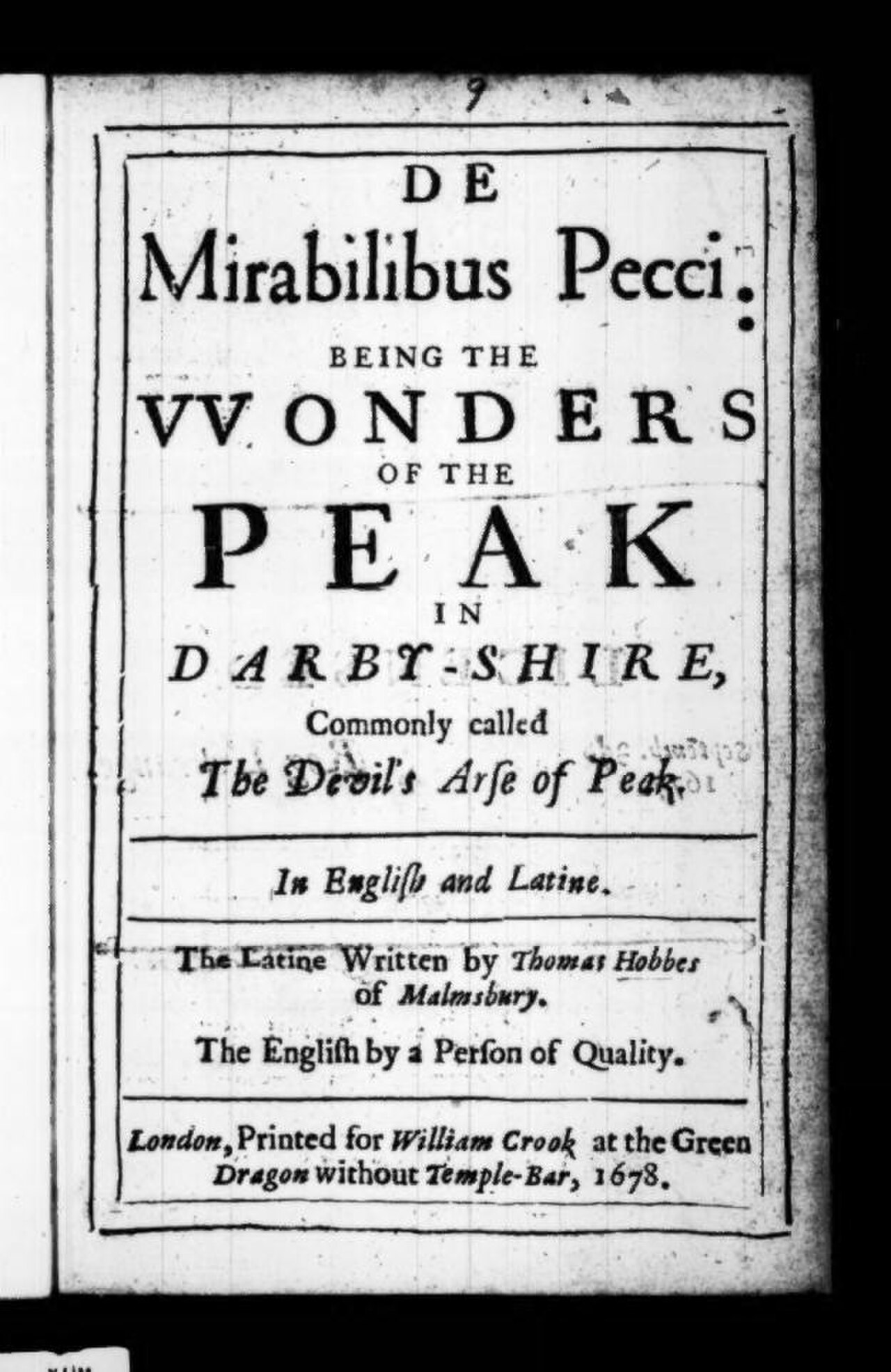
De Mirabilibus Pecci: Concerning the Wonders of the Peak
Thomas Hobbes · c. 1636
Hobbes's Latin poem on the natural wonders of the Peak District near Chatsworth, written in his early career.
This early poem by Hobbes shows his literary career in the Cavendish household before his famous political works.
About this source
What it is
This is an 84-page Latin poem written by Thomas Hobbes around 1636, describing the wonders of the Peak District in Derbyshire. It was later published with an English translation in 1676, and a 1678 edition is shown here.
Why it matters
The poem reflects Hobbes's early career as a humanist writer connected to the Cavendish family, for whom he worked as a tutor and secretary. It shows a lighter, literary side of Hobbes before he became known mainly for political philosophy.
Look closer
- Why might Hobbes, later known for serious philosophy, have written a poem about natural wonders?
- What does the dedication to the Earl of Devonshire suggest about Hobbes's relationship with his patrons?
- How might writing in both Latin and English have reached different audiences?
This book is part of the curated material that grounds the AI version of Thomas Hobbes on Humy.ai — when students ask about related events, the AI can quote it and cite it.
More Thomas Hobbes sources
Meet the AI Thomas Hobbes →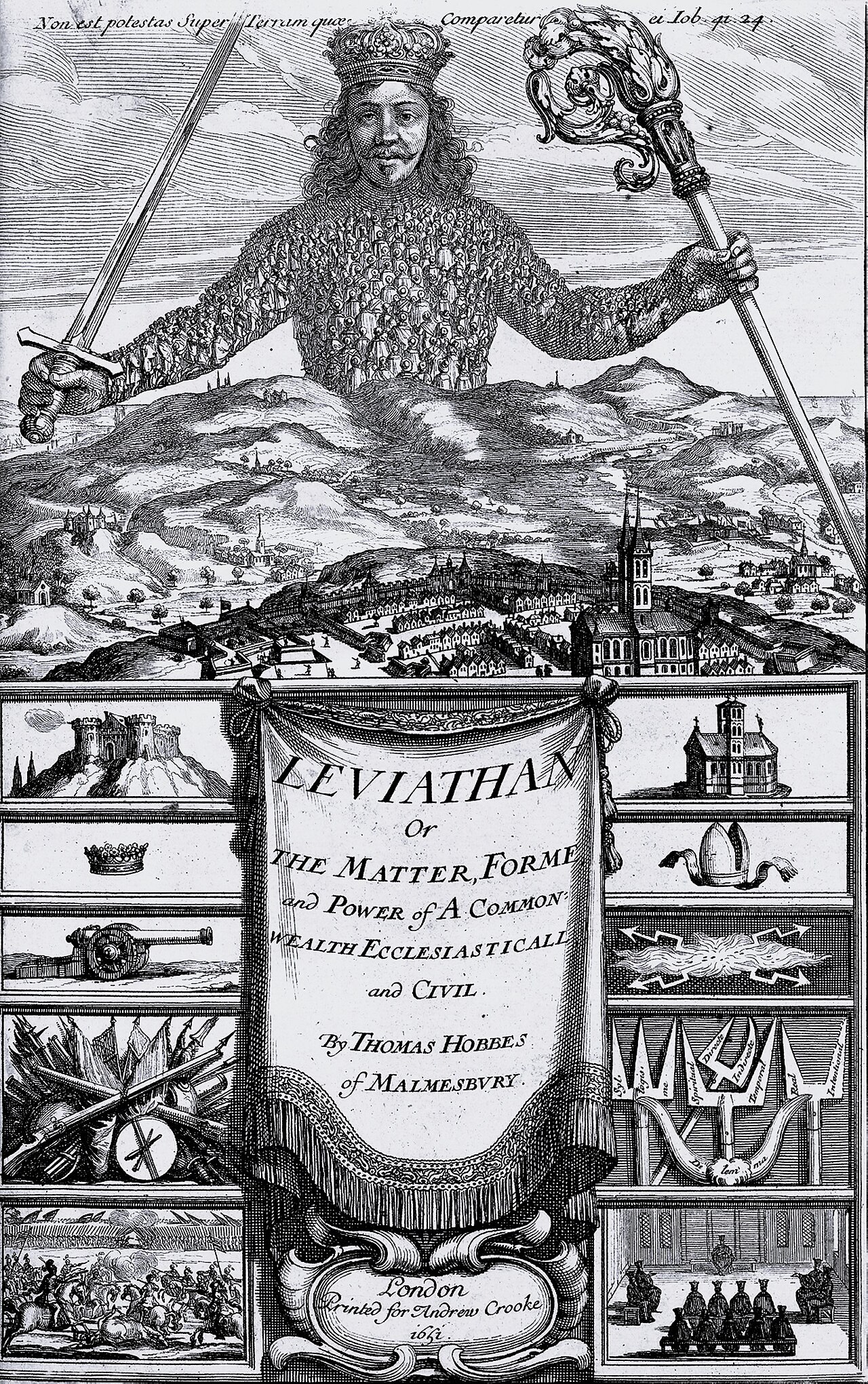 Book
Primary source
Leviathan
Thomas Hobbes · 1651
 Book
Primary source
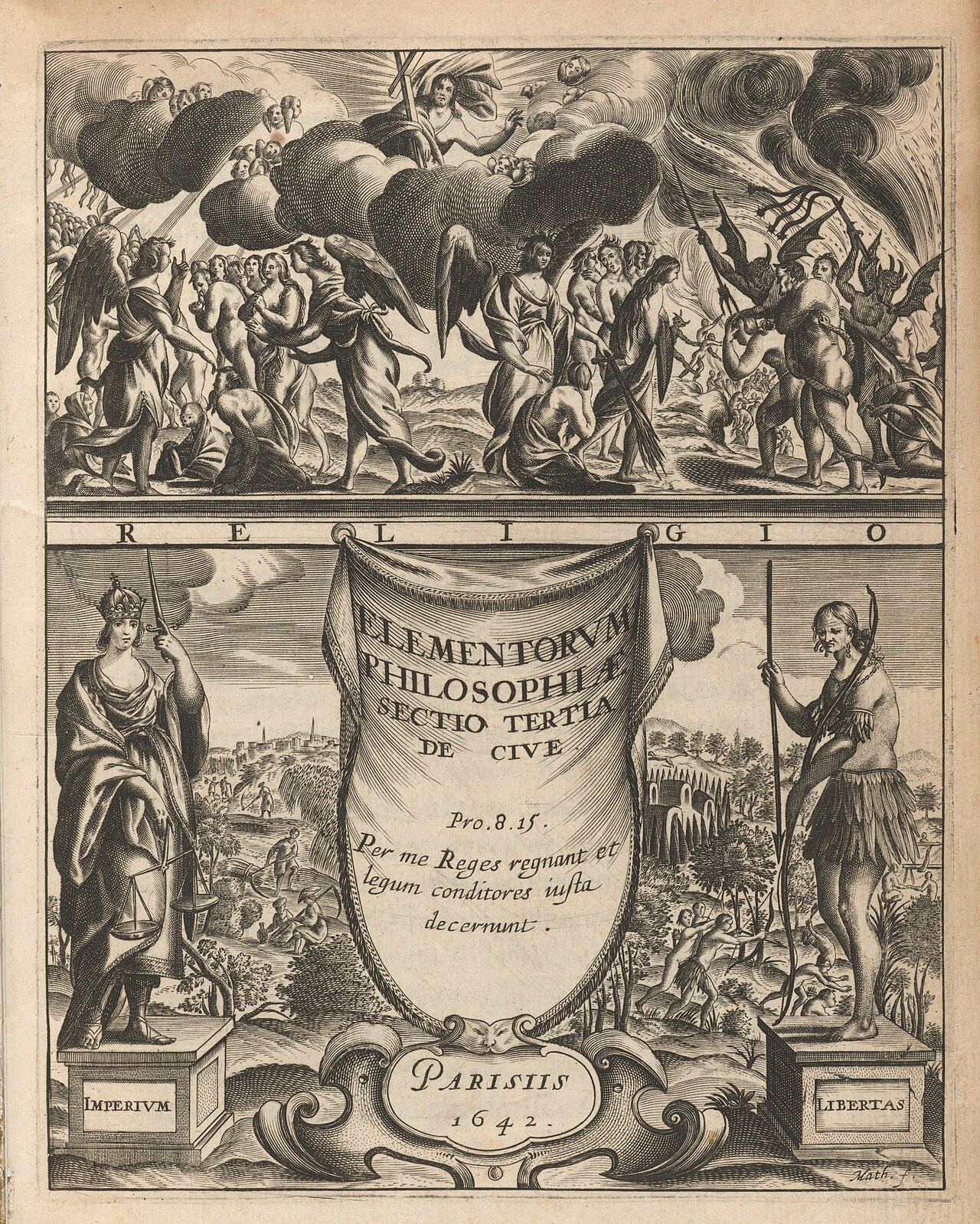
De Cive
Thomas Hobbes · 1642
 Painting
Secondary source
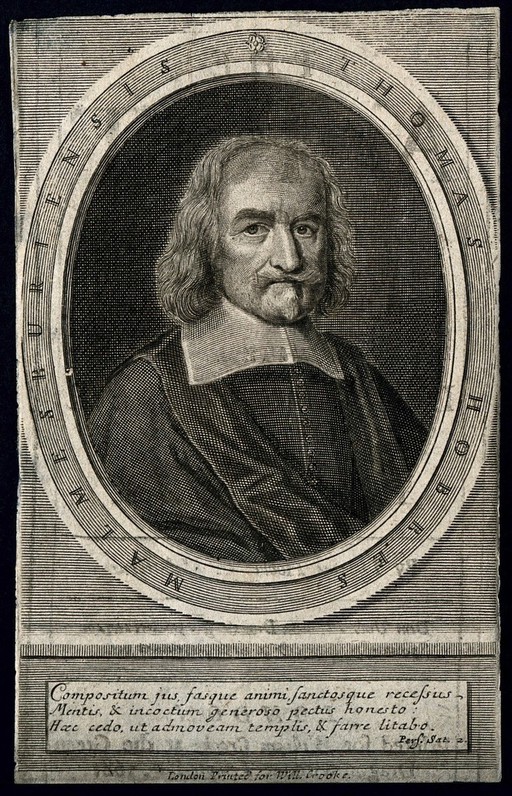
Portrait of Thomas Hobbes, Line Engraving
Primary source
The Elements of Law
Thomas Hobbes · 1640
 Artifact
Secondary source
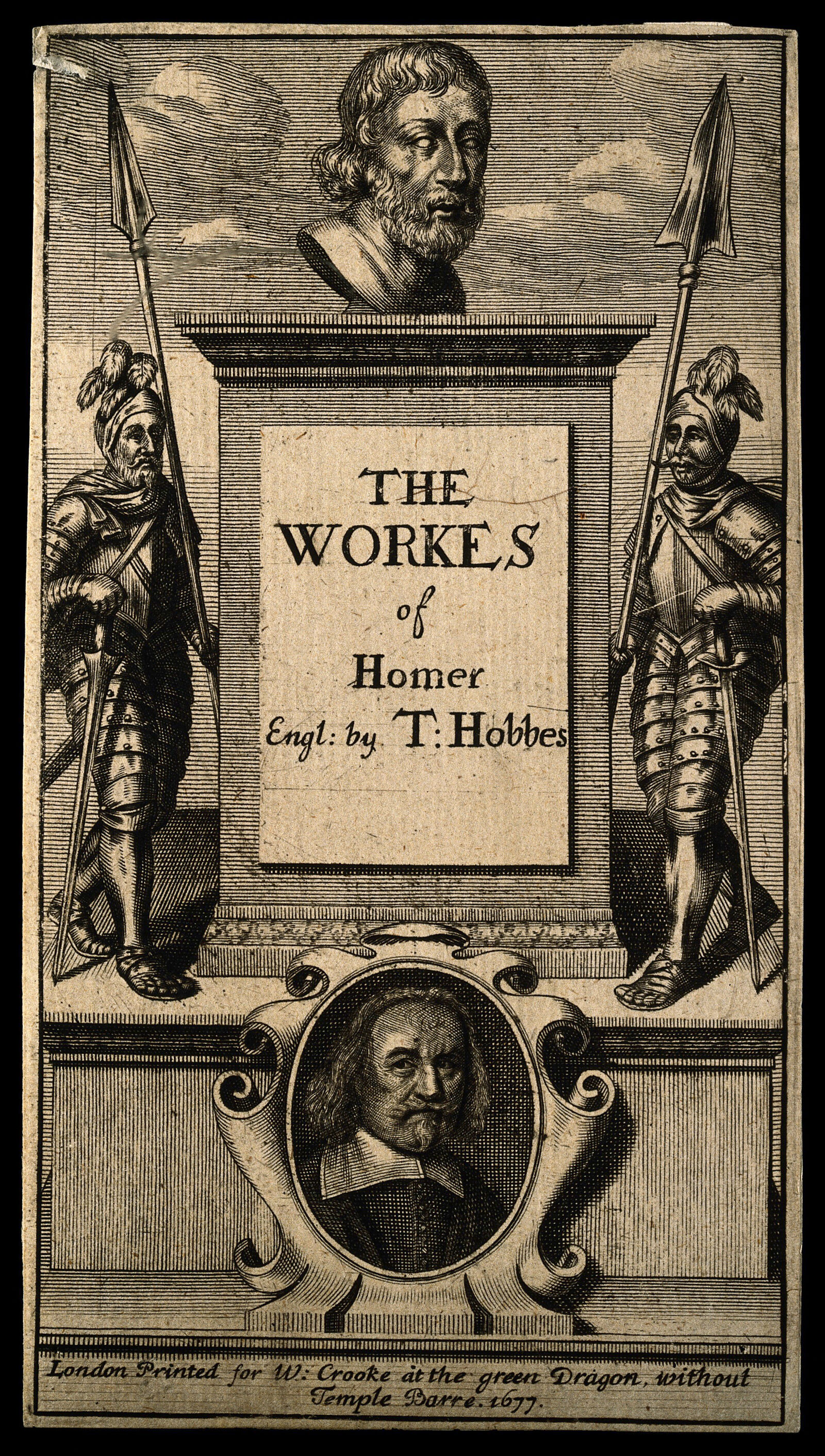
Title Page of The Workes of Homer, Translated by Thomas Hobbes
1677
Ready when you are
Start chatting with Thomas Hobbes now.
20 messages free · No credit card · Available in 50+ languages.