


Primary sourceDocument
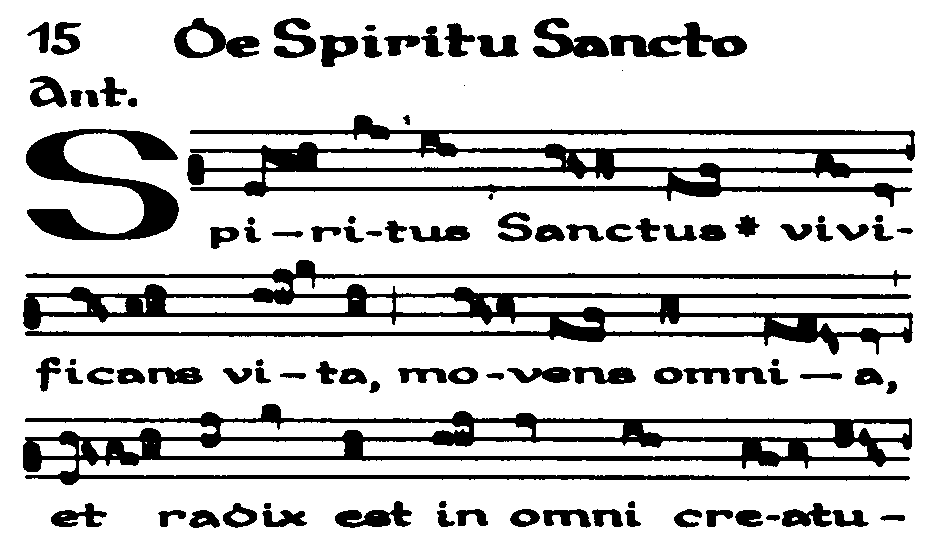
De Spiritu Sancto Antiphon Fragment
Hildegard von Bingen
A fragment of Hildegard's chant to the Holy Spirit, written in the neumatic notation used to record her music.
This is Hildegard's own musical composition, showing her creative work as a composer of sacred chant.
About this source
What it is
This is a fragment of an antiphon, a short chant sung in church services, titled De Spiritu Sancto (On the Holy Spirit). It was composed by Hildegard of Bingen and preserves the musical notation, called neumes, used in the twelfth century to mark pitch and rhythm.
Why it matters
Hildegard was one of the few medieval women whose music survives with her name attached. This fragment shows her skill as a composer as well as a writer, and reveals how religious women expressed theology through song rather than only prose.
Look closer
- What do the shapes above the text tell a singer to do?
- Why might chant have been an important way for a nun to share her ideas?
- What does the decorated initial letter suggest about how valued this text was?
This document is part of the curated material that grounds the AI version of Hildegard of Bingen on Humy.ai — when students ask about related events, the AI can quote it and cite it.
More Hildegard of Bingen sources
Meet the AI Hildegard of Bingen → Book
Primary source
Scivias
Hildegard of Bingen · 1151-1152
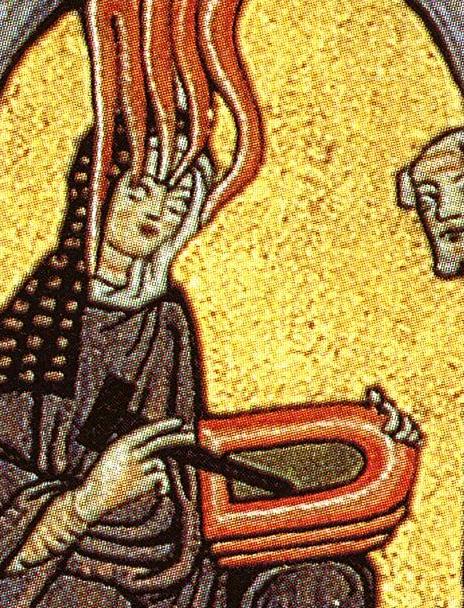 Painting
Primary source
Scivias Frontispiece Miniature
12th century
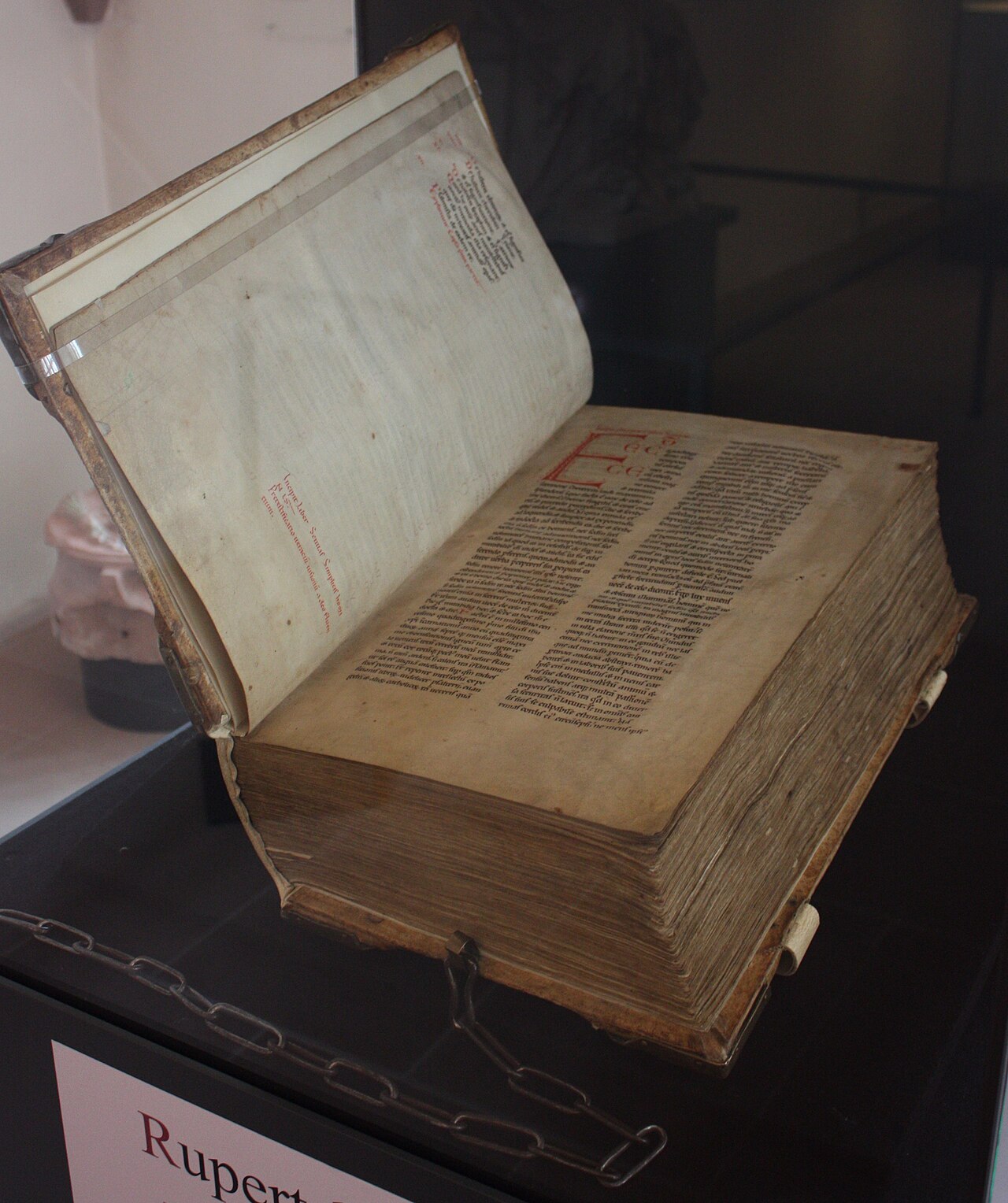 Book
Primary source
Wiesbaden Codex
Hildegard of Bingen · c. 1200
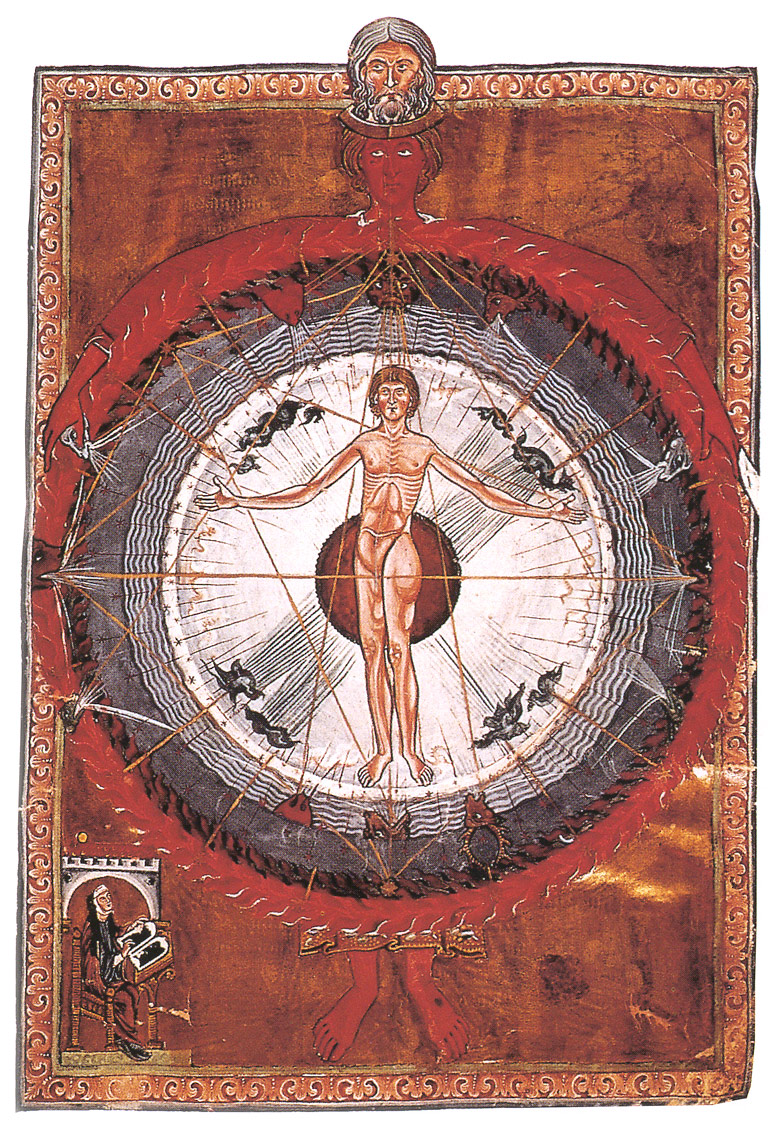 Book
Primary source
Liber divinorum operum
Hildegard of Bingen · c. 1163-1174
 Document
Primary source
Dendermonde Codex
Hildegard of Bingen · c. 1175
Ready when you are
Start chatting with Hildegard of Bingen now.
20 messages free · No credit card · Available in 50+ languages.