


Secondary sourceSculpture1887
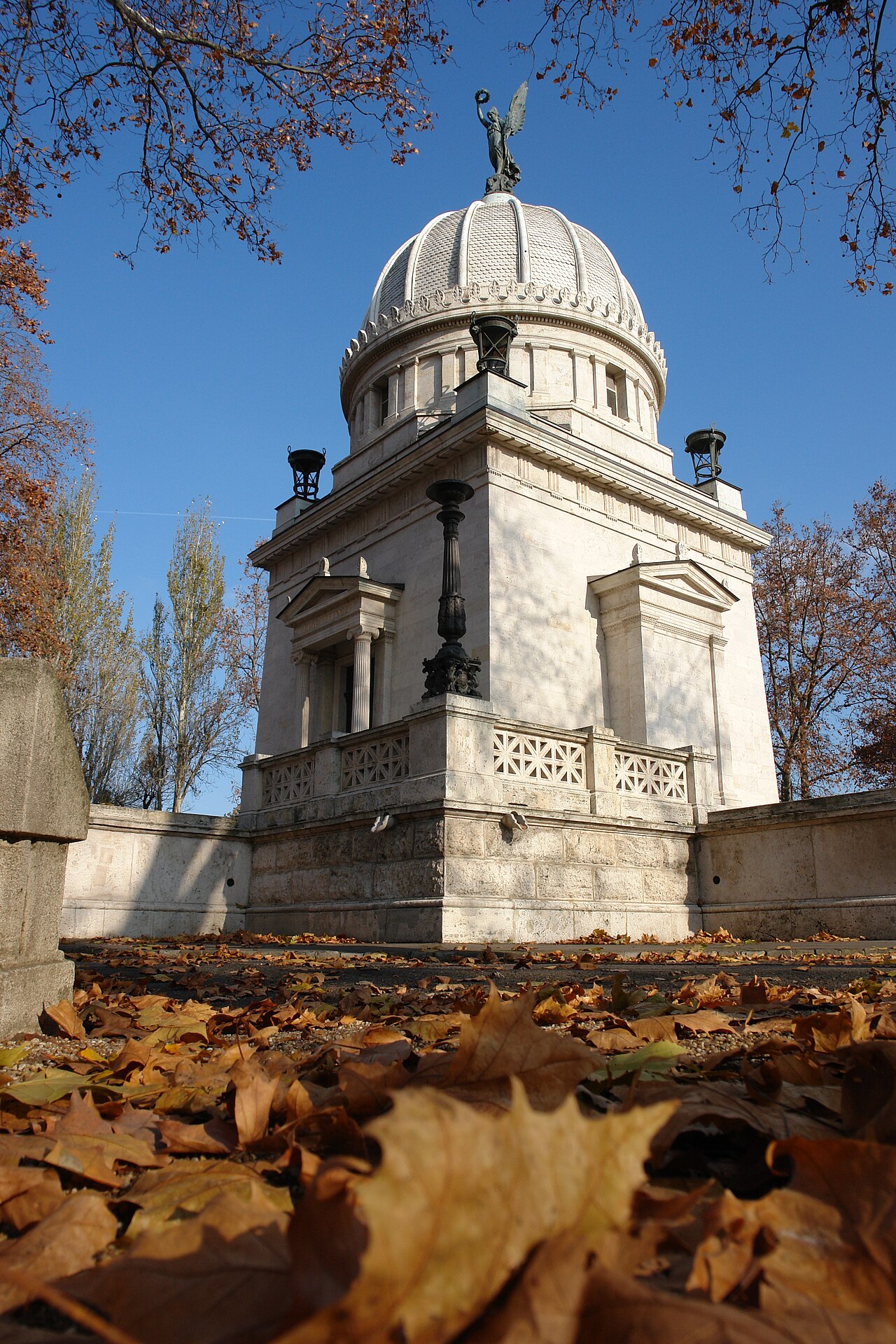
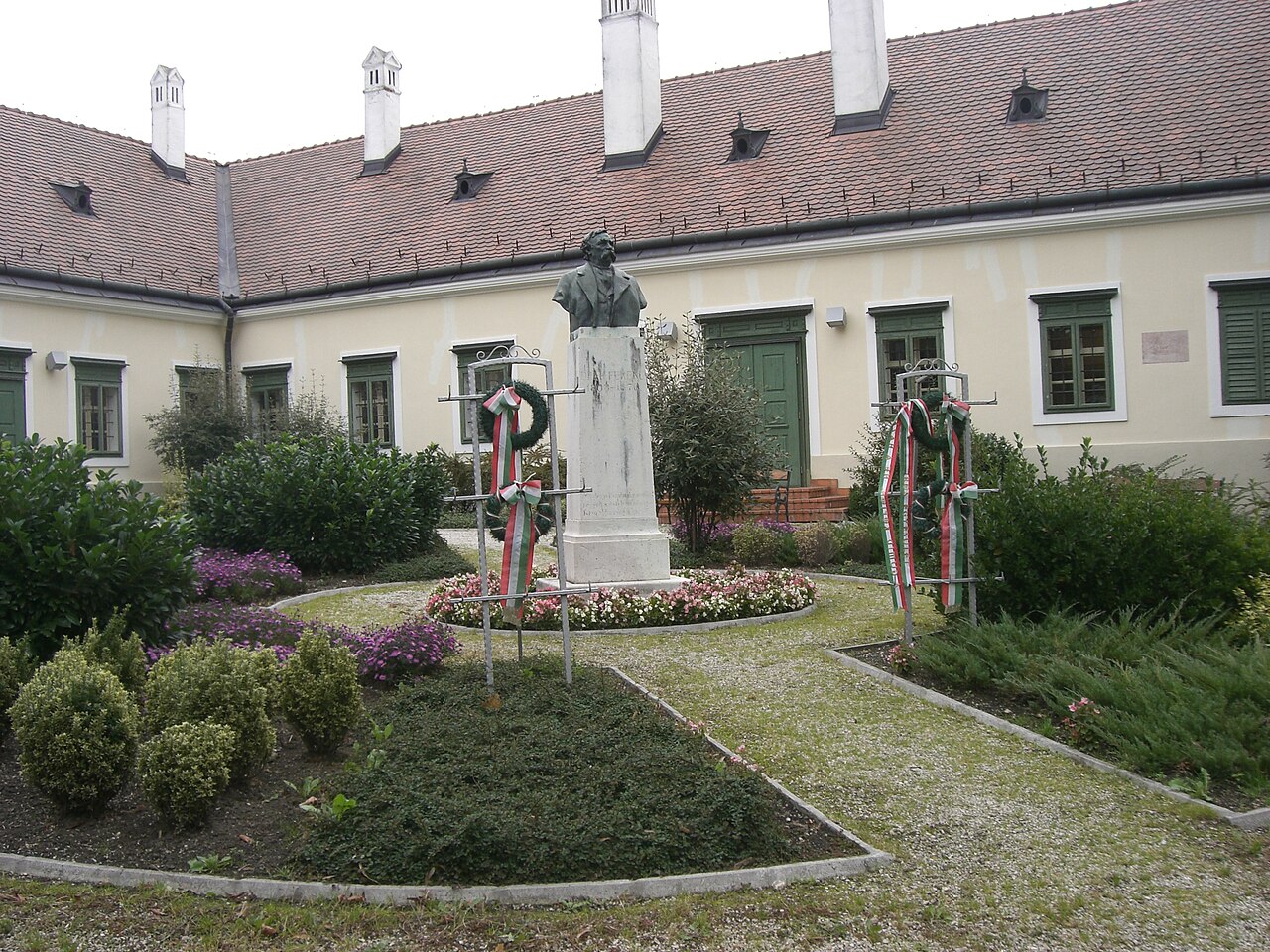
Deák Mausoleum, Kerepesi Cemetery
Kálmán Gerster · 1887
A monumental white domed mausoleum built by national subscription to honour Ferenc Deák after his death.
This mausoleum holds Deák's remains and reflects the national cult that grew around him after his death.
Free Humy account · No credit card · 120,912 sources to read
About this source
What it is
This is a large domed tomb designed by architect Kálmán Gerster, built in 1887 in the Fiumei Road Cemetery (then Kerepesi Cemetery) in Budapest. It stands as the final resting place of Ferenc Deák.
Why it matters
The mausoleum was paid for by public subscription, showing how important Deák had become to the Hungarian nation after his death. Grand tombs like this reveal how political leaders can be turned into national symbols and remembered through lasting monuments.
Look closer
- Why might a nation choose to build such a grand monument for a politician?
- What do the materials and design (dome, columns, statue) suggest about how Deák was remembered?
- What does this tell us about Deák's role rather than about his personal life?
This sculpture is part of the curated material that grounds the AI version of Ferenc Deák on Humy.ai — when students ask about related events, the AI can quote it and cite it.
More Ferenc Deák sources
Browse all 90 →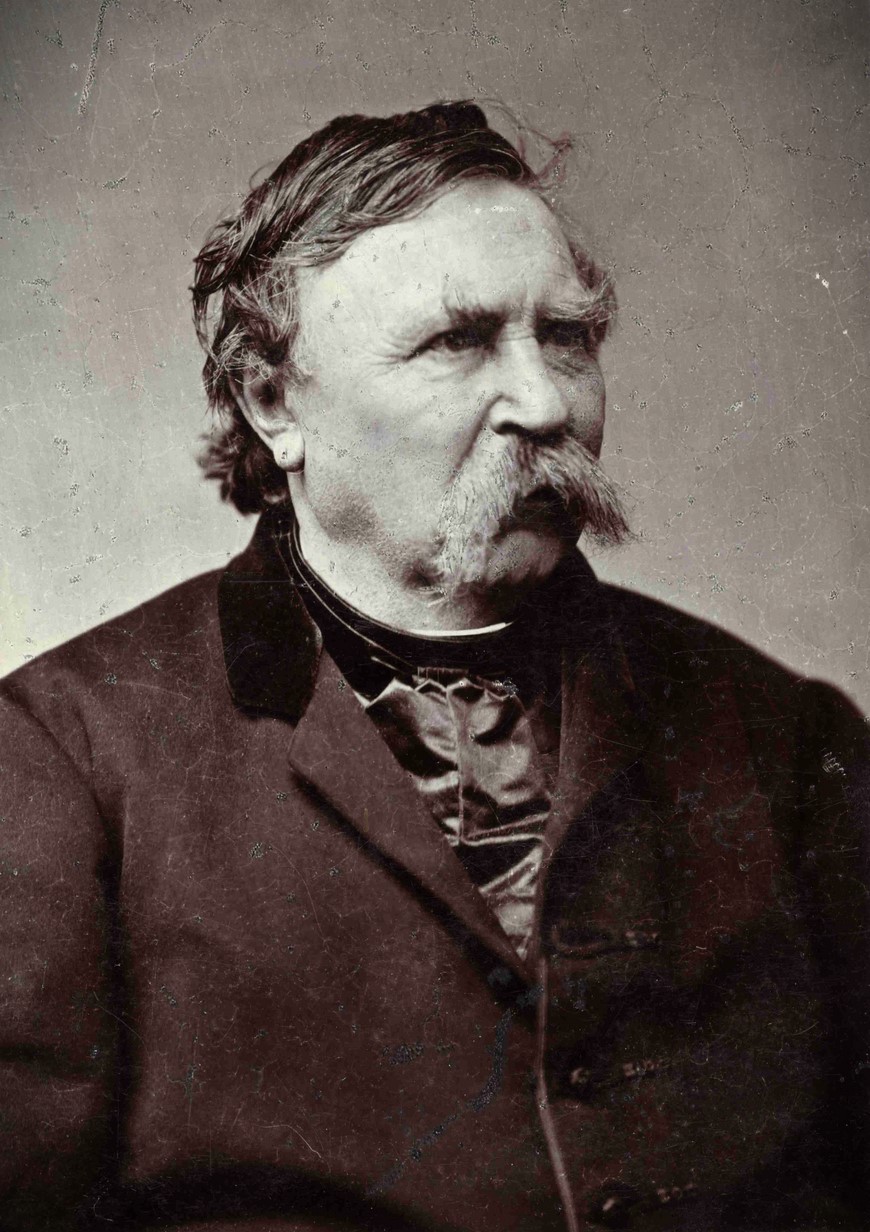 Photograph
Primary source
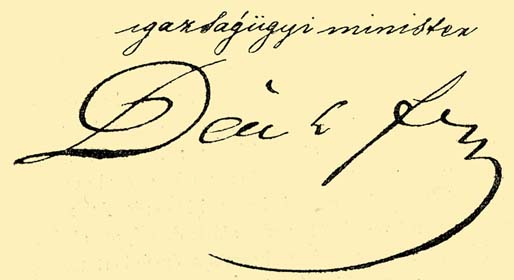
Portrait of Ferenc Deák
 Document
Primary source
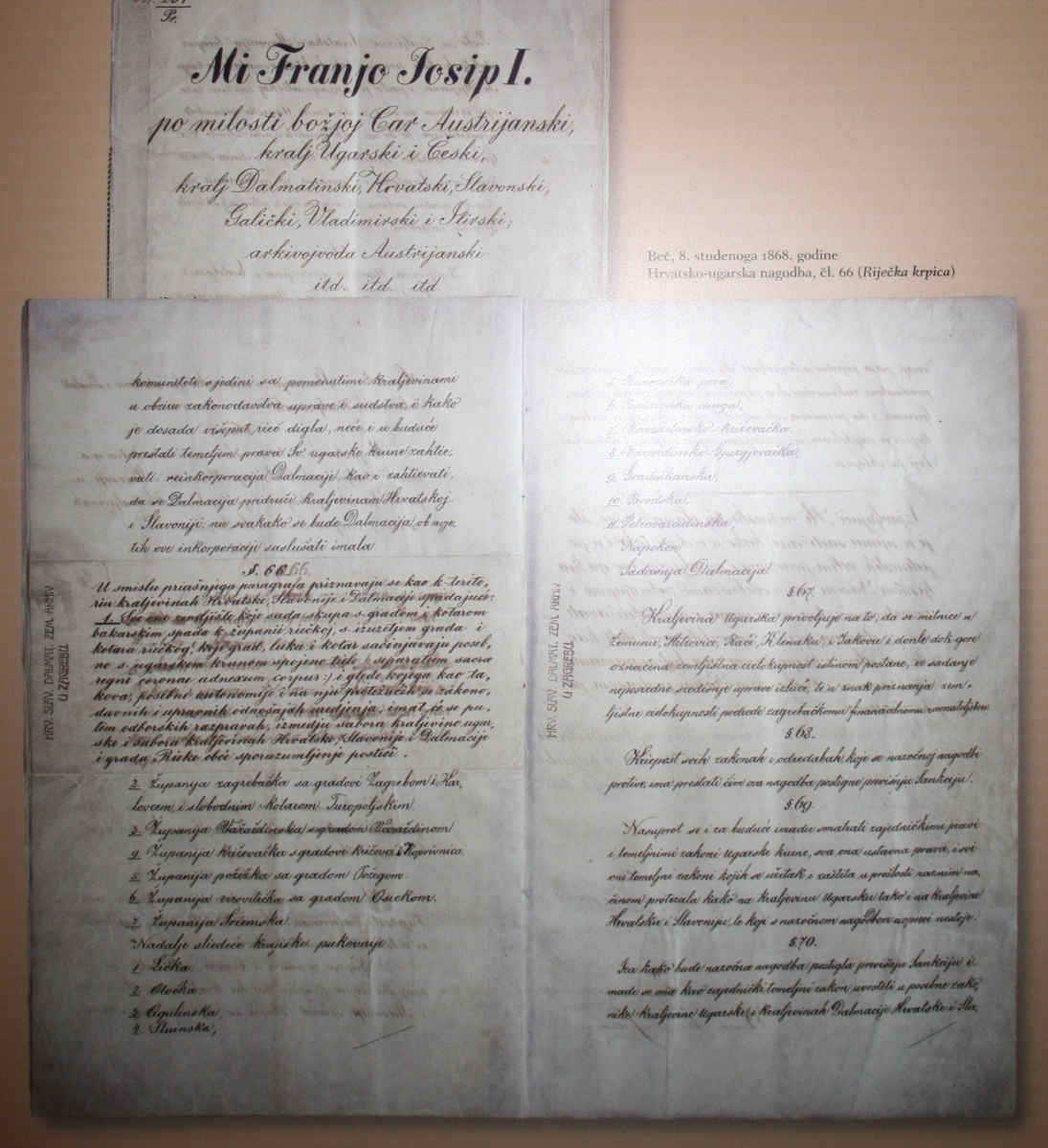
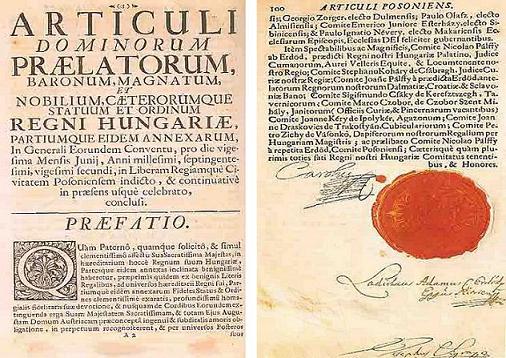
Croatian–Hungarian Settlement
1868
 Painting
Secondary source
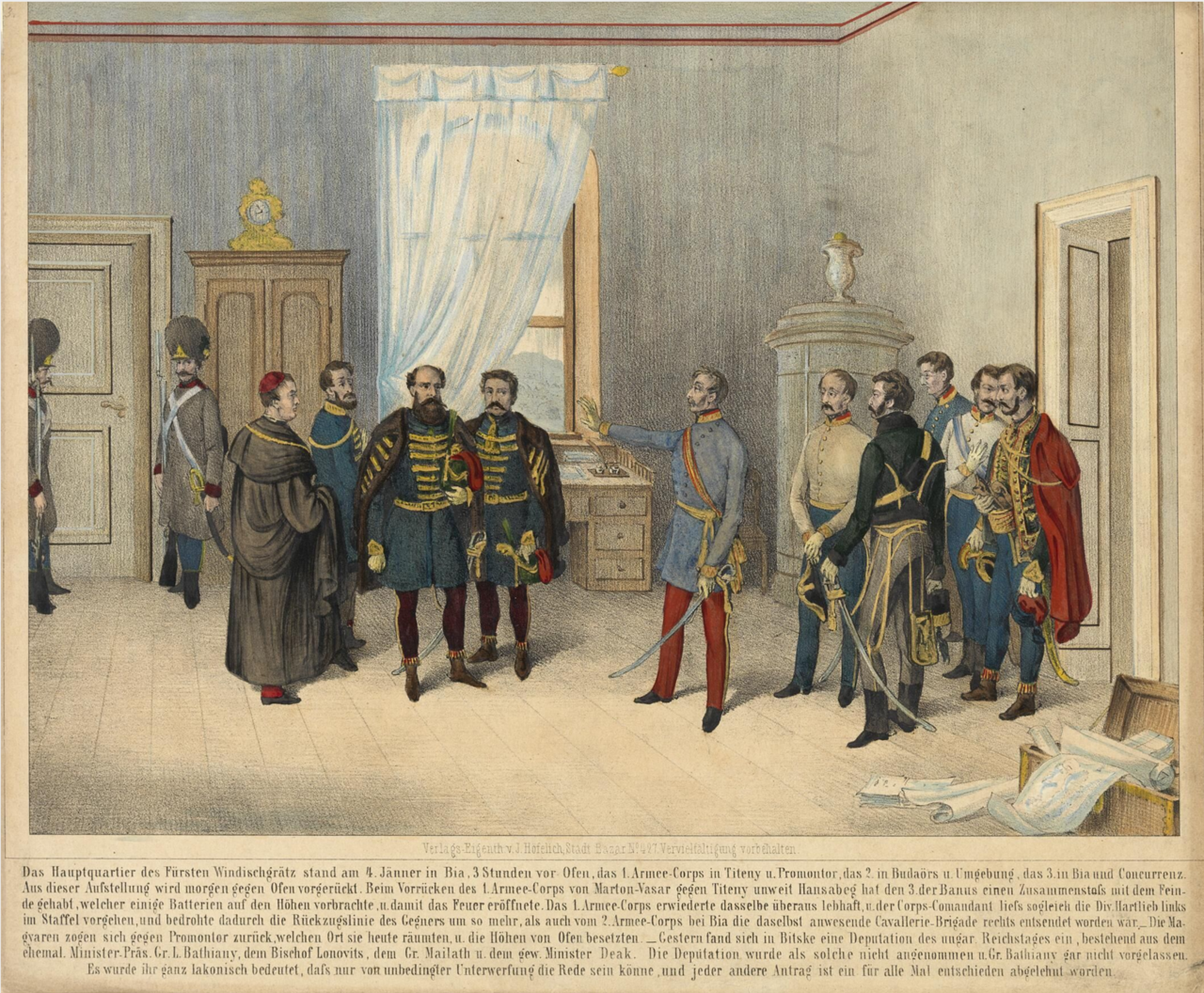
Windischgrätz Refuses to Talk to the Hungarian Parliamentary Delegation
Vinzenz Katzler · 1849 (depicted); print later
 Painting
Secondary source
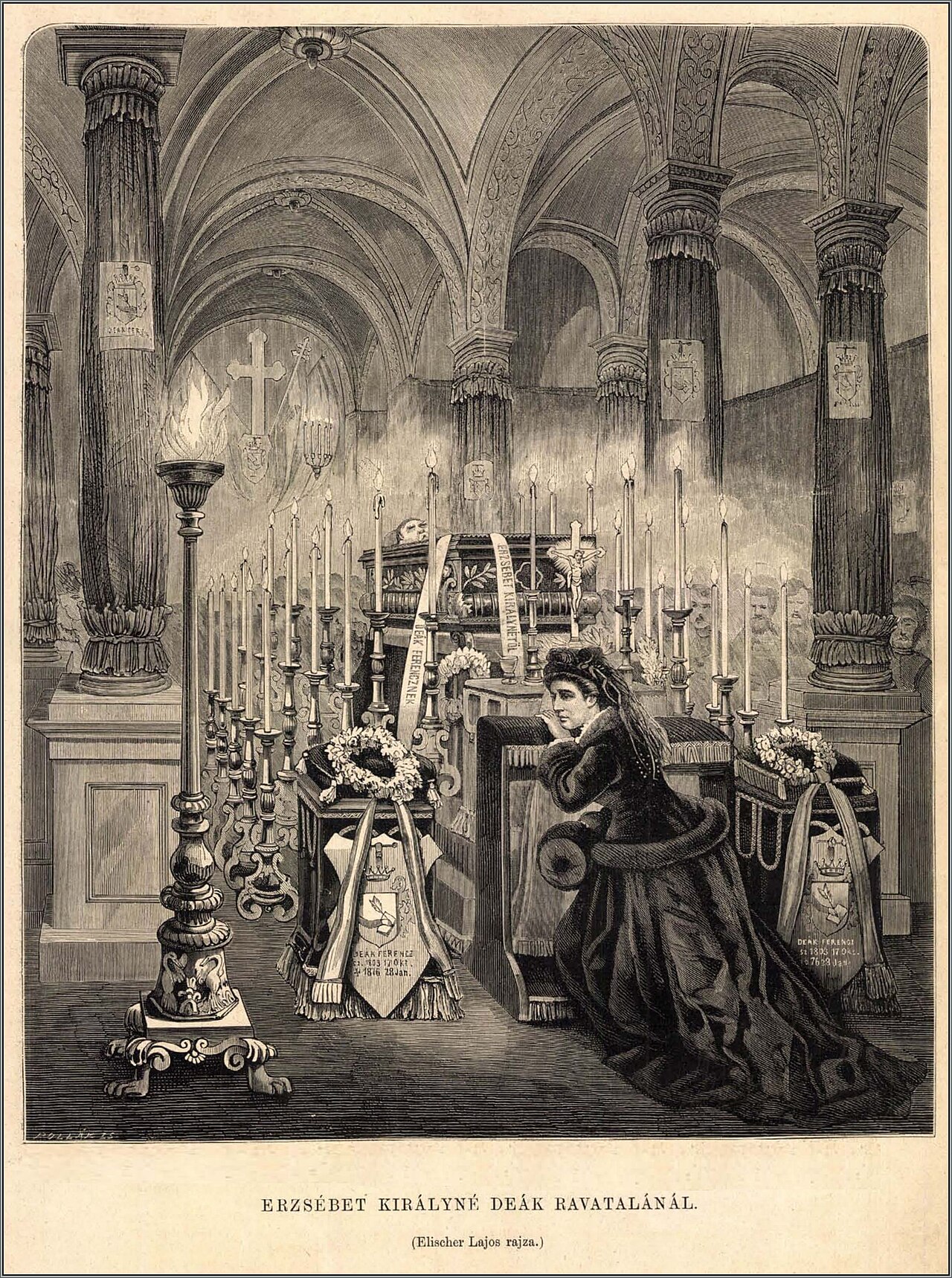
Erzsébet királyné Deák ravatalánál
Lajos Elischer · 1876
Free account
Read every Ferenc Deák source
Sign up free →
Ready when you are
Start chatting with Ferenc Deák now.
20 messages free · No credit card · Available in 50+ languages.