


Primary sourceNewspaper article1917
Death Comes to Mata Hari
Henry G. Wales · 1917
A 1917 news report by Henry G. Wales describing Mata Hari's execution by firing squad, the account that shaped her legend.
This report describes Mata Hari's execution and is the primary source that created the popular legend of her death.
Free Humy account · No credit card · 120,912 sources to read
About this source
What it is
This is a newspaper report written by Henry G. Wales for the International News Service in 1917, describing the execution of Mata Hari (born Gertrud Margarete Zelle) by firing squad at the Vincennes Barracks.
Why it matters
Wales's account, written soon after her death, became the contemporary source that created the popular legend of Mata Hari facing her execution calmly and refusing a blindfold. It shaped how the public remembered her for decades, blending fact and dramatic storytelling about her final hours, including her appeal to President Poincaré and the people present at her death.
Look closer
- Why might a reporter emphasize details like her calm sleep and her request to write letters?
- What parts of this account can you verify, and what parts rely only on the reporter's own description?
- How might a news account written right after an execution differ from a later historian's account?
This newspaper article is part of the curated material that grounds the AI version of Mata Hari on Humy.ai — when students ask about related events, the AI can quote it and cite it.
More Mata Hari sources
Browse all 70 →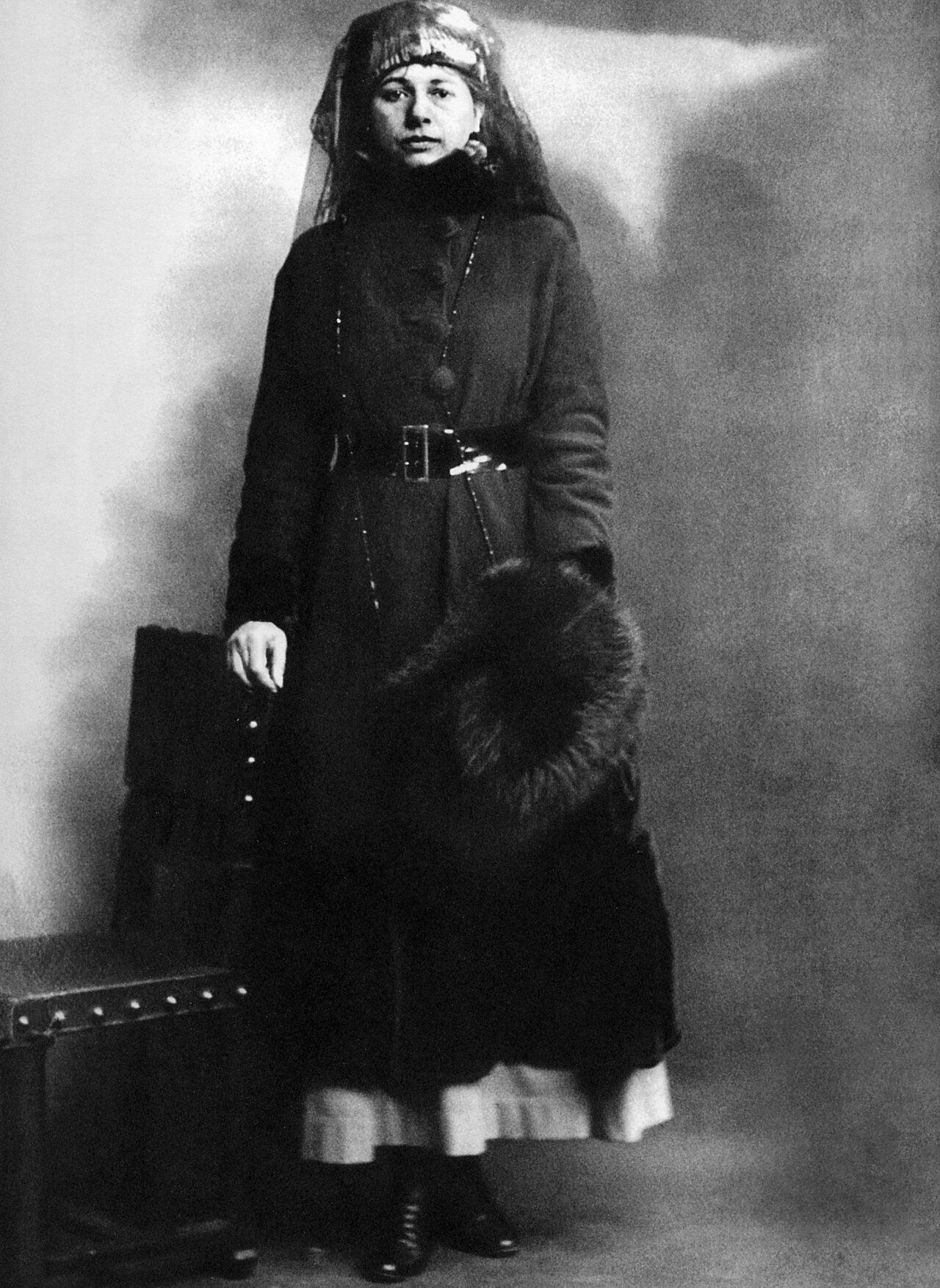 Photograph
Primary source
Mata Hari on the Day of Her Arrest
13 February 1917
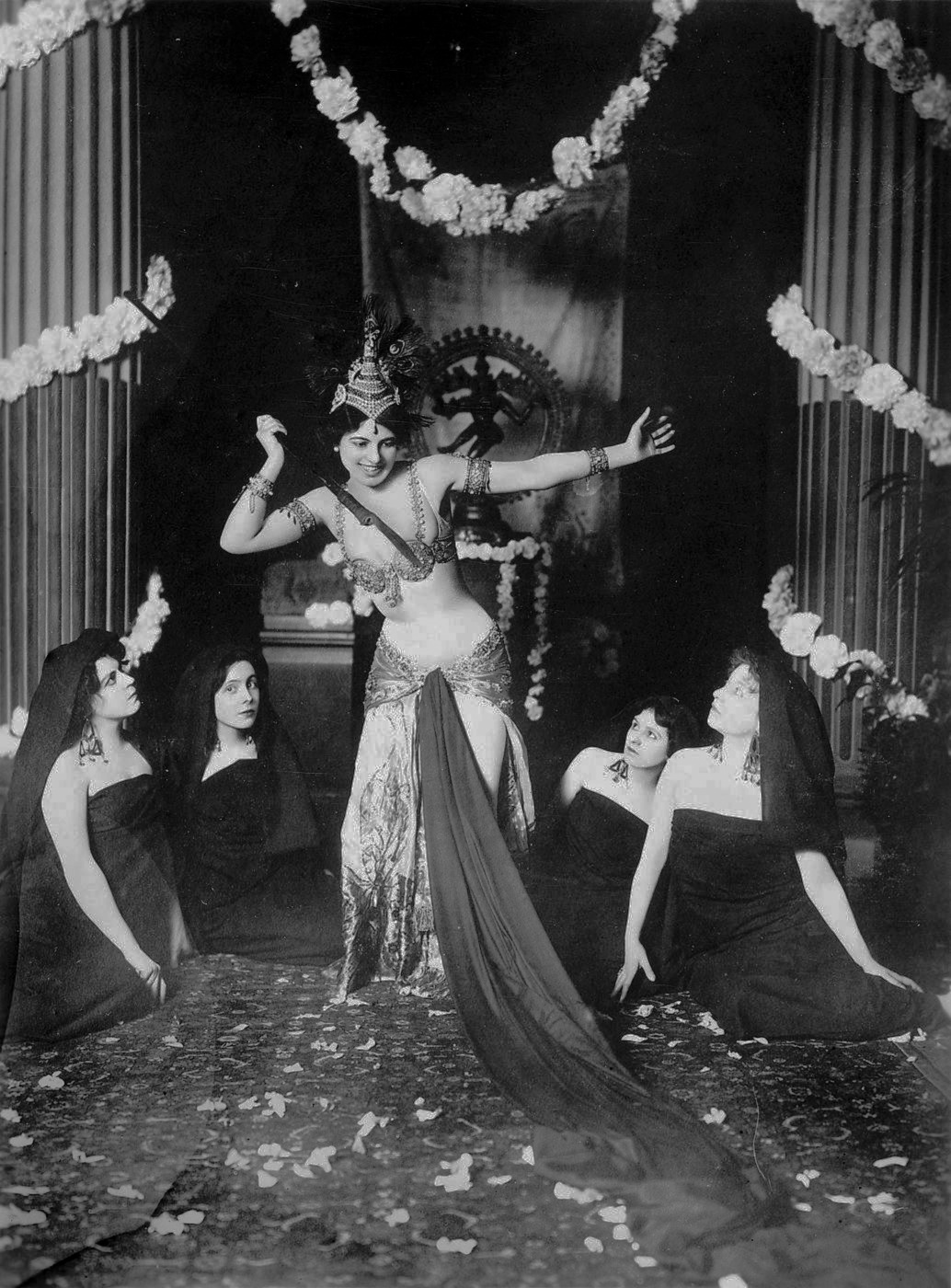 Photograph
Primary source
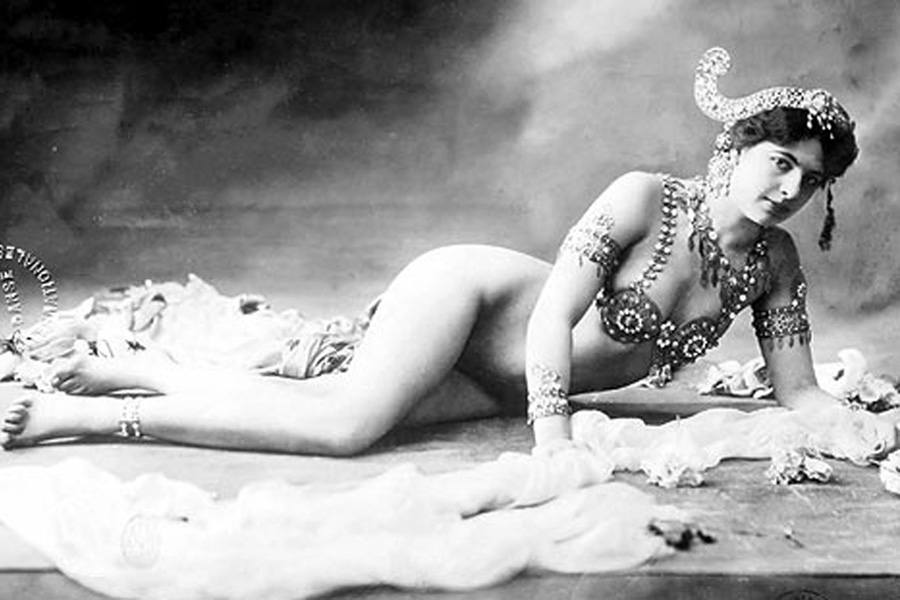
Mata Hari Dancing in the Musée Guimet
13 March 1905
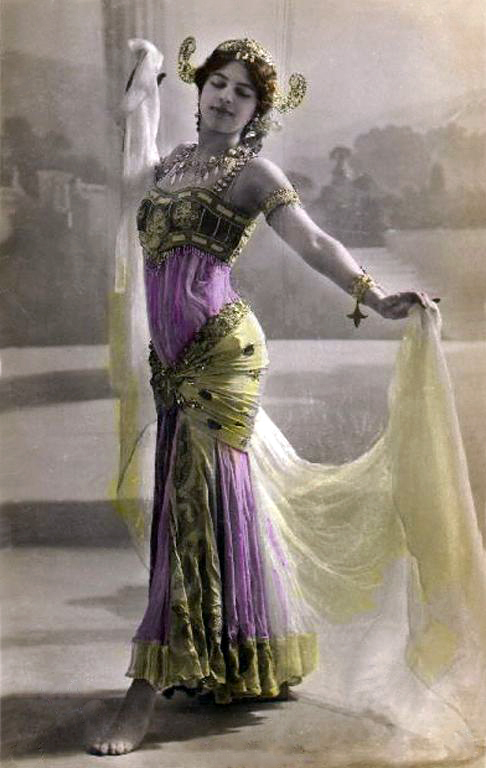 Photograph
Primary source
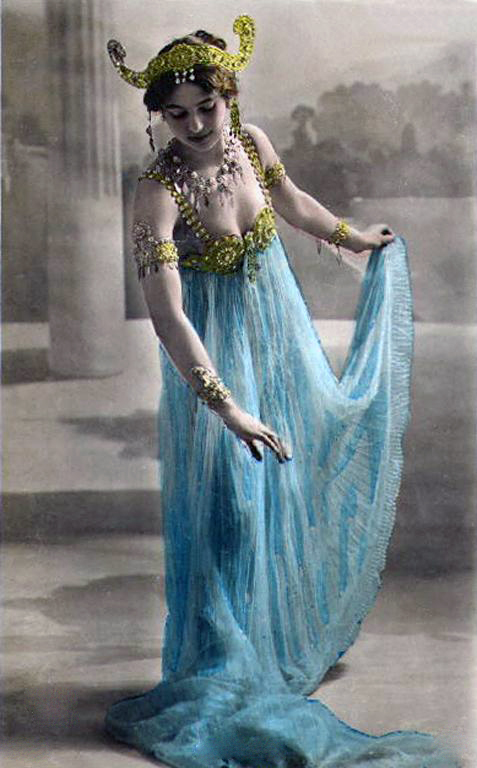
Postcard of Mata Hari in Paris
Lucien Walery
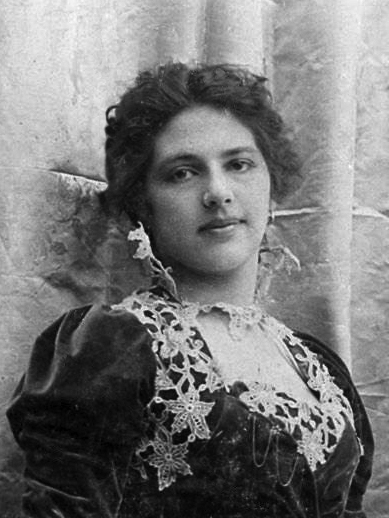 Photograph
Primary source
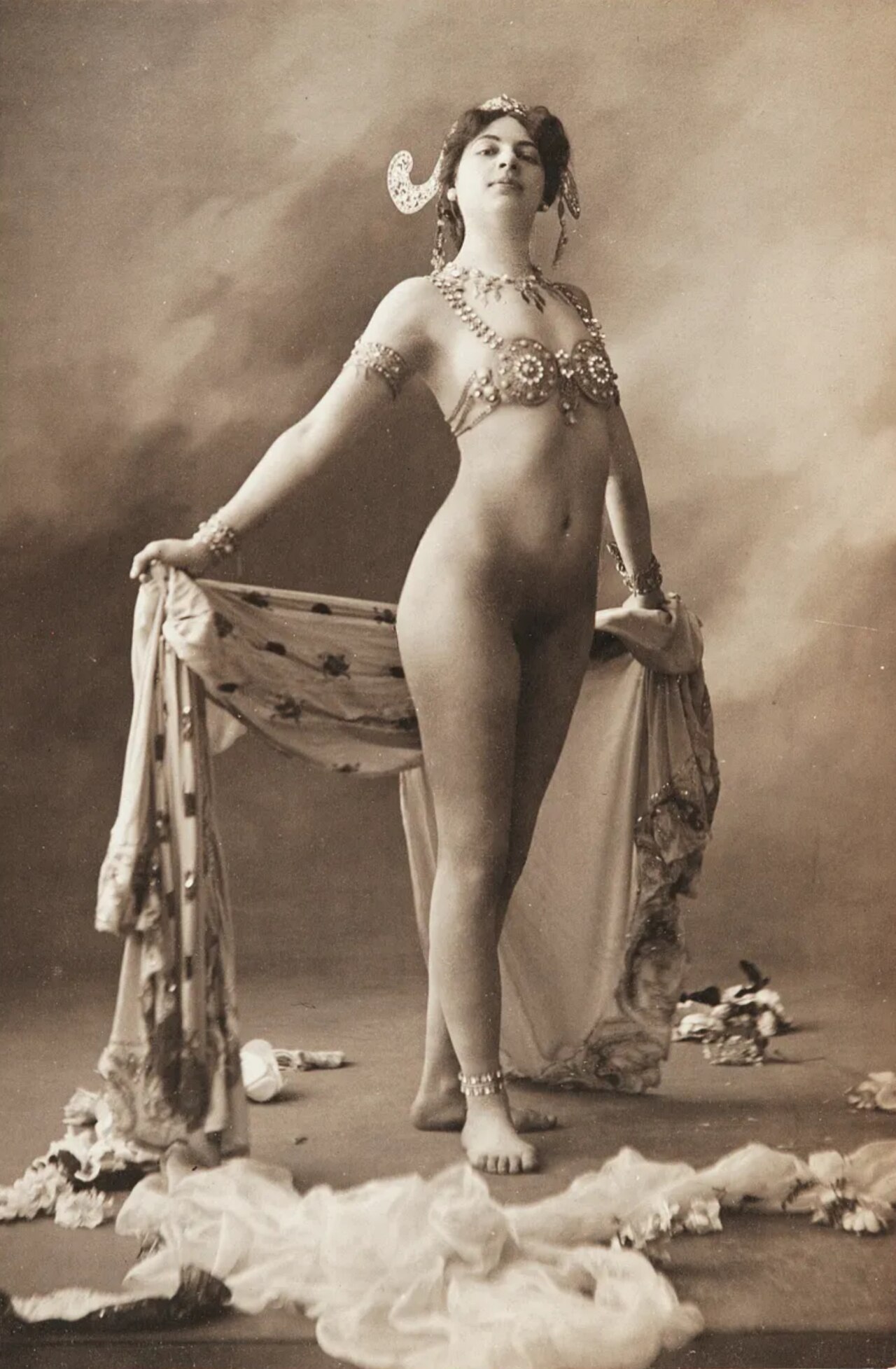
Portrait of Mata Hari in the Dutch East Indies
c. 1900
Free account
Read every Mata Hari source
Sign up free →
Ready when you are
Start chatting with Mata Hari now.
20 messages free · No credit card · Available in 50+ languages.