


Primary sourcePhotographc. 1900
Portrait of Mata Hari in the Dutch East Indies
c. 1900
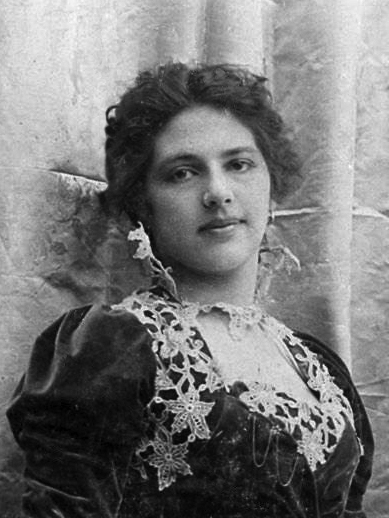
A studio portrait of Margaretha MacLeod-Zelle, the future Mata Hari, taken around 1900 while she lived in the Dutch East Indies as a colonial officer's wife.
This portrait shows Mata Hari before fame, as Margaretha MacLeod-Zelle, living in the Dutch East Indies.
About this source
What it is
This black-and-white studio portrait shows a woman with dark hair pulled up, wearing a dark velvet dress with an ornate lace collar, photographed around 1900 in the Dutch East Indies. At this time she was known as Margaretha MacLeod-Zelle, the wife of a Dutch colonial army officer.
Why it matters
This image predates her fame as 'Mata Hari' and shows her ordinary identity before she reinvented herself as an exotic dancer in Paris. She later claimed to have taken the name Mata Hari during her time in the Dutch East Indies, making this portrait an important link between her private life and the public persona she would later create.
Look closer
- How does this portrait differ from later photographs of her as a performer?
- What does her dress and pose suggest about her life and status at this time?
- Why might someone later reinvent their identity so completely?
This photograph is part of the curated material that grounds the AI version of Mata Hari on Humy.ai — when students ask about related events, the AI can quote it and cite it.
More Mata Hari sources
Browse all 70 →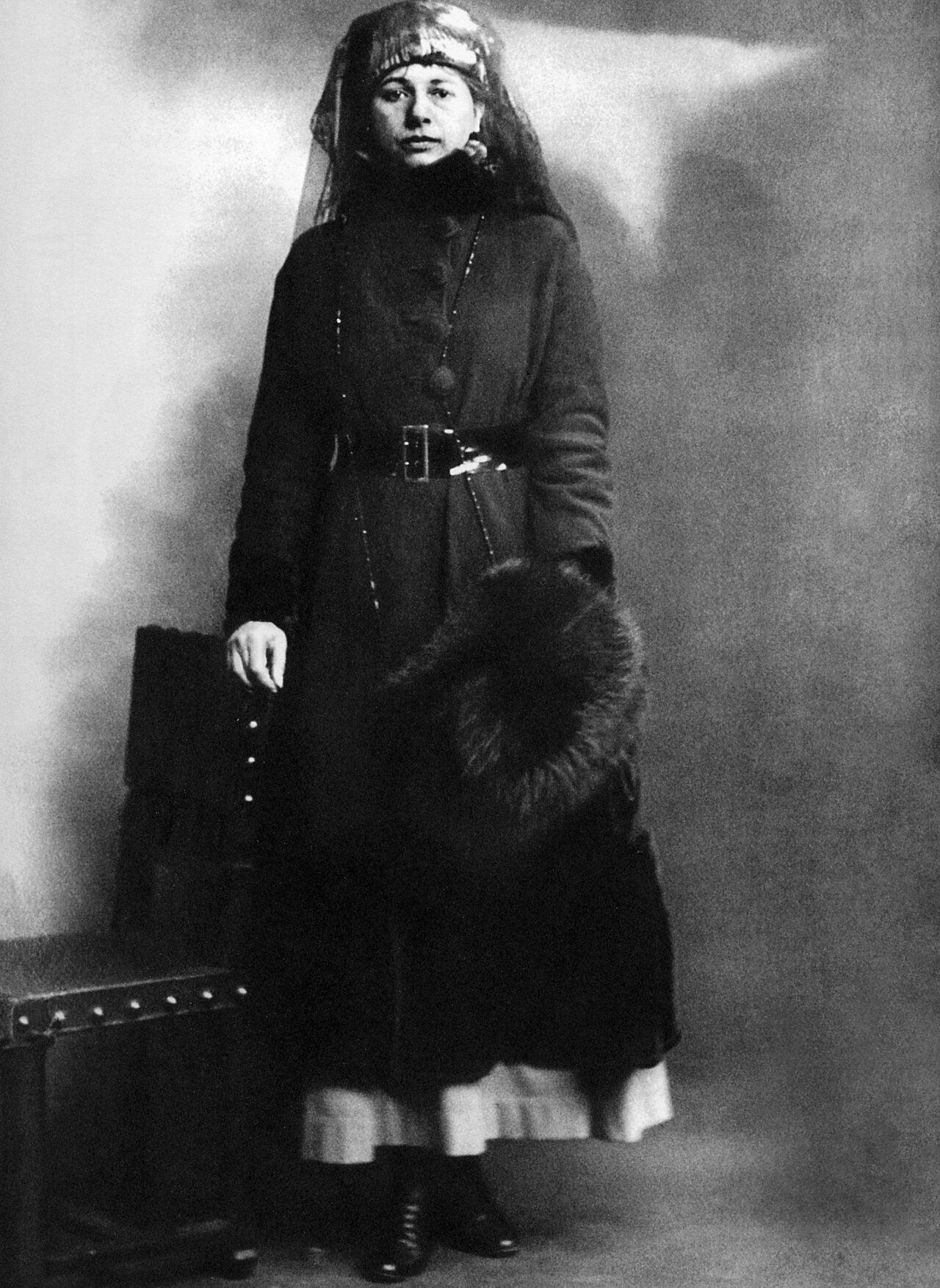 Photograph
Primary source
Mata Hari on the Day of Her Arrest
13 February 1917
Primary source
Death Comes to Mata Hari
Henry G. Wales · 1917
 Photograph
Primary source
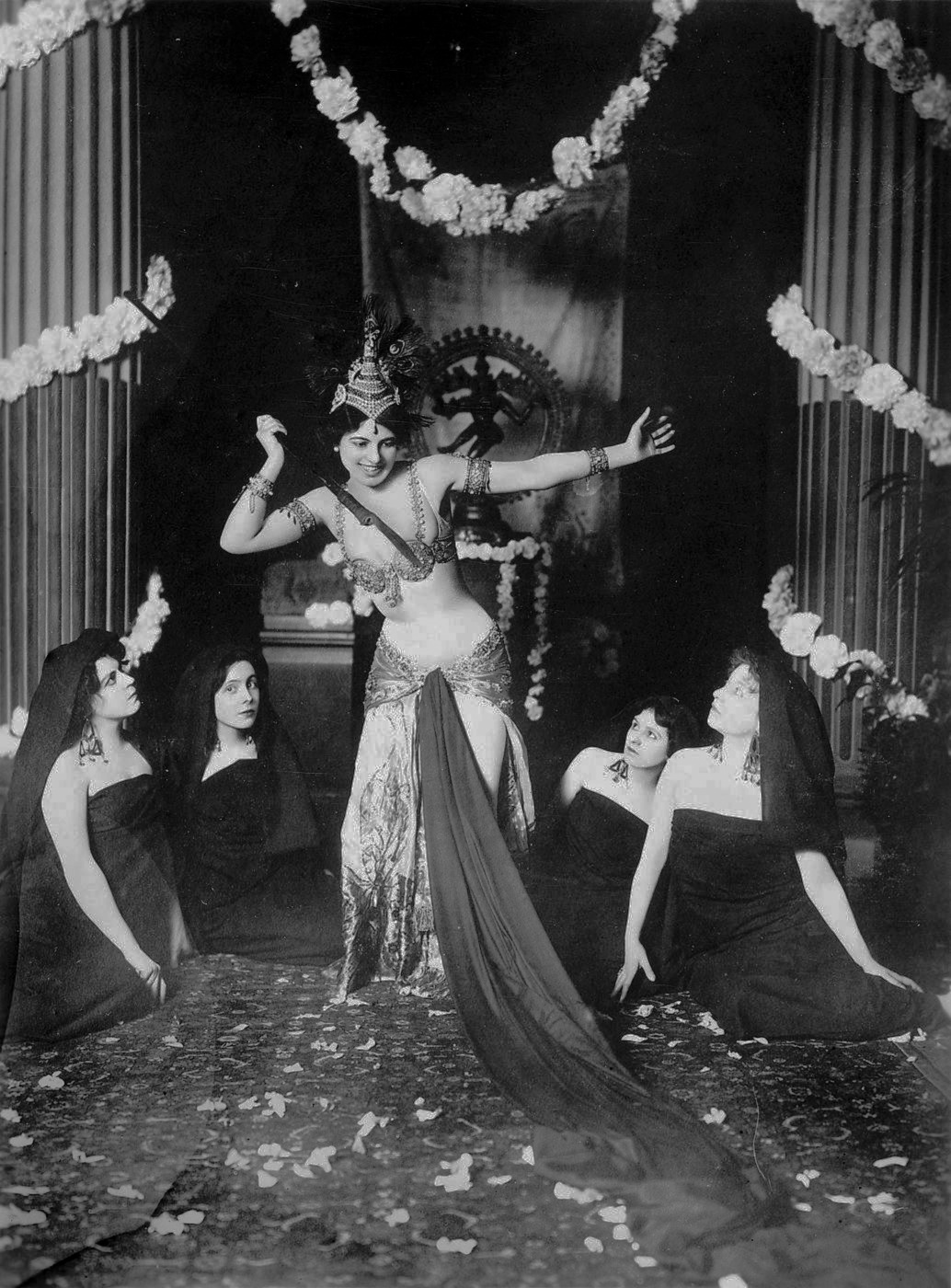
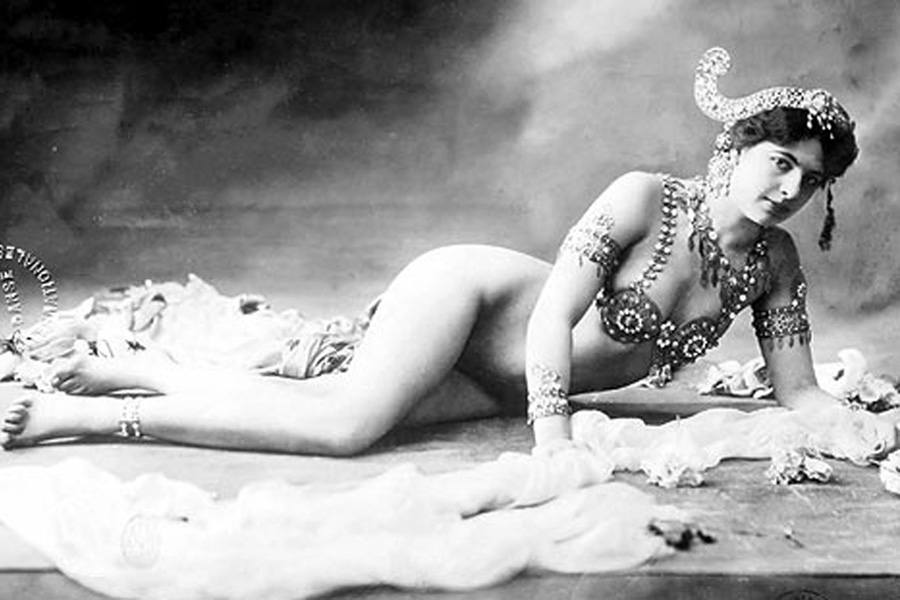
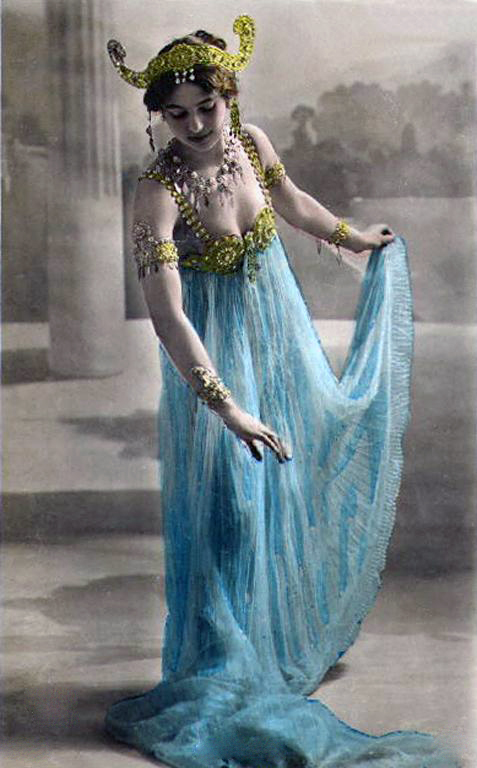
Mata Hari Dancing in the Musée Guimet
13 March 1905
 Photograph
Primary source
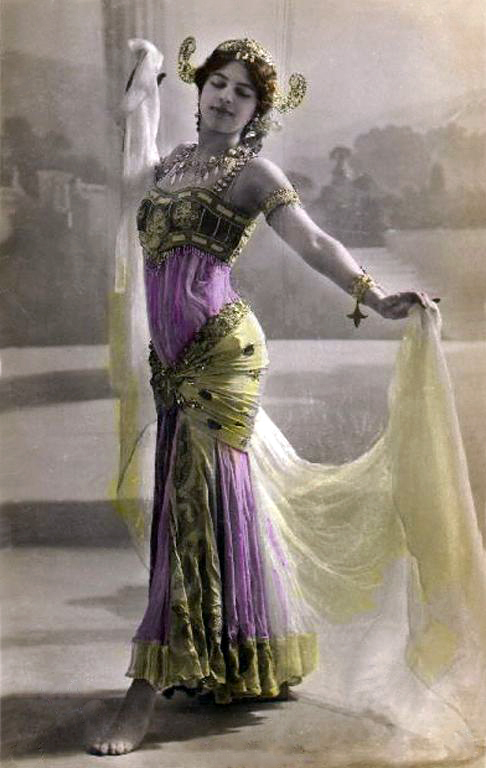
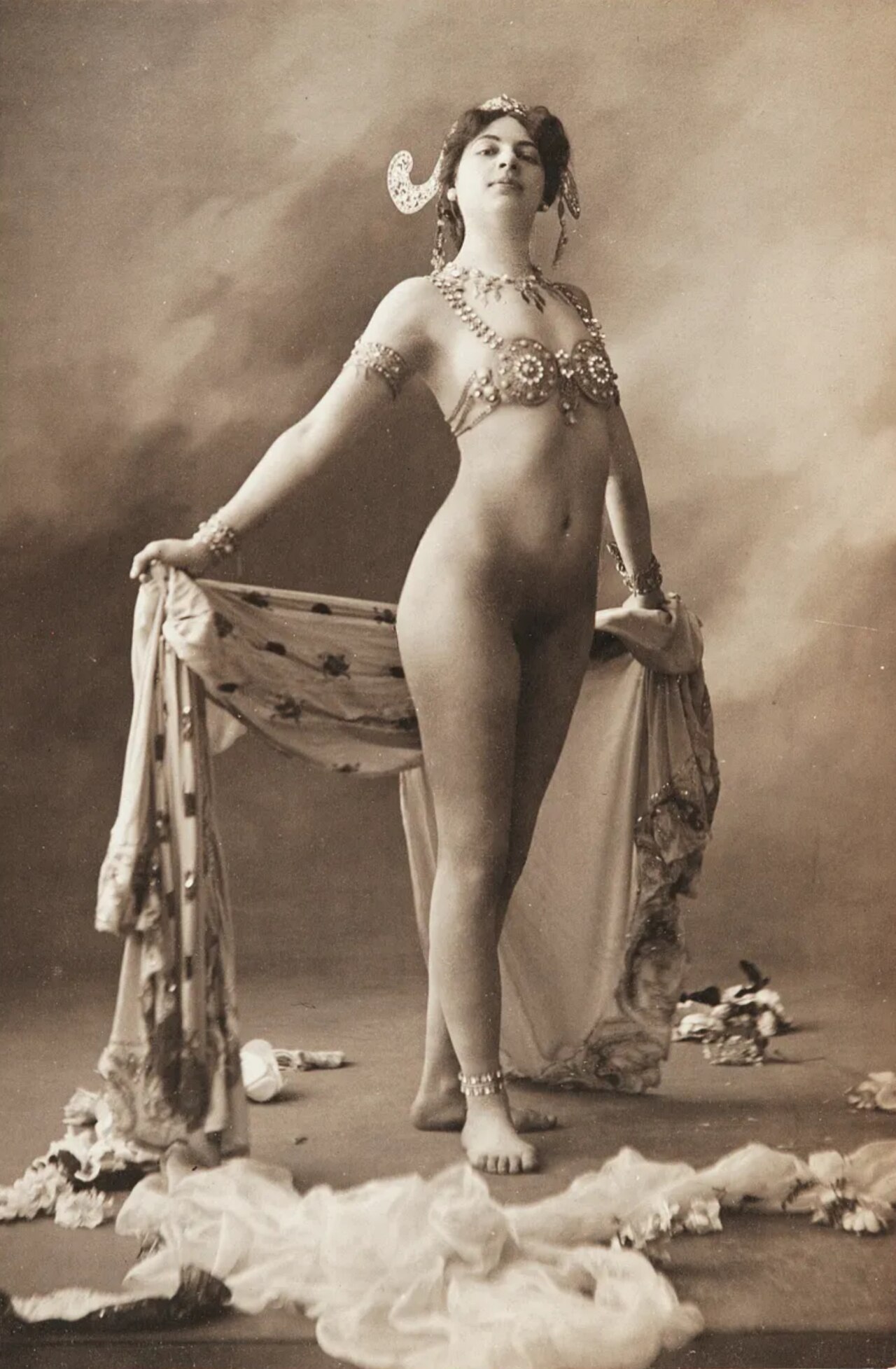
Postcard of Mata Hari in Paris
Lucien Walery
Free account
Read every Mata Hari source
Sign up free →
Ready when you are
Start chatting with Mata Hari now.
20 messages free · No credit card · Available in 50+ languages.