


Primary sourceArtifact1727
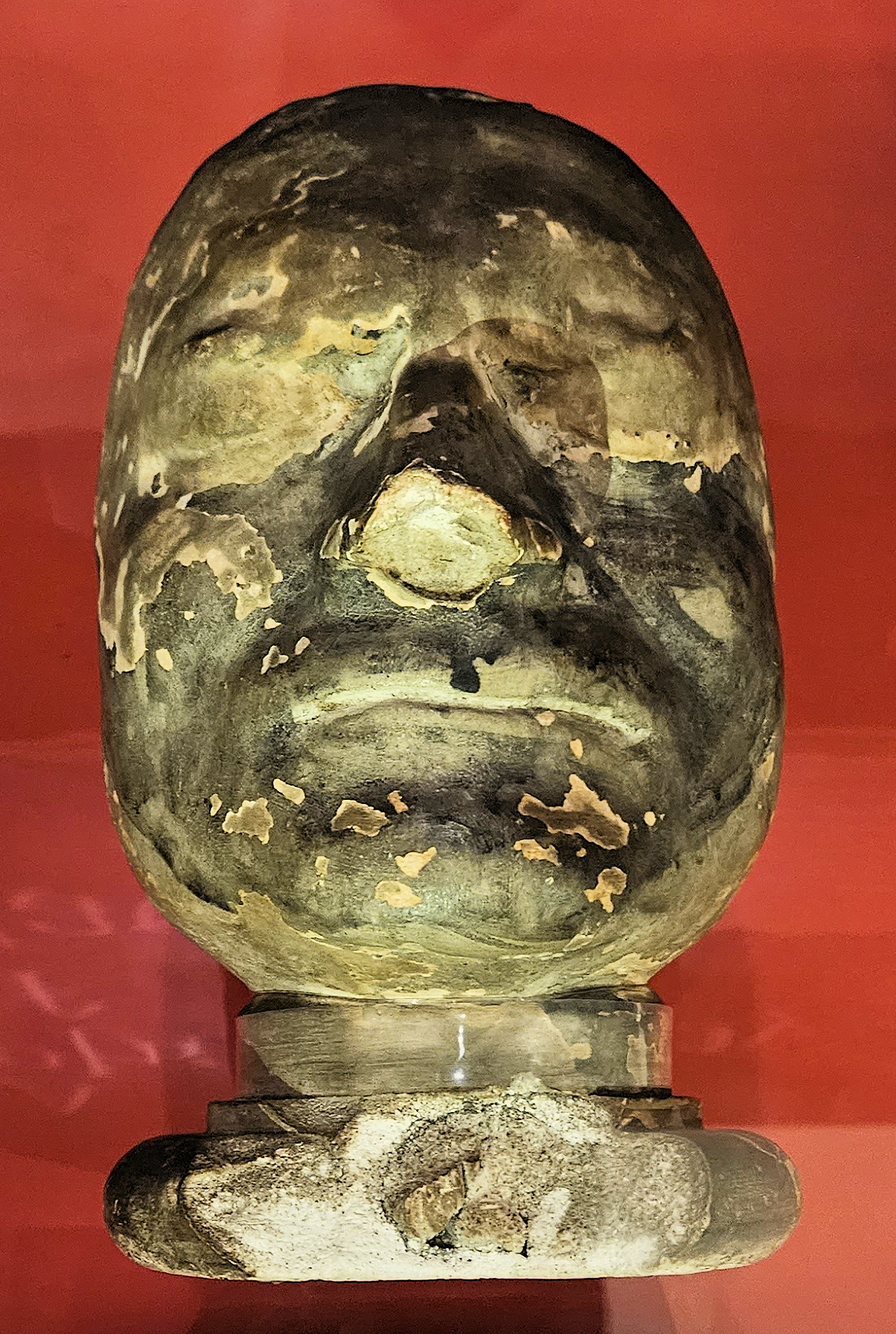
Death Mask of Isaac Newton
Unknown (possibly Michael Rysbrack) · 1727
A plaster cast taken from Newton's face shortly after his death in 1727, used by sculptors to record his features.
This cast of Newton's own face, taken at his death, is the most direct physical record of his appearance.
About this source
What it is
This is a plaster death mask cast from Isaac Newton's face, made around 1727, possibly by sculptor Michael Rysbrack. It is now held at the Huntington Library.
Why it matters
Death masks were made to capture a person's true likeness before burial, and sculptors used them to create accurate portraits and monuments. This mask is considered the most direct physical record of Newton's actual facial features, more reliable than any painted portrait made from memory.
Look closer
- Why might sculptors have wanted an exact copy of Newton's face rather than relying on paintings?
- What can a death mask tell us, and what can it not tell us, about a person's life?
- Who do you think decided to make this mask, and why might that have mattered to his reputation?
This artifact is part of the curated material that grounds the AI version of Isaac Newton on Humy.ai — when students ask about related events, the AI can quote it and cite it.
More Isaac Newton sources
Meet the AI Isaac Newton →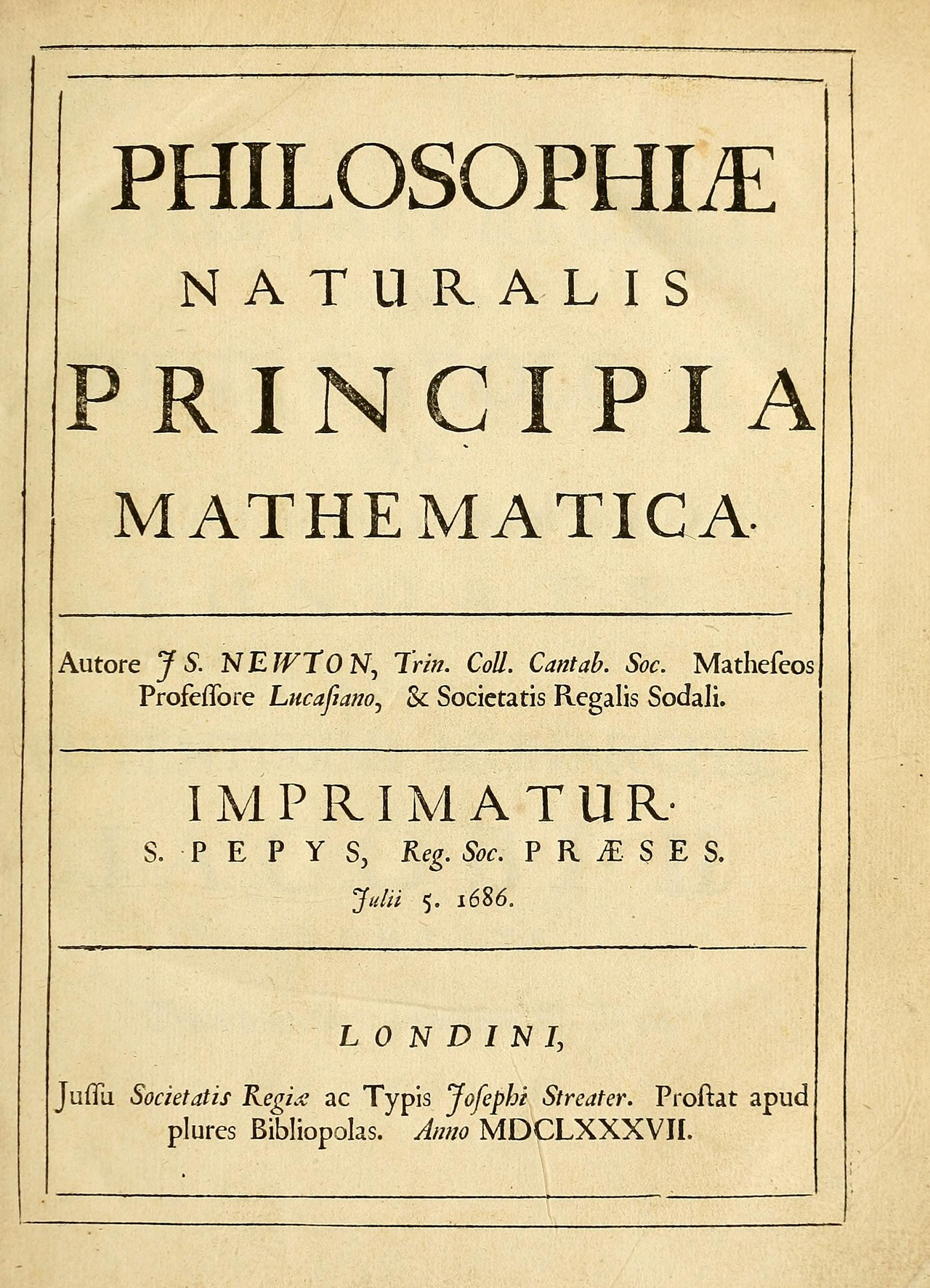 Book
Primary source
Philosophiæ Naturalis Principia Mathematica
Isaac Newton · 1687
 Book
Primary source
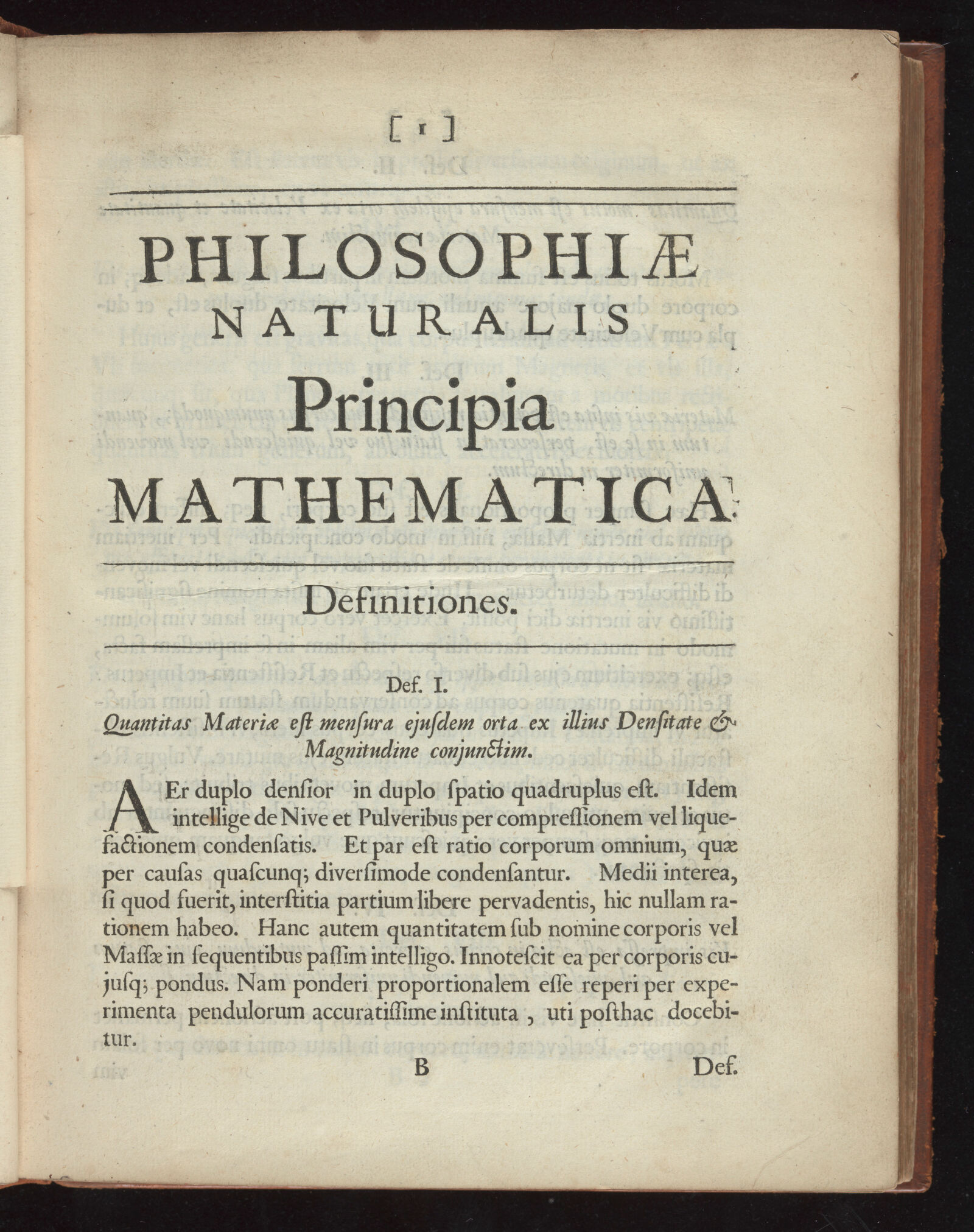
Principia Mathematica, Page 1: Definitions
Isaac Newton · 1687
 Painting
Primary source
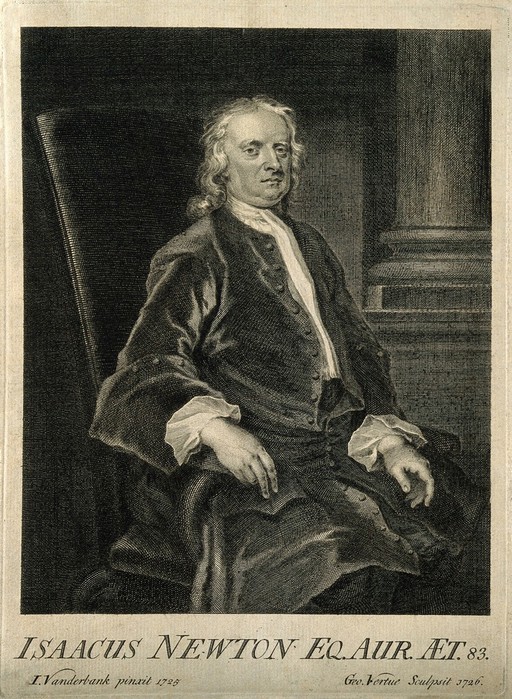
Sir Isaac Newton, line engraving by Vertue, 1726
George Vertue · 1726
 Document
Primary source
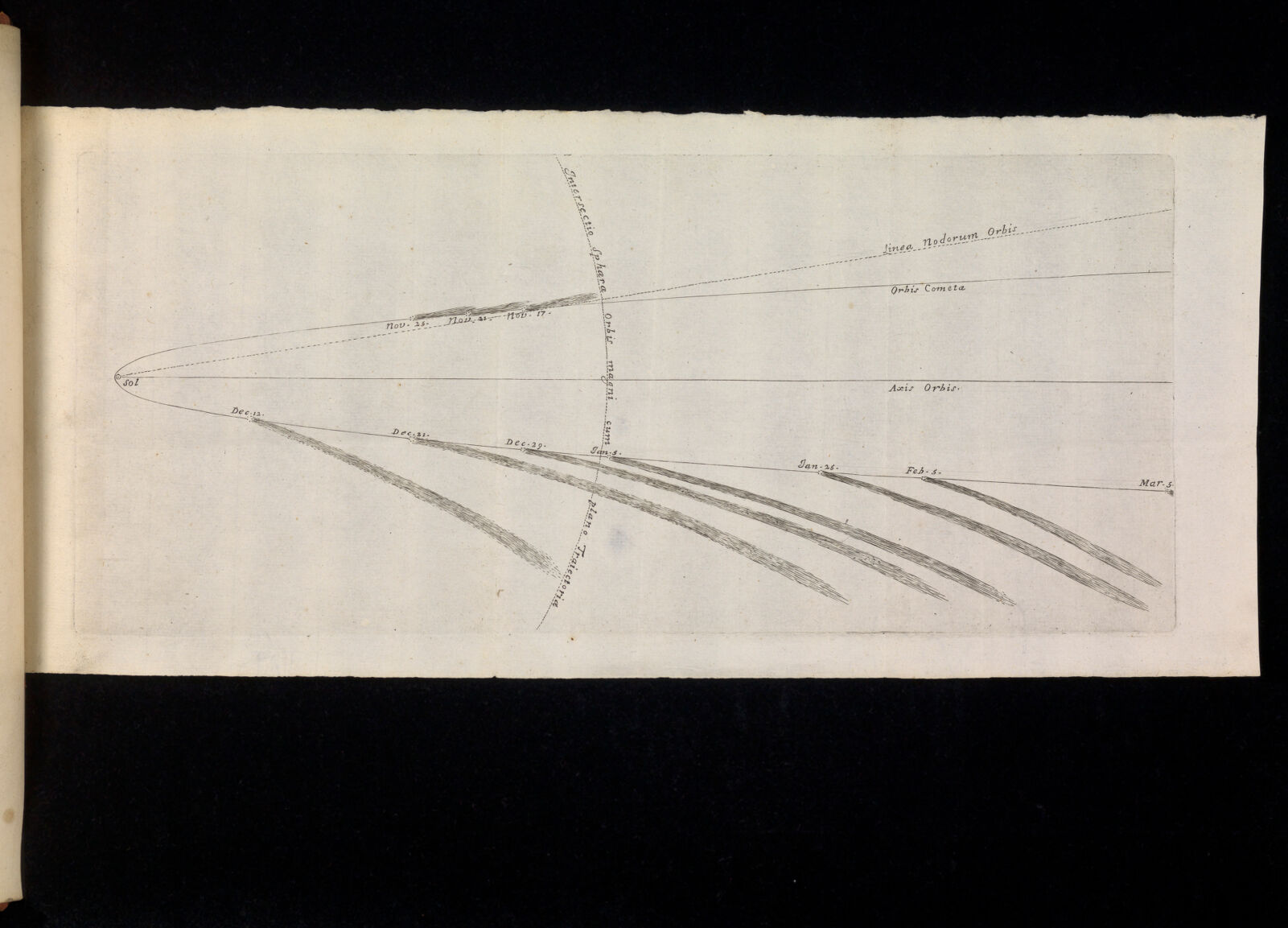
Principia Mathematica, Fold-out Diagram
Isaac Newton · 1687
 Painting
Primary source
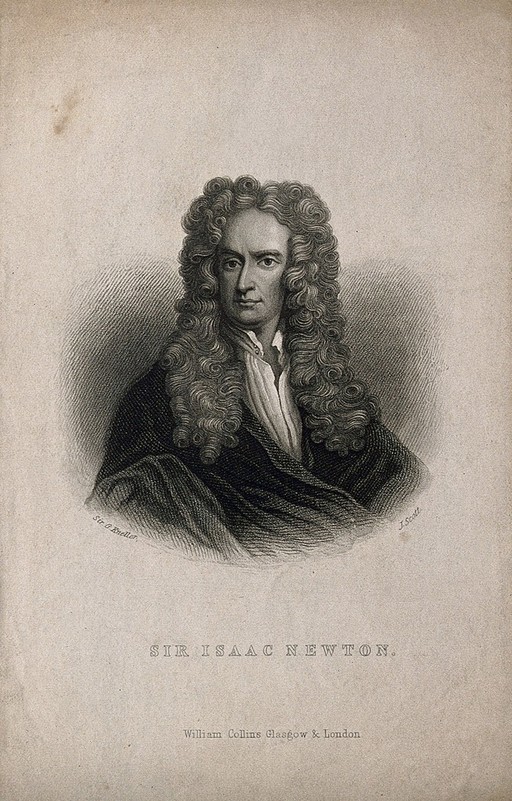
Sir Isaac Newton, stipple engraving by J. Scott after Kneller, 1702
J. Scott, after Sir Godfrey Kneller · 1702 (print made later)
Ready when you are
Start chatting with Isaac Newton now.
20 messages free · No credit card · Available in 50+ languages.