


Primary sourceBook1926
Démosthène
Georges Clemenceau · 1926
Georges Clemenceau's 1926 study of the ancient Athenian orator Demosthenes, read as a self-portrait of a patriot warning against danger.
Clemenceau's study of a patriot-orator resisting conquest is read as a self-portrait of his own political warnings.
About this source
What it is
Démosthène is a book written by Georges Clemenceau and published in 1926, studying the life of the ancient Greek orator Demosthenes, who resisted the rise of Macedon. A facsimile of the book is held by the Bibliothèque nationale de France.
Why it matters
Written late in Clemenceau's life, the book can be read as an implicit self-portrait: a patriot warning his country about a looming threat, much as Clemenceau himself had done before and during the First World War. It shows how Clemenceau used history and classical study to reflect on his own political role.
Look closer
- Why might Clemenceau have chosen to write about an ancient Greek orator so late in his own life?
- What parallels might readers have drawn between Demosthenes warning against Macedon and Clemenceau's own warnings about threats to France?
- What does writing a history book reveal about how Clemenceau wanted to be remembered?
This book is part of the curated material that grounds the AI version of Georges Clemenceau on Humy.ai — when students ask about related events, the AI can quote it and cite it.
More Georges Clemenceau sources
Meet the AI Georges Clemenceau →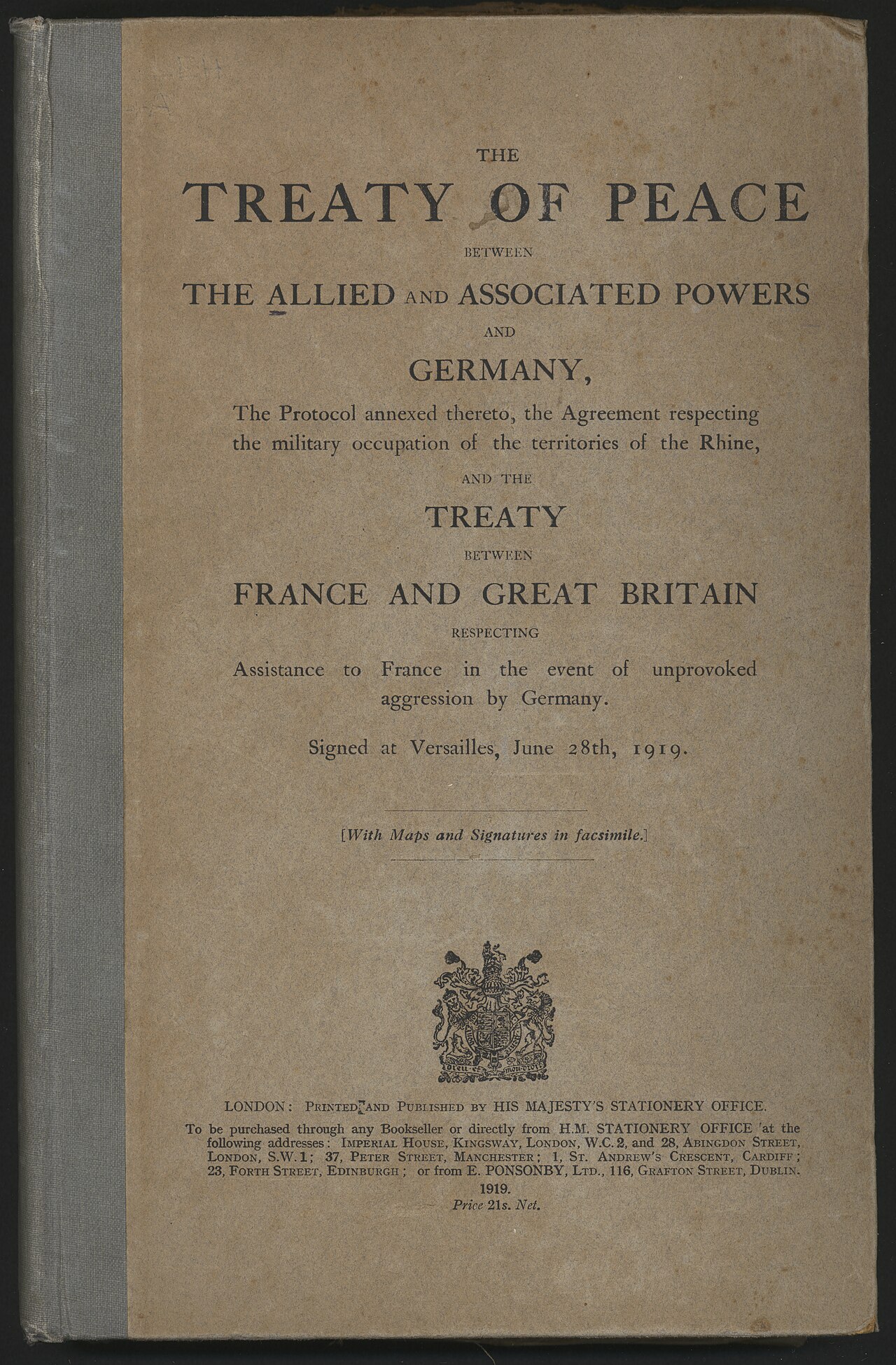 Document
Primary source
Treaty of Versailles
28 June 1919
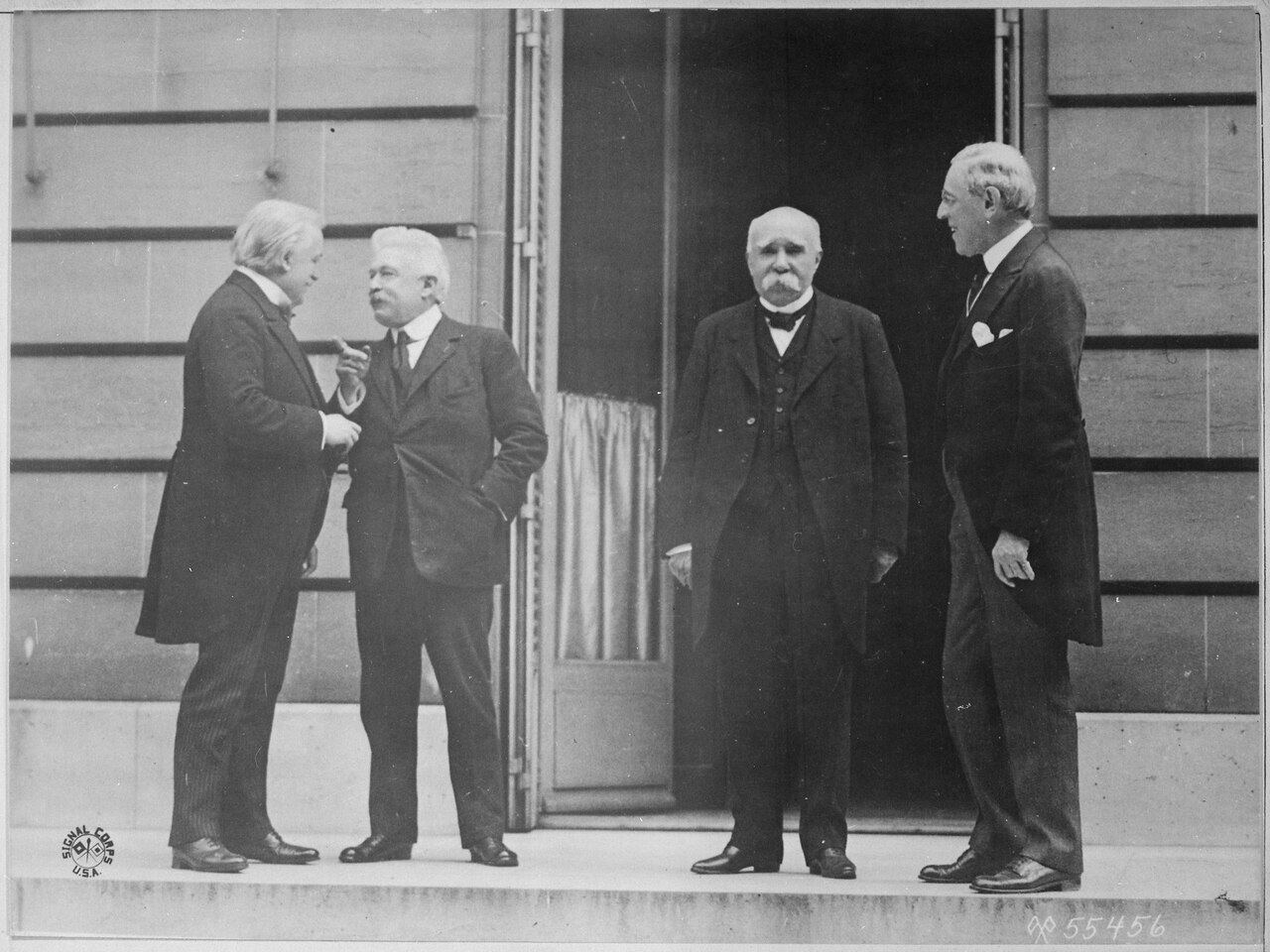 Photograph
Primary source
The Big Four at the Paris Peace Conference
Edward N. Jackson · 27 May 1919
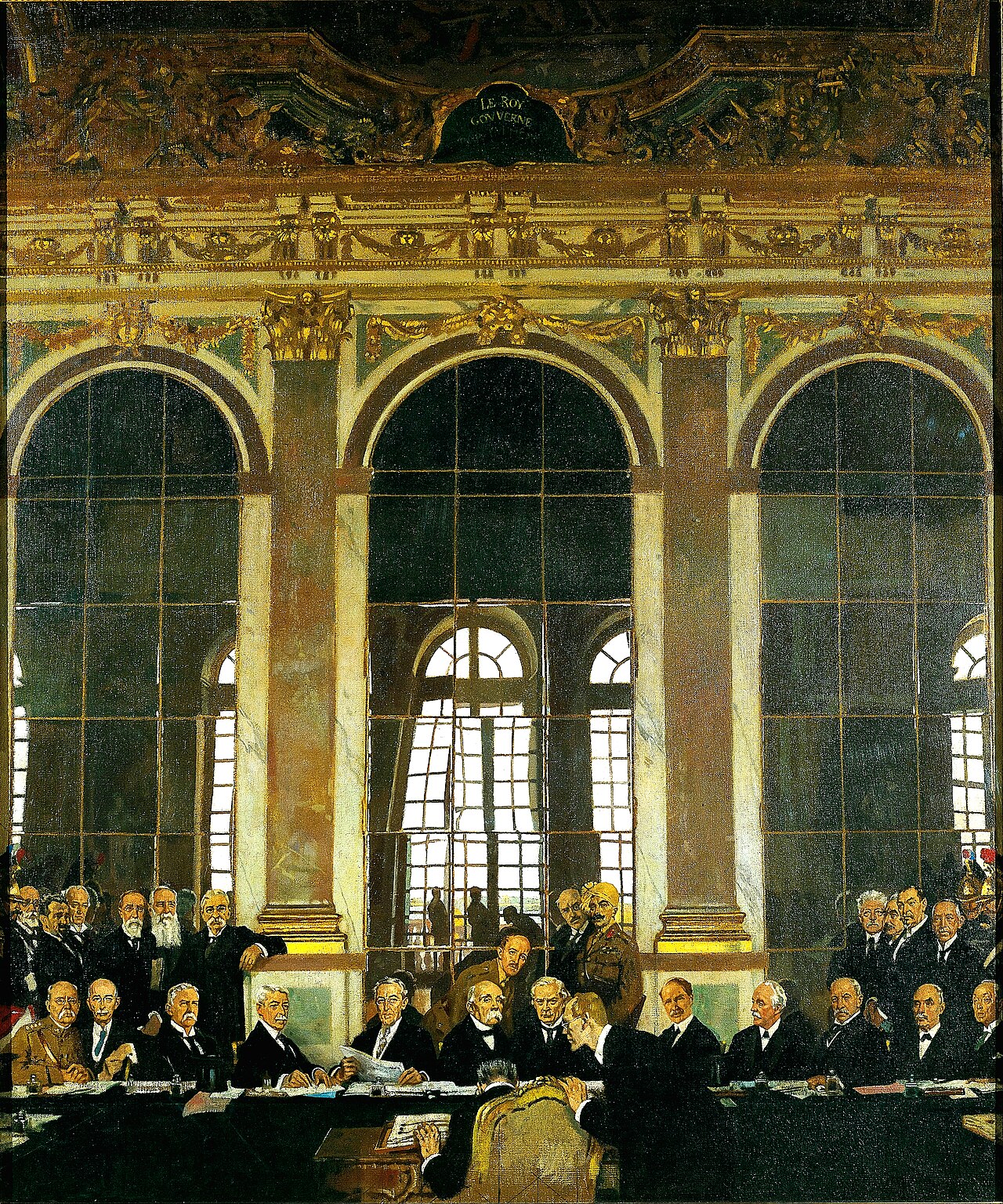 Painting
Primary source
The Signing of Peace in the Hall of Mirrors, Versailles, 28 June 1919
William Orpen · 1919
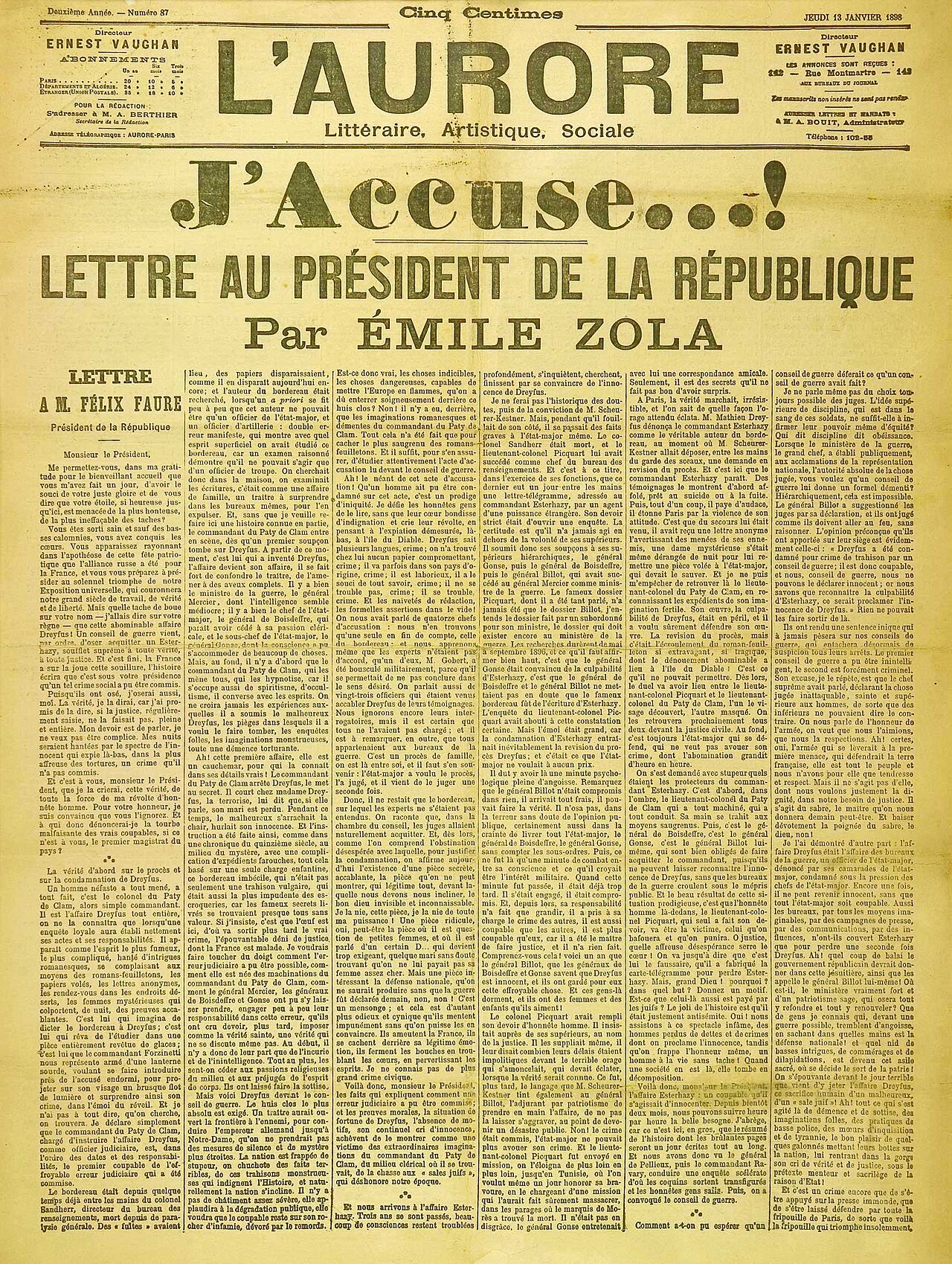 Newspaper article
Primary source
J'accuse…!
Émile Zola · 13 January 1898
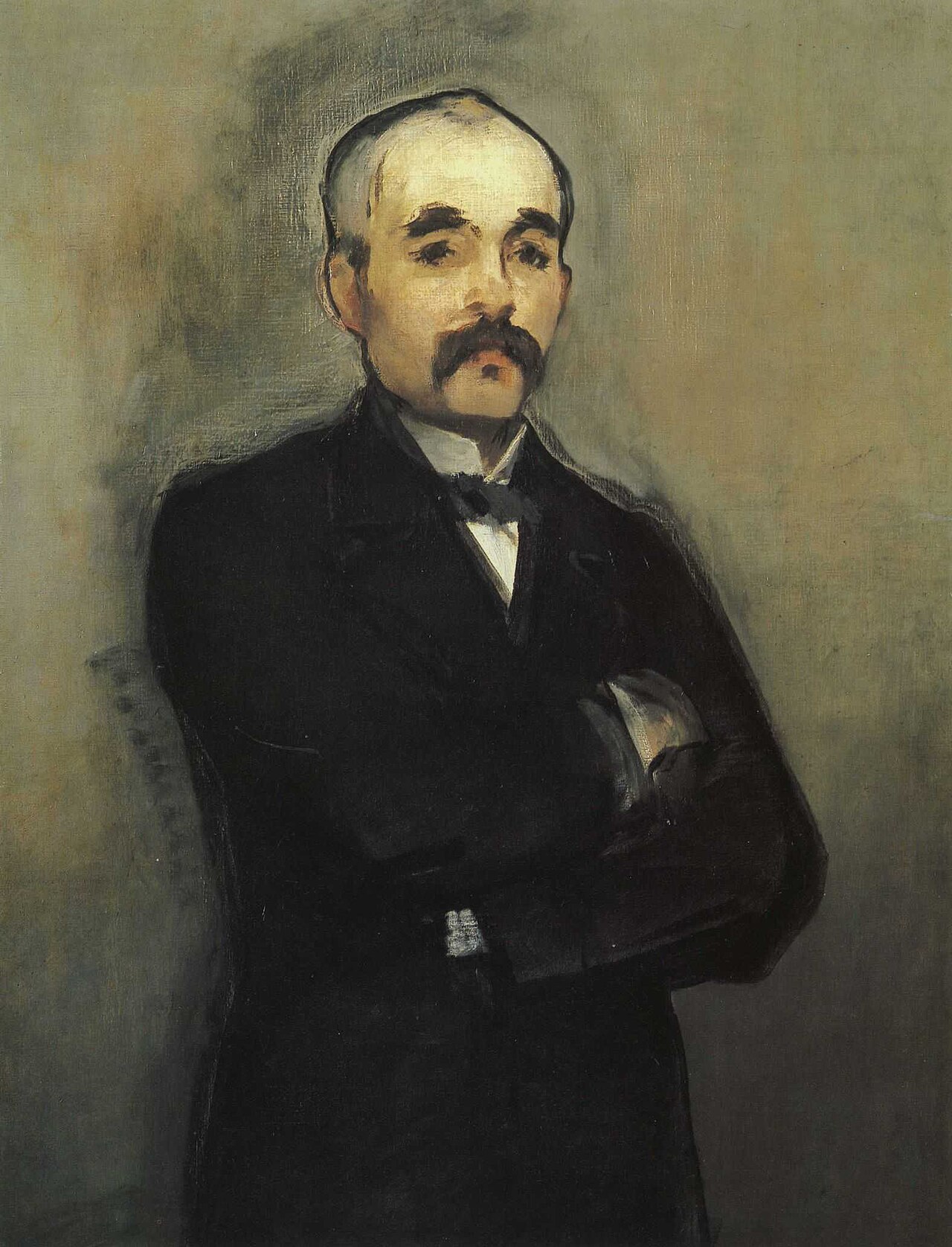 Painting
Primary source
Portrait of Georges Clemenceau
Édouard Manet · 1879-1880
Ready when you are
Start chatting with Georges Clemenceau now.
20 messages free · No credit card · Available in 50+ languages.